You bring your new puppy home, excited and ready for adventure. Two weeks later, the excitement fades as you realize how much work is actually involved in raising a well-behaved dog. You start searching for help and land on pages advertising professional dog training. But what does that actually look like? Is it magic? A boot camp? Or just a fancy way of saying "someone else walks your dog while they learn tricks"?
The truth is more nuanced than most marketing suggests. Professional dog training isn't one-size-fits-all. Depending on your budget, your dog's specific issues, and your lifestyle, you might choose group classes, private sessions, or an intensive residential program. Each path has distinct pros, cons, and outcomes. Knowing what to expect before you pay can save you thousands of dollars and months of frustration.
Understanding the Core Methods: Positive Reinforcement vs. Correction
Before picking a trainer, you need to understand the philosophy behind their methods. The modern standard in professional dog training is Positive Reinforcement is a training method that rewards desired behaviors with treats, praise, or play to increase the likelihood of those behaviors happening again. This approach relies on the science of operant conditioning, where dogs learn by association rather than fear.
In contrast, older or stricter programs may use aversive tools like shock collars, prong collars, or alpha rolls. While these can be effective in the short term, they often carry risks of creating anxiety or aggression if misused. When evaluating a professional program, ask specifically about their tool kit. A reputable trainer will explain exactly why they use a particular tool and show you proof of its safety.
- Force-Free Training: Uses only rewards and redirection. No physical punishment or intimidation.
- Aversive Training: Uses pain or pressure (shock, choke) to stop bad behavior.
- Mixed Method: Combines rewards with mild corrections. Requires high skill to balance safely.
Types of Professional Training Programs
Not all professional training looks the same. There are three main formats you'll encounter, each serving a different purpose and budget level.
| Format | Duration | Cost Range (USD) | Best For | Your Involvement |
|---|---|---|---|---|
| Group Classes | 4-8 Weeks | $150 - $300 | Puppy socialization, basic obedience | High (You do the work) |
| Private Sessions | Ongoing | $75 - $150/hour | Specific behavioral issues, custom plans | Medium (Trainer guides you) |
| Board & Train | 1-3 Weeks | $1,000 - $3,000+ | Busy owners, severe reactivity, fast results | Low (Trainer does the work) |
Group Classes: The Social Foundation
For most puppies, group classes are the first step. These sessions focus heavily on Socialization is the process of exposing a young dog to various people, animals, sounds, and environments to build confidence and prevent fear-based reactions. The critical window for this is between 3 and 16 weeks of age. If you miss this window, it becomes harder but not impossible to fix. In a good class, your dog learns to sit, stay, and come while interacting with other dogs under controlled conditions. You, the owner, are the primary student here. The trainer corrects your hand placement, your timing, and your voice tone.
Private Sessions: Targeted Problem Solving
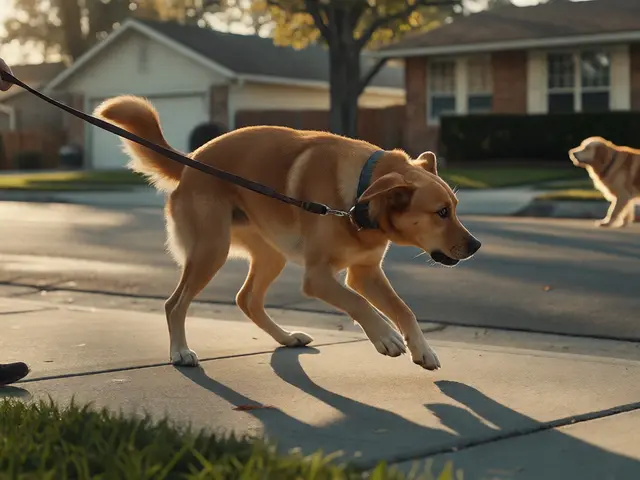
If your dog pulls hard on leash, barks at mailmen, or chews furniture, private sessions offer tailored solutions. The trainer comes to your home or meets you at a park. They observe your daily routine and identify triggers. For example, if your dog lunges at bicycles, the trainer might teach you counter-conditioning techniques using high-value treats to change your dog's emotional response from fear to excitement. This format is flexible but requires consistency from you. If you practice only on weekends, progress will be slow.
Board and Train: Intensive Immersion
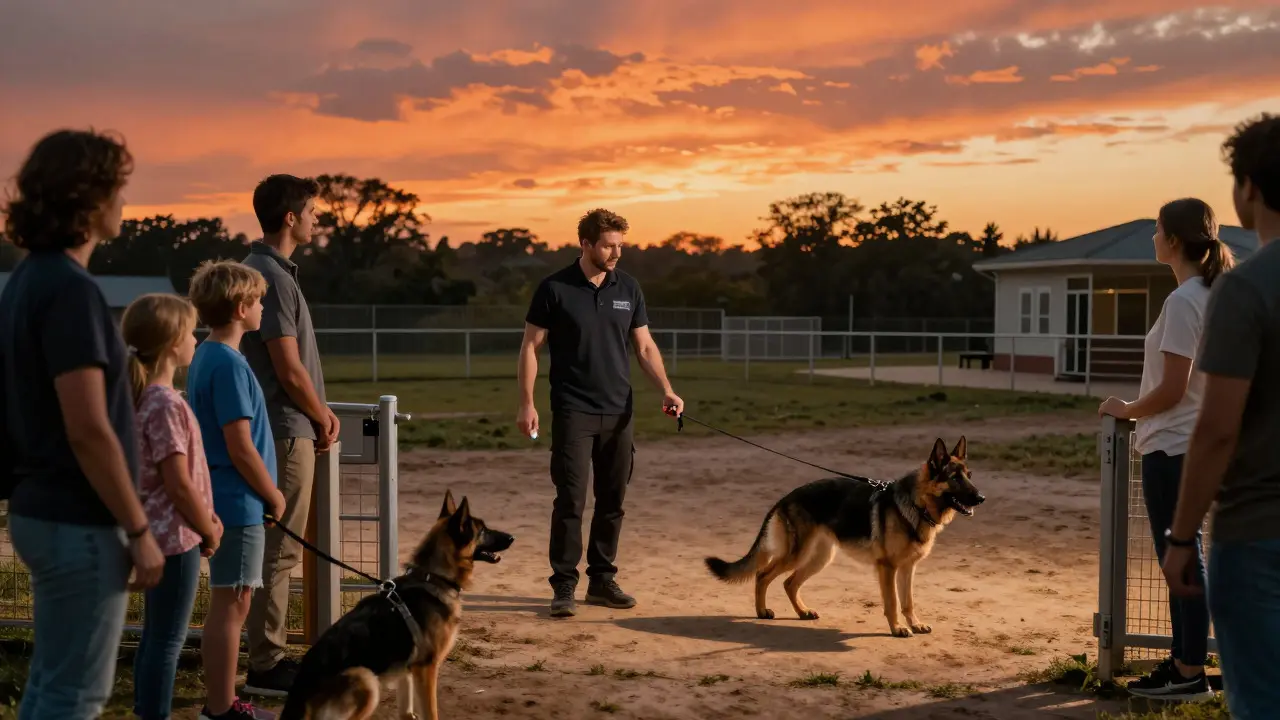
This is where your dog stays at the trainer's facility for a set period. The trainer works with your dog every day, often for several hours. It’s appealing because you get a "finished" product when you pick up your dog. However, it carries a significant risk: generalization. Your dog may learn to sit perfectly in the trainer's backyard but ignore you in the city park because the environment changed. To mitigate this, many modern board-and-train programs include video logs and require a follow-up session after your dog returns home. Always ask if the program includes owner education during the boarding period.
The Role of Owner Education
Here is the biggest misconception about professional dog training: people think the trainer fixes the dog. In reality, the trainer fixes the human-dog relationship. Dogs read body language, tone, and routine. If you send your dog to a board-and-train program but continue to have chaotic meal times, inconsistent rules, and mixed signals at home, the training will fade within two weeks.
A quality program always includes a component for you. This might be a detailed written plan, weekly check-in calls, or a final graduation session where the trainer tests your dog in front of you to ensure you know how to maintain the skills. Without this transfer of knowledge, you are renting behavior, not owning it.

Red Flags to Watch For
How do you spot a bad fit before signing a contract? Look for these warning signs:
- Vague Guarantees: If they promise "perfect obedience" without asking about your dog's history, be skeptical. Every dog is unique.
- No Written Contract: Professional services should have clear terms regarding duration, cancellation, and liability.
- Resistance to Questions: A confident trainer welcomes questions about their methods. If they say "just trust me," dig deeper.
- Lack of Credentials: While certifications aren't legally required, look for credentials from recognized bodies like the Association of Professional Dog Trainers (APDT) or Karen Pryor Academy. These indicate ongoing education.
Cost Factors and Budget Planning
Budgeting for training is similar to budgeting for veterinary care. It’s an investment in quality of life. Group classes are the most affordable entry point. Private sessions cost more per hour but are often fewer in number. Board and train is the highest upfront cost but can be cheaper than years of failed DIY attempts for severe cases.
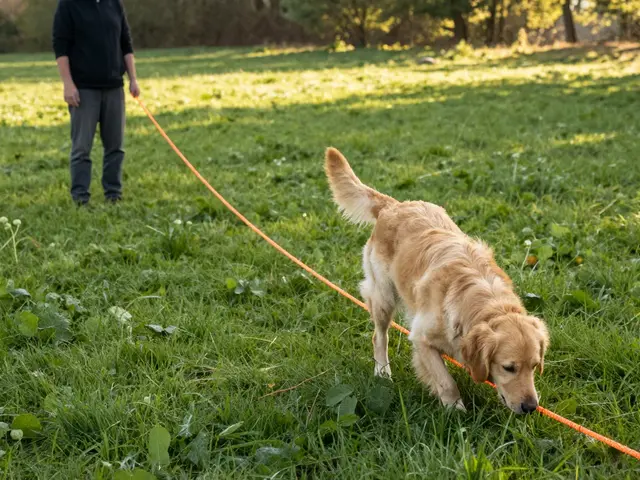
Consider hidden costs too. Do you need to buy specific equipment like a long line, head halter, or clicker? Some trainers provide gear; others expect you to purchase it. Clarify this upfront. Also, consider travel time. If your trainer is 45 minutes away, factor that into your willingness to commit to regular sessions.
Choosing the Right Program for Your Dog
Your choice depends on your dog's age, energy level, and specific challenges. Puppies under six months benefit most from socialization-focused group classes. Adult dogs with ingrained habits often need private sessions to address root causes. Highly reactive or aggressive dogs may require a combination of private therapy-style sessions and controlled group exposure.
Ask yourself: How consistent am I? If you work 12-hour days and rarely have time to practice, a board-and-train program might be necessary to establish baseline behaviors quickly. If you have time and patience, working directly with a private coach allows for slower but more sustainable integration into your daily life.
Frequently Asked Questions
How long does professional dog training take?
It varies widely. Basic manners for a puppy can take 4-8 weeks of consistent group classes. Complex behavioral issues like separation anxiety or resource guarding may take 3-6 months of private sessions. Board and train programs typically last 1-3 weeks, but maintenance takes longer.
Is board and train worth the money?
Yes, if you lack time or consistency, and no, if you don't plan to reinforce the training at home. It is an investment in speed, not a permanent fix. Success depends entirely on whether you implement the homework provided by the trainer after pickup.
What should I ask a potential dog trainer?
Ask about their certification, their specific method (force-free vs. mixed), their success rate with dogs similar to yours, and what their typical client experience looks like. Request to see a video of them working with a dog to observe their communication style.
Can professional training fix aggression?
Often, yes, but it requires identifying the root cause. Aggression is usually a symptom of fear, pain, or territoriality. A professional uses desensitization and counter-conditioning to change the dog's emotional state. It is rarely solved with simple commands alone.
Do I need to buy special equipment for training?
Basic training requires high-value treats and a standard collar or harness. Specialized tools like head halters, long lines, or remote trainers are only needed for specific issues. Ask your trainer if they provide these tools or recommend specific brands before purchasing.