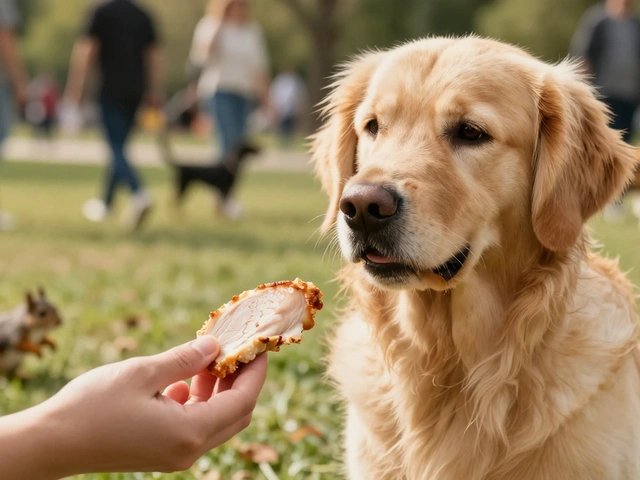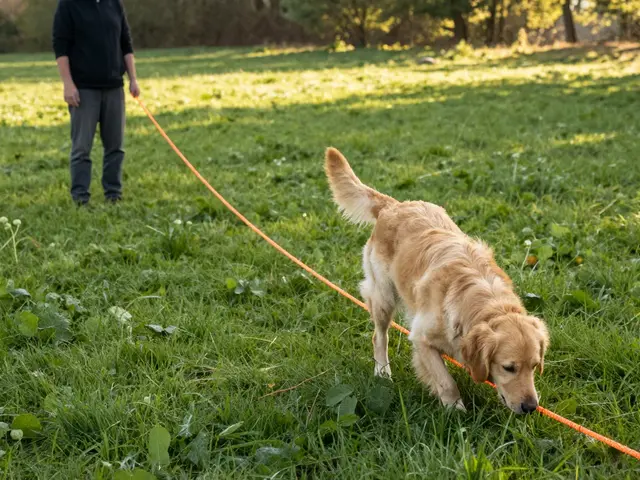
There is a specific moment every dog owner dreads: the instant your dog spots a squirrel or another dog and decides that "come" means "maybe later." You call. They look back. Then they run. That split-second hesitation can turn a fun walk into a stressful chase. The solution isn't necessarily putting your dog back on a tight six-foot leash, which limits their freedom. Instead, it’s about using a long line effectively.
A long line is a length of rope or webbing, typically ranging from 15 to 30 feet, used to give dogs more room to explore while keeping them within reach. It bridges the gap between a standard leash and full off-leash freedom. When used correctly, it builds trust, reinforces recall commands, and allows you to manage your dog in environments where full freedom isn’t safe yet. This guide breaks down exactly how to choose, handle, and train with one so you can stop worrying about what happens when the gate opens.
Why Standard Leashes Fall Short
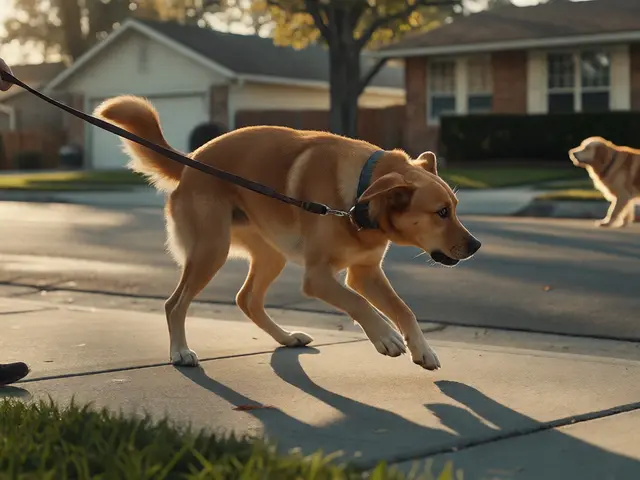
Most standard leashes are six feet long. While great for city sidewalks, this length restricts a dog’s natural movement. Dogs need space to sniff, investigate scents, and move at their own pace. A short leash often leads to tension, pulling, and frustration for both the handler and the dog. If you’ve ever felt like you’re fighting your dog on a walk, the length might be part of the problem.
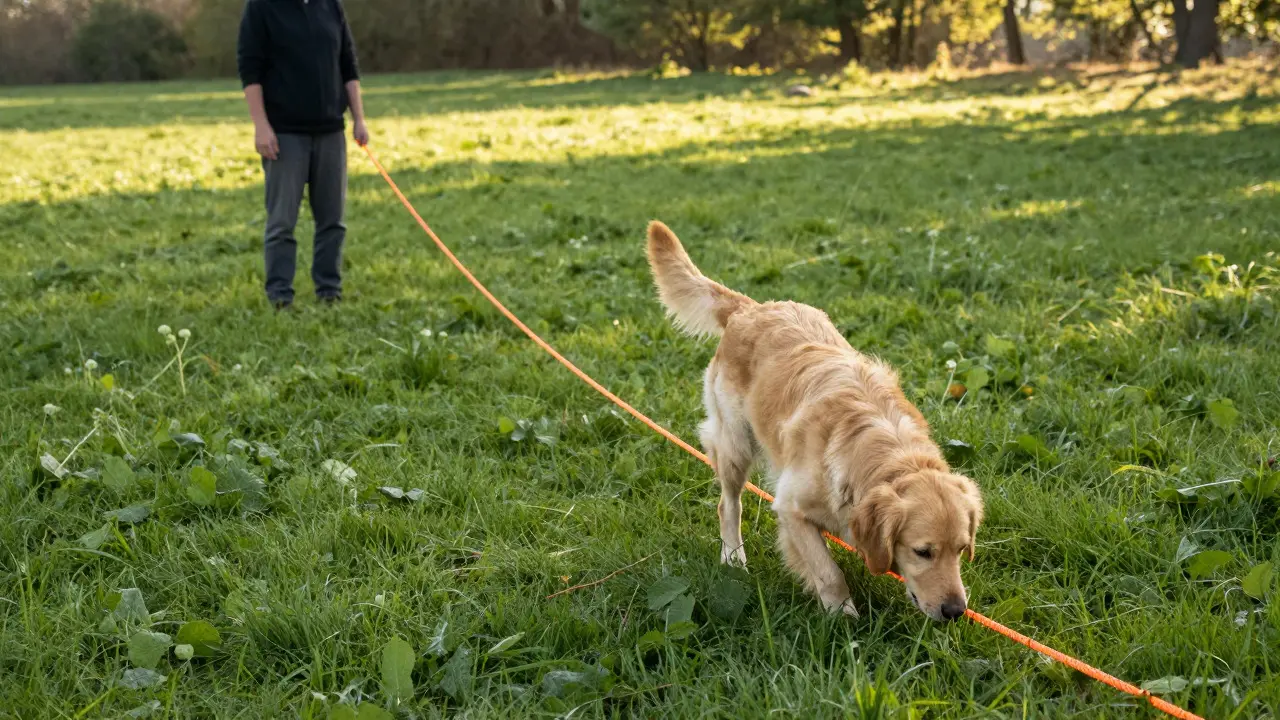
A long line changes the dynamic. By extending the radius of your dog’s movement, you allow them to make choices. If they want to sniff a bush, they can. If they want to play with a friend, they can. But because you still have physical control, you can gently redirect them if things get too intense. This controlled freedom is crucial for building a reliable recall. Your dog learns that coming to you is a good choice, not just a command forced by a tight strap around their neck.
Choosing the Right Long Line Gear
Not all long lines are created equal. Buying the wrong one can lead to tangles, broken equipment, or an uncomfortable experience for your dog. Here is what to look for:
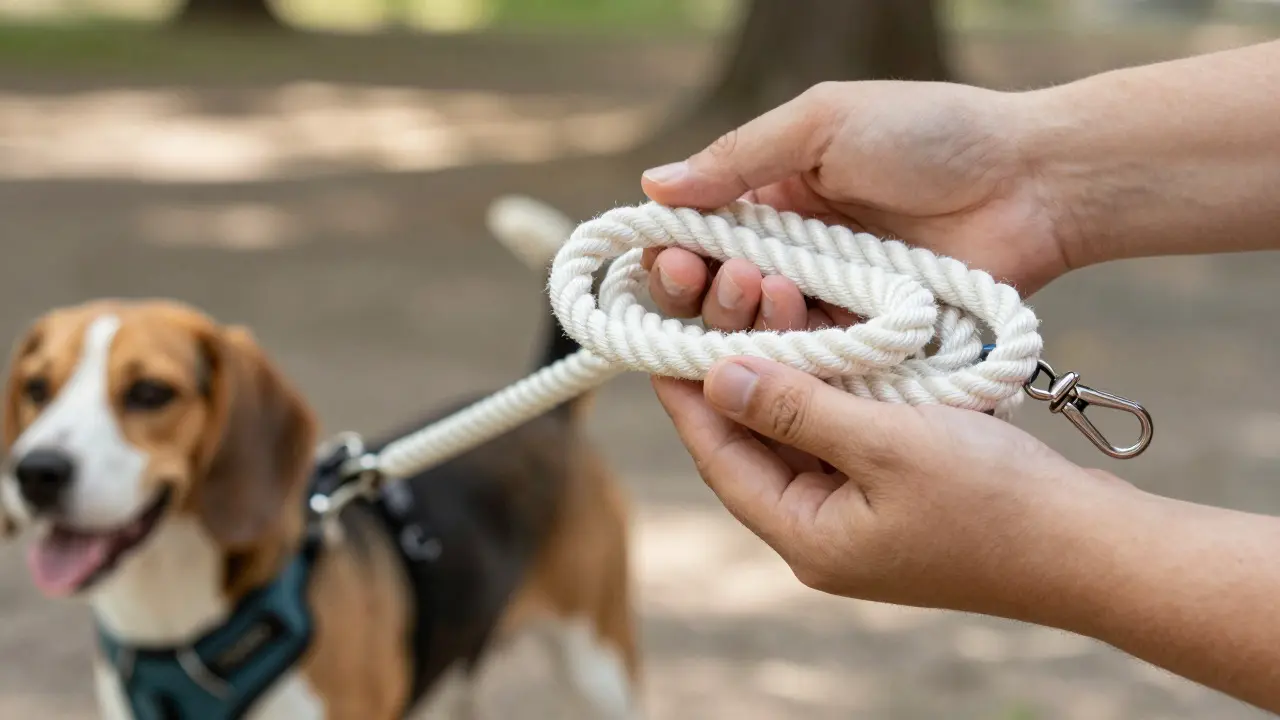
- Rope vs. Webbing: Rope (usually nylon) is softer and easier to grip, making it ideal for beginners or smaller dogs. Webbing is lighter and less likely to tangle, but it can be harder to hold if your dog pulls hard. For most owners starting out, a 1-inch diameter nylon rope is the best balance.
- Length: Start with 15 feet. This is manageable for learning proper handling techniques. Once you feel confident, you can move to 30 feet. Avoid anything longer than 30 feet unless you are an experienced trainer, as handling becomes significantly more difficult.
- Harness Compatibility: Always use a front-clip harness or a well-fitted flat collar. Avoid retractable leashes paired with long lines; the mechanism can fail under the stress of a sudden pull. A front-clip harness gives you better steering control without choking the dog.
- Weight Rating: Check the manufacturer’s weight limit. A line rated for 50 pounds might snap if your 80-pound dog hits a deer. Add a safety margin of at least 20% above your dog's weight.
Mastering the Handling Technique
The biggest mistake people make with long lines is holding them like a regular leash. If you hold a 30-foot line tightly against your body, you create a loop that can easily tangle around your legs or the dog’s paws. The key is to keep the slack in a loose arc away from your body.
- Start with the coil: Keep the excess line coiled loosely in your hand or hanging low, not wrapped around your wrist. Wrapping it around your wrist is dangerous; if your dog runs, you’ll be pulled down.
- Watch the tail end: The free end of the line should always be visible. If you lose sight of it, you’ve lost control of the slack.
- Use a gentle tug: To redirect your dog, don’t yank. Give a soft, upward tug to let them know you’re there. Pair this immediately with a treat or praise. This teaches them that the tug means "good things happen," not "pain is coming."
- Manage the distance: As your dog moves further away, let out more line. As they come closer, take up the slack. Think of yourself as a reeler on a fishing rod, constantly adjusting to maintain tension without strangling.
Building Reliable Recall Step-by-Step
You can’t just attach a long line and expect perfect behavior. You need to train the recall specifically on the line. Here is a proven progression:
Phase 1: The Indoor Foundation Start inside your house or a fenced yard. Call your dog using a unique recall word (like "Eats!" or "Come!") rather than just their name. When they arrive, reward heavily. Do this until they come instantly, even if they were playing. The goal is to make the recall boringly predictable indoors.
Phase 2: Low-Distraction Outdoors Move to a quiet park or empty field. Attach the long line. Let your dog roam freely for a minute. Call them. Reward when they arrive. Repeat. The line acts as a safety net, so you don’t have to worry if they ignore you once. If they do ignore you, simply walk toward them, get excited, and call again. Never punish a slow response during this phase.
Phase 3: Adding Distractions This is where it gets real. Practice in areas with other dogs or squirrels. The long line allows you to let your dog engage with distractions, then call them back before the excitement peaks. This teaches impulse control. If your dog starts to bolt, the line prevents the disaster, allowing you to reset and try again calmly.
Phase 4: Variable Rewards Once your dog comes reliably, start rewarding randomly. Sometimes they get a high-value treat, sometimes just praise, sometimes a game of tug. This variable ratio schedule makes the recall stronger because your dog never knows what they’re going to get, so they keep checking in with you.
Safety Tips and Common Pitfalls
Even with the best technique, accidents happen. Keep these safety rules in mind to protect both you and your dog:
| Mistake | Risk | Solution |
|---|---|---|
| Wrapping line around wrist | Falling, injury to arm/wrist | Hold line loosely in palm, let slack hang |
| Using a retractable leash | Snapping, burn injuries | Use a fixed-length rope or webbing only |
| Letting line drag on ground | Tangling, tripping hazards | Keep line off the ground or use a dedicated holder |
| Punishing arrival | Dog associates coming with bad things | Always reward, even if late |
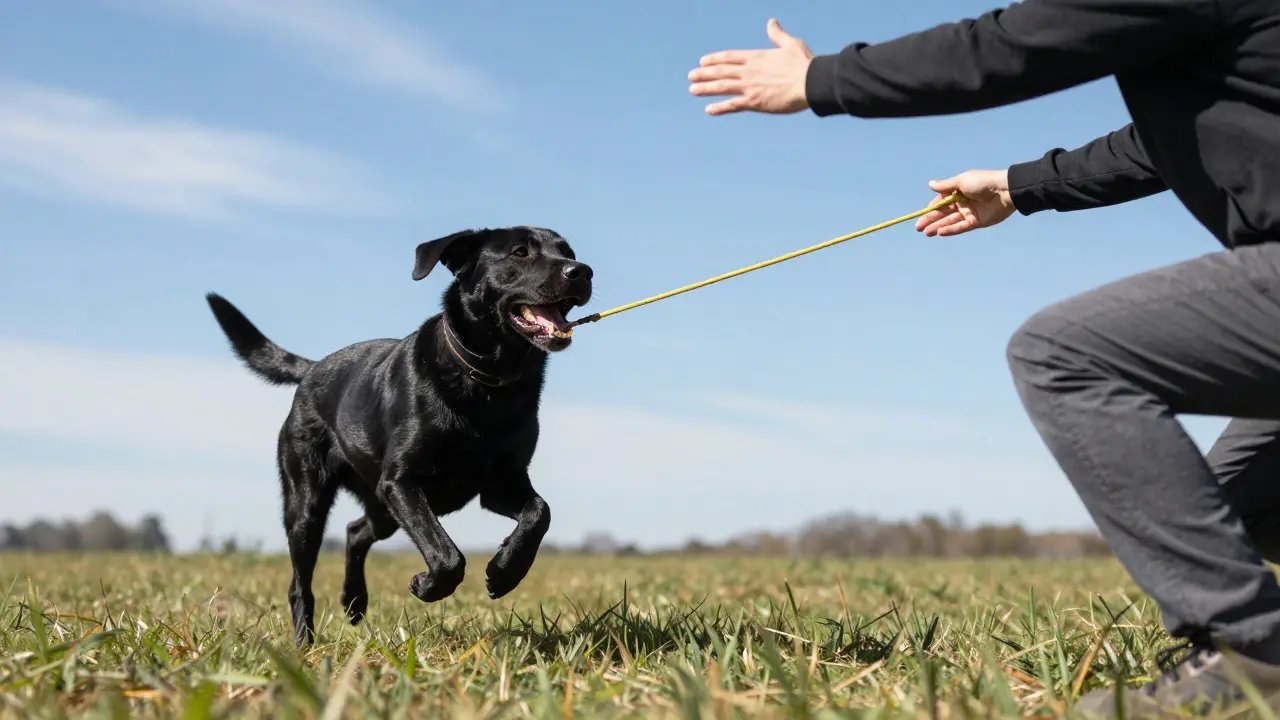
Also, be mindful of your surroundings. In wooded areas, check for branches that could snag the line. On trails, watch for other hikers who might trip over the extra length. A bright orange or yellow line helps visibility for others and for you.
When to Transition to Off-Leash Freedom
The ultimate goal of long line training is often to remove the line entirely. But how do you know when your dog is ready? There is no single test, but here are the indicators:
- Your dog comes to you within two seconds, consistently, in various environments.
- Your dog checks in with you voluntarily when distracted.
- You have practiced in high-distraction areas (dog parks, busy streets) with success.
- Your dog has a solid understanding of boundaries (fences, gates).
If you meet these criteria, you can start removing the line in safe, enclosed areas. However, many owners find that the long line remains a useful tool for hikes or new environments, even after achieving off-leash reliability. It provides peace of mind without restricting the dog’s enjoyment.
Frequently Asked Questions
What is the best length for a beginner long line?
For most beginners, a 15-foot long line is the ideal starting point. It is short enough to manage easily but long enough to give your dog some freedom. Once you are comfortable with the handling techniques, you can upgrade to a 30-foot line for more advanced training scenarios.
Can I use a retractable leash as a long line?
It is generally not recommended. Retractable leashes have mechanical parts that can fail under heavy load, and the thin cord can cause burns if it snaps. A fixed-length rope or webbing is safer and more durable for serious training work.
Should I use a harness or a collar with a long line?
A front-clip harness is usually the best choice. It distributes pressure across the chest and shoulders, reducing strain on the neck. It also gives you better steering control. If your dog is already trained in a flat collar, that is acceptable, but avoid prong or choke chains for this type of work.
How long does it take to train a dog to recall on a long line?
It varies by dog, but most dogs show significant improvement within 2 to 4 weeks of consistent practice. Puppies may learn faster due to higher energy levels, while older dogs with established habits may take longer. Consistency is key; practicing for 10 minutes daily is better than one hour weekly.
Is a long line dangerous for my dog?
If used correctly, a long line is very safe. The main risks come from improper handling, such as wrapping the line around your wrist or letting it drag on rough terrain. Always inspect the line for wear and tear before each use, and ensure your dog is wearing a secure harness.