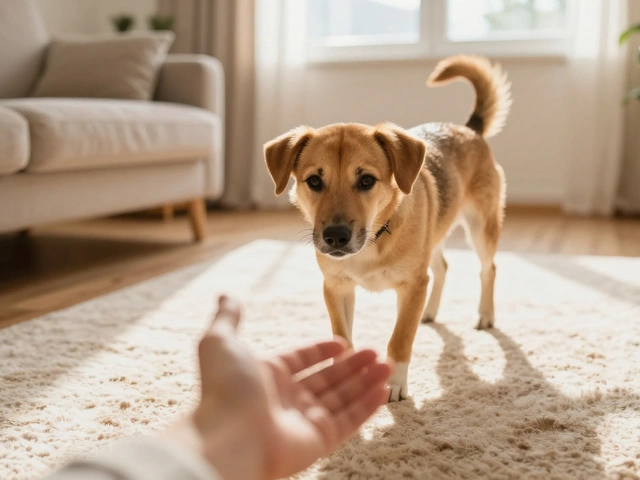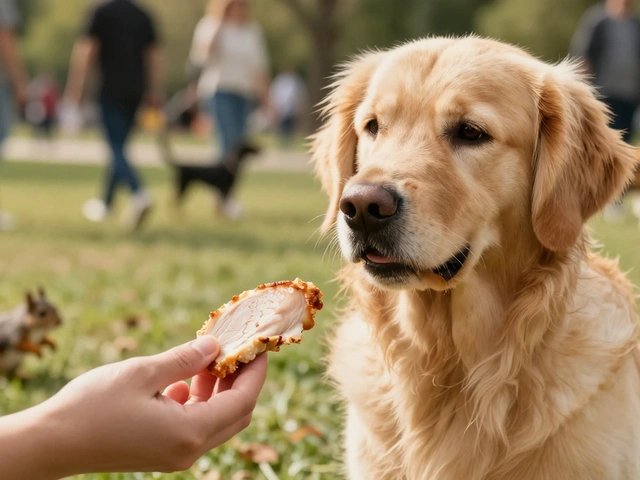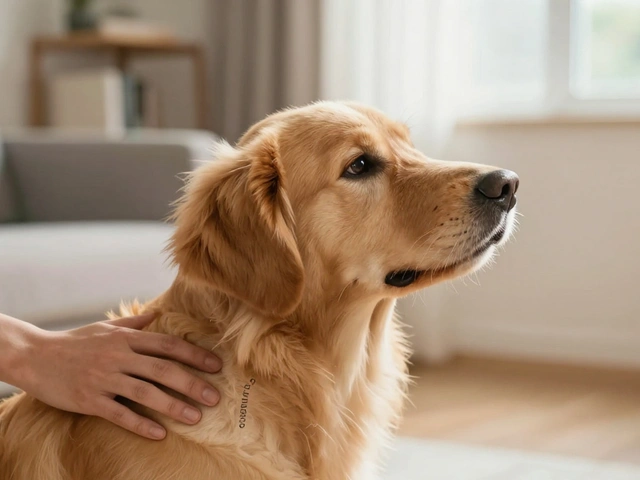
Most people think training is just about 'sit' and 'stay.' But those commands don't help much when a vet needs to check a dog's ears or a groomer needs to shave their paw pads. We're talking about behavioral consent. When a dog knows they can tell us "I've had enough" and we actually listen, they stop fighting. They start trusting. This isn't about the dog being 'obedient'; it's about the dog feeling safe.
The Core Principles of Cooperative Care
At its heart, this approach relies on Positive Reinforcement is a training method that rewards desired behaviors with treats, praise, or play to increase the likelihood of those behaviors happening again. You aren't punishing the dog for being scared; you're rewarding them for being brave. The goal is to move from a state of "forced restraint" to "voluntary participation."
One of the biggest shifts here is the use of a "consent cue." This is a specific signal-like a touch on the shoulder or a specific word-that tells the dog, "I'm going to do X now, is that okay?" If the dog stays still or leans in, they've given consent. If they pull away, you stop. It sounds counterintuitive to let a dog "say no" during a medical exam, but when a dog knows they have an exit strategy, they are far more likely to let you finish the job without panicking.
| Feature | Traditional Handling | Cooperative Care |
|---|---|---|
| Approach | Physical restraint/force | Choice and consent |
| Dog's Role | Passive/Reactive | Active Participant |
| Emotional State | Fear or shutdown | Confidence and trust |
| Outcome | Task completed quickly (but stressful) | Task completed calmly (long-term success) |
Training for the Grooming Table
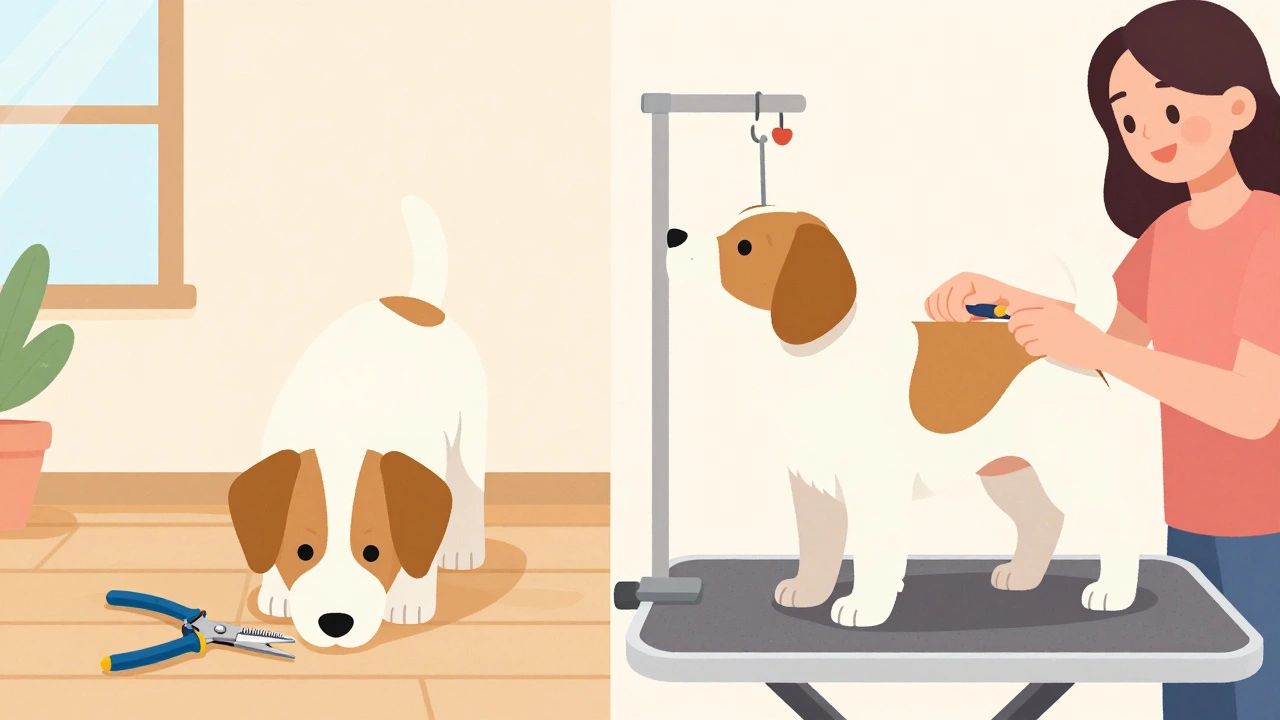
Grooming is a sensory overload. There are loud dryers, sharp clippers, and strangers touching sensitive areas like the paws and tail. To make this easier, start by introducing the Grooming Table is a specialized elevated platform used by professional groomers to keep dogs at a comfortable working height in your own home. Let them explore it on their own terms. Toss a few treats up there. Let them jump on and off without any "work" happening.
Once they're comfortable with the surface, introduce the tools. Don't just start clipping; let them sniff the clippers while they are off. When they sniff, reward them. Then, turn the clippers on a few feet away. If they stay calm, more treats. You are essentially desensitizing them to the scary parts of the process. If you wait until they are at the salon to do this, it's often too late because the environment is already triggering their fight-or-flight response.
A great exercise is "touch-and-reward." Touch their paw for one second, then give a treat. Touch for two seconds, then a treat. If they pull away, you simply stop and wait. This teaches the dog that the touch is temporary and that they have control over the interaction. When they get to the professional groomer, they'll be much less likely to snap or struggle because they've practiced the "deal": I let you touch me, and I get something great.
Navigating Vet Visits with Ease
Vet visits are often the most stressful because of the smell of chemicals and the presence of other anxious animals. To combat this, focus on Low Stress Handling is a set of techniques designed to minimize animal apprehension and fear during medical procedures. One of the best things you can do is practice "handling/mock exams" at home.
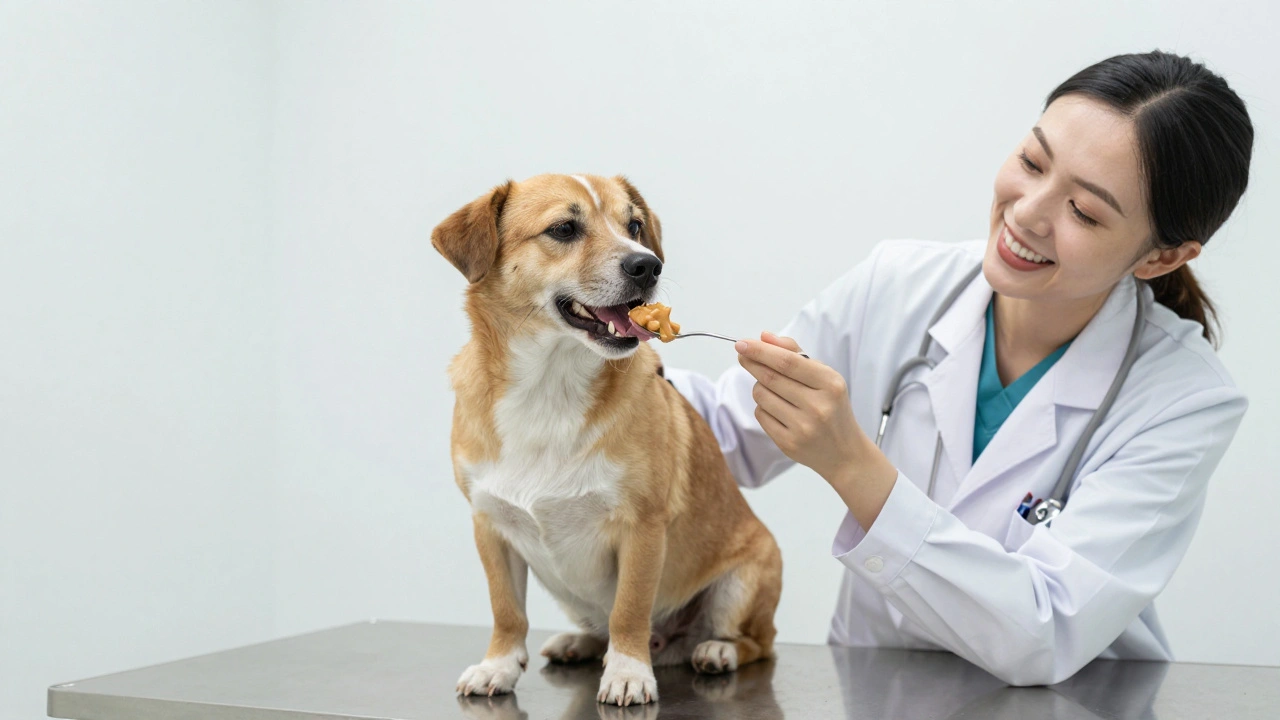
Spend a few minutes every day touching your dog's ears, looking inside their mouth, and checking between their toes. Use a high-value reward, like a tiny piece of plain boiled chicken or a squeeze of peanut butter. If you only touch these areas when something "bad" (like a thermometer or a needle) is involved, the dog learns to associate those areas with pain. By making these touches a normal part of their day, you remove the novelty and the fear.
When you actually arrive at the clinic, talk to your vet about your goals. Ask if you can use a "happy visit" approach-where you just drop in for a treat and leave without any needles or exams. This changes the dog's internal map of the clinic from "Place of Pain" to "Place of Snacks." When it is time for the actual exam, use the consent cues you've practiced at home. If the vet needs to hold the dog's head, ask them to do it gently and reward the dog for staying still.
Step-by-Step Guide to Implementing a Consent Cue
If you've never used a consent cue, it can feel weird at first. Here is how to set one up from scratch using a simple hand touch as the signal.
- Choose your signal: A light touch on the shoulder or a specific word like "Ready?" works well.
- The Initial Offer: Place your hand on the dog's shoulder. Wait for a second.
- Observe the Response: If the dog stays still or looks at you, they are consenting. If they lean away or shake their head, they are not.
- The Action: If they consent, perform a very brief, low-stress action (like brushing one spot of fur) and immediately give a high-value treat.
- The Stop: If they don't consent, stop immediately. Do not push through. Just say "Okay!" and move away. This proves to the dog that their "no" is respected.
- Repeat and Expand: Do this daily. Once the dog trusts the cue, you can move to harder things like nail clipping or ear cleaning.
Common Pitfalls to Avoid
The biggest mistake people make is using Aversive Training is the use of punishments or negative stimuli to discourage unwanted behaviors. If you scold a dog for pulling away from a nail clipper, you aren't fixing the fear; you're just adding a layer of fear on top of the existing anxiety. This often leads to the dog "shutting down," where they look calm but are actually terrified. This is dangerous because a shut-down dog can snap without warning when they hit their breaking point.
Another common error is rushing the process. You might have a grooming appointment in two days and decide to start "training" now. Cooperative care is a marathon, not a sprint. If you try to force a "consent cue" in one afternoon, the dog will see right through it. It takes weeks of consistent, small wins to build the trust required for a dog to voluntarily stand still for a shave.
Finally, don't forget the environment. If you're training at home, keep the lighting soft and the noise low. If the dog is already overstimulated, they won't be in a headspace to learn. Always start your sessions when the dog is relaxed and happy, not right after a chaotic walk or a fight with another pet.
Measuring Success and Adjusting the Plan
How do you know if it's working? Look for "micro-signals." A dog that is starting to trust the process will stop holding their breath. Their muscles will relax, and they might even start looking at you for the treat before the action happens. If you see your dog lean into the brush rather than pulling away, you've hit a breakthrough.
If you hit a plateau, go back one step. If they're suddenly terrified of the clippers again, go back to just letting them sniff the clippers while they're off. Regression is a normal part of Behavior Modification is the process of changing a maladaptive behavior pattern into a positive or functional one through systematic training. The key is to never push the dog past their "threshold"-the point where they stop learning and start panicking.
What if my dog is already aggressive during grooming?
If your dog is snapping or biting, you should work with a certified professional behaviorist first. Cooperative care is still the goal, but you need a safe way to start. This may involve using a muzzle-which the dog also needs to be trained to love-or using a "fear-free" certified groomer who understands how to work with high-anxiety pets without using force.
Does this work for all breeds?
Yes, though some breeds may take longer. For example, sighthounds are often more sensitive to touch around their paws, while some terriers might be more stubborn. The principle of choice and reward is universal across all dog breeds because it taps into their basic emotional needs for safety and predictability.
How long does it take to see results?
You'll notice small changes in a few days, but significant behavioral shifts usually take 4 to 8 weeks of consistent daily practice. The speed depends on the dog's previous history. A dog that has been traumatized by a bad vet visit may take longer to trust the process than a puppy.
Can I use this training for cats too?
Absolutely. Cats are even more sensitive to force than dogs. The same principles apply: let them sniff the tools, reward them for staying, and respect their boundaries. Training a cat to enjoy a nail trim using a consent cue can save you from many scratches and a lot of stress.
What are the best treats for this kind of training?
Use "high-value" treats that the dog doesn't get during normal mealtime. Think small pieces of roast chicken, freeze-dried liver, or small bits of cheese. The reward needs to be worth the effort of overcoming their fear. If the treat is boring, the dog will decide that the fear is more powerful than the reward.
Next Steps for Pet Owners
If you're ready to start, don't try to fix everything at once. Pick one thing-maybe it's just touching their paws-and do that for a week. Once that's a win, add the grooming table. The goal is to build a "win streak" for your dog. When they realize that cooperating leads to rewards and a lack of force, their entire personality during these visits will change.
For those with extremely fearful dogs, consider looking for a vet clinic that is "Fear Free Certified." These professionals are trained in the same philosophies as cooperative care and will be more likely to support your training efforts rather than trying to "just get it over with" using a muzzle or heavy restraint.