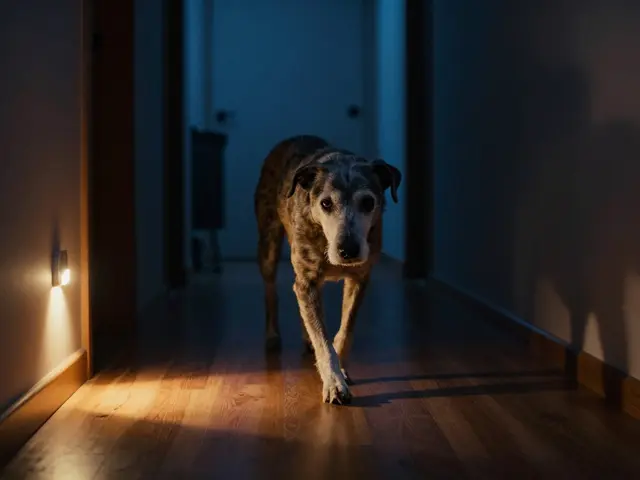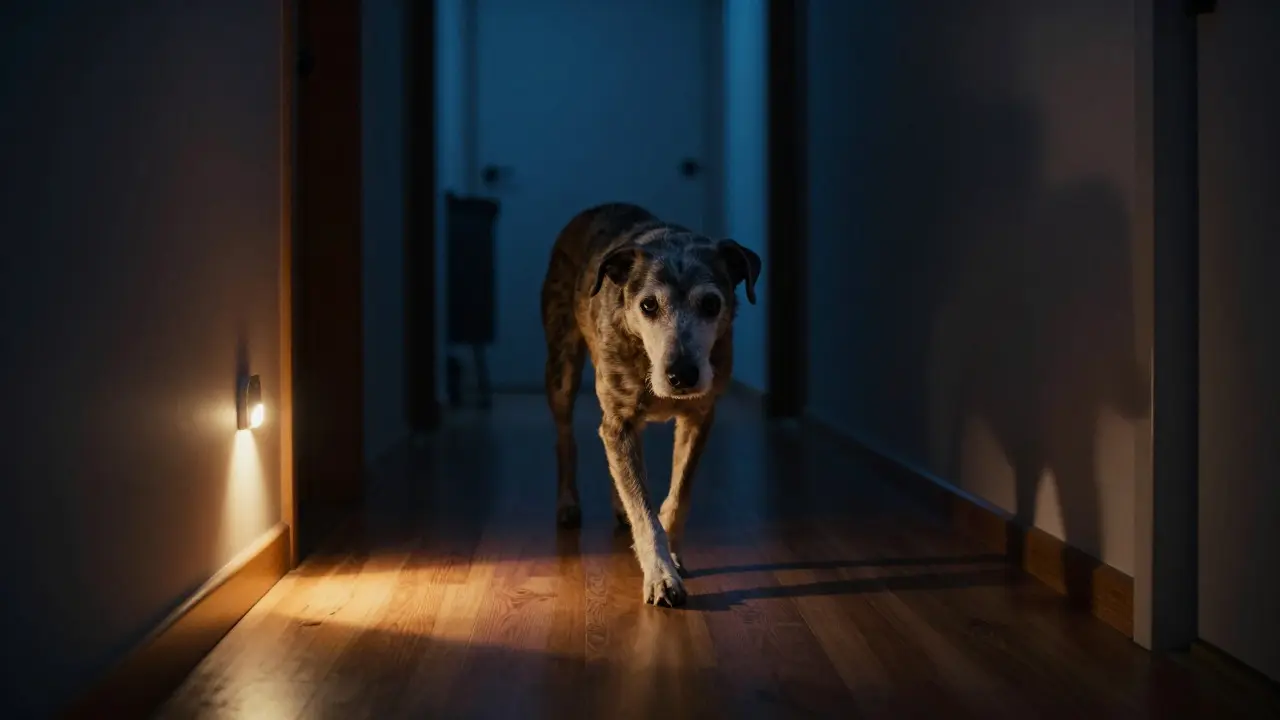
It’s 2:00 AM. You’re half-asleep when you hear it: the distinct *click-click-click* of claws on hardwood. Your senior dog is pacing the hallway, eyes wide, whining softly. This isn’t just a bad dream; for many older dogs, this nightly ritual is a symptom of Sundowning, a term borrowed from human medicine to describe increased confusion and agitation in the late afternoon and evening. If your dog has started acting out after dark, you aren't alone. It’s a common, distressing experience for owners of aging pets, but understanding the root cause can help you find relief for both of you.
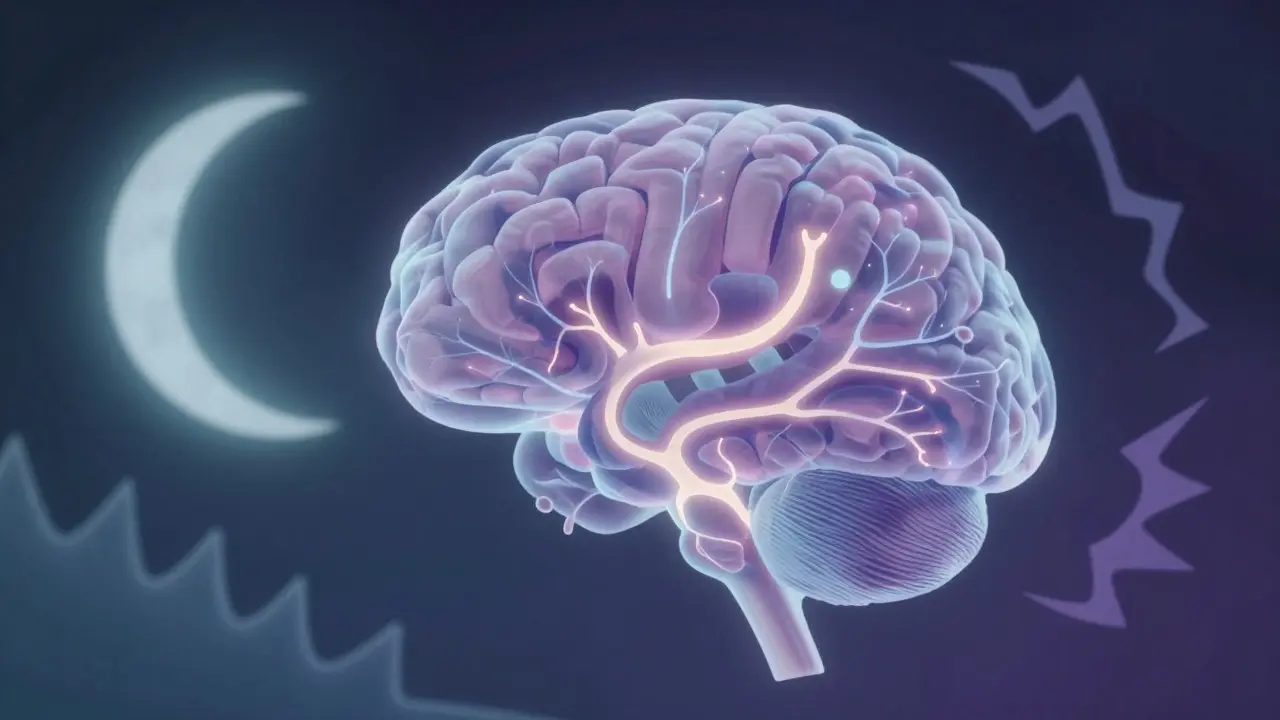
Sundowning in dogs is often linked to Canine Cognitive Dysfunction (CCD), which affects up to 28% of dogs over eight years old. As dogs age, their brains undergo changes similar to those seen in humans with dementia. The circadian rhythm-the internal clock that regulates sleep-wake cycles-disrupts. Melatonin production shifts, cortisol levels spike at the wrong times, and sensory processing slows down. The result? A dog who was calm and content during the day becomes anxious, disoriented, or vocal at night.
Recognizing the Signs of Nighttime Anxiety
Before trying to fix the problem, you need to confirm it’s anxiety and not pain. Many owners mistake arthritis-related discomfort for behavioral issues. However, sundowning presents with specific patterns:
- Pacing: Repetitive walking back and forth without a clear destination.
- Vocalization: Whining, barking, or howling, especially between 10 PM and 4 AM.
- Disorientation: Staring at walls, getting stuck in corners, or freezing mid-step.
- Loss of House Training: Accidents inside the house, particularly if the dog seems confused about where the door is.
- Appetite Changes: Skipping dinner because the food bowl looks unfamiliar, or eating too much due to hunger signals being misinterpreted.
If you see these signs primarily in the evening or night, CCD is a likely culprit. If the dog yelps when moving or limps, rule out physical pain first with a vet visit.
Why Does It Happen at Night?
The environment plays a huge role. During the day, there are distractions: people talking, TV sounds, sunlight. At night, the house goes quiet. For a dog with cognitive decline, silence can feel threatening. Their brain struggles to process the lack of stimuli, leading to hyperarousal. Additionally, light exposure matters. Dogs rely heavily on visual cues to orient themselves. Dim lighting or shadows can make familiar rooms look strange, triggering fear responses.
Hormonal shifts also contribute. In healthy dogs, melatonin rises in the evening to promote sleep. In dogs with CCD, this peak may be blunted or delayed. Simultaneously, cortisol (the stress hormone) might remain elevated into the night, keeping the dog in a state of alertness rather than rest.
Creating a Calming Nighttime Environment
You don’t need expensive gadgets to help. Small environmental tweaks can make a significant difference in reducing nighttime agitation.
- Add Soft Lighting: Leave a dim nightlight on in the hallway or bedroom. Avoid bright overhead lights, which can disrupt the remaining circadian rhythm. Warm-toned bulbs are less stimulating than cool white ones.
- Reduce Noise Distractions: Close windows to block out traffic or neighbor noises. Conversely, some dogs find comfort in low-level background noise. A fan or white noise machine can mask sudden sounds that startle them.
- Keep Routines Consistent: Feed, walk, and play at the same times every day. Predictability reduces anxiety. If you usually take your dog out for a potty break at 9 PM, stick to that schedule even if they seem tired.
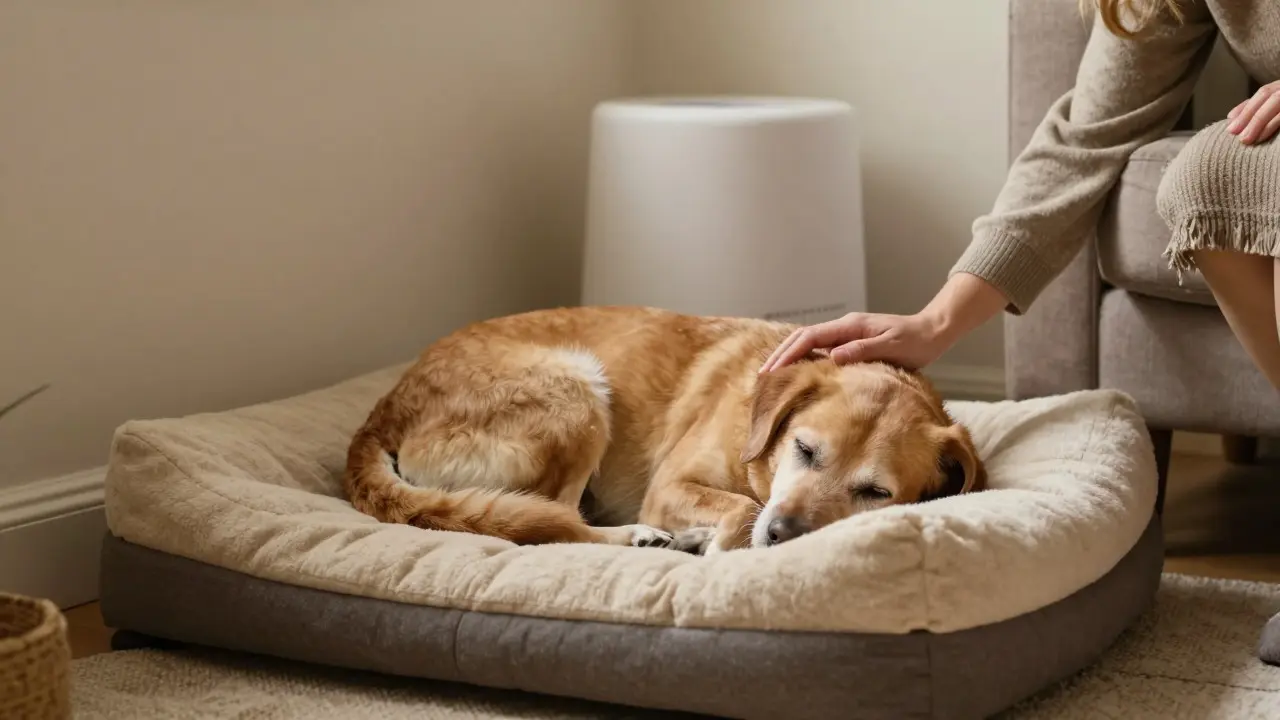
- Create a Safe Space: Designate a quiet corner with a comfortable bed. Some dogs prefer being near their owners; others need isolation. Observe what calms your specific dog. A crate can work if it’s been a positive space before, but never force a fearful dog into one.
Natural Supplements and Dietary Adjustments
Diet plays a crucial role in brain health. As dogs age, their ability to absorb nutrients decreases. You may consider adding supplements specifically designed for cognitive support. Always consult your veterinarian before starting new regimens, as interactions with existing medications are possible.
| Supplement | Primary Benefit | Typical Dosage Note |
|---|---|---|
| Melatonin | Regulates sleep-wake cycle | Usually 1-3 mg, given in the evening |
| L-Theanine | Promotes relaxation without sedation | Often found in calming chews |
| Omega-3 Fatty Acids | Supports brain cell membrane health | High-quality fish oil sources preferred |
| Antioxidants (Vitamins C & E) | Reduces oxidative stress in the brain | Often included in senior-specific kibble |
Beyond supplements, ensure your dog’s diet is rich in high-quality protein and antioxidants. Senior-specific formulas often contain higher concentrations of these nutrients. Fresh food options, like cooked chicken and sweet potatoes, can be easier to digest and may reduce gastrointestinal discomfort that exacerbates anxiety.
Behavioral Strategies for Owners
Your own behavior impacts your dog’s state. If you react with frustration when your dog paces, they may pick up on your tension. Stay calm. Use a soft voice if you need to redirect them. Gentle touch can be soothing, but avoid restraining them tightly, which can increase panic.
Engage their senses during the day to tire them out mentally, not just physically. Puzzle feeders, sniffing games, and short training sessions keep the brain active. A tired brain is less likely to spiral into anxiety at night. Just be mindful of their energy levels; overexertion can lead to soreness later.
When to See a Veterinarian
While many cases of sundowning can be managed at home, some require medical intervention. Contact your vet if:
- The anxiety suddenly worsens or changes pattern.
- Your dog stops eating or drinking.
- You notice tremors, seizures, or severe lethargy.
- Home remedies provide no relief after two weeks.
Your vet may prescribe medications like Selegiline, which is used in humans for Parkinson’s disease and depression. It works by increasing dopamine and serotonin levels in the brain. Other options include Gabapentin for anxiety or Trazodone for sleep. These are prescription-only and should only be used under professional guidance.
Frequently Asked Questions
Is sundowning in dogs curable?
Currently, there is no cure for Canine Cognitive Dysfunction. However, the progression can often be slowed, and symptoms can be significantly managed through environmental changes, diet, supplements, and sometimes medication. The goal is to improve quality of life for the remaining years.
Can melatonin be harmful to my senior dog?
Melatonin is generally considered safe for most dogs, but dosage is critical. Too much can cause lethargy or digestive upset. Always start with a low dose recommended by your vet. It is not recommended for dogs with certain heart conditions or liver diseases without supervision.
How do I tell if my dog is anxious or in pain at night?
Pain often manifests as stiffness, reluctance to move, or vocalizing when touched. Anxiety is more about repetitive behaviors like pacing, circling, or staring. If your dog is pacing but moves fluidly without limping, it’s likely anxiety. If they hesitate to stand or yelp when shifting weight, check for pain first.
Do seniors dogs really get 'dementia'?
Yes, veterinarians refer to it as Canine Cognitive Dysfunction (CCD). It involves memory loss, disorientation, social changes, and sleep-wake cycle disruptions. It is a progressive condition, but early detection allows for better management strategies.
Should I leave the TV on at night for my dog?
For some dogs, yes. The movement and sound can provide comforting stimulation. For others, it may be overstimulating. Try it for a few nights. If your dog seems calmer and sleeps more soundly, keep it on. If they bark at the screen, turn it off.