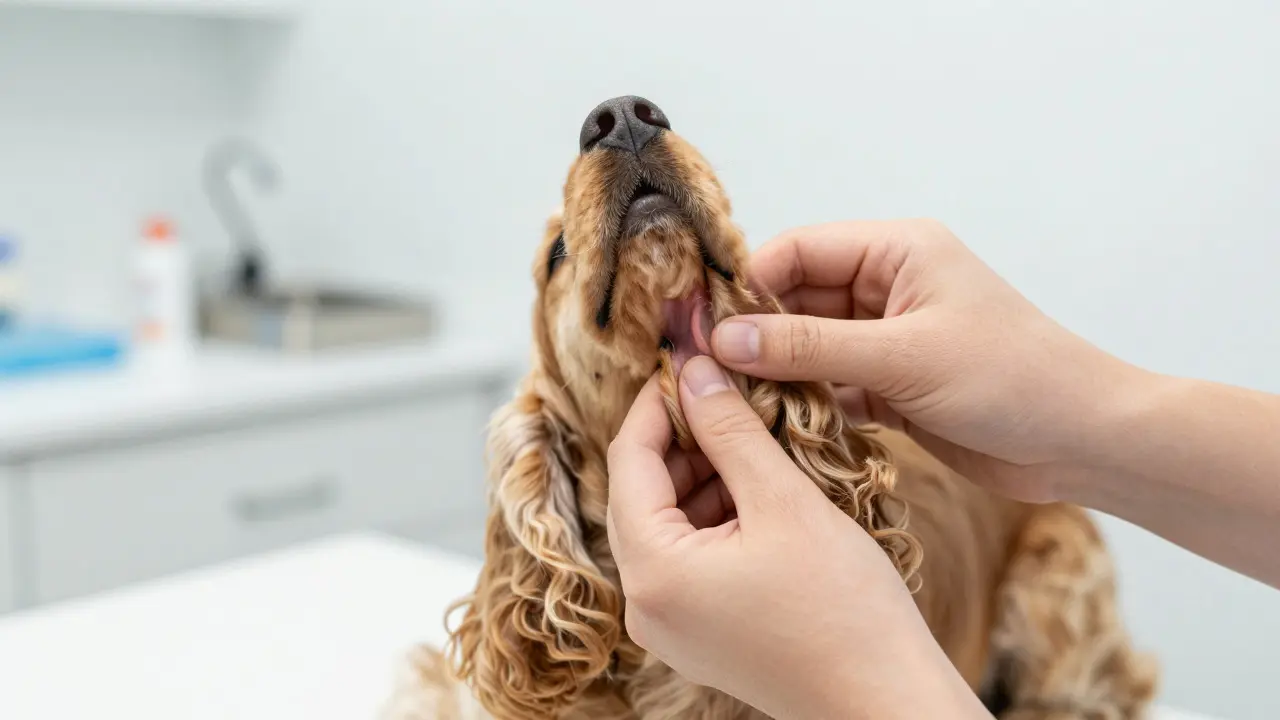
That distinct, pungent smell coming from your dog’s head isn’t just bad hygiene. It is a signal. Dog ear odor is a common clinical sign that often indicates underlying issues ranging from simple yeast overgrowth to serious bacterial infections or even foreign bodies. While a faint scent after a swim might be normal, persistent smells require attention. Understanding what specific odors mean can help you decide when to clean at home and when to call the vet.
The Scent Spectrum: Decoding Specific Smells
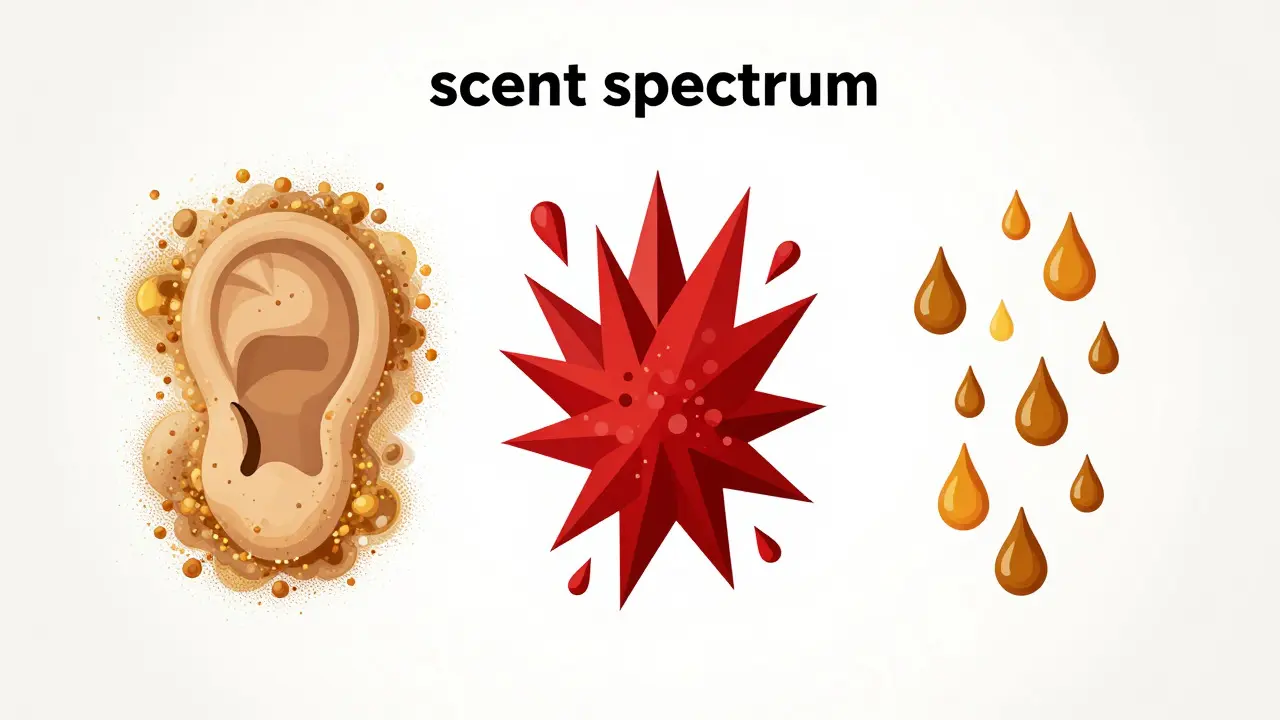
Not all smelly ears are created equal. The type of smell tells you a lot about the culprit behind the irritation. Here is how to interpret the nose test:
- Fermented or Yeasty: This smells like old bread, beer, or wet socks. It usually points to a yeast infection, specifically involving Malassezia pachydermatidis. These infections thrive in warm, moist environments and are extremely common in dogs with floppy ears.
- Pungent or Rancid: A sharp, sour, or rotting meat smell often signals a bacterial infection. Bacterial otitis externa involves bacteria like Pseudomonas aeruginosa or Staphylococcus intermedius. If the smell is overwhelming, it may indicate a secondary infection complicating an allergic reaction.
- Sweet or Honey-like: Sometimes, a surprisingly sweet smell accompanies heavy wax buildup. This is often associated with excessive cerumen production, which can trap moisture and lead to future infections.
- Bloody or Metallic: A copper-like scent suggests bleeding inside the canal. This could result from trauma, aggressive scratching, or a ruptured eardrum if the infection has progressed deep into the middle ear.
Why Do Dog Ears Smell? The Root Causes
Odor is rarely the primary problem; it is a byproduct of what is happening in the ear canal. The ear canal is designed to be self-cleaning, but several factors disrupt this process.
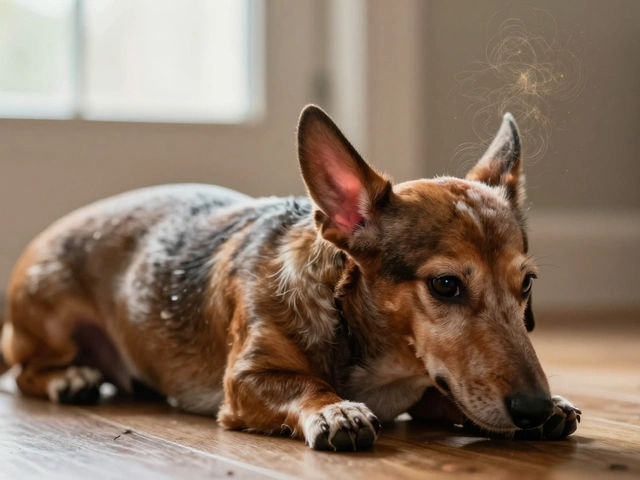
Allergies are the leading driver. Food allergies (like chicken or beef sensitivities) or environmental allergies (pollen, dust mites) cause inflammation. Inflamed tissue produces more oil and wax, creating a perfect breeding ground for microbes. When the skin barrier breaks down due to itching, bacteria and yeast move in, multiplying rapidly and releasing volatile organic compounds that we perceive as bad smells.
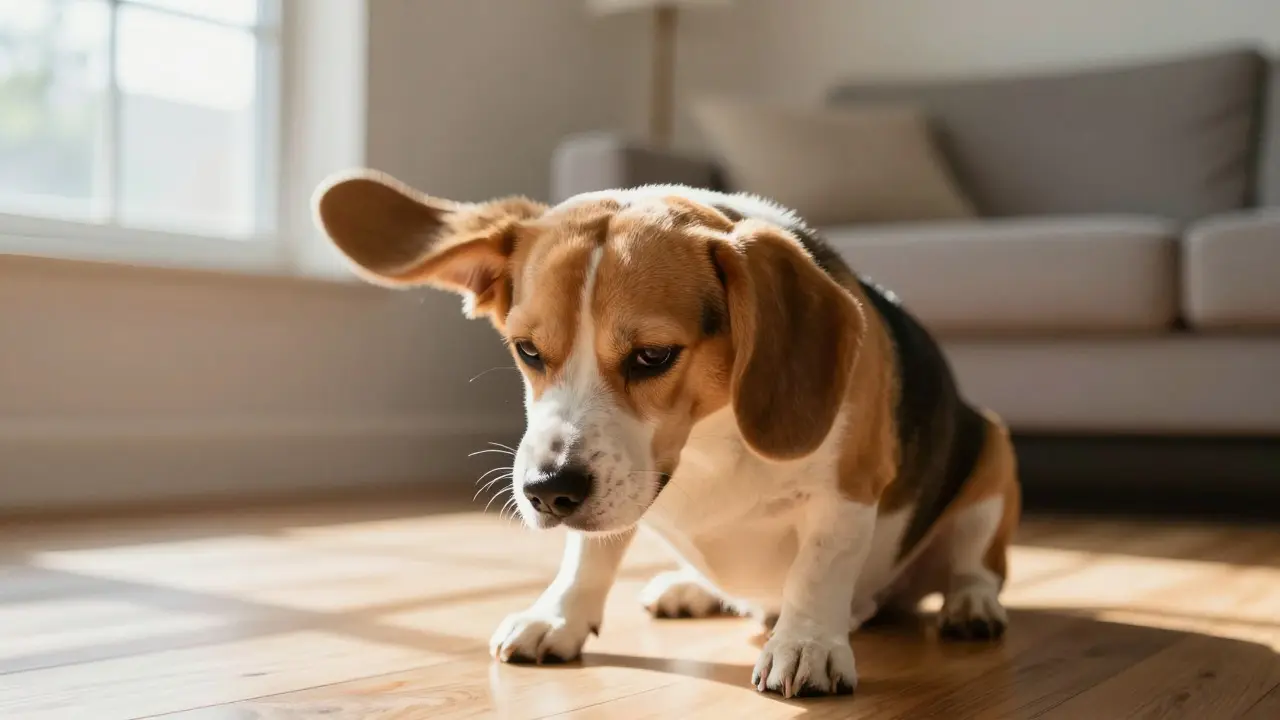
Anatomy plays a huge role. Breeds with pendulous ears, such as Cocker Spaniels, Beagles, and Basset Hounds, have less airflow in their vertical ear canals. This trapped humidity allows pathogens to flourish. In contrast, short-eared breeds like Boxers or Bulldogs may suffer from narrow canals that trap debris differently.
Foreign bodies are another sneaky cause. Grass seeds, ticks, or small insects can get lodged deep in the canal. As they decompose or irritate the tissue, they create a foul odor that often mimics a severe infection until a vet removes the object under sedation.
Home Care vs. Vet Intervention
You don’t need a microscope to determine if your dog needs professional help, but you do need to know the difference between maintenance and treatment.
| Scenario | Action | Key Indicator |
|---|---|---|
| Light wax, no redness, mild scent | Weekly cleaning with vet-approved solution | Ear looks pink, dog tolerates touch |
| Heavy discharge, strong odor, head tilt | Vet visit immediately | Signs of pain, balance issues, or fever |
| Recurring infections (more than twice a year) | Diagnostic workup for allergies | Pattern of relapse despite treatment |
| Bleeding or swelling | Vet visit urgently | Visible blood, hot ears, crying when touched |
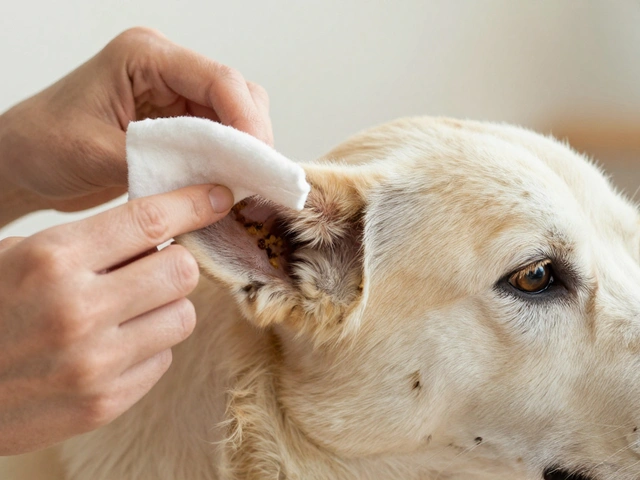
If you choose to clean at home, use a gentle, pH-balanced ear cleaner. Avoid cotton swabs (Q-tips) deep in the canal, as they pack wax further down and can scratch delicate tissue. Instead, use a soft cloth or gauze to wipe the visible outer ear. If the smell persists for more than three days after cleaning, stop and see a professional.
Diagnosis and Treatment Options
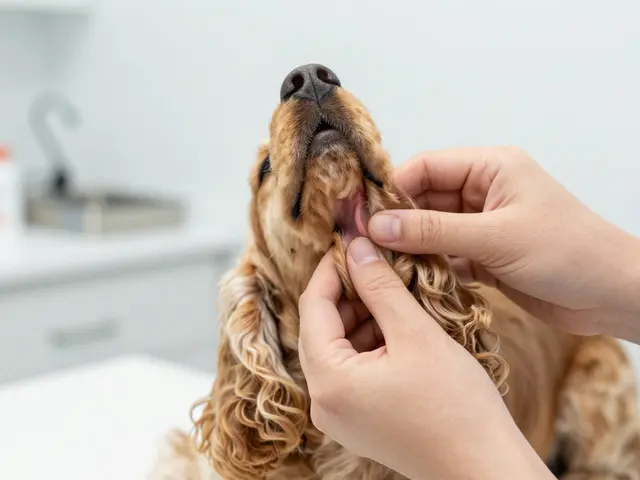
When you bring your dog to the clinic, the veterinarian will perform an otoscopic exam. They look for redness, swelling, discharge, and intact eardrums. Often, they take a sample of the discharge for cytology. This lab test identifies whether the issue is bacterial, yeast, or both, and determines if the organisms are resistant to standard antibiotics.
Treatment depends on the diagnosis:
- Topical Medications: Ear drops containing antifungals (for yeast) or antibacterials (for bacteria). These are applied daily for two to four weeks.
- Oral Antibiotics/Antifungals: Used if the infection has spread to the middle ear (otitis media) or if topical treatments aren't effective.
- Allergy Management: Dietary elimination trials, immunotherapy shots, or medications like Apoquel or Cytopoint to reduce the underlying inflammation.
- Surgery: In chronic cases where the ear canal is permanently narrowed or scarred, a total ear canal ablation (TECA) may be recommended to remove the source of recurring infections.
Prevention Strategies for Healthy Ears
Preventing odor starts with preventing moisture and inflammation. After swimming or bathing, dry your dog’s ears thoroughly with a towel. For long-haired dogs, consider trimming hair around the ear opening to improve airflow, but avoid plucking hair inside the canal unless directed by a vet, as this causes irritation.
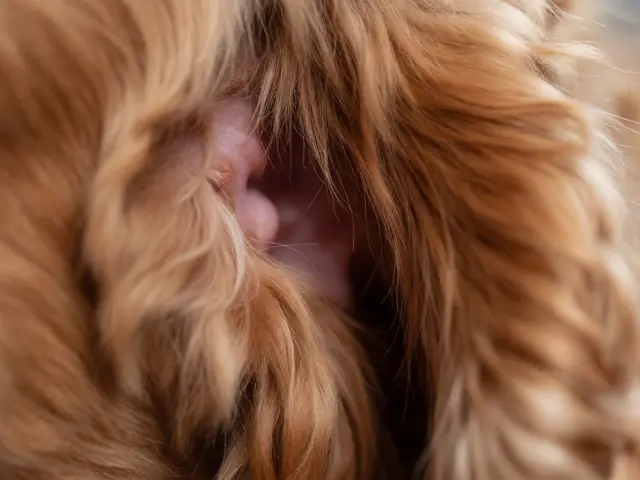
Regular inspection is key. Lift the flap once a week. Check for color changes, discharge, or unusual smells. Early detection prevents minor irritations from becoming painful, expensive infections. If your dog has a known allergy, strict management of triggers is the most effective way to keep their ears quiet and odor-free.
Frequently Asked Questions
Is it normal for my dog's ears to smell a little?
A very faint, neutral scent is normal. However, any noticeable yeasty, sour, or rancid smell indicates an imbalance in the ear flora and should be addressed. If the smell lingers after a gentle wipe-down, consult your vet.
Can I use hydrogen peroxide to clean my dog's ears?
Generally, no. Hydrogen peroxide is harsh and can damage the delicate skin of the ear canal, especially if there is already an infection. Stick to veterinary-approved ear cleaners that are buffered to match the ear's natural pH.
How long does it take for ear odor to go away after treatment?
Usually, the odor diminishes within 3 to 5 days of starting appropriate medication. If the smell persists beyond one week, the treatment may not be targeting the correct pathogen, or the underlying cause (like allergies) hasn't been managed.
Do floppy-eared dogs always have worse ear problems?
They are predisposed due to reduced airflow, but it doesn't guarantee problems. Proper grooming, drying after water exposure, and regular checks can keep floppy-eared dogs' ears healthy and odor-free.
What if my dog shakes its head constantly?
Constant head shaking is a sign of itchiness or pain. Combined with odor, it strongly suggests an active infection or foreign body. It is a clear indicator that home cleaning alone is insufficient and a vet visit is necessary.