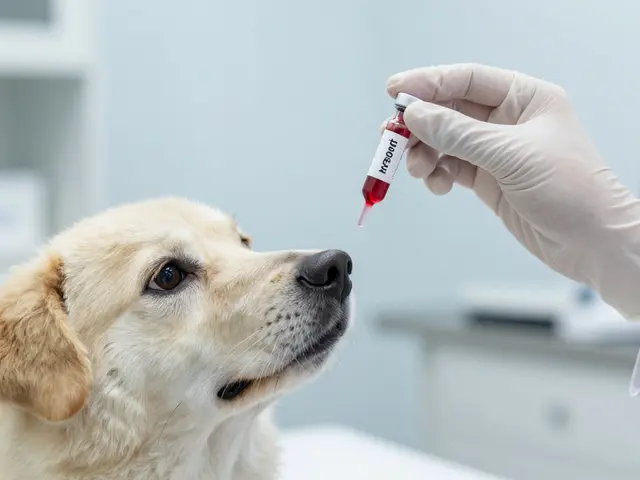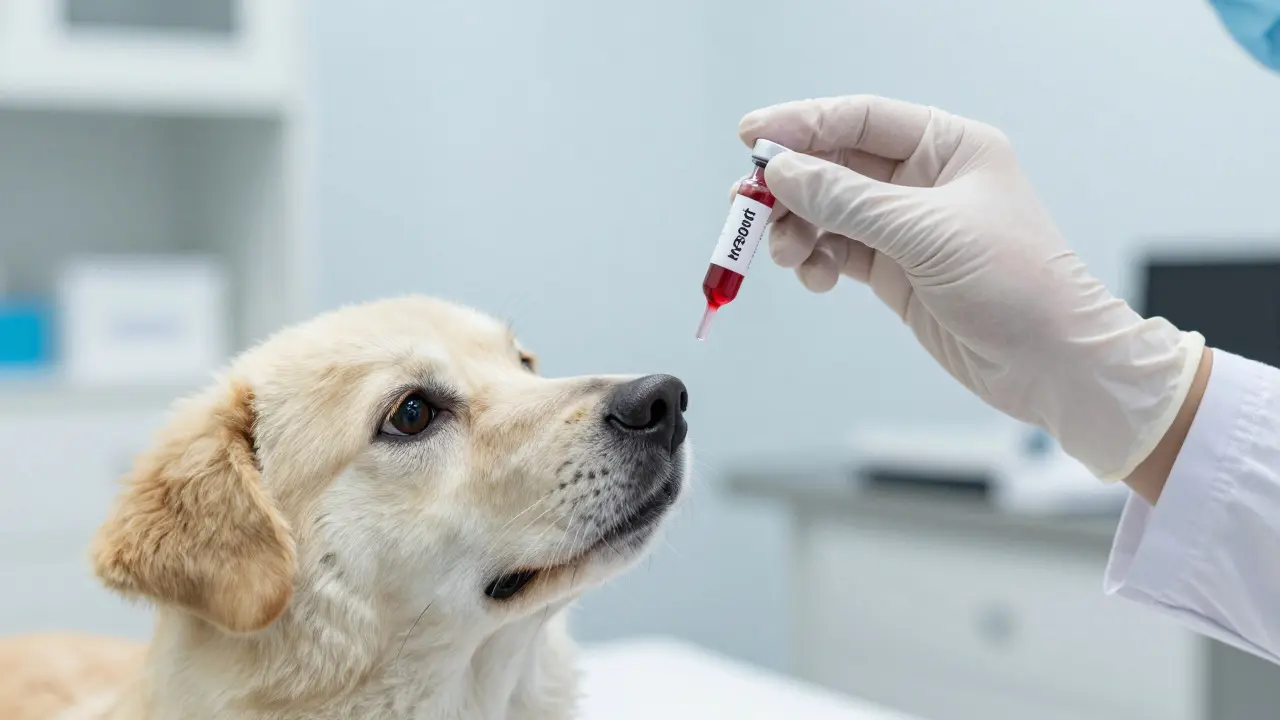
Imagine your vet pulling out a blood test result that shows tiny worms in your dog’s bloodstream. It’s a scary moment, but here is the good news: Heartworm is treatable. In fact, if caught early, most dogs recover fully. The key isn’t just the medicine; it’s understanding the strict rules around rest and timing. If you are facing this diagnosis right now, take a deep breath. This guide breaks down exactly how the treatment works, what it will cost you, and how to keep your dog safe during the recovery period.
Understanding the Heartworm Life Cycle and Diagnosis
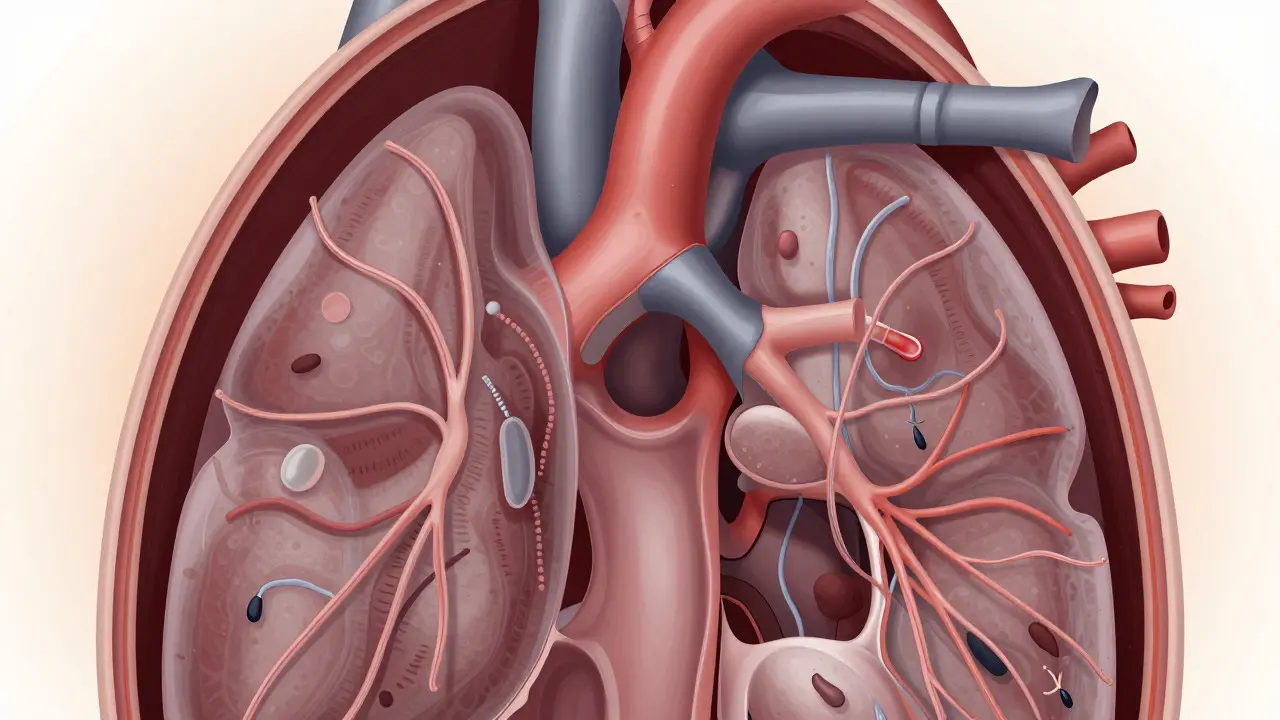
Dirofilaria immitis is the scientific name for the parasite that causes heartworm disease in dogs. These parasites live in the pulmonary arteries and the right side of the heart. They don’t just sit there; they grow up to six inches long. When a mosquito bites an infected dog, it picks up microscopic larvae called microfilariae. When that same mosquito bites your dog, it injects those larvae into the skin. Over the next six months, these larvae migrate through the body until they reach the lungs and heart, where they mature into adult worms.
Diagnosis usually starts with a simple blood test. Vets look for two things: antibodies to the worm or the actual microfilariae circulating in the blood. However, not every positive test means active infection. Sometimes, old infections leave antibodies behind even after the worms are gone. That is why vets often follow up with a quantitative antigen test or even an ultrasound to see the physical presence of the worms. Accurate diagnosis matters because treating a dog with no active infection can still cause unnecessary stress and expense.
The Standard Treatment Protocol: Step by Step
Treating heartworm is not like giving a pill for fleas. It is a multi-month process designed to kill the adult worms slowly. Why slowly? Because if you kill them all at once, the dead worms can block blood flow in the lungs, leading to a condition called thromboembolism. The standard protocol involves three main phases: stabilization, adulticide therapy, and removal of remaining larvae.
- Stabilization (Weeks 1-4): Before killing any worms, your dog needs to be calm. You will likely start a preventive medication like ivermectin or milbemycin oxime to stop new infections from starting. Your vet may also prescribe steroids to reduce inflammation and antibiotics to fight secondary bacterial infections in the lungs. During this time, exercise must be strictly limited. Think of it as house arrest. No fetch, no long walks. Just short leash walks for bathroom breaks.
- Adulticide Therapy (Weeks 5-8): This is the core of the treatment. The drug used is melarsomine dihydrochloride, commonly known as Immiticide. It is given as injections deep into the muscles. The first two doses are given one month apart. A third dose is sometimes given one month after the second, depending on the severity of the infection and your vet’s recommendation. After each injection, your dog needs to stay home and rest. Any vigorous activity can cause the dying worms to break apart and clog the pulmonary arteries.
- Microfilaricide Therapy (Weeks 9-10): Once the adult worms are dead, you need to get rid of the microscopic offspring floating in the blood. This step uses drugs like doxycycline (which weakens bacteria inside the worms) or specific microfilaricides. This step is crucial because if you skip it, your dog could remain infectious to mosquitoes for another year.
What Does Heartworm Treatment Cost?
Let’s talk numbers, because this is often the biggest shock for pet owners. The total cost varies widely based on your location, the size of your dog, and whether complications arise. On average, expect to pay between $500 and $1,200 for the full protocol in the United States. Here is a rough breakdown of where that money goes:
| Service Item | Estimated Cost Range | Notes |
|---|---|---|
| Initial Blood Tests & Exam | $50 - $100 | Includes antigen test and basic physical |
| Preventive Medication (3-6 months) | $30 - $100 | Monthly chewables or topical treatments |
| Melarsomine Injections (2-3 doses) | $300 - $600 | Cost varies by dog weight; larger dogs cost more |
| Supportive Care (Steroids/Antibiotics) | $100 - $200 | Doxycycline and prednisone courses |
| Follow-up Testing | $50 - $100 | To confirm clearance after treatment |
| Total Estimated | $530 - $1,100 | Excludes emergency care for complications |
If your dog has severe lung damage or requires hospitalization for breathing issues, add several hundred dollars to that total. Pet insurance often covers this, but only if you had a policy before the diagnosis and waited out the waiting period. If you don’t have insurance, ask your vet about payment plans. Many clinics offer CareCredit or similar financing options.
Care at Home: The Rest Rule is Non-Negotiable
You might think, “My dog seems fine, can he go for a run?” Do not let him. This is the most common reason treatment fails. When the adult worms die, their bodies fragment. If your dog runs, jumps, or gets excited, the increased blood flow can push these fragments into smaller blood vessels in the lungs. This leads to coughing, labored breathing, and potentially fatal blockages.
- Exercise Limits: For the first month after the first injection, limit walks to 10-15 minutes on a leash. No off-leash time. No stairs if possible. Keep your dog indoors.
- Environment: Create a quiet, comfortable space. Use baby gates to block access to stairs or high-energy areas like the kitchen where guests might visit.
- Monitoring: Watch for signs of distress. Normal symptoms include mild lethargy and a slight cough. Red flags include rapid breathing, blue gums, or collapse. If you see these, call your vet immediately.
- Medication Adherence: Give doxycycline and steroids exactly as prescribed. Missing doses can reduce the effectiveness of the treatment and increase the risk of side effects.

Prevention: Cheaper Than Cure
The best way to handle heartworm is to never get it in the first place. Prevention is incredibly cheap compared to treatment. Monthly preventives like heartgard or simparica tricho cost between $10 and $20 per month. That is less than the price of a movie ticket. These medications kill the larvae before they can mature into adult worms. Even if a mosquito bites your dog, the preventive stops the cycle.
Don’t skip months. Consistency is key. Also, remember that prevention protects against other parasites too, like roundworms and hookworms, which many modern preventives cover. If you travel to an area with high mosquito activity, double-check your local vet’s advice on extra precautions.
Frequently Asked Questions
How long does heartworm treatment take?
The standard protocol takes about 6 to 7 months. The first phase of stabilization lasts 4 weeks. Then, you wait a month between the first two melarsomine injections. A third injection may be required, adding another month. Finally, microfilaricide therapy and final testing take another 2-3 weeks. So, plan for roughly half a year of restricted activity.
Can my dog catch heartworm again after treatment?
Yes, absolutely. Treatment kills the current infection, but it does not provide lifelong immunity. Once the treatment is complete, you must start monthly preventive medication immediately. Without prevention, your dog is vulnerable to reinfection within 6 months of a mosquito bite.
Is heartworm treatment dangerous for senior dogs?
It carries higher risks for older dogs, especially if they have pre-existing heart or kidney issues. Senior dogs may require slower protocols or additional monitoring. Always discuss your dog’s age and health history with your vet before starting treatment. They may adjust the dosage or schedule to minimize stress on the body.
Do I need to isolate my dog from other pets during treatment?
No, heartworm is not contagious directly from dog to dog. It spreads via mosquitoes. However, if your other pets are not on preventives, they should be tested and treated separately. Keeping the sick dog isolated helps ensure they get the necessary rest without being tempted to play with energetic siblings.
What happens if I miss a dose of preventive medication?
One missed dose doesn’t guarantee infection, but it creates a window of vulnerability. Mosquitoes can bite anytime. If you miss a dose, give the next one as soon as you remember, but don’t double up unless your vet says so. Set a phone reminder or use an auto-ship service to avoid lapses. Consistency is the only way to stay protected.