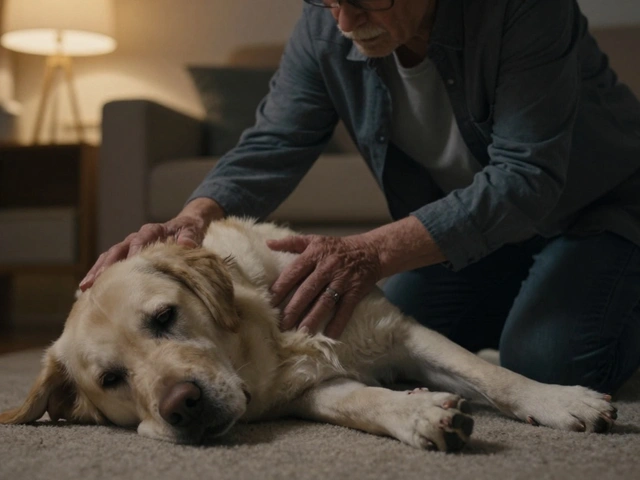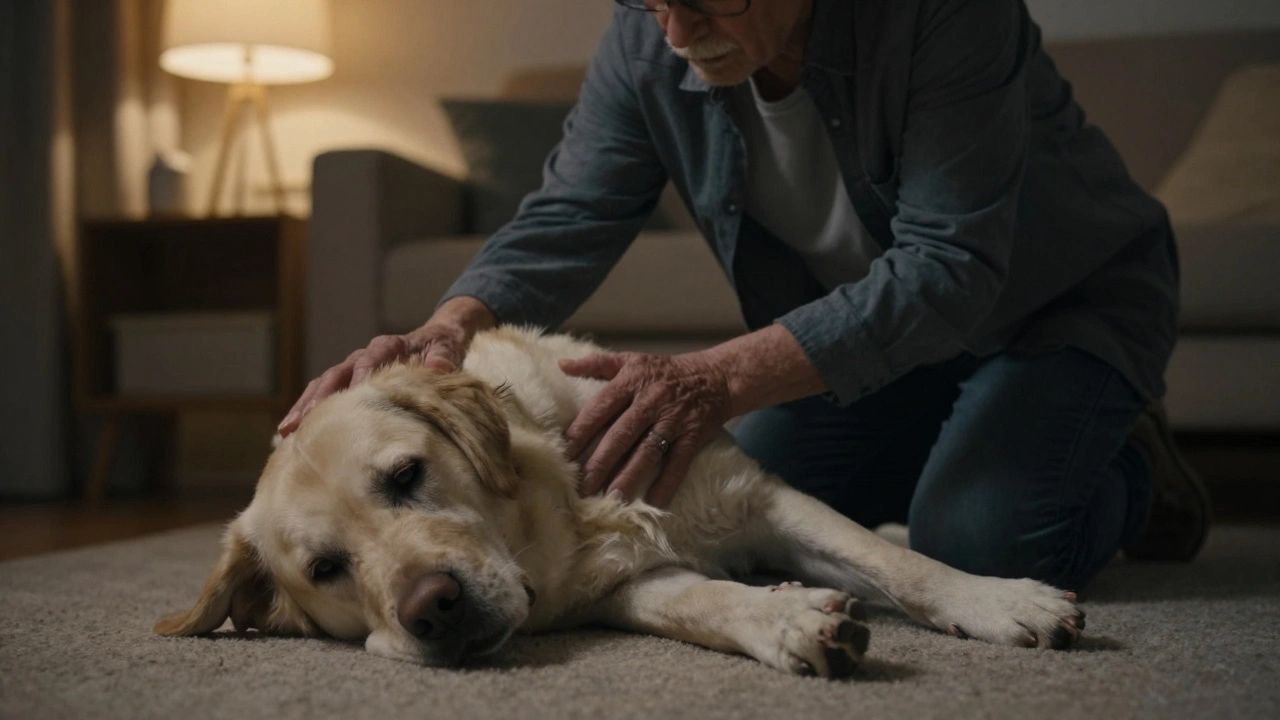
Does your older dog seem restless at night? Are they straining to pee but producing only a few drops? If you’ve noticed these changes, it’s time to pay attention. Urinary tract issues are common medical conditions in aging dogs that involve infections or blockages in the bladder and urethra. These problems aren’t just uncomfortable; they can become life-threatening if ignored.
As dogs age, their immune systems weaken, and organs like the kidneys and bladder don’t work as efficiently. This makes them prime targets for bacteria and mineral buildup. You might think it’s just part of getting old, but canine lower urinary tract disease is highly treatable when caught early. The key is knowing what to look for before it becomes an emergency.
Recognizing the Early Warning Signs
You know your dog better than anyone. Small changes in behavior often signal bigger health issues. With urinary tract infections (UTIs), the signs are usually obvious once you start looking for them. Your senior dog may suddenly have accidents inside the house, even if they were previously house-trained. This isn’t disobedience; it’s a loss of bladder control caused by irritation.
Watch for these specific behaviors:
- Frequent urination: They go out every hour or more, sometimes just to stand there.
- Straining without output: They hunch over and push, but little comes out. This is a major red flag.
- Blood in urine: The urine looks pink, red, or cloudy. Even a slight tint means something is wrong.
- Licking the genital area: Constant licking indicates pain or itching at the source of the problem.
- Strong odor: Healthy urine has a mild smell. Infected urine smells foul, like ammonia or rotting eggs.
If your male dog stops peeing entirely, this is a medical emergency. A blocked urethra can rupture the bladder within hours. Don’t wait until morning. Go to an emergency vet immediately.
Understanding the Culprits: Infections vs. Stones
Not all urinary issues are the same. Treating a stone with antibiotics won’t help, and treating an infection with surgery is unnecessary. You need to know which one is causing the trouble.
Urinary tract infections happen when bacteria enter the bladder. In young dogs, the body fights them off easily. In seniors, especially those with diabetes, Cushing’s disease, or kidney disease, bacteria thrive. E. coli is the most common offender, followed by Staphylococcus and Streptococcus. These bugs multiply quickly, inflaming the bladder lining and causing pain.
Bladder stones, also known as uroliths, are hard mineral deposits that form in the bladder. Think of them like kidney stones in humans. They develop when the urine becomes too concentrated with certain minerals. The type of stone matters because each requires a different diet and treatment strategy.
| Stone Type | Composition | Risk Factors | Treatment Approach |
|---|---|---|---|
| Struvite | Magnesium ammonium phosphate | Recurring UTIs, alkaline urine | Antibiotics + Acidifying Diet |
| Calcium Oxalate | Calcium and oxalate crystals | Genetics, high calcium intake | Surgery or Dissolution Diet (Limited) |
| Urate | Uric acid salts | Dalmatians, Porties, liver shunts | Low-Purine Diet + Allopurinol |
| Cystine | Amino acid cystine | Genetic defect (Basset Hounds, Beagles) | Alkalinizing Diet + Medication |
Notice how Struvite stones are linked to infections? That’s why vets always test for bacteria first. If you treat the infection, the stones might dissolve on their own. But Calcium Oxalate stones do not dissolve with diet alone. They usually require surgical removal.
The Diagnostic Process: What to Expect at the Vet
When you bring your senior dog in, the vet won’t guess. They’ll run a series of tests to pinpoint the cause. This step is crucial because giving the wrong medication can make things worse.
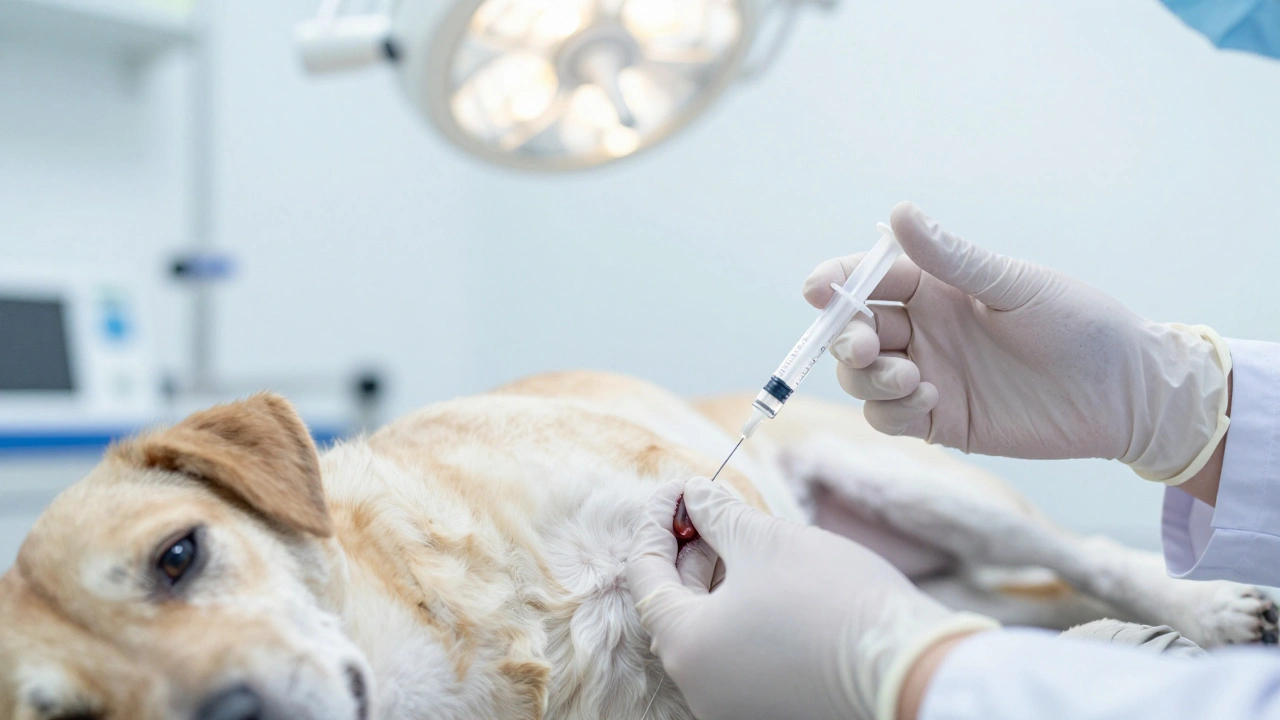
First, they’ll perform a urinalysis. This simple test checks the pH level, concentration, and presence of blood, bacteria, or crystals. It’s quick and non-invasive. However, a clean sample is essential. Vets often use cystocentesis, where they insert a needle directly into the bladder to collect urine. It sounds scary, but it’s safe and provides the most accurate results.
Next, imaging is key. An X-ray reveals radiopaque stones like Struvite and Calcium Oxalate. But some stones, like Urate, are radiolucent-they don’t show up on X-rays. In those cases, an ultrasound is necessary. Ultrasound also helps detect tumors or structural abnormalities in the bladder wall.
If stones are found, the vet may send a sample to a lab for culture and sensitivity testing. This identifies the exact bacteria causing the infection and determines which antibiotic will kill it effectively. Skipping this step often leads to recurring infections because the wrong drug was used.
Treatment Strategies: From Medication to Surgery
Once the diagnosis is clear, the treatment plan depends on the severity and type of issue. For uncomplicated UTIs, a course of antibiotics lasting 10-14 days is standard. It’s vital to finish the entire prescription, even if your dog seems better after three days. Stopping early allows resistant bacteria to survive and bounce back stronger.
For Struvite stones, dissolution therapy is often successful. By switching to a prescription diet that acidifies the urine, you can break down the stones over several weeks. Regular follow-up X-rays ensure the stones are shrinking. If they don’t dissolve, or if they’re causing blockages, surgery becomes necessary.
Cystotomy is the surgical procedure to remove bladder stones. It involves making an incision in the abdomen and bladder to extract the stones. While it sounds invasive, recovery is typically smooth, with most dogs returning to normal activity within two weeks. Modern minimally invasive techniques, like laser lithotripsy, are becoming more available but are not yet standard everywhere.
In cases of recurrent infections or anatomical defects, long-term management is required. This might include low-dose antibiotics, probiotics to support gut and urinary health, or supplements like D-mannose to prevent bacteria from sticking to the bladder wall.
Diet and Lifestyle Adjustments for Senior Dogs
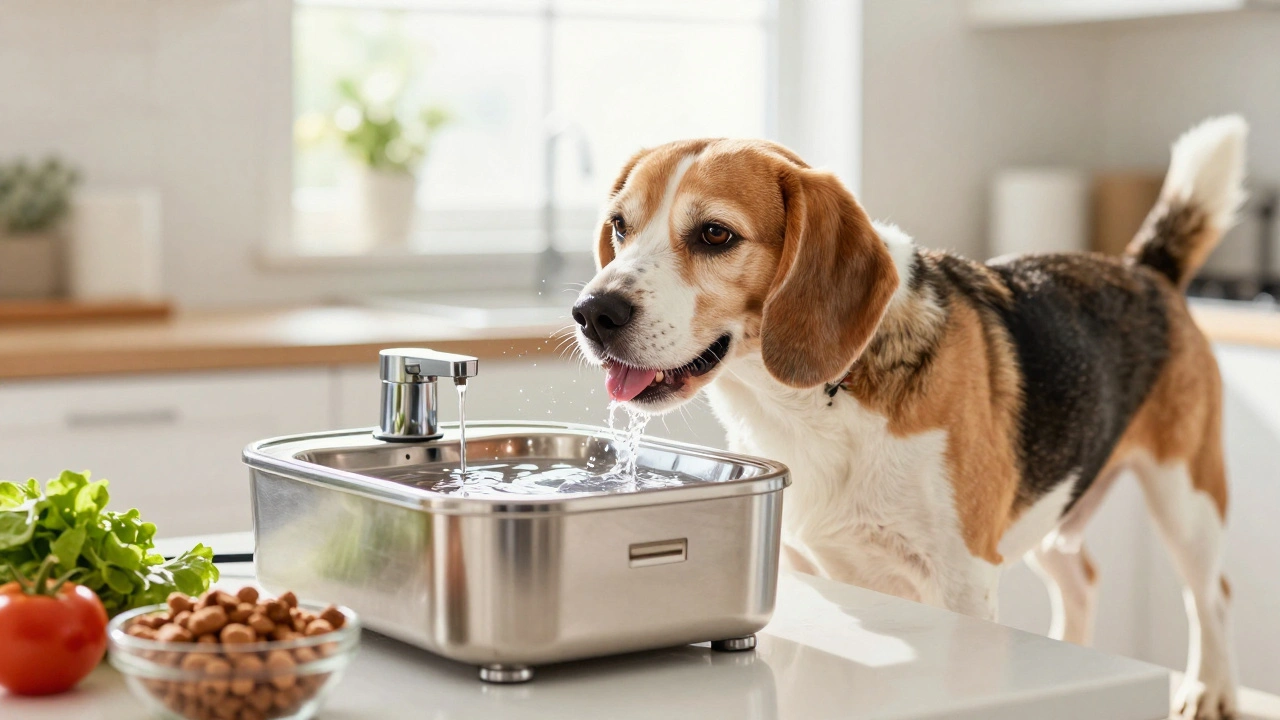
Prevention is cheaper and less stressful than surgery. Once your dog is healthy, keeping them that way requires consistent care. Water intake is the single most important factor. Dilute urine flushes out bacteria and prevents crystal formation. Encourage drinking by adding wet food to their diet or using a water fountain.
Monitor their weight carefully. Obesity puts extra pressure on the bladder and joints, making it harder for them to posture correctly. Aim for lean muscle mass through controlled portions and gentle exercise. Short, frequent walks help maintain mobility and encourage regular bathroom breaks.
Avoid human foods high in magnesium and phosphorus, such as dairy products and processed meats. These can contribute to stone formation. Instead, focus on high-quality proteins and vegetables approved by your vet. Some owners find success with cranberry supplements, but evidence is mixed. Always consult your vet before adding any supplement to avoid interactions with existing medications.
When to Seek Emergency Care
Some situations cannot wait. If your dog is vomiting, lethargic, or pale, their system is under severe stress. A complete urinary blockage causes toxins to build up in the blood, leading to kidney failure and heart issues within 24-48 hours.
Look for these critical signs:
- No urine output for 12+ hours: This is a blockage until proven otherwise.
- Distended, painful abdomen: Gently touch their belly. If they cry or tense up, the bladder is full and stretched.
- Loss of appetite and vomiting: Toxemia is setting in.
- Weakness or collapse: Electrolyte imbalances are affecting the heart and muscles.
Do not try home remedies for blockages. No amount of massage or herbal tea will unblock a urethra. Immediate veterinary intervention with catheterization or surgery is the only solution.
Long-Term Monitoring and Quality of Life
Living with chronic urinary issues doesn’t mean a poor quality of life. Many senior dogs live happily for years with proper management. Regular check-ups every six months allow vets to catch recurrence early. Urine cultures should be repeated periodically, especially after finishing antibiotics.
Keep a symptom diary. Note frequency, volume, color, and any behavioral changes. This data helps your vet adjust treatments proactively rather than reactively. Also, watch for side effects from long-term medications, such as gastrointestinal upset or liver enzyme changes.
Finally, provide comfort. Orthopedic beds reduce joint pain, making it easier for them to lie down and rest. Potty pads near sleeping areas minimize accidents and reduce stress. Patience and consistency turn a challenging condition into a manageable part of daily life.
How long does it take for a dog UTI to clear up?
Most uncomplicated UTIs improve within 3-5 days of starting antibiotics, but the full course usually lasts 10-14 days. Always finish the prescription to prevent resistance.
Can bladder stones dissolve without surgery?
Only Struvite stones can typically be dissolved with prescription diets and antibiotics. Calcium Oxalate, Urate, and Cystine stones usually require surgical removal.
Why do senior dogs get UTIs more often?
Aging weakens the immune system, and conditions like diabetes or Cushing's disease increase sugar in the urine, feeding bacteria. Weakened bladder muscles also lead to incomplete emptying, allowing bacteria to grow.
Is blood in dog urine always serious?
Yes, it always warrants a vet visit. While it could be a minor infection, it can also indicate stones, tumors, or bleeding disorders. Never ignore hematuria.
What foods should I avoid if my dog has bladder stones?
Avoid high-calcium foods like dairy, excessive meat treats, and table scraps. Follow your vet's prescribed diet strictly, as different stones require different nutritional balances.