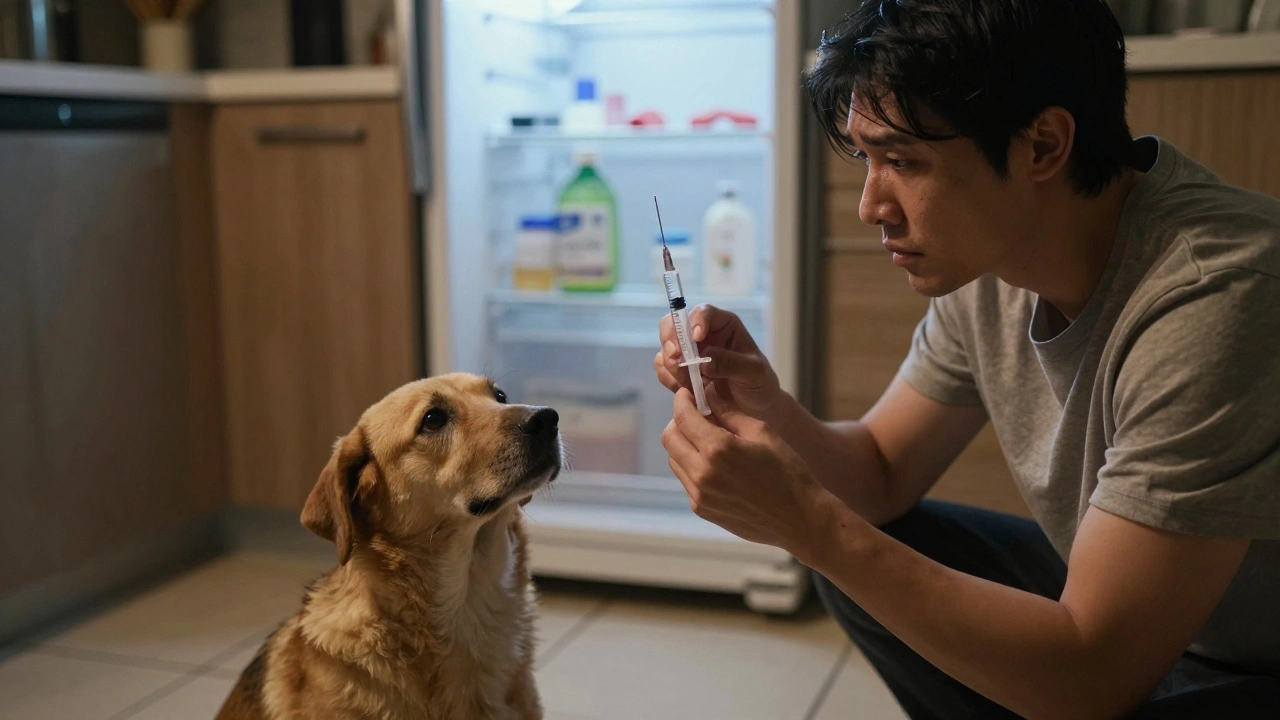
Imagine it’s 2 AM. Your dog just ate something they shouldn’t have-maybe a sock, a piece of chocolate, or a toxic plant leaf. Panic sets in. You rush to the kitchen cabinet and see that bottle of 3% Hydrogen Peroxide is a common household antiseptic solution often used in veterinary first aid to induce vomiting or clean wounds. It seems like the obvious answer. But before you grab a syringe, you need to know one crucial thing: using this chemical incorrectly can cause more harm than good.
Hydrogen peroxide is a staple in many home first aid kits, but its role in canine care is specific and sometimes dangerous. It is not a general-purpose cleaner for your pet, nor is it a cure-all for stomach upset. When used correctly under professional guidance, it can be a life-saving tool. Used wrongly, it can lead to severe tissue damage or aspiration pneumonia. This guide breaks down exactly when, how, and why you might use hydrogen peroxide for your dog, ensuring you stay safe and informed.
When to Use Hydrogen Peroxide for Inducing Vomiting
The most well-known use of hydrogen peroxide in dog first aid is to induce vomiting after ingestion of a non-corrosive toxin. However, this is not a DIY procedure you should attempt without expert advice. The decision to induce vomiting depends entirely on what the dog ate, how much time has passed, and the dog’s current health status.
You should only consider this method if:
- Veterinary Advice: A veterinarian or an animal poison control center explicitly instructs you to do so.
- Time Window: The ingestion happened within the last two hours. After this window, the substance may have already moved into the intestines, where vomiting won’t help.
- Toxin Type: The ingested item is not corrosive (like bleach or drain cleaner) or sharp (like bones or glass). Vomiting these items can tear the esophagus on the way back up.
- Dog’s Condition: Your dog is conscious, alert, and able to swallow. Never force a sedated, seizing, or unconscious dog to vomit.
If any of these conditions are not met, inducing vomiting could be fatal. For example, if a dog eats battery acid, bringing it back up will burn the throat and mouth again. Always call your vet or the ASPCA Animal Poison Control Center (888-426-4435) immediately. They will weigh the risks and give you precise instructions.
How to Safely Administer Hydrogen Peroxide for Vomiting
If a professional tells you to proceed, precision is key. You must use standard household strength, which is 3%. Higher concentrations, such as 6% or 12%, found in some beauty or industrial supplies, can cause severe gastric irritation and ulceration. Do not use these.
- Gather Supplies: Get a 3% hydrogen peroxide bottle, a clean turkey baster or a large syringe (without a needle), and towels. Wear gloves if possible.
- Calculate the Dose: The standard dosage is approximately 1 teaspoon per 10 pounds of body weight, up to a maximum of 3 tablespoons total. If you are unsure of your dog’s weight, err on the side of caution and consult your vet for exact measurements.
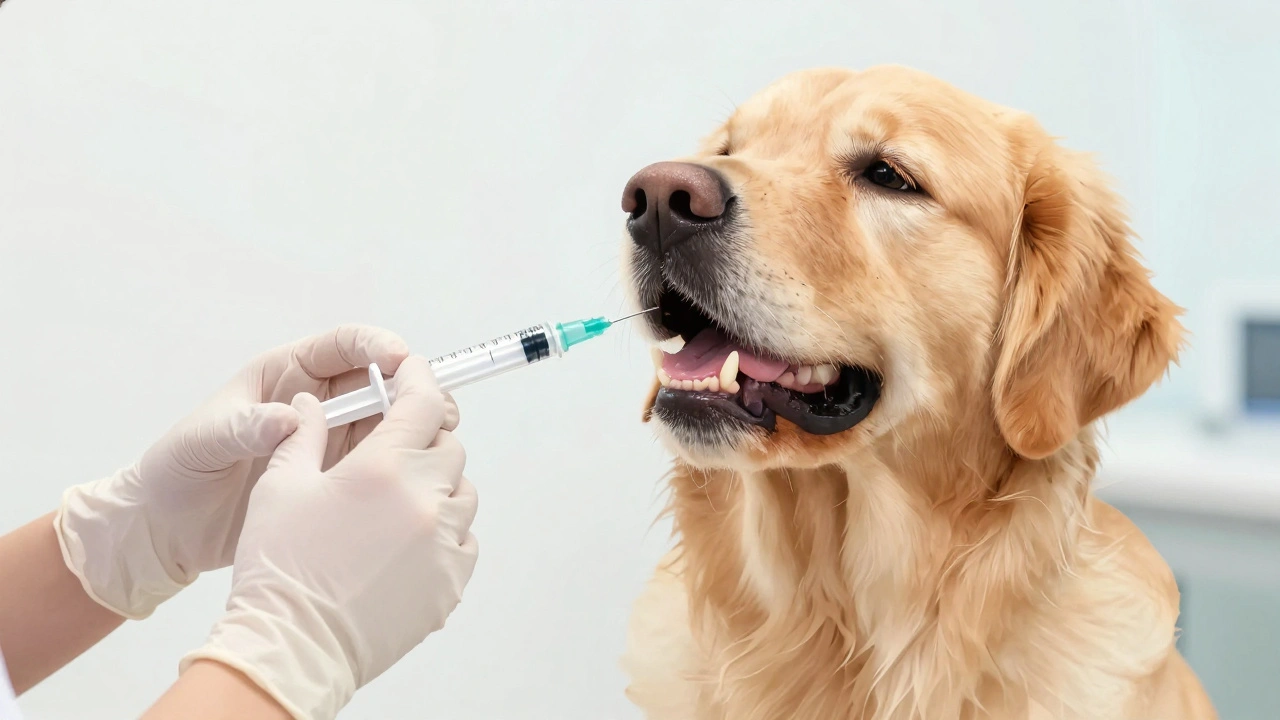
- Administer Carefully: Gently part your dog’s lips. Insert the tip of the syringe or baster along the side of the mouth, aiming toward the back of the cheek. Slowly inject the liquid. Avoid squirting it directly down the throat to prevent choking.
- Walk the Dog: Most dogs will vomit within 10 to 15 minutes. Walk them around the house to stimulate their gag reflex. Keep them upright; do not let them lie flat.
- Repeat if Necessary: If vomiting does not occur after 15 minutes, you may repeat the dose once, but never exceed the maximum total dosage. If still no result, stop and seek immediate veterinary care.
After vomiting, monitor your dog closely. They may feel weak or nauseous. Offer small amounts of water after an hour to rehydrate, but avoid food until the vet says it’s safe. Bring the vomit sample or the packaging of the ingested item to the clinic for analysis.
Risks and Side Effects of Inducing Vomiting
Even when done correctly, inducing vomiting is stressful for a dog and carries inherent risks. Understanding these potential complications helps you make better decisions during an emergency.
| Risk | Description | Prevention/Mitigation |
|---|---|---|
| Aspiration Pneumonia | Vomit enters the lungs instead of exiting the mouth, causing infection. | Keep the dog upright; avoid use in brachycephalic breeds (Pugs, Bulldogs) unless directed by a vet. |
| Gastric Irritation | Burning sensation, nausea, and potential ulceration in the stomach lining. | Use only 3% concentration; do not exceed recommended dosage. |
| Esophageal Damage | Tearing or burning of the esophagus from acidic vomit or sharp objects. | Never induce vomiting for corrosive substances or sharp objects. |
| Dehydration | Loss of fluids through repeated vomiting. | Monitor hydration levels; offer small sips of water after recovery. |
Brachycephalic breeds, such as Pugs, Boxers, and Boston Terriers, are at higher risk for aspiration due to their shortened airways. Vets often advise against home-induced vomiting for these breeds unless absolutely necessary and supervised via video call or telemedicine.
Using Hydrogen Peroxide for Wound Cleaning
While inducing vomiting is a critical emergency measure, hydrogen peroxide is also commonly found in households for cleaning minor cuts and scrapes. However, veterinary consensus has shifted significantly regarding its use on open wounds.
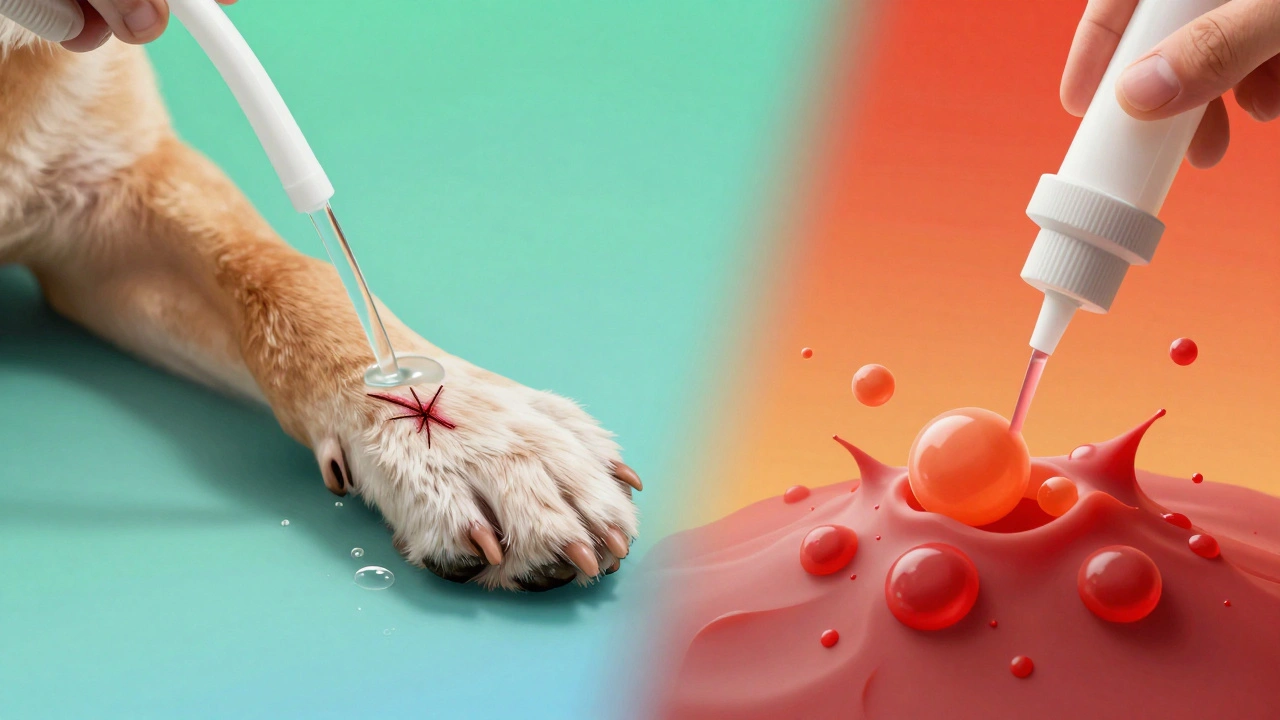
In the past, vets routinely recommended hydrogen peroxide for disinfecting wounds because it kills bacteria effectively. Today, many veterinarians advise against using it on deep or fresh wounds. Why? Because hydrogen peroxide is cytotoxic-it kills healthy cells along with bacteria. This can delay healing and increase scarring.
If you choose to use it for wound care, follow these guidelines:
- Minor Scratches Only: Use it only for superficial, dirty scratches where debris needs to be lifted out.
- Dilution: Mix equal parts 3% hydrogen peroxide and sterile water to reduce irritation.
- Frequency: Use it only once to flush out dirt. Do not use it repeatedly for daily wound care.
- Alternatives: For ongoing care, use saline solution or chlorhexidine, which are gentler on healing tissue.
If a wound is deep, bleeding heavily, or shows signs of infection (redness, swelling, pus), skip the home remedies and go straight to the vet. Proper suturing and antibiotics may be required.
Hydrogen Peroxide for Ear Infections and Dental Care
Some pet owners explore alternative uses for hydrogen peroxide, such as treating ear infections or whitening teeth. These practices are controversial and often discouraged by professionals.
Ear Infections: While hydrogen peroxide can break down wax and debris, it can also irritate the sensitive skin of the ear canal. If your dog has an active infection, the inflammation makes the tissue even more susceptible to damage. Instead of using peroxide, use a vet-approved ear cleaner designed for dogs. These solutions soothe while cleaning, rather than burning.
Dental Hygiene: Swishing hydrogen peroxide in your mouth is a human trend, but it does not translate well to dogs. Dogs cannot spit, so they swallow the solution. Chronic exposure to oxidizing agents can disrupt the oral microbiome and irritate the gums. Stick to enzymatic toothpaste made specifically for pets. It is safer and more effective for preventing plaque buildup.
Safety Precautions and Storage
Keeping hydrogen peroxide safe in your home is just as important as knowing how to use it. Dogs are curious creatures, and an open bottle can lead to accidental ingestion.
- Store Securely: Keep bottles in high cabinets or locked drawers, away from reach of pets and children.
- Check Expiry Dates: Hydrogen peroxide degrades over time, turning into plain water. Expired solutions are ineffective for medical purposes. Check the date before relying on it in an emergency.
- Avoid Mixing: Never mix hydrogen peroxide with vinegar or ammonia. This combination can create harmful gases or irritating compounds.
- Eye Safety: If hydrogen peroxide gets into your dog’s eyes, rinse immediately with copious amounts of lukewarm water or saline solution. Contact a vet promptly, as eye tissue is extremely sensitive.
Always keep the phone number of your local emergency vet clinic handy. In a crisis, seconds count, and having a direct line to professional help can save your dog’s life.
When to Seek Immediate Veterinary Care
Knowing when to stop home treatment and run to the clinic is vital. Even if you successfully induced vomiting, your dog may still need professional care. Watch for these red flags:
- Persistent Vomiting: If your dog continues to vomit beyond the initial episode, they may be dehydrated or have retained toxins.
- Lethargy or Weakness: Extreme tiredness, collapse, or inability to stand indicates systemic toxicity.
- Seizures or Tremors: Neurological symptoms suggest the toxin has affected the brain.
- Difficulty Breathing: Labored breathing, coughing, or blue gums indicate respiratory distress or aspiration.
- Blood in Vomit: While small streaks can happen from irritation, significant blood loss requires immediate attention.
Do not wait to see if symptoms improve. Many toxins, such as xylitol (found in sugar-free gum) or certain plants like lilies, cause rapid organ failure. Early intervention with activated charcoal or antidotes at the clinic is far more effective than home remedies.
Can I use hydrogen peroxide to clean my dog's paws?
Yes, diluted 3% hydrogen peroxide can be used to clean mud or mild irritants off your dog's paws. However, for regular cleaning, warm water and a soft cloth are sufficient and less irritating. Avoid using it on cracked or dry paw pads, as it can delay healing.
What if my dog drinks a small amount of hydrogen peroxide accidentally?
Small amounts of 3% hydrogen peroxide usually cause foaming at the mouth and mild stomach upset. Monitor your dog for vomiting or lethargy. If they ingest a large quantity or show severe symptoms, contact your vet immediately. Do not induce vomiting further unless instructed.
Is hydrogen peroxide safe for puppies?
Puppies are more sensitive to toxins and dehydration than adult dogs. Inducing vomiting in puppies is risky and should only be done under direct veterinary supervision. Their smaller size means dosages are harder to calculate accurately, increasing the risk of overdose.
Can I use hydrogen peroxide for flea treatment?
No, hydrogen peroxide is not an effective flea treatment. It does not kill fleas reliably and can irritate your dog's skin. Use vet-recommended flea preventatives, such as topical treatments, oral medications, or collars, which are proven to be safe and effective.
How long does it take for hydrogen peroxide to make a dog vomit?
Most dogs will vomit within 10 to 15 minutes after administration. If vomiting does not occur after 15 minutes, you may repeat the dose once, provided you have not exceeded the maximum dosage. If there is still no response, seek veterinary care immediately.