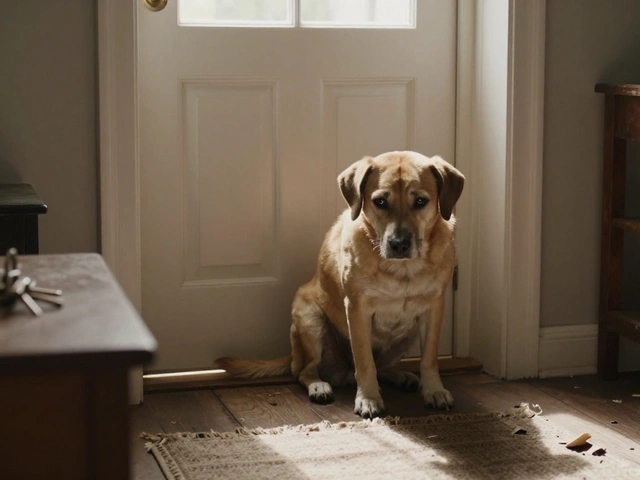
If you have ever come home to a shredded couch, heard your neighbor complain about barking while you were at work, or found your dog trembling with relief when you walked through the door, you know this isn't just "bad behavior." It is a panic attack. Understanding separation anxiety in dogs requires looking past the symptoms to the root causes. Why does one dog nap peacefully for eight hours while another destroys the house after five minutes? The answer lies in biology, history, and environment.
The Biological Roots of Attachment
Dogs are pack animals by evolution. For thousands of years, survival depended on staying close to the group. Being alone meant vulnerability to predators and starvation. While domestication has softened some of these instincts, the biological wiring remains. When a dog with separation anxiety is left alone, their body reacts as if they are facing a life-threatening threat.
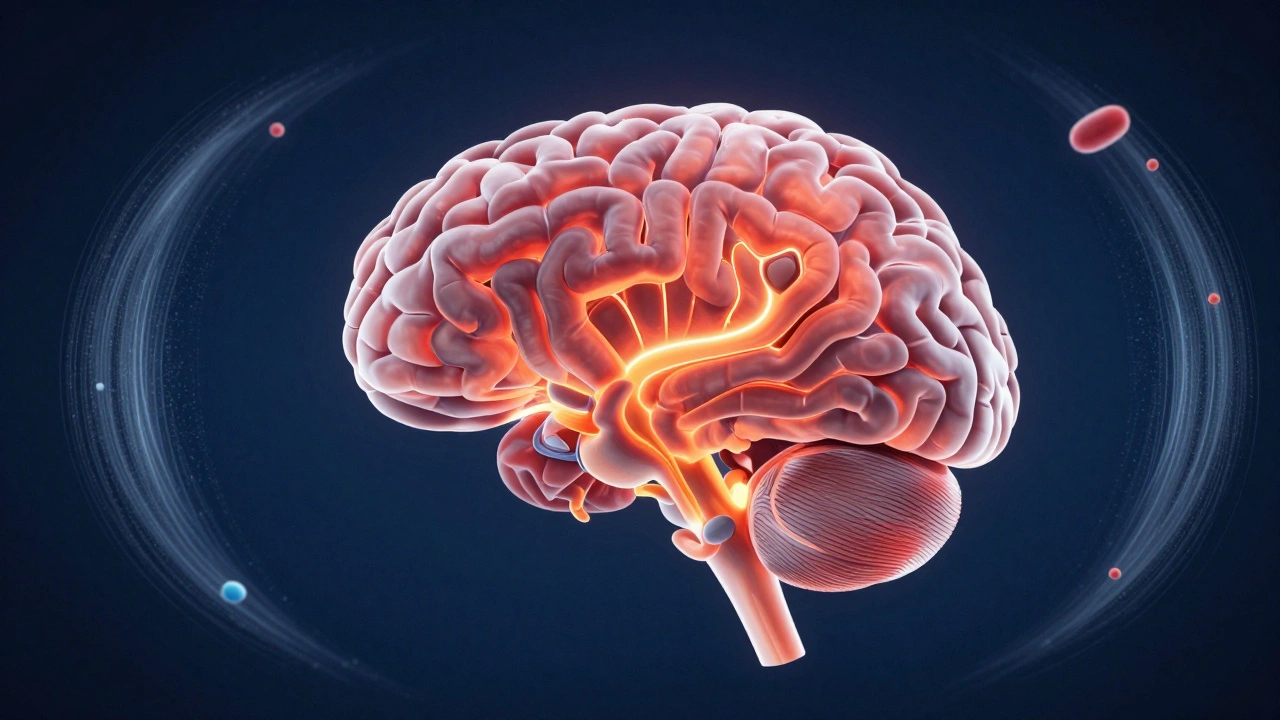
This reaction involves the hypothalamic-pituitary-adrenal (HPA) axis. When the owner leaves, the dog’s brain perceives a sudden loss of safety. Cortisol and adrenaline flood the system. Heart rate spikes, breathing quickens, and the dog enters a state of hyperarousal. This isn't spite; it is physiology. Some breeds, particularly those bred for close human cooperation like Border Collies or Labrador Retrievers, may have a higher genetic predisposition to this intense bonding, making them more susceptible when that bond is broken.
Early Life Trauma and Orphanhood
One of the most significant predictors of separation anxiety is a difficult start in life. Puppies that are removed from their mothers and littermates too early-before eight weeks of age-often lack critical socialization skills. During those first two months, puppies learn bite inhibition, emotional regulation, and how to cope with minor stresses from their siblings. Without this buffer, the world feels much scarier.
Shelter dogs and rescue animals are at a higher risk. Many have experienced abandonment, neglect, or multiple rehoming events. To a dog who has been left behind before, every time you pick up your keys, it confirms their worst fear: "They are leaving me again, and they might not come back." This trauma creates a learned helplessness where the dog believes they cannot control their environment, leading to frantic attempts to escape or self-soothe through destruction.
The Impact of Routine Disruptions
Dogs thrive on predictability. A stable routine provides a sense of security. When that routine is shattered, anxiety can spike. Consider the following common triggers:
- Change in ownership: If a previous owner died or moved away, the new owner represents a temporary comfort. The dog waits for the next disruption.
- Job changes: If an owner suddenly works from home for months and then returns to the office, the dog has adjusted to constant companionship. The sudden return to solitude is jarring.
- Home renovations: Loud noises and unfamiliar workers can create a general state of heightened alertness that bleeds into separation issues.
In these cases, the anxiety isn't necessarily about the owner leaving; it's about the unpredictability of the environment. The dog doesn't know what to expect, so they assume the worst.
Improper Socialization and Confinement Training
How a dog learns to be alone matters immensely. Many well-meaning owners make mistakes during the puppy stage that set the stage for future anxiety. One common error is confining a puppy to a crate for excessive periods without proper conditioning. If a crate becomes a prison rather than a safe den, the dog will associate confinement with stress.
Another mistake is providing too much attention upon departure and arrival. If you spend ten minutes saying goodbye with hugs and tears, then rush out, and return home with a fanfare of excitement, you amplify the emotional significance of the event. The dog learns that departures and arrivals are high-stakes emotional events. Instead, neutral interactions teach the dog that coming and going are normal, uneventful parts of life.
Medical Conditions and Pain
Sometimes, the cause is physical, not psychological. Older dogs may develop Canine Cognitive Dysfunction (CCD), similar to dementia in humans. They may forget where they are or why they are alone, leading to confusion and panic. Thyroid imbalances, neurological disorders, or chronic pain can also lower a dog's threshold for stress. If your dog suddenly develops separation anxiety without any obvious environmental trigger, a veterinary checkup is essential. Treating the underlying medical issue often resolves the behavioral symptoms.
| Trigger / Cause | Underlying Mechanism | Typical Symptom |
|---|---|---|
| Early Weaning (<8 weeks) | Lack of emotional regulation skills | Pacing, whining, inability to settle |
| Previous Abandonment | Trauma response / Fear of recurrence | Destructive behavior, escape attempts |
| Routine Change | Predictability loss | Excessive drooling, house soiling |
| Over-Attachment | Dependency on owner for calm | Shadowing, distress when owner moves rooms |
| Medical Issue (e.g., CCD) | Cognitive decline or pain | Confusion, vocalization, lethargy |

The Role of Environment and Enrichment
A bored dog is an anxious dog. If a dog has nothing to do when you leave, their mind turns inward to their fears. Environmental enrichment plays a crucial role in preventing and managing anxiety. Dogs need mental stimulation. Puzzle feeders, scent work games, and long-lasting chews provide a job for the brain. When the dog is focused on extracting treats from a Kong toy, they are less likely to fixate on the closed door.
Furthermore, the sensory environment matters. Some dogs are sensitive to external stimuli. Barking dogs next door, sirens, or construction noise can heighten arousal levels. If a dog is already on edge due to noise, the owner's departure becomes the final straw. Creating a quiet, predictable space with white noise or calming music can help mask these triggers.
Signs You Are Dealing With True Separation Anxiety
Not all bad behavior when alone is separation anxiety. Sometimes dogs are just destructive or bored. However, true separation anxiety presents with specific signs that occur shortly after departure and are driven by distress:
- House soiling: Urinating or defecating immediately upon being alone, despite being house-trained.
- Vocalization: Continuous barking or howling that starts within minutes of departure.
- Destruction: Focused destruction around exits (doors, windows) or items with the owner's scent.
- Self-injury: Licking paws until bleeding, scratching, or biting themselves.
- Physiological signs: Excessive drooling, panting, or dilated pupils.
If you see these behaviors, especially self-injury or extreme panic, professional help is needed. This is not something that "goes away" on its own. It requires a structured plan involving desensitization, counter-conditioning, and sometimes medication prescribed by a veterinarian.
At what age does separation anxiety typically start in dogs?
Separation anxiety can appear at any age, but it is most common in puppies between 6 months and 2 years old as they become more independent yet still form strong bonds. However, adult dogs can develop it suddenly due to trauma, routine changes, or aging-related cognitive decline.
Is separation anxiety genetic?
While there is no single "anxiety gene," certain traits like high sensitivity and strong attachment styles are heritable. Breeds known for high intelligence and working drives, such as German Shepherds or Vizslas, may be more prone to developing anxiety if their mental and physical needs are not met.
Can crate training cause separation anxiety?
Yes, if done incorrectly. If a crate is used as punishment or if the dog is confined for too long without positive association, they will fear the crate. Proper crate training involves making the crate a safe, comfortable den with treats and toys, never forcing the dog inside against their will.
What is the difference between boredom and separation anxiety?
Boredom usually results in random destruction, like chewing a shoe found under the sofa. Separation anxiety is focused and frantic, often targeting doors, windows, or items with the owner's scent. Anxious dogs also show physiological signs like drooling, pacing, and house soiling immediately after the owner leaves.
Do older dogs get separation anxiety?
Yes. Senior dogs may develop separation anxiety due to Canine Cognitive Dysfunction (dementia), hearing loss, or vision impairment. These conditions can make them confused and fearful when left alone, as they may not recognize their surroundings or remember that their owner will return.