When dogs hit their golden years, their bodies slow down-but their minds don’t have to. Many owners assume that a tired old dog just needs more naps and less activity. But that’s not the whole story. Senior dogs still crave mental engagement, and without it, they can start showing signs of confusion, zoning out, or even anxiety. Think of it like this: if you stopped reading, solving puzzles, or having conversations for months, your mind would feel dull. The same goes for your dog.
Why Cognitive Enrichment Matters for Older Dogs
By age 7 or 8, most dogs enter their senior phase. Around half of all dogs over 11 show signs of canine cognitive dysfunction (CCD), similar to early-stage dementia in humans. Symptoms include staring at walls, forgetting where their food bowl is, getting stuck behind furniture, or changing sleep patterns. These aren’t just quirks-they’re red flags that their brain needs stimulation.
Studies from the University of California, Davis, found that senior dogs who engaged in daily mental activities showed a 40% slower decline in problem-solving skills compared to those who didn’t. It’s not about teaching them new tricks. It’s about keeping pathways active. Just like walking helps their hips, puzzles help their neurons.
Simple Daily Routines That Boost Brain Power
You don’t need fancy equipment or hours of free time. Small, consistent habits make the biggest difference. Here are three routines you can start today:
- Change the walking route-Even if your dog moves slower, take a different path each day. New smells, sounds, and sights trigger neural activity. A 10-minute walk through a new neighborhood is more mentally taxing than a 30-minute loop around the block.
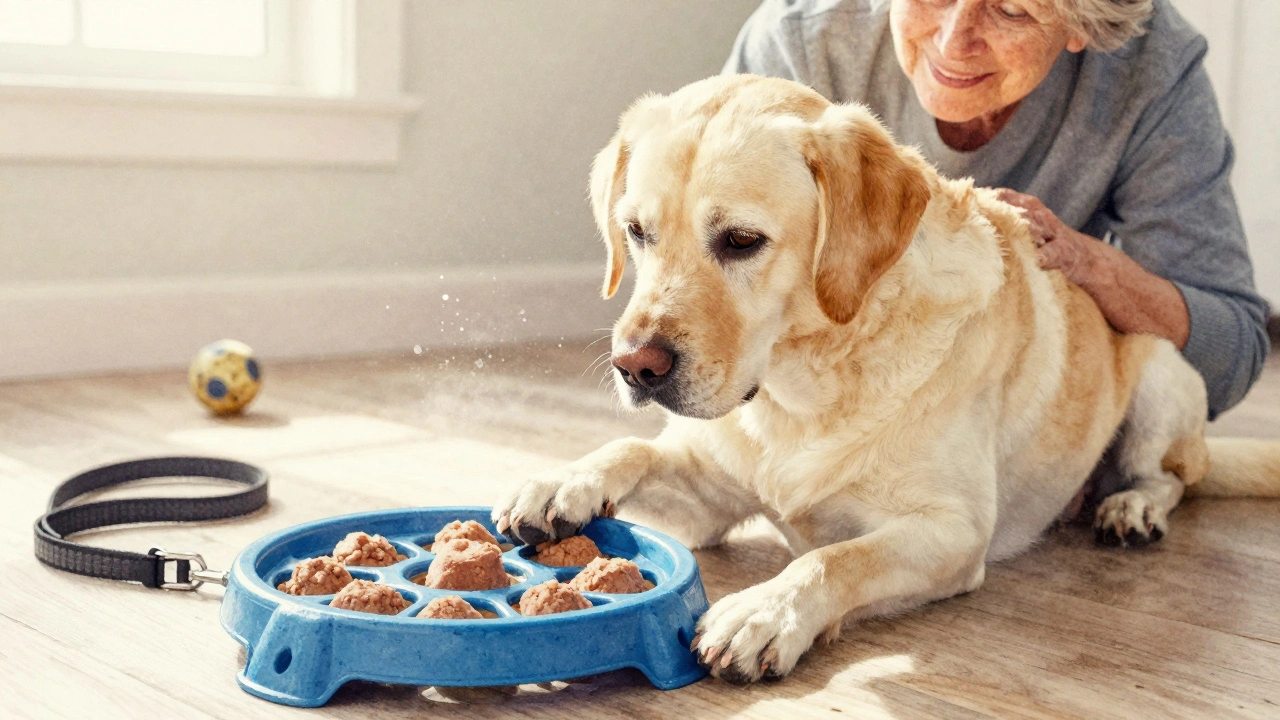
- Use puzzle feeders instead of bowls-Switch from a regular food bowl to a slow-feeder or treat-dispensing toy. Even if your dog is picky or has dental issues, there are soft, low-pressure options like the Outward Hound Hide-a-Squirrel or a stuffed Kong frozen with wet food. The act of working for food engages their memory, patience, and focus.
- Practice name recognition with a twist-Call your dog’s name, then pause. Don’t repeat it. Wait for them to look at you. When they do, reward them with a treat. Do this three times a day. It strengthens attention and recall, two areas that fade fastest with age.
Five Easy Brain Games You Can Play at Home
These games require zero special tools and can be done in under 10 minutes. They’re designed for dogs with limited mobility, reduced vision, or hearing loss.
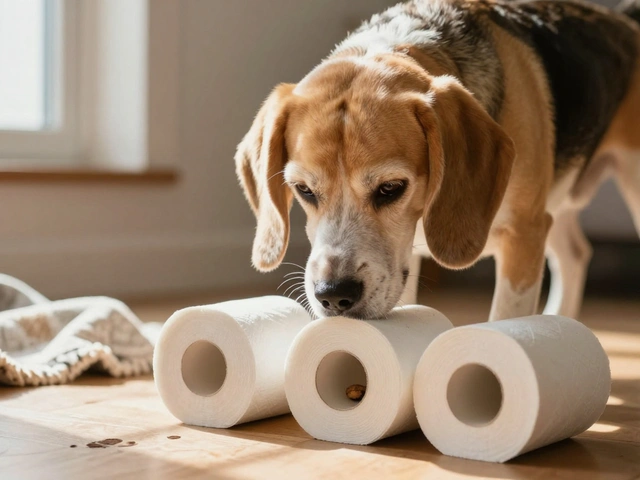
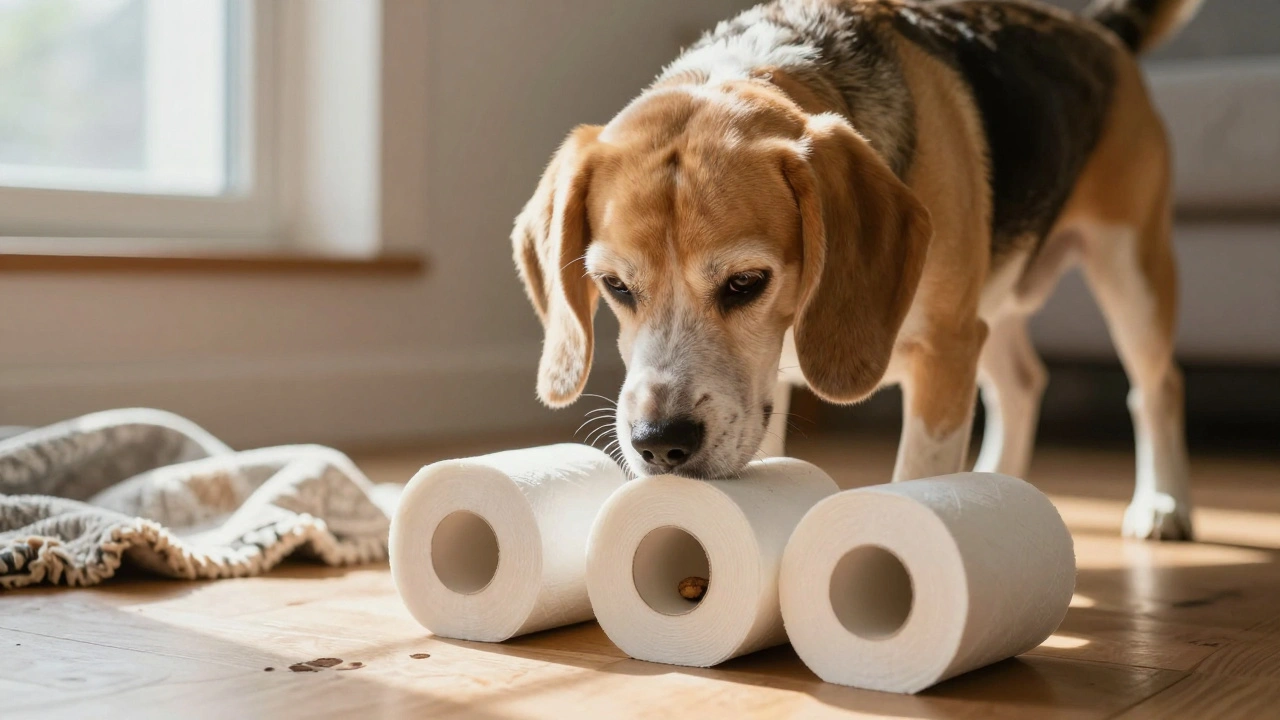
- The Sniff & Find-Hide a single treat under one of three cups (or paper towel rolls). Let your dog watch you put it under one. Then shuffle them slightly. Ask, “Find it!” This works even if your dog is partially blind-rely on scent cues and give them time to sniff. Start with easy setups, then increase difficulty over days.
- Left or Right?-Hold a treat in each closed hand. Say “Left!” and offer your left hand. If they choose correctly, reward them. Then say “Right!” and switch. This builds listening skills and decision-making. Do it once a day. It’s like a mini memory workout.
- Toy Tag-Place three familiar toys on the floor. Say, “Get your ball.” If they pick the right one, praise them. If they get it wrong, gently guide them. This reinforces object recognition and memory. Use toys they’ve had for months-new ones can be confusing.
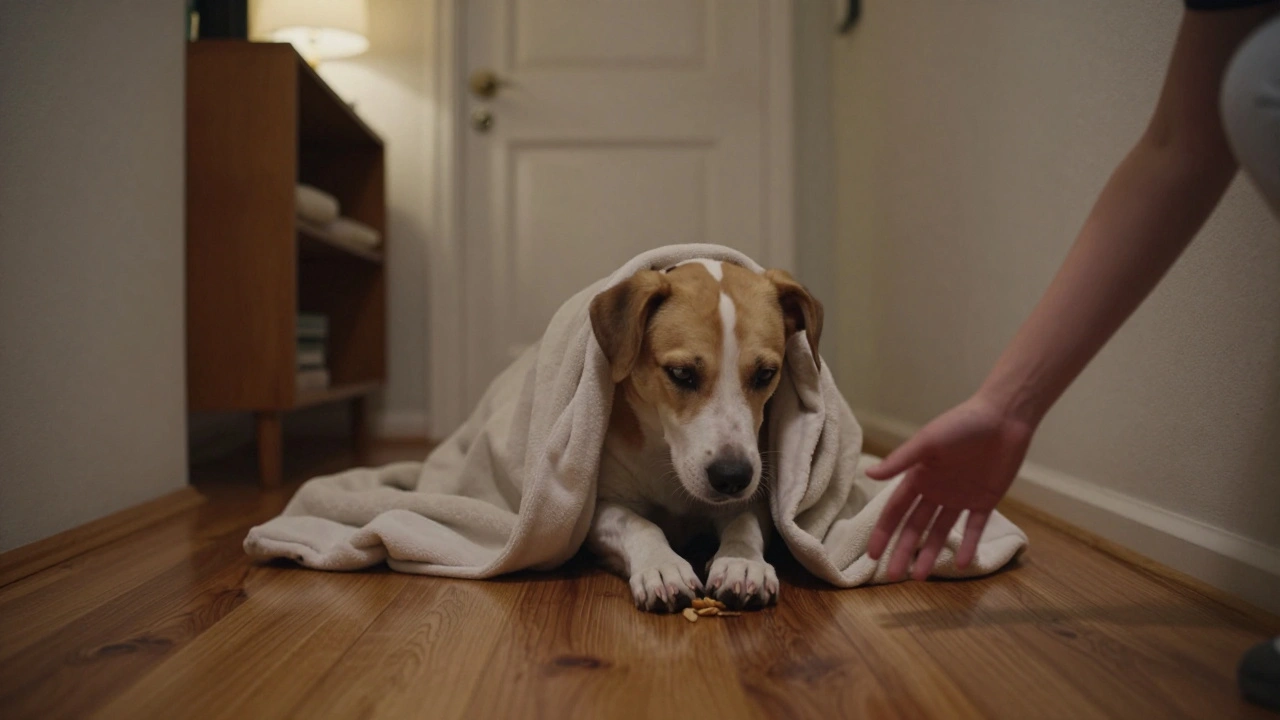
- The Blanket Game-Drape a lightweight blanket over a treat. Let your dog see you do it. Then say, “Find it!” Most dogs will nudge or paw at the blanket. This encourages problem-solving and gentle physical movement. Don’t rush them. Let them figure it out.
- Follow the Clue-Walk a few steps, then drop a treat. Keep going, dropping one every 3-5 steps. Say, “Find the next one!” as you go. This turns a short walk into a scent-tracking game. Great for dogs who still enjoy sniffing but can’t hike far.
What to Avoid
Not all enrichment is good enrichment. Here’s what to skip:
- Overwhelming complexity-If your dog stares blankly or walks away, the game is too hard. Go back to something simpler.
- Forcing interaction-If your dog is resting, don’t wake them for a puzzle. Rest is part of cognitive health.
- Using loud noises or sudden movements-Many senior dogs are sensitive to sound. Avoid electronic toys that beep or flash.
- Comparing them to younger dogs-Your 14-year-old Labrador won’t solve a Rubik’s Cube like a 3-year-old Border Collie. And that’s okay. Progress isn’t about speed-it’s about consistency.
When to Call the Vet
Some changes are normal aging. Others signal something more serious. Watch for:
- Getting lost in familiar rooms
- Forgetting house training after years of being reliable
- Repeating the same motion-pacing, circling, or licking air
- Not responding to their name or familiar commands
- Increased nighttime restlessness or vocalization
If you notice two or more of these, talk to your vet. There are supplements like Senilife or Anxt Plus that can help. Medications like Selegiline are FDA-approved for canine cognitive dysfunction. Early intervention can add years of quality life.
Make It Part of Your Day
The secret isn’t in the game. It’s in the rhythm. Pick one routine and one game to do every day. Do them at the same time-right after breakfast, or before their evening nap. Consistency builds neural pathways. It’s not about how fancy the game is. It’s about showing up.
One owner in Portland, who adopted a 12-year-old Beagle with early dementia, started with just the Sniff & Find game and changing their walk route. Six months later, her dog was greeting visitors again, recognizing his favorite blanket, and even remembering the word “car” when he heard the keys jingle. He still naps a lot. But now, when he wakes up, he looks around like he’s thinking, “What’s next?”
That’s the goal. Not a perfect dog. Just a dog who still feels curious.
Can senior dogs learn new tricks?
Yes, but not in the way you might think. Senior dogs don’t need to learn complex tricks like rolling over or shaking hands. Instead, focus on simple associations: recognizing names of toys, following one-step commands, or finding hidden treats. Their brains respond better to repetition and familiarity than to novelty. A 13-year-old Golden Retriever can learn to sit when you say "wait" for food, even if they’ve never heard it before. It’s not about the trick-it’s about the mental connection.
How often should I do cognitive games with my senior dog?
Once a day is enough. Two short sessions (5-10 minutes each) work better than one long one. Think of it like a daily vitamin, not a workout. The key is consistency. Skipping a day isn’t a disaster, but if you miss several, your dog’s brain may start to lose momentum. Try linking it to something you already do-like feeding, walking, or brushing.
Are there foods or supplements that help senior dog brains?
Yes. Look for foods or supplements with antioxidants like vitamin E, omega-3 fatty acids (especially DHA), and medium-chain triglycerides (MCTs). Brands like Hill’s Prescription Diet b/d and Purina Pro Plan NeuroCare are formulated for cognitive support. Always talk to your vet before adding supplements. Some dogs with kidney issues can’t handle certain ingredients. A blood test can help determine what’s safe.
My dog is deaf. Can they still benefit from cognitive enrichment?
Absolutely. Skip verbal cues and use visual or scent-based games. Wave your hand to get attention. Use a flashlight to signal a treat location. Hide treats in different rooms and let them sniff them out. You can also use gentle vibrations-tap the floor lightly to get their attention. Many deaf dogs become even better at reading body language and environmental cues. Their brains adapt.
What if my dog loses interest in games?
First, check for pain. Arthritis, dental issues, or thyroid problems can make a dog too uncomfortable to engage. If they’re healthy, simplify the game. Use stronger scents (like liver treats), make the hiding spot easier, or reduce distractions. Also, try doing it right after a nap or walk when they’re more alert. Sometimes, it’s not that they’re bored-it’s that they’re tired. Let them rest. Try again tomorrow.