
Ever watched your dog climb onto another dog, a person’s leg, or even a pillow-and wondered what’s going on? It’s a common sight, but it’s also one of the most misunderstood behaviors in dog ownership. Mounting isn’t always about sex. It’s not always about dominance. And it’s rarely about being "bad." Understanding why your dog mounts-and how to respond-can turn a confusing, sometimes embarrassing moment into a chance to strengthen your bond.
Why Dogs Mount: It’s Not What You Think
Most people assume mounting is sexual behavior. But in over 90% of cases, it’s not. A 2020 study from the University of California, Davis, observed over 1,200 dogs in social settings and found that mounting occurred just as often between same-sex pairs as between males and females. Neutered and spayed dogs mount just as frequently as intact ones. So what’s really happening?
Mounting is often a way for dogs to manage stress, excitement, or social tension. Think of it like a kid bouncing on a trampoline when they’re wired from too much sugar. Your dog might mount when:
- Guests arrive at your home
- Another dog is nearby
- You’re getting ready to leave the house
- They’re overstimulated at the park
It’s a displacement behavior-something they do when they’re unsure how to react. The same dog that mounts a guest might also lick their face, spin in circles, or freeze in place. These are all signs of emotional overload.
Some dogs mount to assert control. Not in a "I’m the boss" way, but in a "I need this situation to feel predictable" way. A shy dog might mount a calmer dog to create a sense of order. A dog who’s been scolded before might mount a person to redirect attention away from their anxiety.
When Mounting Becomes a Problem
Mounting isn’t inherently bad. But it becomes a problem when:
- It’s directed at people, especially children or strangers
- It happens too often, disrupting daily life
- It leads to aggression or fear in other dogs
- It’s accompanied by other compulsive behaviors (like tail chasing or shadow stalking)
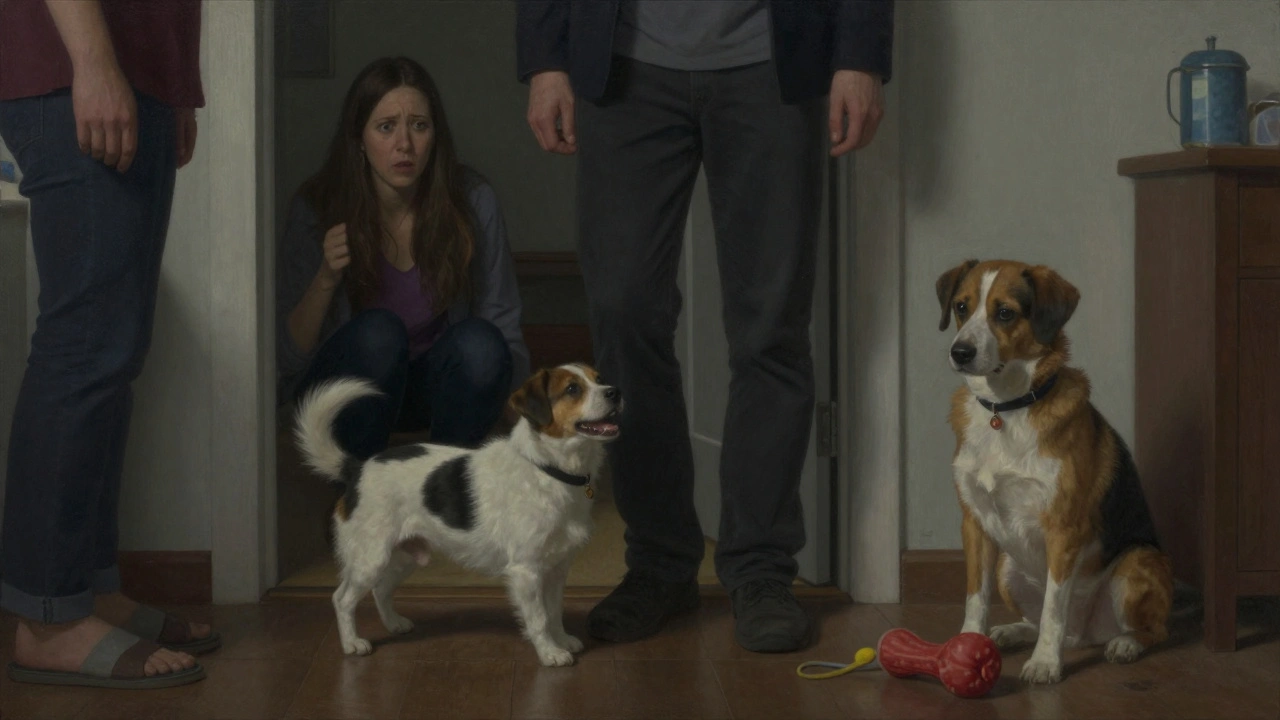
One owner in Portland told me her 3-year-old rescue, Luna, would mount every visitor who came over. She’d get flustered, apologize, and try to shoo Luna away. But the more she yelled, the more Luna clung to the person’s leg. Why? Because Luna was using mounting to cope with the stress of strangers. The yelling? That was just more chaos.
Mounting can also become a learned habit. If your dog gets attention-positive or negative-after mounting, they’ll keep doing it. Even scolding can reinforce the behavior if it gives them what they want: your focus.
How to Stop It Without Punishment
Punishing a dog for mounting doesn’t fix the root cause. It just teaches them to hide it-or get more anxious. The goal isn’t to stop the behavior instantly. It’s to help your dog learn better ways to handle stress.
Here’s what actually works:
- Interrupt, don’t react. The moment your dog starts mounting, calmly say "Oops" or "Enough," then gently guide them away. No yelling, no shoving. Just a quiet redirect. Think of it like pausing a video.
- Replace the behavior. Give them something else to do. Ask them to sit, lie down, or hold a toy. If they do it, reward with a treat or calm praise. This teaches them that calm behavior pays off.
- Manage the environment. If your dog mounts when guests come over, keep them on a leash or in a separate room until they calm down. Gradually introduce visitors while rewarding quiet behavior.
- Build impulse control. Practice "wait" and "leave it" games. These aren’t just tricks-they’re mental exercises that help dogs pause before reacting.
- Reduce overall stress. Is your dog overstimulated? Under-exercised? Lacking routine? Mounting often increases when dogs are bored, anxious, or confused. Daily walks, mental puzzles, and consistent schedules help more than any command.
One owner in Eugene started using a "calm zone"-a quiet corner with a bed and a stuffed Kong-whenever visitors arrived. Within three weeks, her dog stopped mounting entirely. She didn’t correct the behavior. She gave her dog a better option.
What About Dominance?
You’ve probably heard that mounting is about "dominance." That idea comes from outdated studies on captive wolves in the 1970s. Modern science has completely debunked this. Dogs don’t live in rigid hierarchies like wolves. They form flexible social bonds based on context, not rank.
A dog who mounts another dog isn’t trying to be "top dog." They’re trying to manage their own feelings. A confident dog might mount a nervous one because it feels safer. A nervous dog might mount a calm one because it’s trying to gain control.
Labeling mounting as dominance doesn’t help. It leads to harsh corrections, fear, and broken trust. Instead, focus on emotional regulation. You’re not training your dog to submit. You’re teaching them to feel safe.
When to See a Professional
Most mounting can be managed at home. But if you’ve tried the steps above for 4-6 weeks with no improvement-or if your dog shows signs of anxiety, aggression, or compulsive behavior-talk to a certified dog behaviorist.
Signs you need help:
- Your dog mounts and then growls or snaps
- They mount repeatedly, even when distracted
- They seem stuck in a loop-mounting, then freezing, then mounting again
- They’re losing interest in food, play, or walks
A behaviorist won’t just tell you to "stop it." They’ll look at your dog’s full history: diet, sleep, routine, past trauma, social exposure. They’ll create a plan tailored to your dog’s emotional needs-not your embarrassment.
What to Do in the Moment
Here’s a simple 3-step plan you can use right now:
- Pause. Don’t yell. Don’t chase. Just stop what you’re doing.
- Redirect. Ask your dog to do something simple: sit, touch your hand, or look at you.
- Reward. If they do it, give them a treat or a calm "good job." If they don’t, walk away quietly. No punishment. No drama.
This works because it changes the emotional state-not just the behavior. You’re teaching your dog that calm = reward. Mounting = nothing happens.
Final Thought: It’s Not About Control
Dogs don’t mount because they’re bad. They mount because they’re overwhelmed, unsure, or excited. Your job isn’t to shut it down. It’s to help them feel more secure.
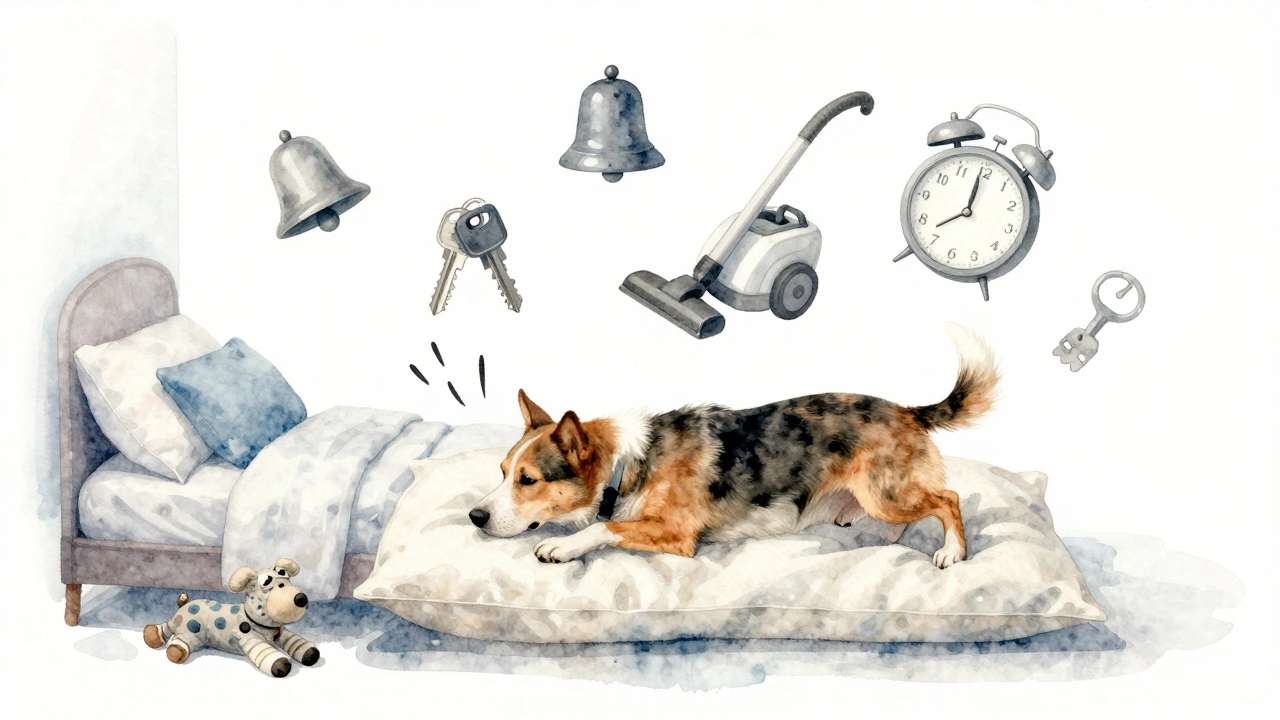
When you stop seeing mounting as a problem to fix and start seeing it as a signal to understand, everything changes. You’ll notice other subtle cues: the way your dog glances at the door before guests arrive, the way they pace when you pick up your keys, the way they freeze when the vacuum turns on.
These are all signs your dog is trying to tell you something. Mounting is just one of them. Listen. Respond. Be patient. And remember-you’re not training a dog to behave. You’re helping a dog feel safe.
Is dog mounting always sexual?
No. Most mounting is not sexual. Studies show that over 90% of mounting behavior occurs between same-sex dogs and in non-sexual contexts like play, stress, or excitement. Neutered and spayed dogs mount just as often as intact ones.
Should I punish my dog for mounting?
No. Punishment doesn’t fix the underlying cause-it increases anxiety and can make the behavior worse. Instead, redirect your dog to a calm behavior and reward them for it. The goal is to teach them what to do, not just stop what they’re doing.
Can mounting be a sign of anxiety?
Yes. Mounting is a common displacement behavior in anxious dogs. It often happens when they’re overwhelmed by new people, loud noises, or changes in routine. Look for other signs like pacing, panting, or avoiding eye contact.
Why does my dog mount only certain people?
Dogs often mount people who trigger their stress or excitement. It could be someone who moves quickly, smells unfamiliar, or gives inconsistent attention. The behavior isn’t about preference-it’s about how that person makes the dog feel.
How long does it take to stop mounting behavior?
It varies. Most dogs show improvement within 2-4 weeks with consistent redirection and environmental management. If there’s no change after 6 weeks, or if aggression or anxiety increases, consult a certified behaviorist.