Walking into a vet clinic with a diagnosis of hip dysplasia or bloat can feel like a financial shock. One minute you are there for a routine check-up, and the next, the bill hits four figures. This is exactly why understanding dog insurance matters before your pet gets sick, not after. Many owners assume all policies work the same way, but they do not. The difference between an "accident-only" plan and a comprehensive one can save you thousands, or leave you paying out of pocket for the most common dog health issues.
This guide breaks down the specific types of coverage available in 2026, how deductibles affect your monthly cost, and which plans actually make sense for different life stages. We will skip the jargon and focus on what you need to know to make a smart decision for your dog’s health wallet.
Key Takeaways
- Comprehensive coverage includes both accidents and illnesses, offering the highest protection but higher premiums.
- Accident-only plans are cheaper but exclude chronic conditions like arthritis or cancer, which are the leading causes of high vet bills.
- The annual limit is the maximum amount the insurer pays per year; once hit, you pay 100% of costs until the next policy year.
- Deductibles determine how much you pay before insurance kicks in; higher deductibles lower monthly premiums but increase upfront costs during claims.
- Pre-existing conditions are rarely covered, so enrolling young puppies offers the best long-term value.
Understanding the Core Types of Dog Insurance
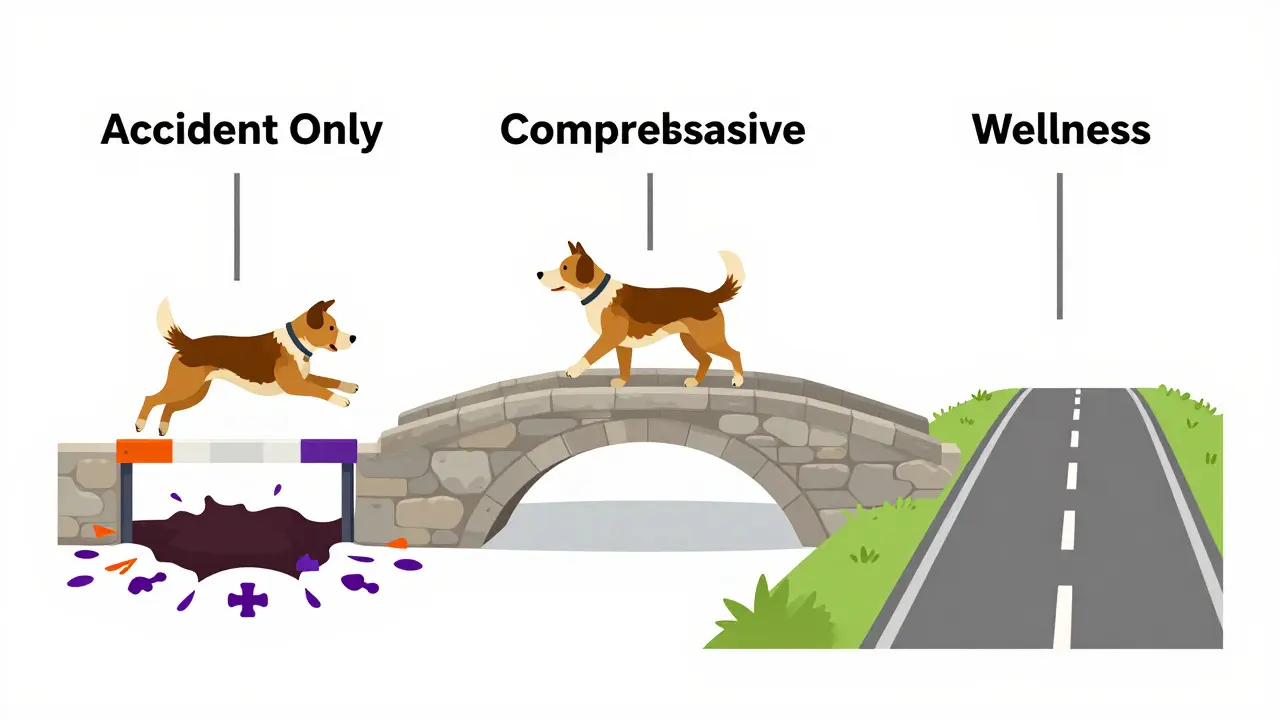
When you look at quotes from providers like Nationwide, Embrace, or Trupanion, you will see three main buckets of coverage. Knowing the distinction between them is the first step to avoiding gaps in protection.
Comprehensive Coverage
This is the gold standard for most dog owners. Comprehensive plans cover veterinary expenses resulting from both Accidents and Illnesses. An accident might be eating a toxic plant or breaking a leg jumping off a couch. An illness could be diabetes, allergies, or kidney failure. Since illnesses account for roughly 50-60% of all major vet bills, this type of coverage provides the most robust safety net. However, because it covers more scenarios, the monthly premium is typically the highest among the options.
Accident-Only Coverage
This option is significantly cheaper, often costing half as much as comprehensive plans. It covers injuries from external events: broken bones, swallowed objects, burns, or bite wounds. But here is the catch: it does not cover internal diseases. If your dog develops hip dysplasia, a genetic condition that often manifests in middle age, an accident-only plan will not pay a dime. This makes it a risky choice for older dogs or breeds prone to hereditary issues like German Shepherds or Labradors.
Wellness Plans
Technically, wellness is not insurance in the traditional sense, but many companies bundle it with medical plans. Wellness coverage helps with predictable, recurring costs: annual exams, vaccinations, flea and tick prevention, dental cleanings, and minor surgeries like spaying or neutering. While it doesn't protect against catastrophic emergencies, it smooths out the monthly budget for routine care. Think of it as a subscription service for basic maintenance rather than a shield against disaster.
How Deductibles and Reimbursement Rates Work
Two numbers on your policy statement dictate your out-of-pocket experience: the deductible and the reimbursement percentage.
The Deductible is the amount you must pay before the insurer starts reimbursing you. For example, if you have a $500 annual deductible and a $2,000 surgery, you pay the first $500. The insurer then applies their reimbursement rate to the remaining $1,500.
Reimbursement rates usually come in 70%, 80%, or 90% increments. If you choose an 80% reimbursement rate on that $1,500 remainder, the insurer sends you a check for $1,200. You keep the other 20%. Most experts recommend an 80% reimbursement rate as the sweet spot between premium cost and payout efficiency. Going for 90% or 100% increases your monthly premium significantly, but the extra cost often outweighs the small increase in payout unless you expect frequent, moderate claims.
| Plan Type | Covers Accidents | Covers Illnesses | Avg. Monthly Cost (Medium Breed) | Best For |
|---|---|---|---|---|
| Accident Only | Yes | No | $25 - $45 | Budget-conscious owners, healthy senior dogs |
| Comprehensive | Yes | Yes | $50 - $90 | Puppies, breeds with genetic risks, owners wanting max protection |
| Comprehensive + Wellness | Yes | Yes | $70 - $120 | Owners who want all-in-one budgeting for routine and emergency care |
The Critical Role of Annual Limits
Many owners overlook the annual limit until it becomes a problem. This is the cap on how much the insurance company will pay in total over a 12-month period. Some plans offer unlimited coverage, meaning no matter how expensive the treatment is, the insurer pays up to the reimbursement rate. Others cap coverage at $5,000 or $10,000 per year.
If your dog requires chemotherapy for lymphoma, which can easily exceed $10,000 in the first year, a $5,000 limit leaves you covering the rest. For large breed dogs or those with a history of complex health issues, unlimited or very high limits ($20,000+) are strongly recommended. For smaller breeds with generally lower vet costs, a $10,000 limit might suffice.
Pre-Existing Conditions: The Fine Print That Matters
Almost every dog insurance policy excludes pre-existing conditions. This means if your dog shows signs of a disease or injury before the policy start date, that condition is never covered. Signs include symptoms, treatments, or diagnoses within a waiting period (usually 14 days for accidents, 30-180 days for illnesses).
This is why timing is everything. Enrolling a puppy at 8 weeks old gives you the widest possible window of coverage. If you wait until your dog is five years old and already has early-stage arthritis, that arthritis is now a pre-existing condition. Even if you switch to a new provider, the new provider will likely exclude it too, because the condition existed prior to enrollment.
Choosing the Right Coverage for Your Dog's Life Stage
Your dog's age and breed heavily influence which type of coverage makes financial sense.
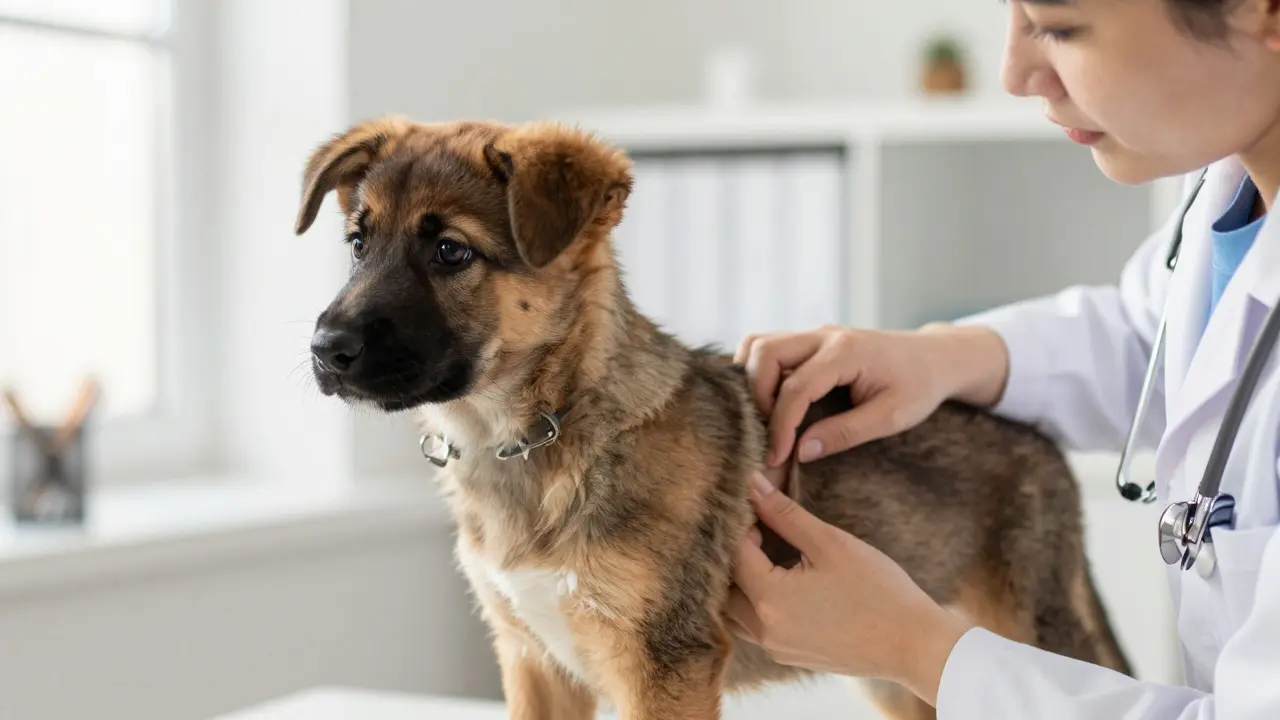
- Puppies (0-1 year): Comprehensive coverage is ideal. Puppies are curious and prone to accidents, but they also face developmental issues like patellar luxation. Early enrollment locks in lower premiums before age-based price hikes kick in.
- Adults (1-7 years): This is the prime time for chronic illnesses to emerge. Comprehensive coverage remains the top recommendation. If budget is tight, ensure the plan covers at least orthopedic and digestive issues, which are common in adulthood.
- Seniors (7+ years): Premiums rise sharply. At this stage, evaluate whether the rising monthly cost is worth it. If your dog has been healthy, you might consider dropping to accident-only or canceling, accepting the risk of major illness. However, if your dog has a family history of cancer or heart disease, staying comprehensive may still be worth the investment.
Common Pitfalls to Avoid
Even with the right plan type, mistakes in execution can void your coverage. Here are the most common errors:
- Missing the Waiting Period: Claiming for an illness within the first 30 days often results in denial. Wait out the specified period before filing claims for non-accident issues.
- Not Submitting Claims Promptly: Most insurers require claims within 30-90 days of the vet visit. Keep digital copies of invoices and receipts immediately after every appointment.
- Assuming All Vets Are Accepted: Unlike human health insurance, most pet insurance works on a reimbursement model. You pay the vet upfront, then submit the claim. Ensure your vet uses standard coding so the claim processes smoothly.
- Ignoring Exclusions: Read the policy exclusions list. Some plans exclude cosmetic procedures, experimental treatments, or specific breeds' known issues (like hip dysplasia in some aggressive exclusion lists).
Frequently Asked Questions
Does dog insurance cover pre-existing conditions?
Generally, no. Most policies define pre-existing conditions as any sign, symptom, or treatment received before the policy start date or within a waiting period. Once a condition is deemed pre-existing, it is excluded for the life of the policy, even if you switch providers later.
What is the difference between accident-only and comprehensive dog insurance?
Accident-only plans cover injuries from external events like broken bones or ingested objects. Comprehensive plans cover both accidents and internal illnesses like cancer, diabetes, and allergies. Comprehensive is more expensive but protects against the most costly vet bills.
Is it worth getting dog insurance for an older dog?
It depends on the dog's health history. If the dog is healthy, the high premiums for seniors may not be worth it compared to saving money in an emergency fund. However, if the dog has a strong family history of serious diseases, comprehensive coverage might still provide peace of mind despite the higher cost.
How fast does pet insurance reimburse claims?
Most reputable insurers process claims within 5 to 10 business days after receiving complete documentation. Digital submission via apps is faster than mail. Delays usually happen when missing information like diagnostic codes or detailed invoices are not provided initially.
Can I change my dog insurance plan mid-year?
You can usually switch plans or providers at any time, but watch out for gaps in coverage. If you cancel one policy before starting another, you lose continuous coverage, which can reset waiting periods and potentially reclassify existing conditions as pre-existing for the new provider.