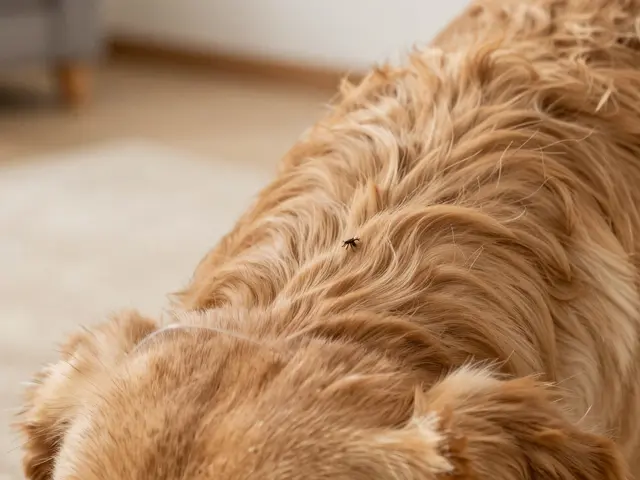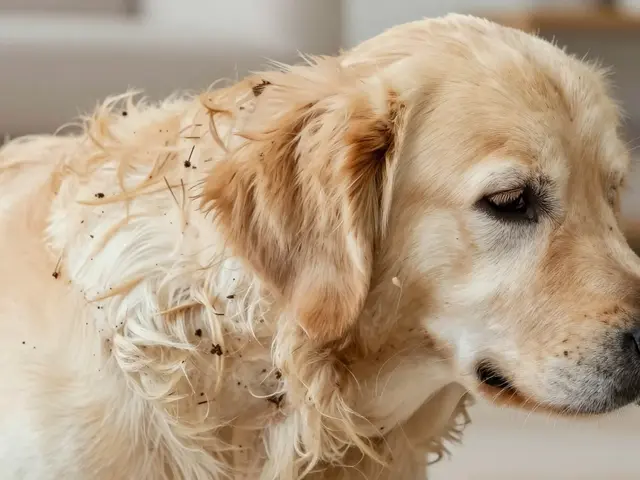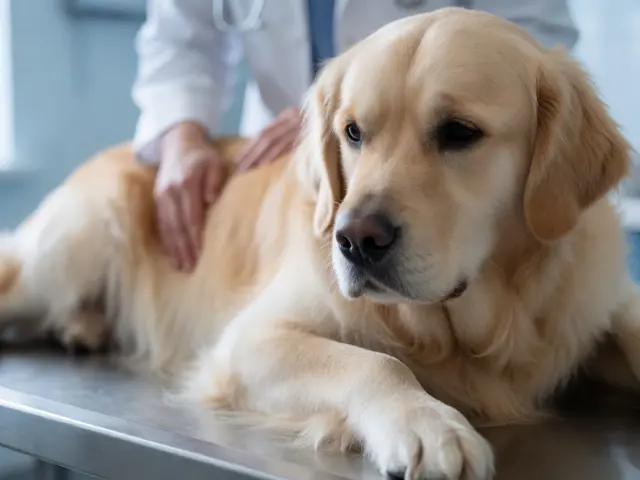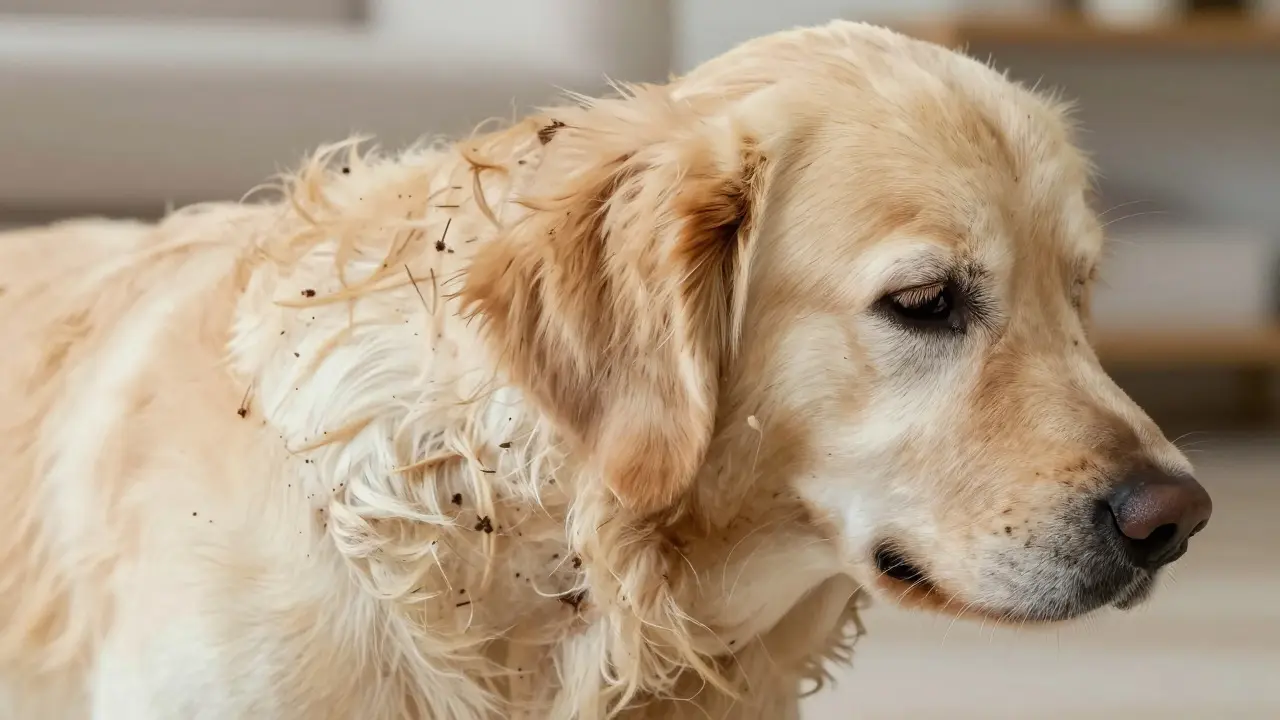
You’ve probably been there. Your dog is scratching like crazy, you spot a few black specks in their fur, and panic sets in. You grab the bottle of flea shampoo from the shelf, hoping for an instant fix. But here’s the hard truth: a flea bath is rarely a cure-all. It’s a tool, and like any tool, it works brilliantly in specific situations but fails miserably in others.
Most people think washing their dog kills all the fleas. In reality, it only removes the adults currently on your pet. If you don’t address the eggs and larvae hiding in your carpet or bedding, those fleas will be back within days. This article breaks down exactly when a flea bath saves the day and when it’s just a waste of water, soap, and time.
The Reality Check: What a Flea Bath Actually Does
Let’s clear up the biggest myth first. A flea bath does not provide long-term protection. The active ingredients in most shampoos-whether they are natural oils like cedarwood or chemical agents like pyrethrins-work on contact. They kill the adult fleas that are physically on your dog while you’re scrubbing them. Once you rinse the dog off, that protective barrier is gone.
Think of it this way: if your house is on fire, a flea bath is like using a cup of water to put out the flames on one piece of furniture. It helps locally, but it doesn’t stop the fire spreading from the rest of the room. To truly win the war against fleas, you need to understand their lifecycle. Adult fleas live on the host (your dog), but 95% of the infestation exists as eggs, larvae, and pupae in the environment. A bath ignores that 95% entirely.
| Flea Stage | Location | Killed by Bath? | Action Required |
|---|---|---|---|
| Adults | On Dog | Yes (Immediate) | Bath + Comb |
| Eggs | Carpet/Floor | No | Vacuuming/Wash Bedding |
| Larvae | Dark/Cracks | No | Insect Growth Regulators (IGR) |
| Pupae | Cocoons | No | Time/Heat/Vibration |
When a Flea Bath Is Your Best Move
So, when should you reach for that shampoo? There are three specific scenarios where a bath is genuinely helpful, provided you follow it up with proper environmental control.
1. Immediate Relief for Severe Infestations
If your dog is covered in fleas and miserable, waiting 24-48 hours for a topical spot-on treatment to start working can feel cruel. A flea bath provides immediate gratification. It knocks down the population instantly, stopping the biting and itching right then and there. This is crucial for dogs with Flea Allergy Dermatitis (FAD), where even one bite causes intense allergic reactions. Reducing the load immediately helps break the itch-scratch cycle before skin infections set in.
2. Preparing for Topical Treatments
Some veterinarians recommend bathing a dog with a degreasing shampoo before applying certain prescription topicals. Why? Because excess oils and dirt can prevent the medication from absorbing properly into the skin. However, timing is critical. Most guidelines suggest bathing 24-48 hours *before* application, not after. Washing too soon after application strips the medication away, rendering it useless.
3. Removing Dirt That Hides Fleas
If your dog rolls in mud or has matted fur, fleas can hide deep in the coat where combs can’t reach. A thorough wash cleans the coat, making it easier to spot remaining pests and allowing you to comb them out effectively. Clean fur also lets you see skin health better, helping you catch hot spots or rashes early.
When a Flea Bath Is a Waste of Time
Here is where most owners go wrong. Using a flea bath as your primary defense strategy usually leads to frustration and recurring infestations.
1. As a Standalone Prevention Method
If you rely solely on monthly baths to keep fleas away, you are fighting a losing battle. Since the shampoo leaves no residual effect, the moment a new flea jumps onto your dog from the yard, it bites. Without a preventive agent (like a collar, chewable, or spot-on) lingering on the skin or in the bloodstream, the flea survives, feeds, and lays eggs. You’ll find yourself bathing weekly, drying towels everywhere, and still seeing fleas.
2. During Active Breeding Seasons
In places like Portland, Oregon, late summer and early fall are peak flea seasons. The humidity and warmth create perfect conditions for rapid reproduction. If you bathe your dog during this high-pressure window without environmental treatment, new fleas emerge from the pupal stage every few days. By the time you finish drying your dog, new adults have already jumped on from the carpet. A bath alone cannot keep up with this rate of reinvasion.
3. For Puppies Under 12 Weeks
Many flea shampoos contain chemicals that are too harsh for young puppies. Their livers aren’t fully developed to process certain insecticides, leading to potential toxicity. Always check the label. If it doesn’t explicitly say "safe for puppies under 12 weeks," skip the bath and use a fine-toothed flea comb instead. Manual removal is safer and often more effective for tiny pups.
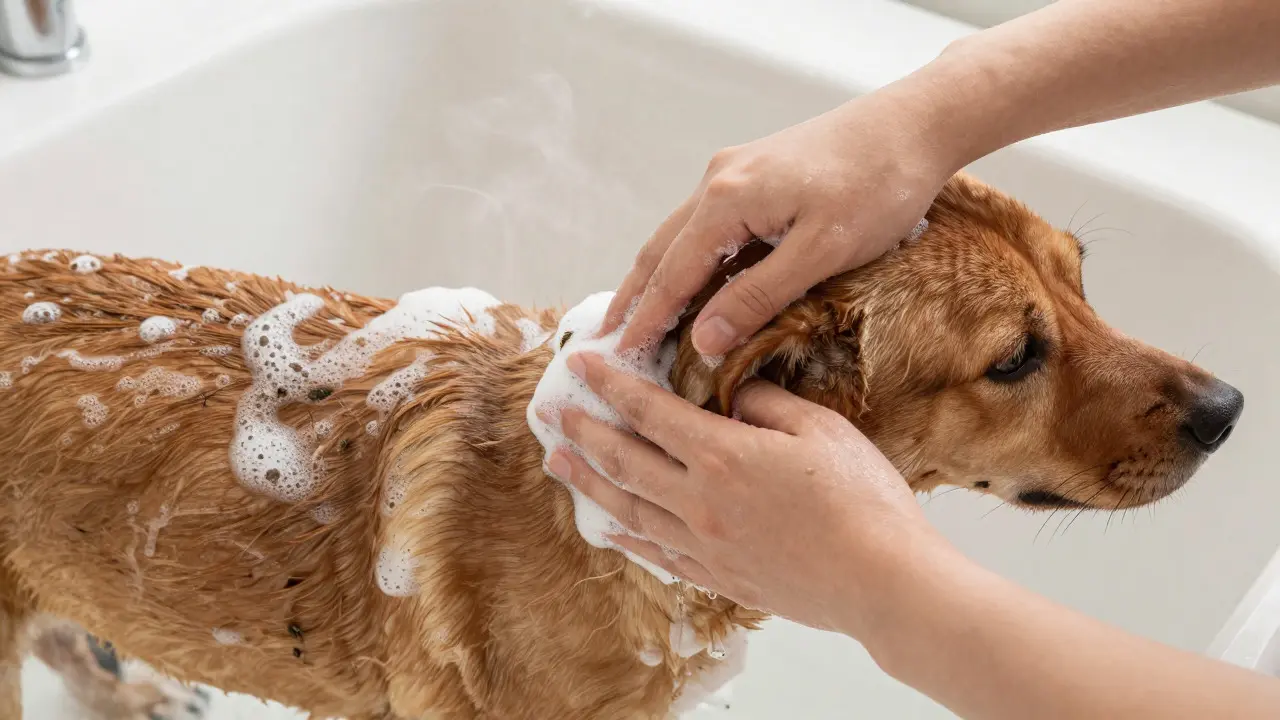
The Right Way to Bathe a Flea-Infested Dog
If you decide a bath is necessary, doing it correctly matters. Sloppy rinsing leaves residue that irritates the skin, while rushing through the process misses hidden fleas.
- Pre-comb: Before getting the dog wet, run a flea comb through the dry coat. This removes debris and some adults, preventing them from drowning in the tub water and sticking to your dog later.
- Use Lukewarm Water: Hot water opens pores and can cause discomfort; cold water won’t help loosen dirt. Aim for lukewarm.
- Lather Thoroughly: Focus on the neck, tail base, and groin-the flea hotspots. Massage the shampoo into the skin, not just the fur.
- Wait: Let the shampoo sit for at least 5 minutes. This gives the active ingredients time to work on the nervous systems of the fleas.
- Rinse Completely: Any leftover soap can cause itching, which mimics flea bites and confuses you about whether the treatment worked.
- Dry Immediately: Dampness encourages fungal growth. Use a towel and a low-heat dryer if your dog tolerates it.
Combining Baths with Long-Term Solutions
A flea bath is the sprint; preventatives are the marathon. To actually solve the problem, pair the bath with one of these proven methods.
| Method | Speed | Duration | Best For |
|---|---|---|---|
| Flea Shampoo | Instant | 0 Days | Immediate relief, heavy infestation |
| Spot-On Treatment | 24-48 Hours | 30 Days | General prevention, easy application |
| Oral Chewables | 4-8 Hours | 30-90 Days | Dogs who swim/have sensitive skin |
| Flea Collar | 24 Hours | 6-8 Months | Long-term coverage, budget-friendly |
For example, if you give your dog a flea bath today to kill the current adults, apply a spot-on treatment tomorrow once the skin is dry. The shampoo cleared the slate; the spot-on prevents new arrivals. This two-step approach covers both the immediate threat and future risks.
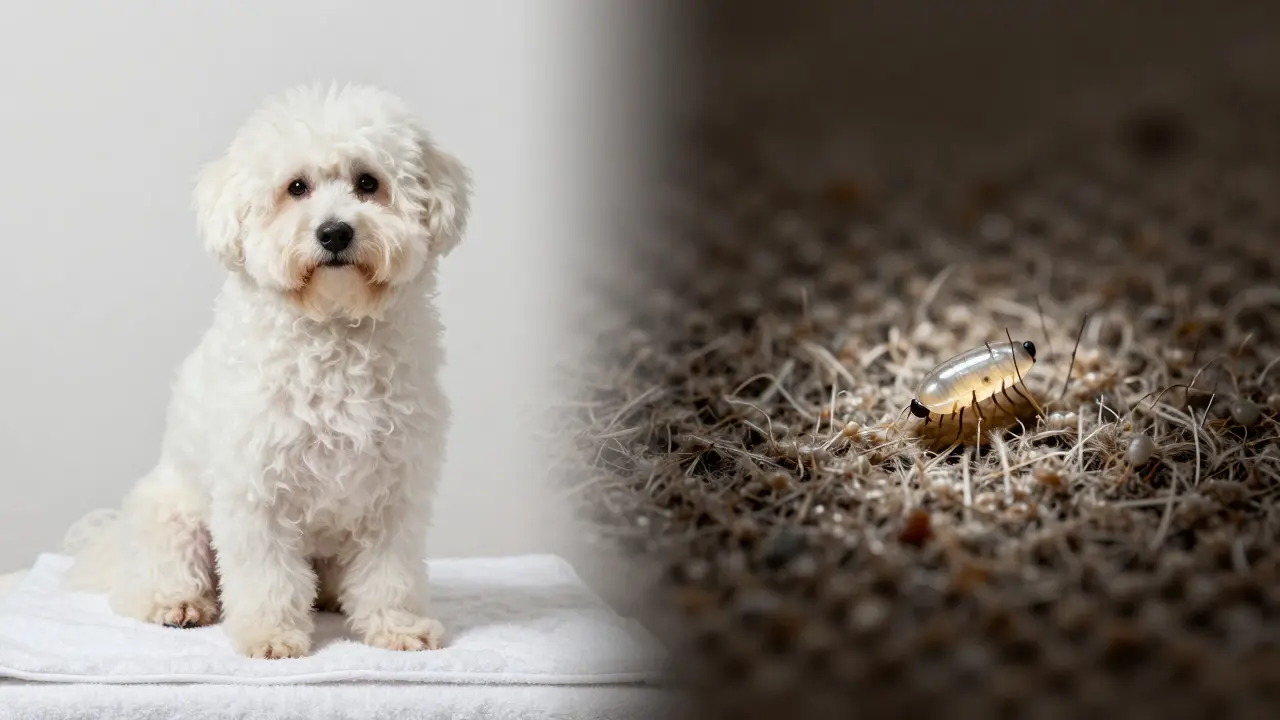
Environmental Cleanup: The Missing Link
You can’t bathe your carpet. Yet, that’s where most fleas live. After giving your dog a bath, you must tackle the house.
- Vacuum Aggressively: Vacuum carpets, rugs, and upholstery daily for two weeks. The vibration stimulates pupae to emerge, making them vulnerable to treatment. Empty the vacuum bag or canister outside immediately so fleas don’t escape.
- Wash Bedding: Wash your dog’s bed, blankets, and your own sheets in hot water (at least 140°F / 60°C) to kill eggs and larvae.
- Treat the Yard: If your dog spends time outdoors, consider an outdoor spray containing insect growth regulators (IGRs). These stop eggs from hatching, breaking the cycle at the source.
Final Thoughts: Know Your Limits
A flea bath is a powerful tactical move, but it’s not a strategic victory. Use it for quick fixes, prepping for meds, or cleaning up messy dogs. But never rely on it alone to keep your home flea-free. Combine it with modern preventatives and rigorous cleaning, and you’ll spare your dog-and yourself-a lot of scratching.
How often can I give my dog a flea bath?
You can bathe your dog as often as needed, but frequent washing with medicated shampoos can dry out their skin. For most dogs, once a week is sufficient during an active infestation. If you use a gentle, non-medicated shampoo, you can bathe more frequently. Always monitor your dog's skin for signs of irritation or excessive dryness.
Do flea baths kill flea eggs?
Generally, no. Most flea shampoos target adult fleas. While the water pressure might wash away some loose eggs, the shampoo itself rarely kills eggs attached to hair or lying in the environment. You need to vacuum and wash bedding to remove eggs, or use products specifically labeled as ovicidal (egg-killing).
Can I use human shampoo on my dog for fleas?
It is not recommended. Human skin has a different pH level than dog skin. Using human shampoo can disrupt your dog's acid mantle, leading to dryness, itching, and susceptibility to bacteria. Stick to shampoos formulated specifically for pets, especially if they contain flea-fighting ingredients.
Why do I still see fleas after a bath?
This is common. The bath killed the adults on your dog, but new fleas are jumping on from the environment (carpets, furniture, yard). Additionally, pupae in the environment can hatch continuously for weeks. Without treating the home and using a preventative on the dog, you will continue to see new fleas appearing shortly after the bath.
Is Dawn dish soap good for flea baths?
Dawn dish soap is popular because it breaks down the exoskeleton of fleas, causing them to drown. It is effective for immediate killing and removing oils. However, it is very drying for dog skin and lacks residual protection. It is best used as a short-term solution followed by a moisturizing conditioner and a proper preventative treatment.