Most dog bites don’t happen out of nowhere. They’re preceded by clear, often ignored signals. If you’ve ever felt uneasy around a dog-even one you know-you weren’t imagining things. Dogs communicate stress, fear, and aggression long before they snap. Learning these signs can keep you, your kids, or even other pets safe. This isn’t about scaring you. It’s about giving you the tools to read a dog’s mood before it’s too late.
Stillness That Feels Wrong
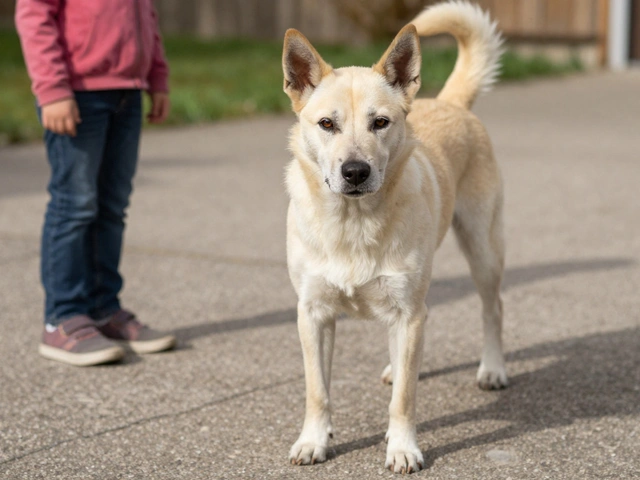
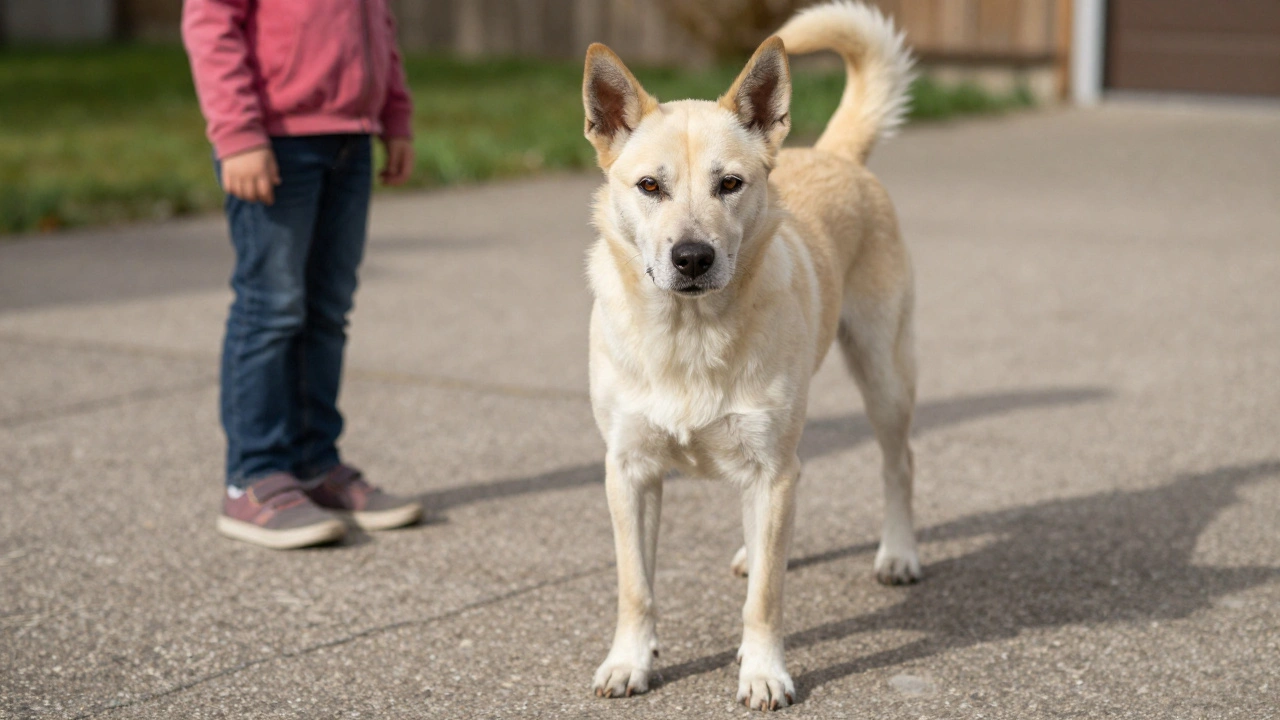
One of the most dangerous signs is when a dog suddenly goes completely still. You might think they’re calm. But in reality, they’ve shut down. Their body locks up. Ears freeze. Tail stops wagging. Eyes lock onto whatever’s bothering them. This isn’t relaxation. It’s the pause before a storm. I’ve seen this happen in backyards, at dog parks, even in homes. A dog that was happily playing one second is frozen the next, staring at a child who got too close. That stillness means the dog has decided not to flee. And if they can’t run, they’ll fight.
The Lip Lick That Isn’t About Food
Dogs lick their lips when they’re stressed-even when there’s no food around. It’s a classic displacement behavior. Think of it like a person nervously tapping their fingers or biting their nails. You’ll see it when someone reaches for their collar, when a stranger leans over them, or when a child hugs too tightly. If a dog licks their lips repeatedly in a situation that isn’t mealtime, they’re saying, "I’m uncomfortable." Ignore it, and you might miss the next step: a growl or a snap.
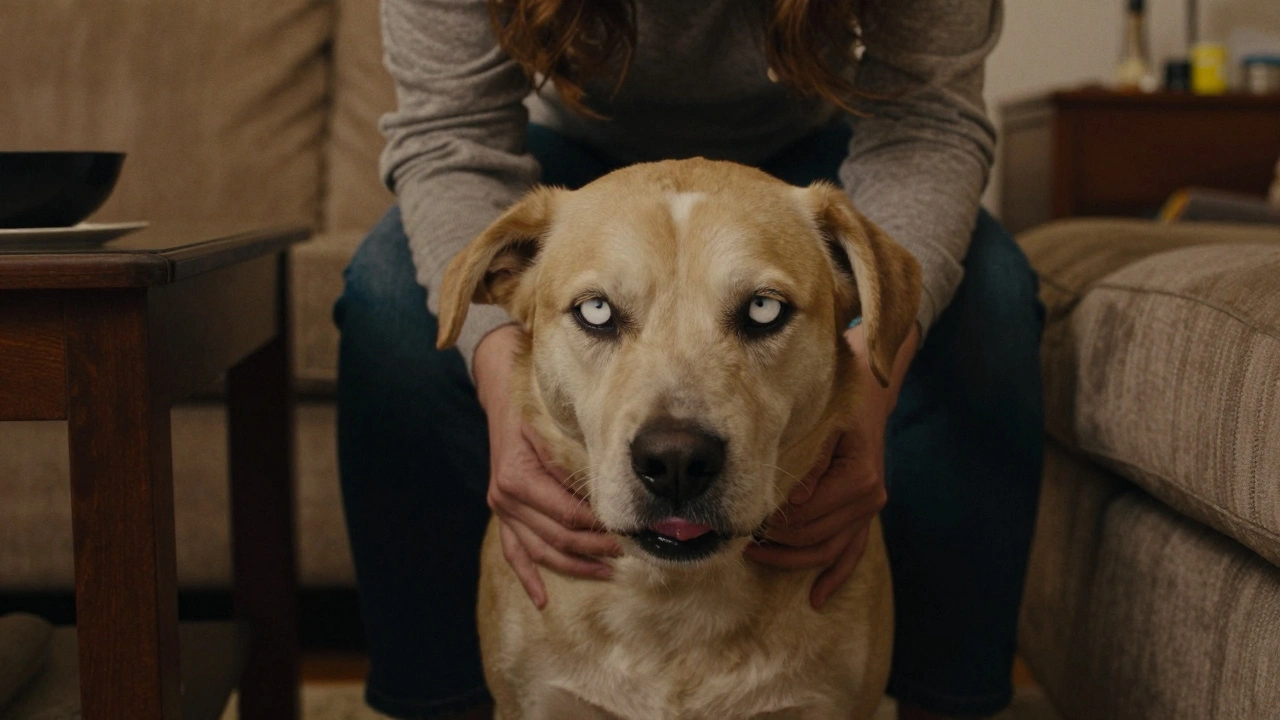
Whale Eye: When You See the Whites
"Whale eye" is when you can see the white part of a dog’s eyes all the way around. It happens when the dog turns their head away but keeps staring at whatever’s scaring them. You’ll notice it most when someone approaches from the front, especially if the dog is cornered or feels trapped. A dog giving whale eye isn’t being sneaky. They’re anxious. Their body says "I want out," but their eyes say "I’m watching you." This is a red flag. It often comes right before a bite, especially if the dog is also stiffening or avoiding eye contact with people.
Growling Isn’t Always Loud
Not every growl sounds like a rumbling bass. Some are low, almost silent-more like a throaty vibration. Others are short, sharp barks that sound like coughs. These aren’t "practice" growls. They’re real warnings. Dogs don’t growl for fun. If a dog growls at a child, a stranger, or even another dog, they’re communicating: "Stop. I’m not okay." Many people mistake quiet growls as "just being playful." They’re not. A dog that growls while holding its tail low, ears pinned, and body tense is not inviting you to pet them. They’re asking you to back off.
Stiff Body, Frozen Tail
A wagging tail doesn’t mean a dog is happy. It just means they’re moving. The key is how they move. If the tail is stiff, held high, and moves in short, fast jerks-like a metronome-it’s a warning. Combine that with rigid legs, a forward-leaning posture, and ears pinned back? That’s not play. That’s preparation for an attack. I’ve seen this happen with dogs who are protecting their food, their space, or their owner. The tail doesn’t wag in a circle. It doesn’t wiggle the whole body. It’s a mechanical swing, like a robot. That’s not joy. That’s intent.
Avoiding Eye Contact Isn’t Shyness
Many people think a dog looking away is being polite or submissive. Sometimes it is. But if the dog looks away while also lowering their head, crouching, or licking their lips? That’s fear. And fear can turn to aggression fast. Dogs that avoid eye contact while trying to shrink away are signaling they feel threatened. They’re not saying "I’m sorry." They’re saying "I want this to end." If you keep pushing-hugging, staring, reaching-they may feel like they have no escape. That’s when the bite happens.
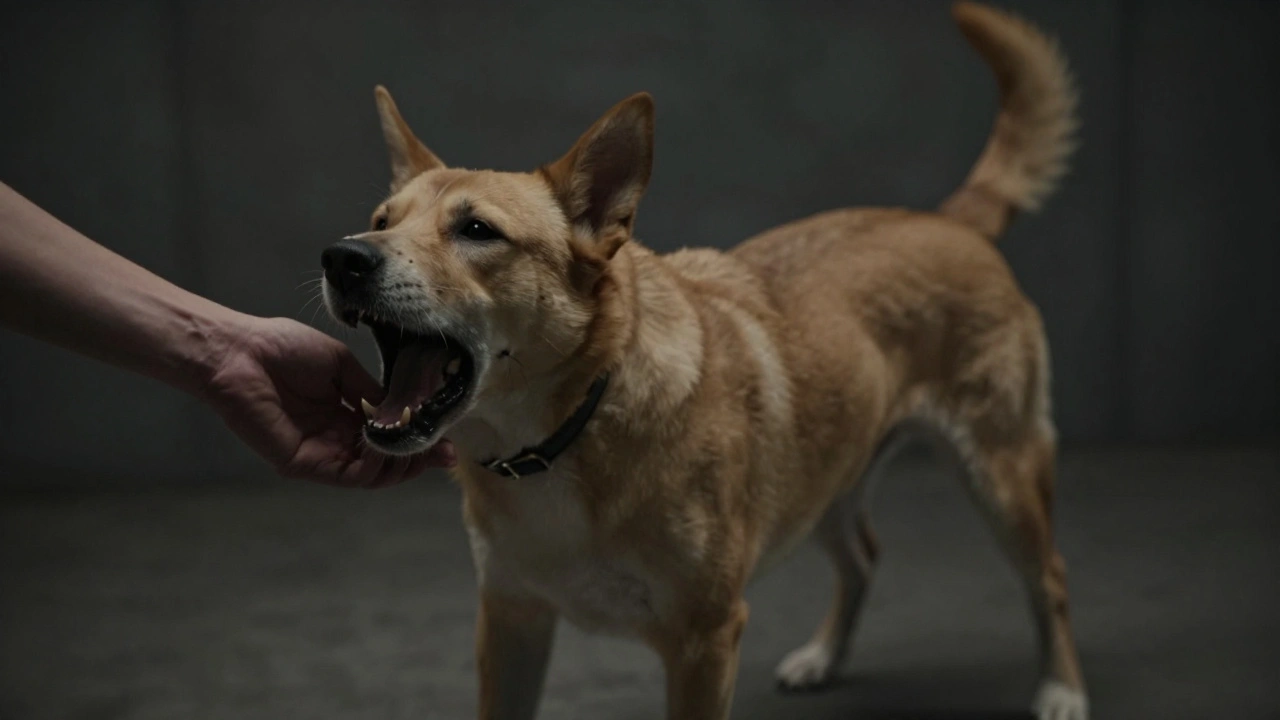
Snapping Without Contact
Some dogs don’t bite. They snap. A quick, loud clack of jaws that doesn’t touch skin. It’s a last warning. Think of it like a car’s brake light. It doesn’t mean you’re about to crash. It means you need to stop now. If a dog snaps at your hand as you reach for their collar, they’re not being mean. They’re giving you a chance to retreat. If you ignore it, they’ll escalate. Snapping dogs are often misunderstood as "nippy" or "overexcited." But they’re actually very clear communicators. They’re saying, "I’ve told you once. I’m telling you again. Don’t touch me."
Why Dogs Bite: It’s Never Random
Dogs don’t attack without reason. They react to feeling trapped, scared, in pain, or protective. A dog that bites a stranger might be guarding their space. One that snaps at a child might be tired, hurt, or startled. A dog that growls at a visitor might have had bad experiences with people in the past. Understanding context matters. A dog that’s been yelled at, poked, or hugged too tightly by kids will learn to associate those actions with danger. You can’t blame the dog. But you can learn to read the signs before they happen.
What to Do When You See the Signs
- Stop moving. Freeze. Don’t reach, don’t talk, don’t stare.
- Look away. Turn your head slightly. Avoid direct eye contact.
- Back up slowly. Don’t turn your back. Sidestep away, like you’re walking around a corner.
- Don’t punish. Yelling or swatting will make the dog more afraid-and more likely to bite.
- Remove the trigger. If a child is too close, gently guide them away. If someone is petting a dog who’s showing stress, ask them to stop.
Prevention: How to Keep It From Happening
Most dog bites happen because people don’t know how to read the signs. But you can change that. Teach kids not to hug dogs on the neck. Don’t let strangers pet your dog without asking first. Give your dog space when they’re eating, sleeping, or resting. Never punish a dog for growling. That teaches them to skip the warning and go straight to biting. Instead, reward calm behavior. If your dog moves away from someone, let them. That’s not rudeness-it’s self-care.
Also, learn your dog’s normal behavior. Does your dog always lick their lips when the vacuum runs? Do they freeze when the mail carrier comes? Knowing their triggers helps you avoid situations before they escalate. A dog that’s been socialized properly, handled gently, and given choices is far less likely to bite.
When to Get Professional Help
If your dog shows warning signs often, especially around people or other animals, don’t wait. A certified dog behaviorist can help identify the root cause-whether it’s fear, pain, territorial behavior, or past trauma. Training isn’t about making the dog "obedient." It’s about helping them feel safe. A vet check is also essential. Arthritis, ear infections, or dental pain can make a dog suddenly aggressive. A dog that never growled before but now snaps might be in physical discomfort.
There’s no shame in asking for help. Dogs don’t choose to be aggressive. They learn it because they feel they have no other option. With the right support, most dogs can learn to feel safe again.
Can a dog that has never bitten before suddenly attack?
Yes. Dogs don’t need a history of biting to attack. A sudden change in behavior-like growling, freezing, or avoiding contact-can signal pain, fear, or stress. A dog that’s always been sweet might snap if they’re injured, startled, or feeling cornered. Never assume past behavior guarantees future safety.
Is it true that certain breeds are more likely to attack?
No. Any dog can bite, regardless of breed. Statistics often mislead because larger breeds get reported more often. But aggression is shaped by environment, training, and individual temperament-not genetics. A well-socialized Chihuahua is less likely to bite than a poorly raised Rottweiler. Focus on the dog’s behavior, not their label.
Should I punish my dog for growling?
Never. Punishing a growl teaches the dog to skip the warning and bite without notice. Growling is communication. It’s the dog saying, "I’m uncomfortable." If you silence that, you lose the early warning system. Instead, remove the trigger and work with a professional to help your dog feel safer.
Can kids learn to recognize these signs too?
Absolutely. Kids can learn simple rules: "Don’t hug dogs while they’re eating," "Don’t wake a sleeping dog," and "If a dog looks stiff or avoids you, walk away slowly." Teach them to watch the dog’s body-not just its tail. A child who understands whale eye or lip licking can avoid a dangerous situation before it starts.
How long does it take for a dog to go from warning to bite?
It can happen in less than a second. That’s why recognizing early signs is so critical. A dog might start with lip licking, then whale eye, then stiffening, then a growl, then a snap-all in under 10 seconds. If you wait until they lunge, it’s too late. The key is to notice the small changes before they add up.