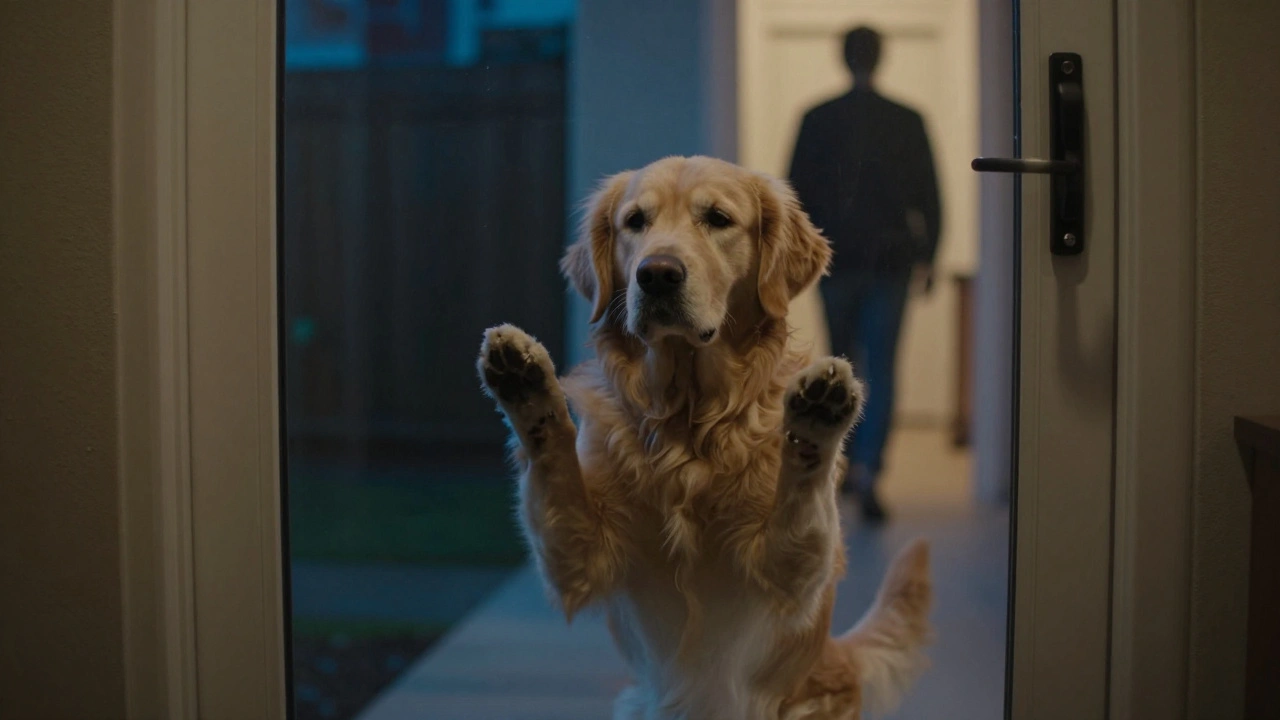
We've all been there. You walk out the door, and the bark starts immediately. It stops your heart every time. Is it just noise, or is something deeper wrong? Many dog owners turn to pills hoping for peace, but the options are messy. You don't want to drug your pet, but you need them calm. This guide cuts through the marketing noise to explain what actually works for separation anxiety and stress.
When a dog is anxious, their body floods with cortisola stress hormone that increases heart rate and energy levels. Over time, high cortisol damages health. The goal isn't just quietness; it's reducing that physiological spike. Natural options like L-Theaninean amino acid found in green tea that promotes relaxation without sedation and Melatonina hormone regulating sleep-wake cycles are popular, but do they hold water? Let's look at the science behind these choices.
Understanding Separation Anxiety in Dogs
Separation anxiety isn't just boredom. It is a panic state triggered by isolation. Symptoms range from destructive chewing to inappropriate elimination. Before trying supplements, you must confirm the behavior fits this profile. A dog who barks when you leave but plays when you return might just need better enrichment. True separation anxiety shows distress even minutes after departure.
The veterinary community distinguishes between generalized anxiety and situational phobias. Fireworks cause fear, but leaving the room triggers attachment disruption. Understanding this difference matters because some supplements work better for sleep issues while others target acute stress. For instance, Tryptophanan essential amino acid that converts to serotonin helps mood regulation over time, whereas others act faster on the nervous system.
How L-Theanine Works for Calm
L-Theanine is often the first recommendation for mild cases. Unlike heavy sedatives, it changes how brain waves function. Specifically, it encourages alpha wave activity associated with a relaxed mental state. Think of it as dimming the volume knob on the background noise of your dog's brain.
- It does not require prescription approval in many regions.
- It avoids the drowsiness common with antihistamines.
- Dosage typically scales by weight, starting around 2-4 mg per pound.
Some commercial brands combine L-Theanine with casein phosphopeptides. These combinations are marketed under names like ZylkeneZylkem. Studies suggest the blend improves response rates in roughly 50% of stressed dogs. However, results vary based on the severity of the anxiety.
Melatonin: More Than Just Sleep Aid
Many people associate melatonin only with insomnia. In dogs, it serves a broader role in calming the autonomic nervous system. It signals the body that it is time to rest, lowering the adrenaline rush that comes during scary events like thunderstorms.
If your dog is reactive at night, this is particularly useful. A common protocol involves giving a dose 30 minutes before a predicted trigger. While human doses might seem high, veterinary guidance suggests 1mg to 5mg depending on size. Always check for underlying health conditions like diabetes, as melatonin can impact insulin sensitivity in rare cases.

What the Research Actually Says
Evidence varies significantly across different compounds. Not every "natural" label means proven efficacy. A study published in the Journal of Veterinary Behavior looked at alpha-casozpeptides and L-Theanine mixes. They found statistically significant reductions in panting and pacing behaviors in test groups.
However, for severe cases, these supplements alone might fall short. That is where veterinary behaviorists step in. They often pair nutraceuticals with SSRIs (Selective Serotonin Reuptake Inhibitors). The combination allows for lower dosages of prescription drugs, reducing side effects like lethargy.
| Option | Primary Use | Onset Time | Sedative Effect |
|---|---|---|---|
| L-Theanine | Mild anxiety | 30-60 mins | Low |
| Melatonin | Sleep & Storms | 45 mins | Moderate |
| CBD Oil | Pain & Stress | 1-2 hours | Variable |
| Prescription Meds | Severe Anxiety | Immediate | High |
Note that CBD Oilcannabidiol extracted from hemp remains a gray area legally and medically. Some dogs respond beautifully, others show no change. Quality control is also a major concern with unregulated brands. Stick to products that provide third-party lab testing certificates.
Safety and Side Effects
Just because something is natural doesn't mean it's harmless. Melatonin interacts with certain medications, including blood thinners. L-Theanine is generally safe, but overdose could theoretically disrupt glucose regulation in sensitive dogs.
Always consult your vet before mixing these supplements. If your dog takes other meds like gabapentin, adding these without supervision creates a polypharmacy risk. Monitor closely for excessive sleepiness or loss of coordination. Your goal is a calm dog, not an unconscious one.
A Holistic Approach to Anxiety
Supplements manage symptoms, they don't cure the root cause. Behavioral modification remains the gold standard for separation anxiety. Desensitization protocols involve teaching the dog that leaving equals safety.
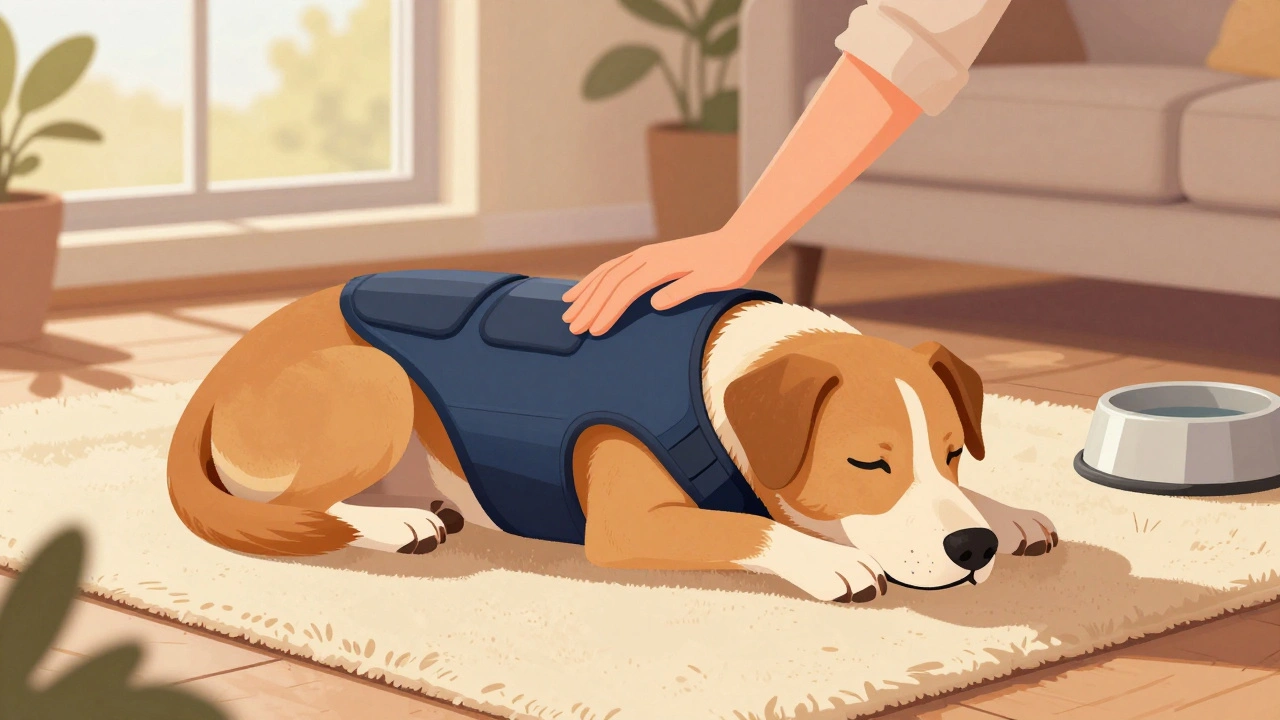
Combine supplementation with tools like ThunderShirtan anxiety vest applying gentle pressure. This multi-modal strategy often yields the fastest results. Pressure plus chemical support plus training addresses the problem from three angles.
Choosing the Right Product
Look beyond the packaging claims. Check the label for concentration. Some cheap chews offer milligram amounts that barely register biologically. Look for brands that follow Current Good Manufacturing Practices (cGMP).
Avoid fillers like corn syrup or artificial dyes. These add calories without benefit. If possible, buy directly from pharmaceutical-grade manufacturers rather than general pet stores. Consistency in ingredient quality ensures consistent results.
Questions Owners Usually Ask
Can I give my dog human melatonin?
Yes, but only plain melatonin. Avoid gummies with xylitol, which is toxic to dogs. Consult your vet for the exact dosage based on your dog's weight.
How long does L-Theanine take to work?
You may notice effects within 30 to 60 minutes for immediate stress. For chronic anxiety, regular daily use builds tolerance and improves baseline mood over weeks.
Do these supplements replace training?
No. Supplements create a calmer state where learning is possible. Without desensitization training, the anxiety returns once the medication wears off.
Are there risks with combining supplements?
There can be. Mixing multiple sedating agents without guidance increases the risk of over-sedation. Always discuss combinations with a veterinarian.
Which supplement is better for loud noises?
L-Theanine mixed with casein peptides often helps with acute phobias. Melatonin is better suited for sleep-related disturbances or long-term night calming.
Every dog is different, and finding the right balance takes patience. Start low, go slow, and track progress carefully. Your dog deserves a life without constant fear, and science offers tools to help make that happen safely.