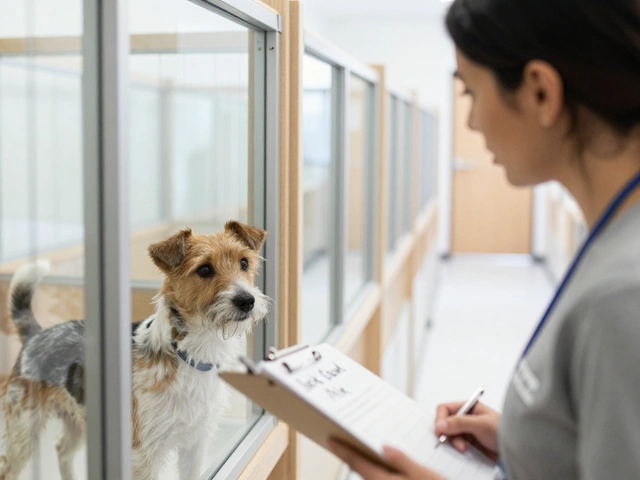
You walk into the shelter, heart racing, hoping to find your soulmate. You spot a terrier mix that looks exactly like the Jack Russell you loved as a kid. You ask the volunteer, "Is he a Jack?" They shrug and say, "We think so." But what if they’re wrong? What if that "Jack" is actually 40% Chihuahua and 60% Beagle? This isn’t just a guessing game; it’s a systemic issue in animal welfare that affects how we prepare for our new family members.
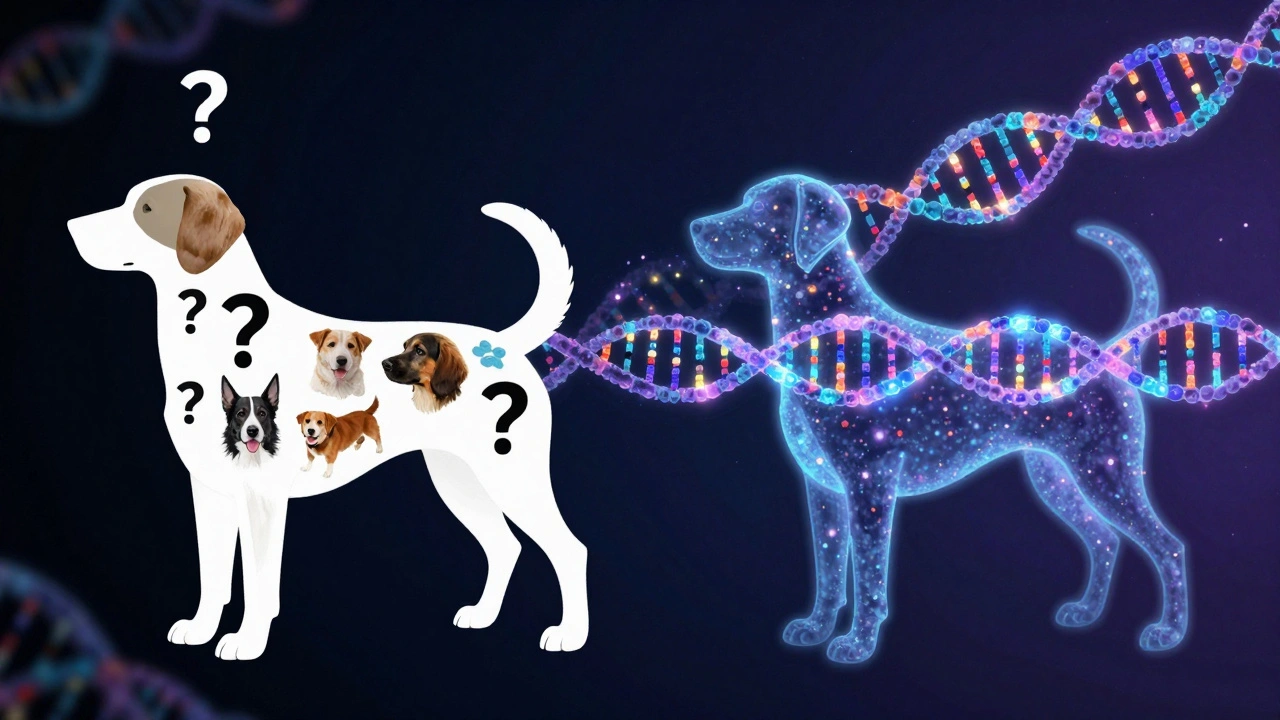
Shelter breed labels are often educated guesses at best. For decades, volunteers have relied on visual identification-looking at ears, snouts, and coat textures-to assign breeds. While well-intentioned, this method is notoriously inaccurate. In fact, studies suggest that even experienced veterinarians struggle to identify mixed-breed dogs accurately without genetic data. Understanding why these labels fail can help you adopt with confidence, focusing on the dog’s actual needs rather than a hypothetical pedigree.
The Myth of Visual Identification
Visual identification relies on phenotype-the physical traits you can see. Volunteers look for specific markers: floppy ears might suggest a Spaniel, while a curled tail might hint at a Husky. However, genetics don’t work like a checklist. A dog can inherit the ear shape of one grandparent and the coat color of another, creating a unique combination that doesn’t match any purebred standard.
Consider the "Terrier Mix." This is perhaps the most common label in shelters across the United States. Terriers are known for their high energy, prey drive, and stubbornness. If a shelter labels a dog a "Terrier Mix," they are likely warning you about behavior, not defining ancestry. But if you assume the dog is purely a Yorkshire Terrier because of its size, you might be unprepared for the digging instincts of a Cairn Terrier or the vocal nature of a Fox Terrier hidden in its DNA.
| Common Label | Visual Cue Used | Often Actually Contains |
|---|---|---|
| Labrador Mix | Short coat, friendly demeanor | Cocker Spaniel, Golden Retriever, or other retriever types |
| German Shepherd Mix | Black and tan coloring, upright ears | Rottweiler, Doberman, or various shepherd crosses |
| Pit Bull Type | Muscular build, broad head | Staffordshire Terrier, Boxer, or American Bulldog mixes |
| Chihuahua Mix | Small size, apple-shaped head | Toy Poodle, Papillon, or Rat Terrier |
The problem isn’t just accuracy; it’s expectation. When you adopt a "Golden Retriever Mix," you might expect a gentle, low-energy companion. If the dog has significant Labrador or even Husky ancestry, you could face higher exercise needs and different training challenges. Mismatched expectations are a leading cause of returns to shelters within the first year of adoption.
How Shelters Assign Breeds Today
Most shelters operate with limited resources. They prioritize medical care, behavioral assessments, and placement over genetic analysis. Breed assignment usually happens during intake. An intake officer observes the dog and fills out a form. This process is fast, subjective, and prone to bias.
Some larger organizations have started using genetic testing kits, such as Embark or Wisdom Panel. These kits use saliva samples to analyze thousands of genetic markers. However, they are expensive-often costing between $100 and $150 per dog-and take weeks to return results. For a shelter processing hundreds of animals monthly, this is rarely feasible for every resident.
When tests are used, they reveal surprising truths. A dog labeled as a "Boxer" might turn out to be a complex mix including Belgian Malinois, Rhodesian Ridgeback, and even some hound breeds. These results help shelters tailor behavior plans more accurately but don’t always change the public-facing label immediately due to administrative lag.
Why Breed Labels Matter Less Than Behavior
If breed labels are unreliable, what should you focus on? The answer lies in behavioral assessment. Every shelter dog undergoes a series of evaluations to determine their temperament, energy level, and social compatibility. These assessments are far more predictive of your future life together than any guess about ancestry.
Ask yourself these questions before adopting:
- Energy Level: Does the dog bounce around the kennel (high energy) or sleep calmly (low energy)?
- Social History: How does the dog react to strangers and other dogs?
- Training Background: Does the dog know basic commands like sit, stay, or come?
- Prey Drive: Does the dog chase small animals or toys intensely?
A high-energy "Herding Mix" will need mental stimulation regardless of whether it’s part Border Collie or part Australian Shepherd. A calm "Retriever Mix" will suit apartment living whether it’s part Lab or part Cocker Spaniel. Focusing on these tangible traits helps you build a realistic picture of daily life.
The Impact of Bias on Adoption Rates
Breed labels aren’t neutral. They carry cultural baggage. Dogs labeled as "Pit Bull Types" or "Mastiff Mixes" often stay in shelters longer than those labeled as "Golden Retriever Mixes" or "Corgi Mixes." This phenomenon, known as breed stigma, leads to tragic outcomes. Thousands of adoptable dogs are euthanized annually simply because their appearance triggers fear or misconception.
In Portland, Oregon, where I’ve observed local shelter trends, there’s a growing movement toward "breed-neutral" labeling. Some organizations now list dogs by size, age, and temperament rather than guessed breeds. This approach reduces bias and encourages potential adopters to look past stereotypes. It forces us to evaluate the individual dog, not the label.
Research from the ASPCA and other animal welfare groups shows that when breed labels are removed or clarified as "mixed breed," adoption rates for stigmatized dogs increase. People become more open to meeting the dog on its own merits. This shift is crucial for reducing shelter overcrowding and saving lives.

Genetic Diversity and Hybrid Vigor
Mixed-breed dogs often benefit from hybrid vigor, also known as heterosis. This biological phenomenon occurs when offspring from genetically diverse parents exhibit improved health and vitality compared to their purebred counterparts. Purebreds can suffer from inherited diseases due to limited gene pools, such as hip dysplasia in German Shepherds or breathing issues in Pugs.
While mixed breeds aren’t immune to health issues, they generally have a broader genetic base. This can mean fewer predispositions to specific hereditary conditions. However, this doesn’t guarantee perfect health. Environmental factors, diet, and lifestyle play massive roles in a dog’s longevity. Regular veterinary check-ups remain essential, regardless of lineage.
Understanding hybrid vigor helps reframe the narrative around mixed breeds. Instead of seeing them as "unknowns," we can view them as genetically resilient individuals. This perspective supports responsible ownership and long-term commitment.
What Adopters Should Do Next
So, how do you navigate the world of uncertain breed labels? Start by shifting your mindset. Stop asking, "What breed is this?" and start asking, "What kind of life does this dog need?"
- Talk to Staff: Ask detailed questions about the dog’s behavior, not just its appearance. Request access to behavioral assessment notes.
- Meet Multiple Times: Spend time with the dog in different environments. See how it reacts to noise, crowds, and other pets.
- Consider Genetic Testing: If curiosity drives you, consider post-adoption testing. Many companies offer home kits that provide detailed ancestry reports. Treat this as fun information, not a definitive guide to behavior.
- Prepare for Surprises: Accept that the dog may shed differently, bark more, or require more exercise than expected. Flexibility is key to successful adoption.
Remember, the goal isn’t to find a specific breed. It’s to find a compatible companion. The right dog fits your lifestyle, energy level, and home environment. Breed labels are just noise in the background of that decision.
Are shelter breed labels completely useless?
Not entirely. They can offer rough hints about size, coat type, or general energy levels. However, they should never be treated as factual pedigree information. Always prioritize behavioral assessments over breed guesses.
Can I get genetic testing done for my adopted dog?
Yes. Companies like Embark Veterinary and Wisdom Panel offer affordable saliva-based tests. These provide detailed ancestry breakdowns and health risk assessments. Results typically arrive in 2-3 weeks.
Why do some shelters still use specific breed names?
Historical practices and volunteer intuition play a role. Additionally, some people search for specific breeds online. Using familiar terms can sometimes attract more views, though this practice is changing due to increased awareness of inaccuracies.
Does a "Pit Bull" label affect insurance or housing?
Unfortunately, yes. Many landlords and insurers maintain breed restrictions based on appearance alone. This highlights the importance of understanding local laws and preparing documentation if needed, though many places are moving toward breed-neutral policies.
How can I ensure I’m prepared for a mixed-breed dog?
Focus on the dog’s demonstrated behavior. Ask the shelter about its energy level, trainability, and social history. Prepare your home for various shedding patterns and exercise needs. Be flexible and patient as you learn your dog’s unique personality.