Bringing a dog into your home isn’t just about picking the cutest puppy you’ve ever seen. It’s about finding a dog that fits your family’s rhythm-your schedule, your space, your energy level. Too many families end up returning dogs because they didn’t think through the basics before falling in love with a photo online. If you’re thinking about adding a dog to your household, here’s what actually matters.
How much space do you really have?
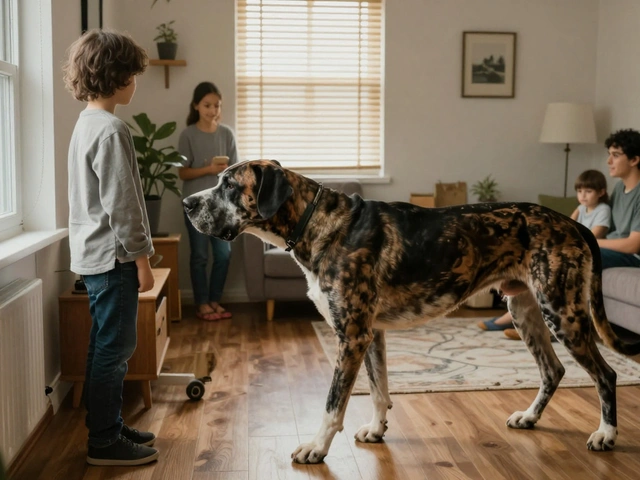
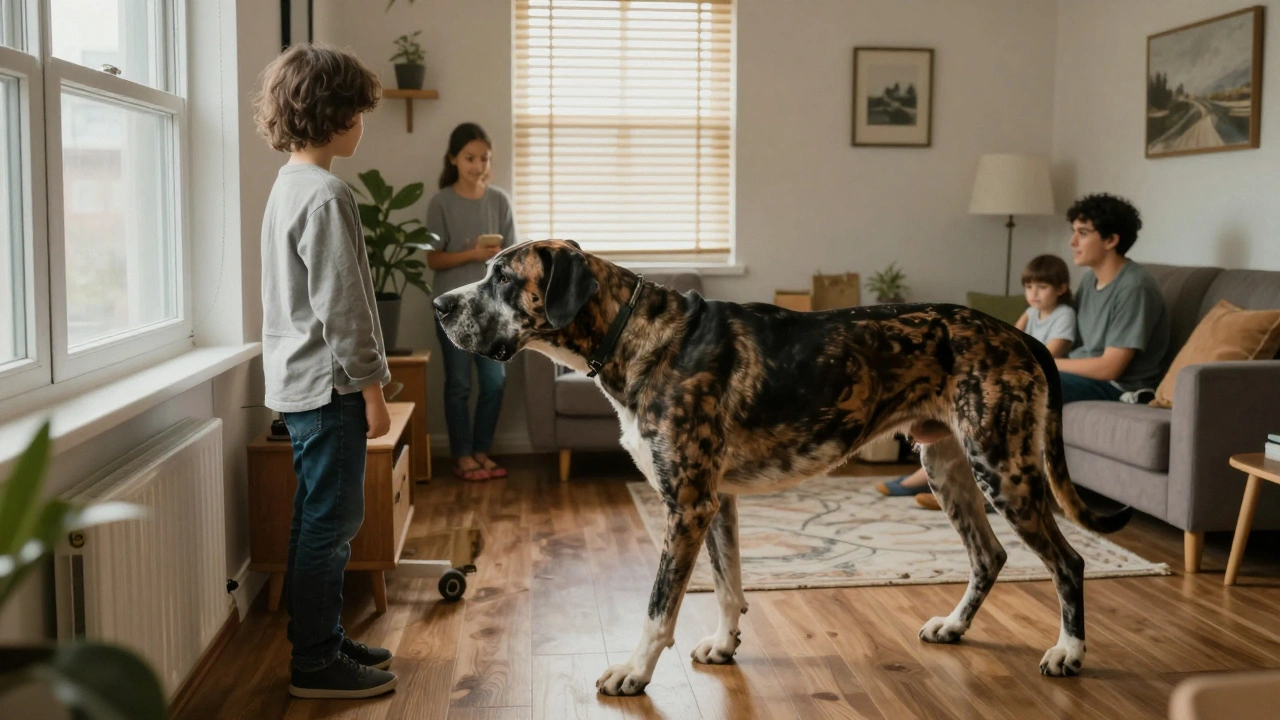
Size isn’t just about how big the dog is. It’s about how much room you have to move, play, and live together. A Great Dane might look gentle, but if you live in a small apartment with no backyard, that dog will get restless. On the flip side, a high-energy Border Collie might be fine in a house with a yard, but if you’re stuck in a studio with no outdoor access, you’ll both be stressed.Most families don’t realize that small dogs aren’t always easier. A Chihuahua might fit on your lap, but it can be hyperactive and needs constant attention. Meanwhile, a Labrador Retriever, even though it’s larger, often adapts better to apartment living because it’s calm indoors and just needs daily walks.
Think about this: Can you walk your dog twice a day, rain or shine? Can you clear a space for them to stretch out inside? If the answer is no, go for a low-energy breed like a Basset Hound or a Bulldog. They sleep a lot, move slowly, and don’t need miles of exercise.
What’s your family’s energy level?
Some families are always on the go-hiking, biking, playing soccer in the park. Others are more low-key: movie nights, quiet dinners, early bedtimes. Your dog should match that.If you’re the type who wakes up at 6 a.m. to run five miles, a Siberian Husky or Australian Shepherd might be perfect. They were bred to work all day and need mental and physical stimulation. But if your idea of exercise is walking to the mailbox, you’ll quickly get frustrated with a dog that barks at squirrels, digs holes, or tries to escape the yard.
Look at your weekends. Are you busy with kids’ activities? Do you travel often? A dog that can handle being alone for a few hours, like a Greyhound or a Shih Tzu, is better than one that suffers from separation anxiety-like a Vizsla or a German Shepherd. These breeds bond tightly and can destroy furniture or howl nonstop if left alone too long.
Do you have young kids?
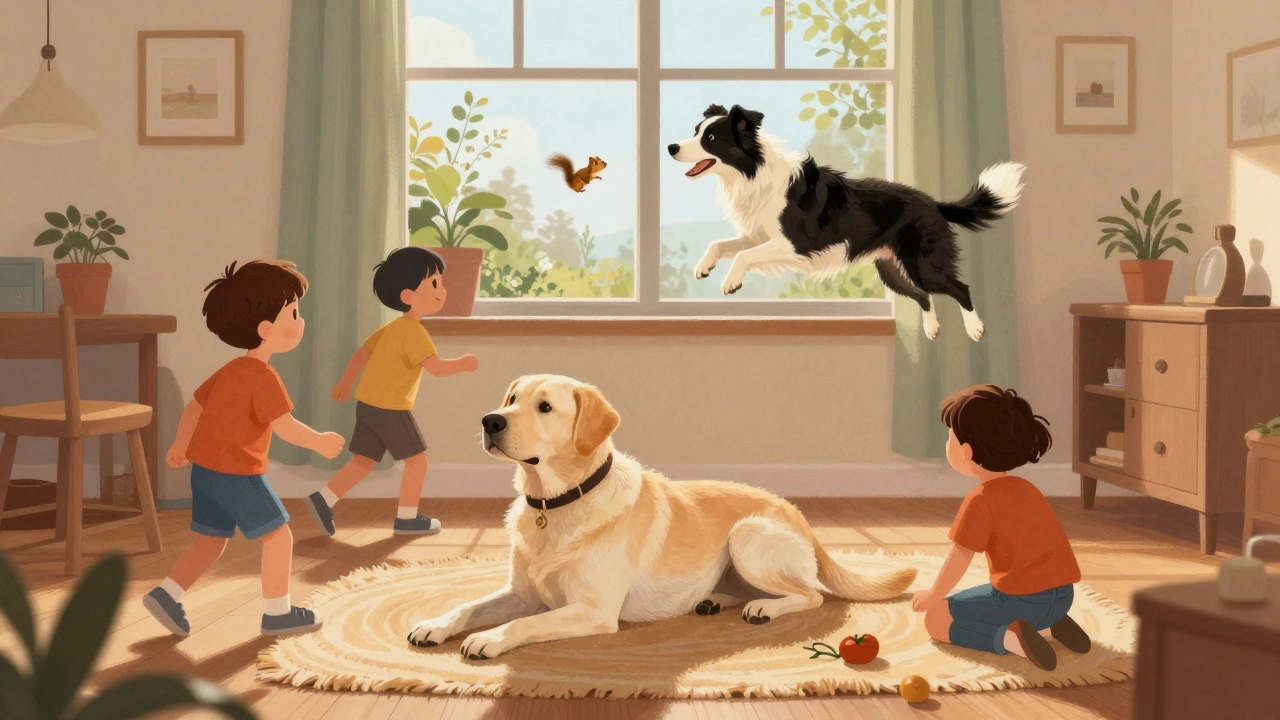
Not all dogs are good with children. Some are patient. Others are skittish, easily startled, or too rough. If you have toddlers or preschoolers, you need a dog with a calm temperament and high tolerance for noise, grabbing, and sudden hugs.Golden Retrievers and Labrador Retrievers top the list here. They’re sturdy, forgiving, and love kids. They’ve been bred for generations to work alongside people, not just as pets but as helpers. They don’t snap when a child pulls their ear.
Avoid breeds known for being sensitive or easily overwhelmed. Poodles, while smart, can be anxious if kids are too loud. Terriers like the Jack Russell are energetic and fun-but they have a high prey drive and can nip if they feel threatened. A 3-year-old doesn’t understand boundaries. Your dog shouldn’t have to.
Also, consider size. A small dog like a Maltese can get crushed by a toddler’s hug. A large, gentle dog like a Newfoundland is better suited for kids who want to climb on them.
How much time can you spend grooming?
This is one of the most overlooked factors. Some dogs shed like crazy. Others need weekly haircuts. If you hate vacuuming, don’t get a Husky. If you can’t stand brushing, skip the Cocker Spaniel.Shedding breeds like German Shepherds and Beagles drop fur constantly. You’ll find it on your clothes, your couch, your breakfast cereal. If that drives you crazy, go for a low-shedding breed like a Poodle, a Bichon Frise, or a Shih Tzu. They still shed a little, but not the way others do.
Then there’s grooming. A Poodle needs a professional trim every 6-8 weeks. That’s $50-$100 every couple of months. A Newfoundland has a thick double coat that mats easily-you’ll need to brush it daily. If you’re not ready for that, a short-haired breed like a Boxer or a Dalmatian is easier. They shed, but brushing once a week is enough.
What’s your budget beyond food?
People forget that dogs cost more than food and toys. Vet bills add up. Some breeds are prone to health problems.Bulldogs have breathing issues. Dachshunds often get back problems. Large breeds like Great Danes and Saint Bernards have shorter lifespans and are more likely to need expensive surgeries. A simple knee operation can cost $3,000-$5,000.
On the flip side, mixed breeds often have fewer genetic issues. A mutt from a shelter might be healthier than a purebred from a breeder. That’s not a guarantee, but it’s a strong trend. If you’re on a tight budget, consider adopting a dog over 1 year old. They’re past the puppy stage, their health history is clearer, and they’re often already house-trained.
Also, think about pet insurance. It’s not cheap, but for breeds with known issues, it can save you thousands. If you’re looking at a Cavalier King Charles Spaniel, for example, know that nearly half develop heart disease by age 6. Insurance helps.
Are you ready for the long haul?
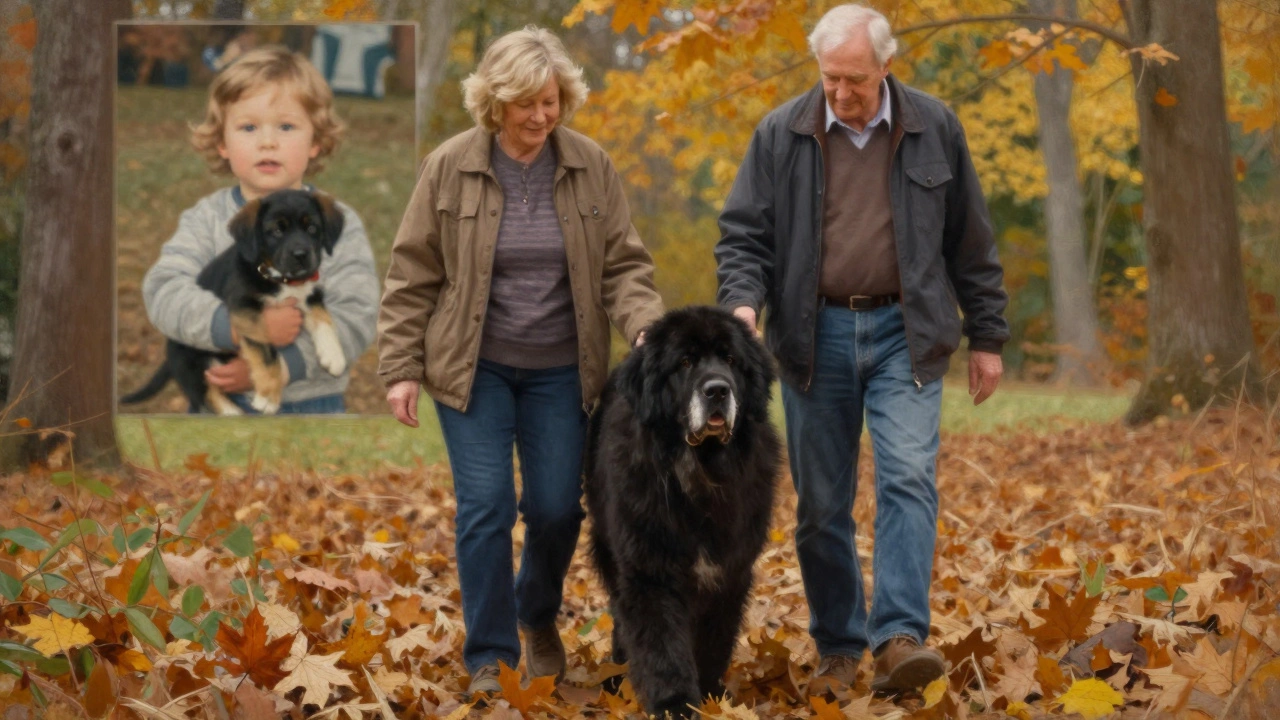
Dogs live 10 to 15 years, sometimes longer. That’s not a seasonal hobby. It’s a commitment that outlasts jobs, relationships, and moves.Many families get dogs when their kids are young, thinking they’ll grow up together. But what happens when the kids leave for college? Or when one parent works overtime? The dog doesn’t care. It still needs walks, food, and attention.
Think ahead. Will you still want to walk a 60-pound dog in your 70s? Can you afford vet care in 10 years? If you’re unsure, consider a senior dog. Many shelters have dogs 5-8 years old that are calm, trained, and still have years of love to give. They’re often overlooked-but they’re perfect for families who want companionship without the chaos of puppyhood.
What kind of training are you willing to do?
Some breeds are easy to train. Others? Not so much.Border Collies, German Shepherds, and Poodles are incredibly smart. They learn fast-but they also get bored. Without mental challenges, they’ll find their own entertainment. That might mean chewing your shoes or barking at the neighbors.
On the other end, breeds like Bulldogs or Shih Tzus are stubborn. They’re not dumb-they just don’t care as much. You’ll need patience, consistency, and treats. If you’re not ready to spend 15 minutes a day on training, go with a breed that’s naturally more relaxed.
Also, think about socialization. Puppies need exposure to different people, sounds, and places. If you work long hours, you won’t have time to take them out. A dog that’s not socialized by 6 months can become fearful or aggressive. That’s not a personality flaw-it’s a training gap.
Look for breeds known for being adaptable. The Beagle, for example, is friendly, easygoing, and gets along with most people. The Cavalier King Charles Spaniel is another. They’re not the brightest, but they’re happy to just be near you.
Final checklist before you choose
- Can you walk your dog every day for the next 10 years?
- Do you have room for them to sleep, stretch, and play indoors?
- Are you okay with daily brushing or weekly grooming?
- Do you have the money for unexpected vet visits?
- Will your kids be gentle with them?
- Are you ready for a long-term commitment?
If you answered yes to all of these, you’re ready. If not, wait. A dog isn’t a decoration. It’s a living member of your family. Choose wisely, and you’ll have a loyal companion for years. Choose poorly, and you’ll end up back at the shelter-feeling guilty and wondering why you didn’t do your homework.