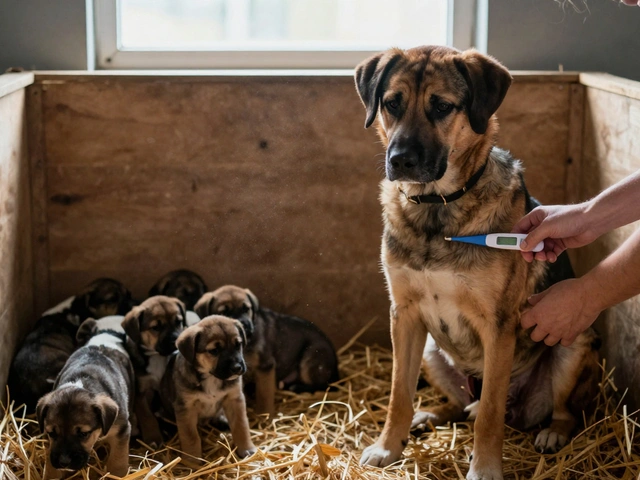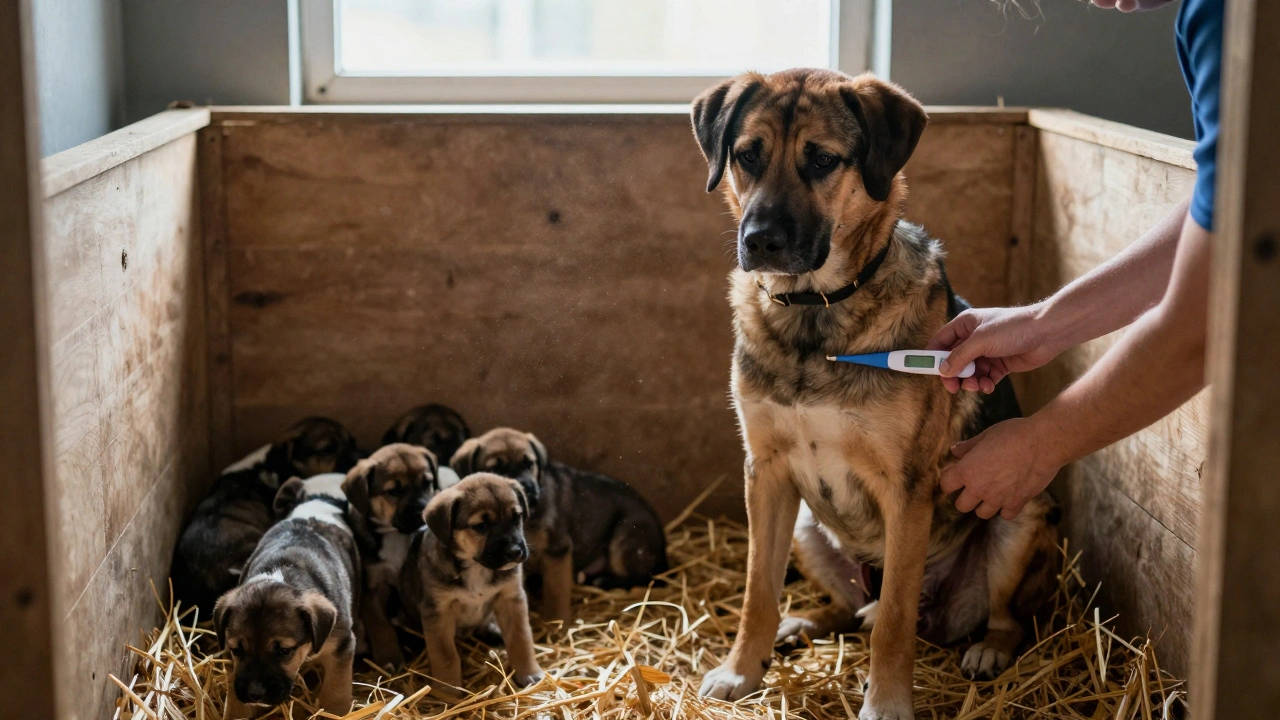
You wake up early to check on your pregnant queen-or rather, your brood bitch-and hear nothing. No squirming pups, no soft mewing sounds. Just silence. Then you notice she is pacing nervously, refusing food, and her skin near the belly feels rock hard and hot to the touch. This scenario terrifies every breeder. We assume our dams are ready for anything, but reproductive health brings vulnerabilities that demand attention. Two major issues haunt the post-partum period: Canine Mastitis is an inflammation of the mammary glands caused by bacterial infection, often leading to pain and reduced milk production, and low milk supply, medically known as agalactia.
If left unchecked, these problems threaten both the mother's recovery and the survival of the litter. You cannot rely on luck alone when managing a whelping box. Understanding what normal lactation looks like helps you spot trouble before it becomes an emergency. Healthy teats should feel pliable, cool, and release clear or creamy white milk. If they feel swollen, bruised, or secrete blood or pus, you are likely dealing with an infection.
Recognizing the Physical Signs of Trouble
Symptoms rarely announce themselves politely. They creep in over hours or days. You might think your dog is just "off" for the day, missing a meal because she wants to protect the puppies. But true illness shows physical markers that do not ignore hunger cues. First, check the temperature of the nipples. A warm compress feels good on a sore muscle, but hot teats signal inflammation. If the skin is red or purple, the underlying tissue is fighting bacteria.
Behavior changes act as a secondary alarm system. A dam suffering from Lactation Issues is a condition where a nursing mother experiences difficulty producing or secreting milk due to infection, hormonal imbalance, or stress will often reject the pups during nursing times. She may pace, pant excessively, or growl when approached near her teats. Do not interpret aggression as bad parenting; it is pain response. The pup tries to nurse, the mother flinches, and the cycle breaks down. Eventually, the puppies cry constantly from hunger while the mother refuses to feed them.
Other indicators include discharge from the nipple openings. Normal milk is white or yellowish. If you see streaks of pink, brown, or cloudy green fluid, the mammary tissue is compromised. Fever accompanies these signs in most cases. A rectal temperature above 102°F (38.9°C) combined with hard glands confirms systemic involvement. You need to track these observations daily during the first three weeks after birth.
Understanding Why Milk Supply Fails
Not every problem stems from infection. Sometimes the body simply stops the flow of nutrients needed to make milk. Agalactia is the medical term for the inability to produce any breast milk after giving birth. This condition often arises from physiological stress or nutritional deficiencies. Think of the body like a factory; if the raw materials run out, production halts. Water intake is the primary driver here. Dehydration is the silent killer of milk supply. If your dog has been eating well but drinking less, her system prioritizes maintaining her own hydration over making milk for the litter.
Hormonal mismatches play a role too. Oxytocin triggers the let-down reflex, releasing milk from storage sacs into ducts. Stress blocks oxytocin. Loud noises, handling the puppies too much, or moving the nesting box around can spike cortisol levels. High cortisol suppresses the hormones needed for lactation. Additionally, calcium imbalances cause muscle stiffness that prevents the milk ejection reflex from firing correctly. This creates a cycle where the breast engorges but never empties, eventually leading to pressure sores and infection.
Dietary gaps also contribute significantly. Many homemade diets lack sufficient calories or fat content required for the energy expense of nursing. Commercial puppy formulas contain high protein and fat percentages specifically designed for growth. Adult maintenance food does not cut it during the peak lactation window. You need dense caloric sources like boiled eggs, lean ground beef, or specialized high-calorie canned foods. Without extra fuel, the body shuts down milk production to conserve energy.
| Issue | Primary Cause | Visual Symptoms | Urgency Level |
|---|---|---|---|
| Mastitis | Bacterial infection, blocked duct | Red, hot, painful nodules | High |
| Aagalactia | Dehydration, stress, hormones | Empty, soft, non-productive teats | Medium-High |
| Pneumomastitis | Teat inversion causing air entry | Swollen, gas-filled feel | High |
| Blood Clot | Blocked duct injury | Firm lump, dark discoloration | Immediate |
Treatment Protocols for Infected Glands
When diagnosis points toward infection, home remedies bridge the gap until veterinary intervention arrives. However, you must understand the limits of DIY care. Severe infections penetrate deep into tissue and require prescription antibiotics. Oral medications for humans are not safe for dogs. Dosages vary wildly based on weight and kidney function, and wrong drugs can poison the litter through the milk.
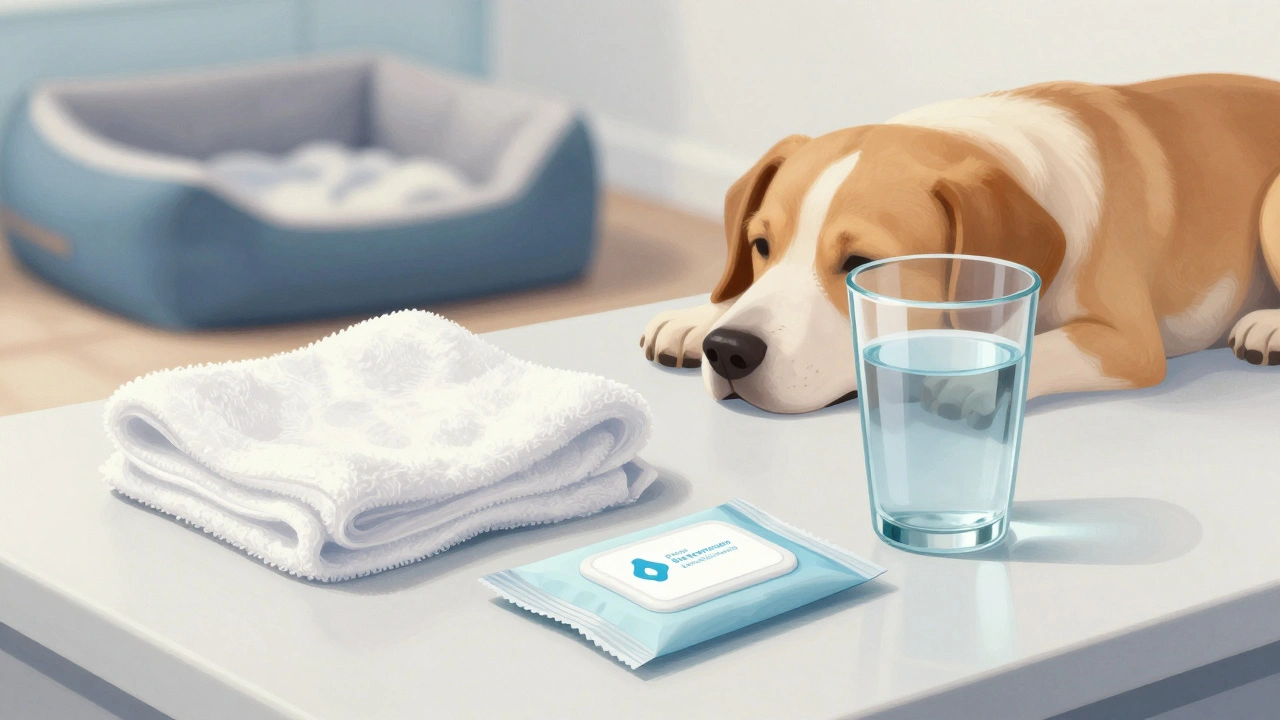
The immediate goal is to drain the gland gently. Stagnant milk creates a culture medium for bacteria. Start with warm compresses. Soak a clean washcloth in warm water-not scalding hot-and apply it to the affected area for ten minutes. Follow this with gentle massaging toward the nipple opening. Do not squeeze hard. If the teat contains a plug of clotted milk, you might help it move, but force risks rupturing the duct internally.
Hygiene plays a massive role in stopping spread. Clean the entire abdominal area with mild antiseptic wipes or diluted chlorhexidine solution. Change bedding immediately after contact with discharges. Keep the environment dry. Moisture against irritated skin encourages fungal growth alongside bacteria. If you see multiple glands involved, isolate the mother from other animals. Some forms of canine mastitis involve pathogens transmissible through licking.
Antibiotic therapy remains the gold standard. Common choices prescribed by vets include Amoxicillin or Cephalexin, depending on sensitivity tests. These medications effectively kill common skin pathogens found on teats. Treatment typically lasts seven to fourteen days. Skipping doses allows bacteria to rebound stronger than before. Always finish the full course even if symptoms vanish early.
Boosting Natural Milk Production
For cases involving low supply rather than infection, the focus shifts to stimulation and nutrition. Galactagogues are substances that promote milk flow, but natural methods work best first. Frequent nursing is the strongest trigger. Emptying the breast signals the body to make more. If the mother avoids the pups, you may need to hand-strip milk gently to mimic this demand.
Nutritional adjustments happen fast. Offer small, frequent meals instead of two large ones. Digestion works better when food comes in manageable portions. Add liver powder or bone broth to water to encourage drinking. Electrolyte supplements can help if dehydration has set in. Avoid sudden changes to the diet formula; switching brands during lactation often causes digestive upset, which lowers appetite further.
Herbal support offers some promise, though results vary. Fenugreek seeds have historical backing in livestock management. Grinding a small amount into food adds fiber and potential hormone support. Chamomile tea (caffeine-free) applied topically soothes inflamed tissue without toxic risk. However, always consult your vet before introducing new supplements into the mother's regimen. Toxicity varies, and purity of herbs in pet stores is inconsistent.
Emergency Support for the Puppies
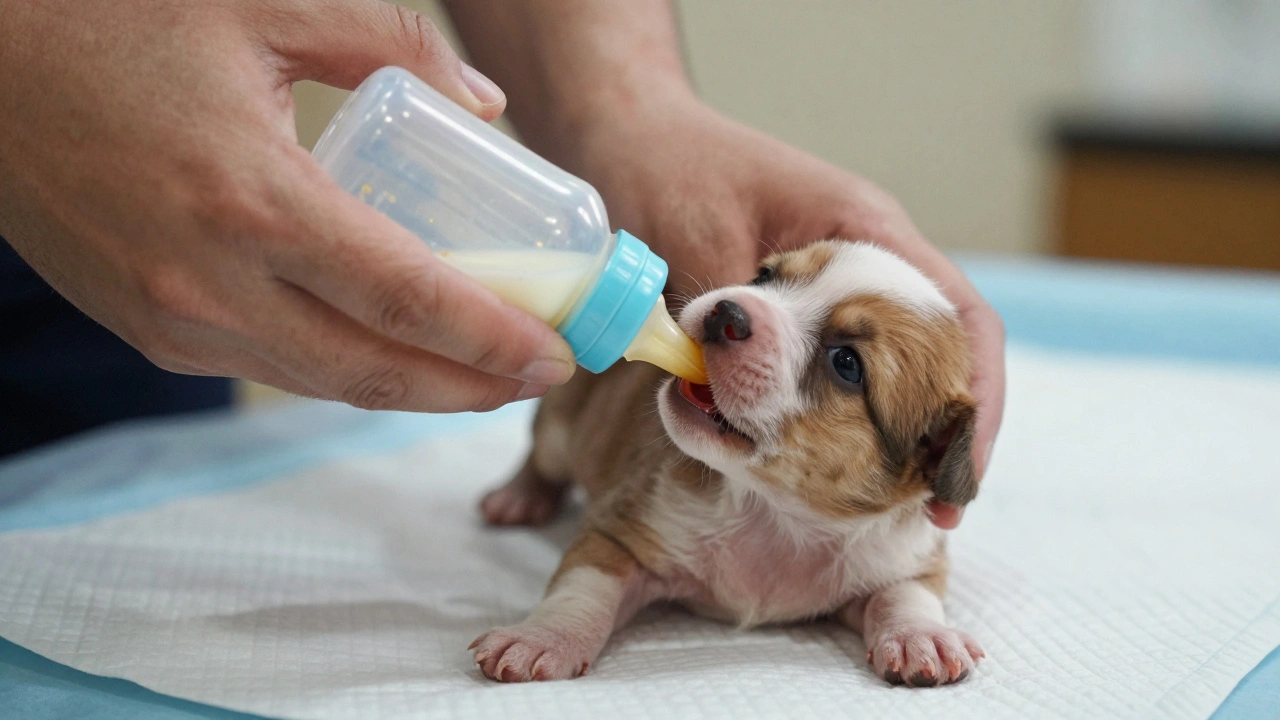
Sometimes the mother recovers quickly, but the damage to the litter is already done. Hungry puppies become weak fast. Their blood sugar drops, leading to hypoglycemia and death within 24 hours. You must be prepared to step in. Puppy Formula is a specialized milk replacer formulated for newborn dogs, distinct from cow milk which causes severe diarrhea. Never feed regular cow's milk. Their digestive systems cannot break down the lactose, resulting in fatal gut distress.
Buying pre-mixed bottles saves time. Pet supplies stores carry specific brands tailored for neonates. If you cannot reach a store, temporary mixing with goat's milk is safer than cow's milk, but still risky long-term. Feed lying down, supporting the neck. Do not prop the bottle upright. Gravity forces liquid into the lungs, causing aspiration pneumonia. Watch the puppy swallow actively. If eyes widen or mouth foams, stop feeding.
Temperature regulation matters. A cold puppy cannot digest food. Warm them gradually with a blanket before attempting the next meal. Place a heating pad under half the whelping box so they can escape heat if needed. Record weight daily. Healthy puppies should gain consistent ounces every morning. Weight loss indicates starvation or illness unrelated to milk quality.
Prevention Strategies for Future Whelps
Learning from current crises protects future litters. Start checking the bitch's teats weeks before the expected birth date. Enlargement begins late in pregnancy. Look for hardness or unusual bumps early. Addressing them then prevents full-blown mastitis later. Regular exercise during pregnancy keeps metabolism active and prevents excessive weight gain that complicates delivery.
Sanitation protocols extend beyond the birthing moment. Wash hands before touching pups. Limit visitors during the critical first week. Stress management benefits the mother. A quiet room, familiar smells, and minimal interference allow hormonal balance to stabilize. Consider scheduling a postpartum vet checkup within ten days. Catching sub-clinical infections early means smaller doses of medicine and faster recovery.
Raising successful litters relies on observation skills more than equipment. The most expensive monitors do nothing if you miss behavioral changes. Train family members to spot warning signs so they know when to call you. Knowledge spreads through the pack, keeping the herd safe.
Frequently Asked Questions
How long does canine mastitis take to heal?
Most mild cases respond to antibiotics within five to seven days. Chronic or abscessed cases can take three weeks or require surgical drainage. Monitor daily for improvement.
Is it safe for puppies to nurse if the mother is on antibiotics?
Always ask your vet. Some antibiotics pass into milk and harm the pups’ developing gut flora. Doctors often suggest bottle-feeding temporarily during treatment to be safe.
Can a dog get mastitis without being pregnant?
Yes. False pregnancy (pseudopregnancy) produces milk sometimes. Spayed females or intact females can develop mastitis from trauma, cysts, or tumors unrelated to nursing.
What is the best way to tell if milk supply is low?
Check the puppies. If they are constantly crying and falling behind in weight, supply is insufficient. Feel the udder; it should feel heavy before nursing and lighter after. Empty feeling consistently means low production.
Should I stop a dog from nursing if she has infected teats?
Yes, temporarily. Infection passes through milk to pups. Express milk safely by hand for comfort, but separate them until your vet confirms safety. Resume nursing once treatments end.