Buying a designer dog is often driven by the hope of getting a specific look or temperament, but the reality is rarely that predictable. When you cross two distinct breeds, you aren't just blending colors; you are mixing complex genetic codes that dictate everything from coat texture to anxiety levels. The term "designer dog" refers to intentionally bred crosses between purebred dogs, such as the popular Labradoodle or Cocker Spaniel mixes. Unlike random shelter mutts, these hybrids are marketed with specific expectations, yet their traits can vary wildly from litter to litter.
The core issue for any potential owner is the uncertainty. You might want a low-shedding companion, only to end up with a dog that molts like a Golden Retriever. Or you might seek a high-energy athlete, but get a couch potato due to the dominant genes of the smaller parent breed. Understanding how these combinations work requires looking beyond marketing names and into the actual biological mechanics of canine genetics.
Why People Choose Designer Breeds
The rise in popularity of hybrid dogs over the last two decades stems from three main drivers: allergy concerns, size predictability, and perceived health benefits. Many owners believe that mixing a Poodle with another breed will eliminate shedding, making the dog hypoallergenic. While this is true for some individuals, it is not a guaranteed outcome. The Poodle gene for low-shedding coats is dominant, but recessive genes from the other parent can still express themselves, resulting in a dog that sheds moderately or heavily.
Size is another major factor. Owners often choose a mix because they want a medium-sized dog without the bulk of a large breed. For instance, a Cockapoo (Cocker Spaniel and Poodle) is generally smaller than a standard Poodle but larger than a Toy Poodle. However, growth plates close at different rates depending on the parentage, meaning a puppy's adult size can be difficult to estimate accurately before six months of age.
Finally, there is the concept of hybrid vigor, or heterosis. This theory suggests that offspring of two genetically diverse parents will have better overall fitness than either parent. In practice, this means fewer congenital defects associated with extreme purebred lines. However, hybrid vigor does not protect against all genetic diseases. If both parents carry a recessive gene for hip dysplasia, the mix is still at risk, even if neither parent shows symptoms.
Decoding the Genetics of Common Crosses
To understand what you might get, you need to look at the specific traits of the parent breeds. Let’s break down three of the most common designer combinations and what their genetics typically produce.
- Labradoodle: A cross between a Labrador Retriever and a Poodle. The Labrador contributes high energy and a friendly demeanor, while the Poodle adds intelligence and a curly coat. The result is usually a highly trainable, active dog. Coat type varies significantly; some are wavy, others are tight curls. Grooming needs range from weekly brushing to professional clipping every six weeks.
- Cockapoo: A mix of a Cocker Spaniel and a Poodle. These dogs are known for being affectionate and eager to please. They tend to be smaller, making them suitable for apartments. Their coats are often softer and less dense than Labradoodles, requiring regular brushing to prevent matting. They inherit the Cocker Spaniel’s tendency toward ear infections, so hygiene is critical.
- Maltipoo: A combination of a Maltese and a Poodle. This is one of the smallest designer breeds. They are gentle, good with children, and adapt well to indoor living. The coat is typically silky and straight or slightly wavy. Because of their small size, they are prone to dental issues and patellar luxation, requiring careful weight management and regular vet check-ups.
Notice the pattern? In each case, the Poodle provides the coat structure and intelligence, while the other breed provides the size, energy level, and specific physical traits. But genetics is not simple addition. It is a lottery where the dominant traits win out. A Labradoodle might look more like a Lab with a woolly coat, or more like a Poodle with a short muzzle. Both are valid expressions of the same cross.
Temperament: More Than Just a Blend
Many buyers assume that a mix will have the best of both worlds in terms of personality. If the father is calm and the mother is energetic, the puppy will be balanced. This is a myth. Temperament is influenced by dozens of genes, not just one or two. Furthermore, early socialization plays a far greater role in adult behavior than breed lineage.
However, certain behavioral tendencies do run strong in specific mixes. For example, Sheepadoodles (German Shepherd and Poodle) often retain the protective instincts of the German Shepherd. Without proper training, this can lead to wariness around strangers or excessive barking. On the other hand, a Goldendoodle (Golden Retriever and Poodle) tends to be universally friendly, inheriting the Golden’s lack of suspicion. This makes Goldendoodles excellent therapy dogs, but potentially less effective as guard dogs.
You must also consider the prey drive. Terrier mixes, like the Jack Russell Terrier and Poodle cross (often called a Jorkie-Poo variant), often have a high prey drive. This means they may chase cats, squirrels, or even small children if not trained properly. Understanding the working history of the parent breeds helps you anticipate these challenges. A herding mix needs mental stimulation through tasks, while a sporting mix needs physical exercise through running and swimming.

Health Considerations and Vet Costs
One of the biggest misconceptions about designer dogs is that they are healthier than purebreds. While hybrid vigor exists, it is not a cure-all. Each parent breed brings its own set of genetic predispositions. A Beagle and Dachshund mix (Beagle-Dachshund) is at risk for intervertebral disc disease (IVDD) from the Dachshund side and obesity-related joint issues from the Beagle side.
Here is a comparison of common health risks associated with popular designer mixes:
| Mix Name | Parent Breeds | Primary Health Concerns | Average Lifespan |
|---|---|---|---|
| Labradoodle | Labrador Retriever, Poodle | Hip Dysplasia, Progressive Retinal Atrophy (PRA) | 10-15 years |
| Cockapoo | Cocker Spaniel, Poodle | Ear Infections, Hip Dysplasia, Eye Issues | 14-18 years |
| Maltipoo | Maltese, Poodle | Dental Disease, Patellar Luxation, Tracheal Collapse | 12-15 years |
| Goldendoodle | Golden Retriever, Poodle | Hypothyroidism, Heart Disease, Cancer | 10-15 years |
These conditions require ongoing veterinary care. Hip dysplasia, for example, can progress slowly over several years, leading to expensive surgeries if left unmanaged. Buying a designer dog from a reputable breeder who performs genetic testing on both parents can reduce, but never eliminate, these risks. Always ask for OFA (Orthopedic Foundation for Animals) or PennHIP scores for hips, and eye certificates for vision disorders.
Grooming and Maintenance Realities
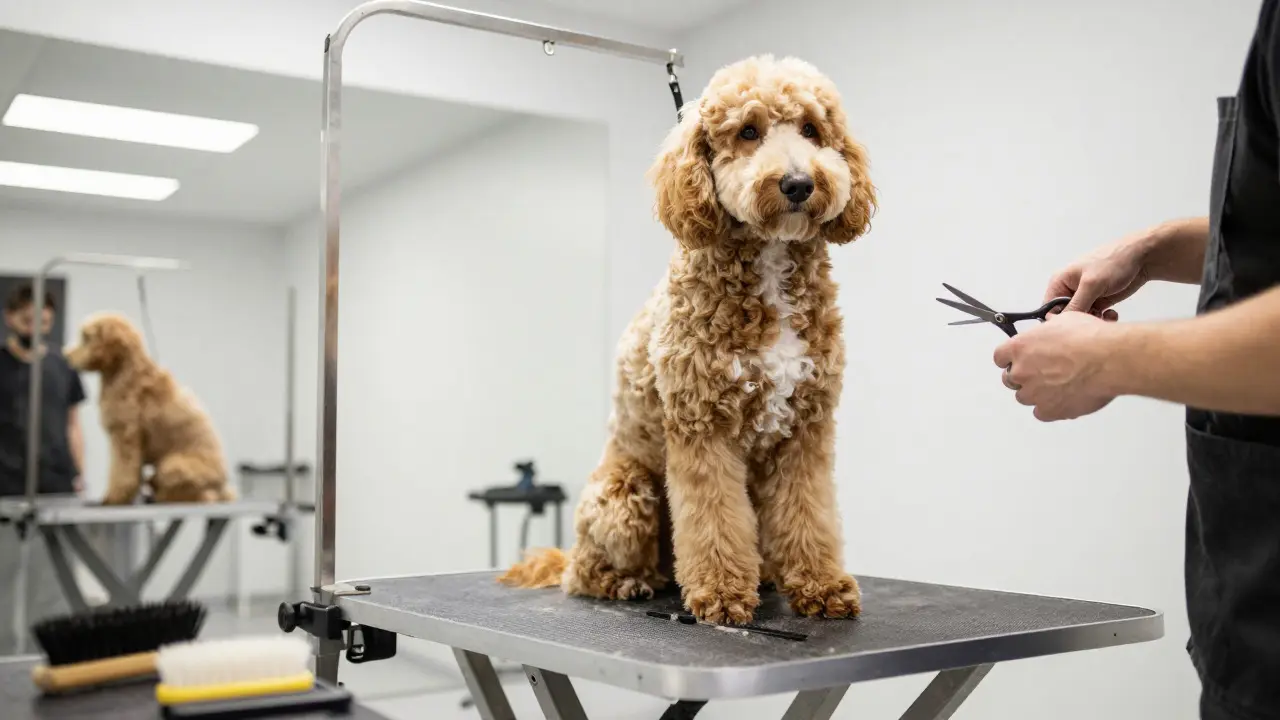
If you are choosing a designer dog for its coat, you need to prepare for the maintenance. The "low shed" promise comes with a price tag. Most Poodle mixes require professional grooming every four to eight weeks. Between appointments, daily or every-other-day brushing is necessary to prevent mats, which can cause skin irritation and pain.
The cost of grooming varies by region and the complexity of the cut. In Portland, Oregon, for example, a full groom for a medium-sized Labradoodle can range from $75 to $120 per visit. Over a year, this adds up to nearly $1,000 just for coat care. Add in nail trims, ear cleaning, and teeth brushing, and the total annual cost for a high-maintenance coat can exceed $1,500.
On the other hand, some mixes develop a double coat similar to their non-Poodle parent. These dogs shed seasonally and require heavy de-shedding tools during spring and fall. They are easier to maintain in terms of clipping but harder to manage in terms of hair distribution throughout your home. Knowing which type of coat your specific puppy develops is crucial, and this usually isn’t clear until the puppy is six to eight months old.
Finding a Reputable Source
Not all designer dogs come from ethical breeders. The demand for trendy mixes has led to backyard breeding operations that prioritize profit over health. To find a reliable source, look for breeders who specialize in one specific mix rather than offering ten different types. Specialists invest time in understanding the genetic outcomes of their particular cross.
Ask these questions before buying:
- Can I see the parents? Seeing the live dogs gives you a realistic idea of size, temperament, and health.
- What genetic tests have been performed? Look for DNA tests for breed-specific diseases.
- Is there a health guarantee? A reputable breeder will offer a contract covering life-threatening genetic defects for at least one year.
- How many litters do they have per year? High volume often indicates poor quality control.
Alternatively, consider adopting a mixed-breed dog from a rescue organization. Rescues often have adult dogs whose personalities are already established, eliminating the guesswork of puppyhood. Many rescues specifically label dogs as "Poodle mixes" or "Retriever mixes," allowing you to filter for the traits you want without the premium price tag of a breeder.
Mini-FAQ
Are designer dogs really hypoallergenic?
No, not always. While Poodle mixes often have lower shedding coats, individual variation is high. Some mixes shed very little, while others shed moderately. Allergy sufferers should spend time with an adult dog of the specific mix before committing to ensure they do not react to the dander or saliva.
Which designer dog is best for first-time owners?
The Goldendoodle is often recommended for beginners due to its friendly nature and ease of training. However, the Maltipoo is also a great choice for those with limited space, provided they are comfortable with small-dog health issues. Avoid high-drive mixes like Sheepadoodles unless you have experience handling protective temperaments.
How much does a designer dog puppy cost?
Prices vary widely based on location, breeder reputation, and specific traits. In the United States, expect to pay between $1,500 and $3,500 for a well-bred designer puppy. Prices can go higher for rare color variations or champion bloodlines. Remember to budget for additional costs like vaccinations, spaying/neutering, and initial supplies.
Do designer dogs live longer than purebreds?
Generally, yes, due to hybrid vigor. Smaller mixes like Maltipoos and Cockapoos often live 12 to 18 years, which is longer than many large purebred counterparts. However, lifestyle factors like diet, exercise, and preventive care play a significant role in lifespan regardless of breed.
Can I register my designer dog with the AKC?
Yes, through the AKC Hybrid Canine Registry (HCR). This registry allows you to register mixed-breed dogs, providing a record of lineage. It is different from the purebred registration and does not qualify the dog for conformation shows, but it is useful for tracking health history and participating in certain events.