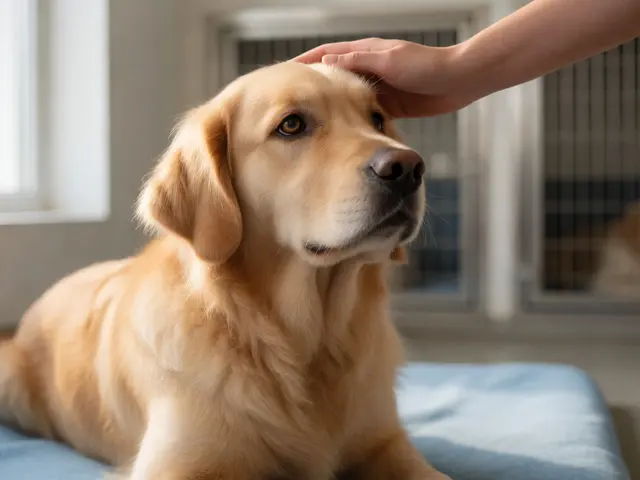
Imagine carrying a backpack full of bricks everywhere you go. Now imagine doing that for ten years without taking it off. That’s what extra pounds feel like to a dog’s joints. It’s not just about looking chubby; it’s about the mechanical stress on cartilage and bone. If your dog hesitates before jumping into the car or seems stiff after a nap, their weight might be quietly sabotaging their mobility. The link between obesity and canine arthritis is one of the most direct cause-and-effect relationships in veterinary medicine, yet it’s often overlooked until the damage is done.
The Mechanics of Weight and Wear
Dogs don’t just gain fat; they gain load. For every pound of excess body weight, the force on a dog’s joints increases exponentially, not linearly. This is due to the biomechanics of quadrupedal movement. When a dog walks, their joints absorb forces equivalent to several times their body weight with each step. A study published in the Journal of the American Veterinary Medical Association showed that overweight dogs had significantly higher levels of inflammatory markers in their blood compared to lean counterparts, even before clinical signs of pain appeared.
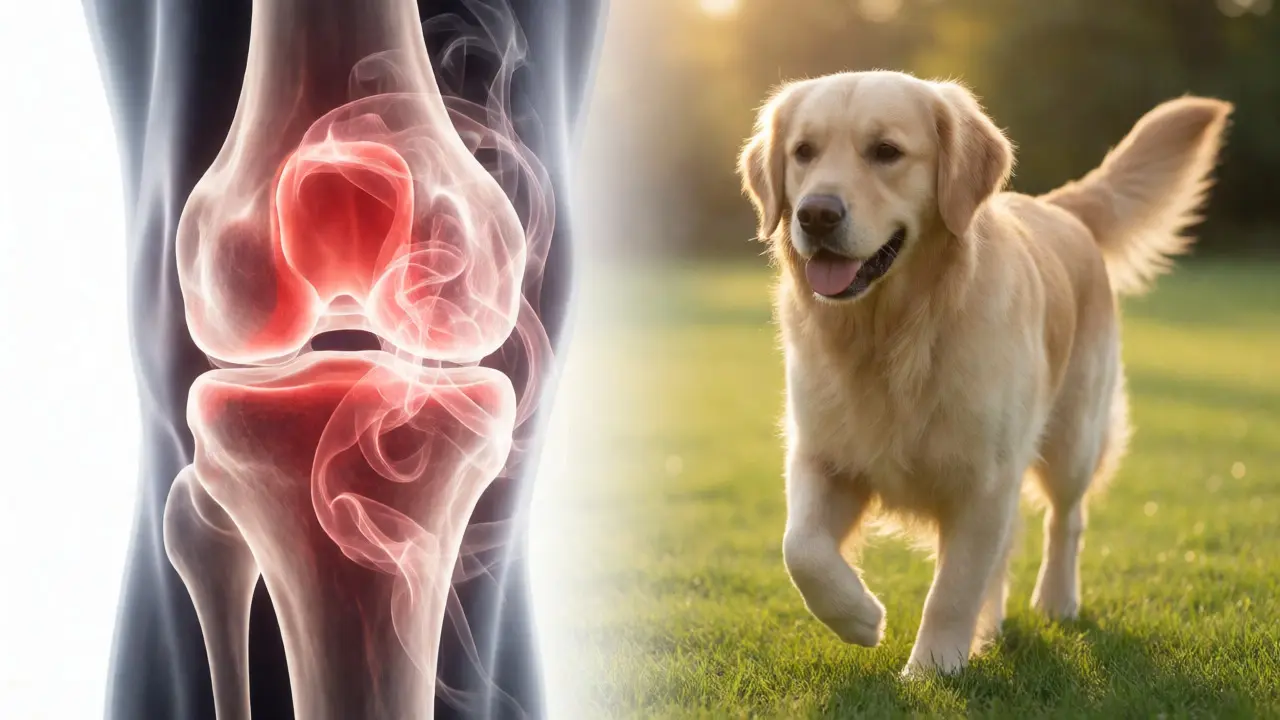
This isn't just mechanical grinding. Fat tissue is biologically active. It releases cytokines-pro-inflammatory proteins-that circulate through the body. These chemicals attack joint tissues, accelerating the breakdown of cartilage. So, when we talk about joint problems, we’re talking about a double whammy: increased physical pressure and increased chemical inflammation. Reducing weight breaks this cycle. It lowers the physical burden and reduces the inflammatory load, giving the joints a chance to heal or at least stabilize.
Spotting the Signs Early
Many owners miss early arthritis because dogs are stoic. They don’t complain; they adapt. You might notice your dog sleeping more, which looks like aging but is actually avoidance of pain. Look for subtle changes in gait. Does their stride look shorter? Do they sway their hips? In large breeds like Labradors or German Shepherds, hip dysplasia can mimic or exacerbate arthritis symptoms, making weight control even more critical.
- Stiffness after rest: The "first few steps" phenomenon where a dog moves awkwardly after lying down.
- Reluctance to play: A dog that used to fetch enthusiastically now watches from the couch.
- Behavioral shifts: Irritability when touched near the hips or spine.
- Accidents indoors: Older dogs may have accidents simply because getting outside hurts too much.
If you see these signs, don’t assume it’s just "old age." It’s often manageable pain. The first step is a Body Condition Score (BCS) assessment. You should be able to feel your dog’s ribs easily with light pressure, like feeling the back of your hand. If you have to press hard, they’re overweight. If you can’t feel them at all, they’re obese.
Nutrition Strategies That Actually Work
Diet is the primary lever you can pull. But cutting calories isn’t as simple as serving less kibble. Dogs need satiety. If you just reduce volume, they’ll beg, and you’ll likely give in. Instead, focus on nutrient density and fiber content. High-quality protein maintains muscle mass, which supports joints, while added fiber keeps them feeling full.
| Nutrient | Function | Recommended Source |
|---|---|---|
| Omega-3 Fatty Acids | Reduces inflammation in synovial fluid | Fish oil, flaxseed |
| Glucosamine | Supports cartilage repair | Supplements, shellfish |
| Chondroitin | Prevents cartilage degradation | Supplements |
| Lean Protein | Maintains muscle to support joints | Chicken breast, turkey, fish |
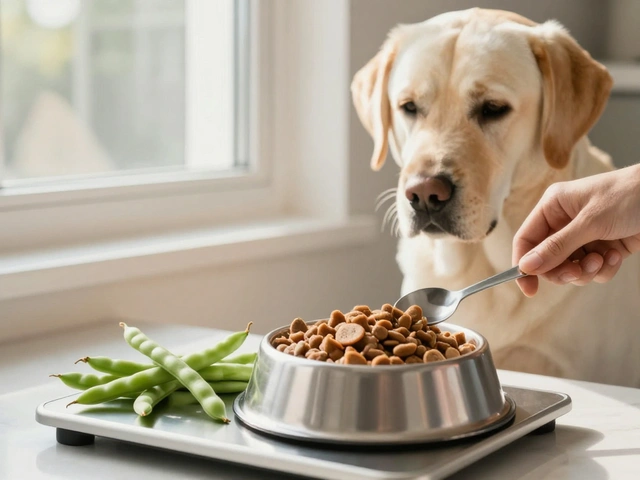
Consider switching to a prescription diet formulated for weight loss. These foods are engineered to be low-calorie but high-volume, using ingredients like pumpkin or beet pulp to fill the stomach without adding energy. Avoid free-feeding. Measure every meal. Use a kitchen scale, not a cup. Cups vary wildly in accuracy. A 10% error in portion size can mean hundreds of extra calories per month.
Exercise Without Aggravation
Rest is bad for arthritic joints. Motion is lotion. Synovial fluid, which lubricates the joints, requires movement to circulate nutrients to the cartilage. However, high-impact exercise like running on concrete or fetching tennis balls can cause micro-trauma. You need low-impact activity.
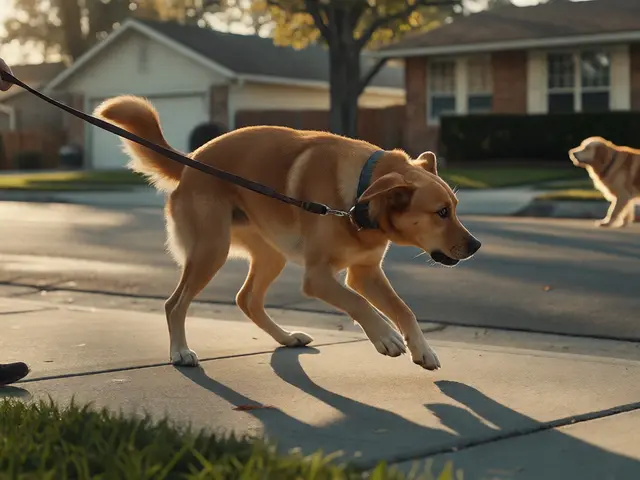
Swimming is the gold standard. It removes gravity’s effect on the joints while building muscle strength. If you don’t have access to a pool, leash walks on grass are better than pavement. Keep sessions short but frequent. Five minutes, three times a day, is better than one thirty-minute marathon session. This prevents fatigue-related poor form, which leads to injury.
For indoor days, try balance exercises. Standing on a foam pad or a folded towel helps engage stabilizer muscles around the knees and hips. It sounds silly, but it works. Think of it as physical therapy for pets. Consistency beats intensity every time.
Environmental Adjustments
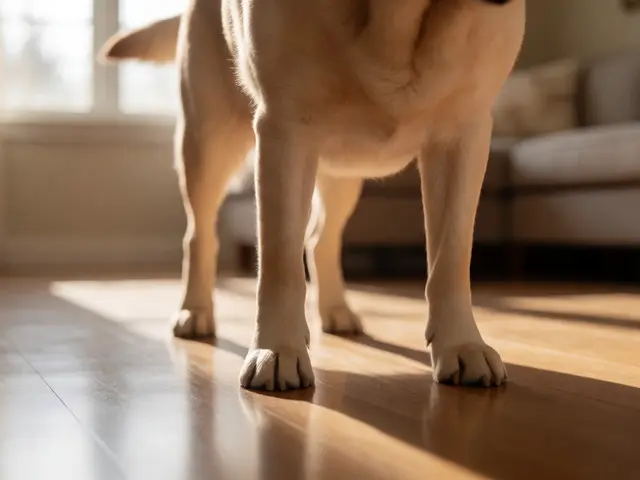
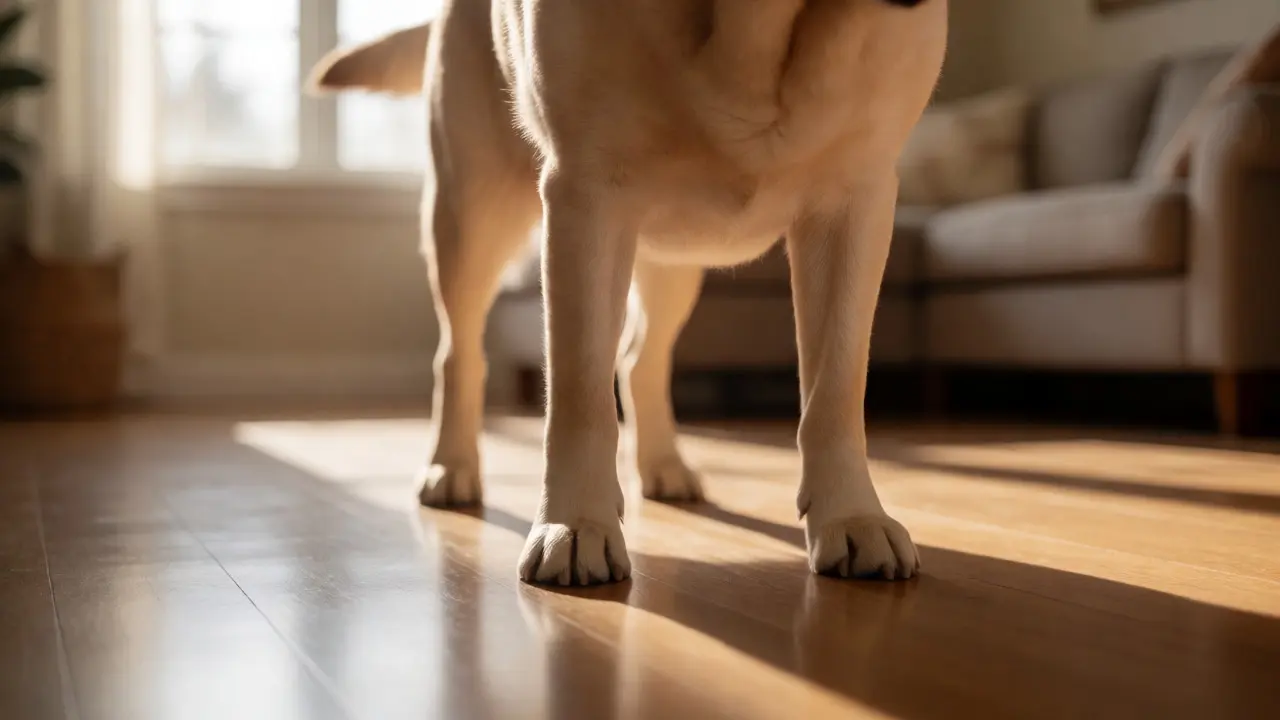
Your home environment plays a huge role in managing arthritis. Slippery floors are enemies of arthritic dogs. Their claws can’t grip hardwood or tile, causing them to splay their legs and strain their hips. Add runners or yoga mats in high-traffic areas. This simple change can restore confidence in a hesitant walker.
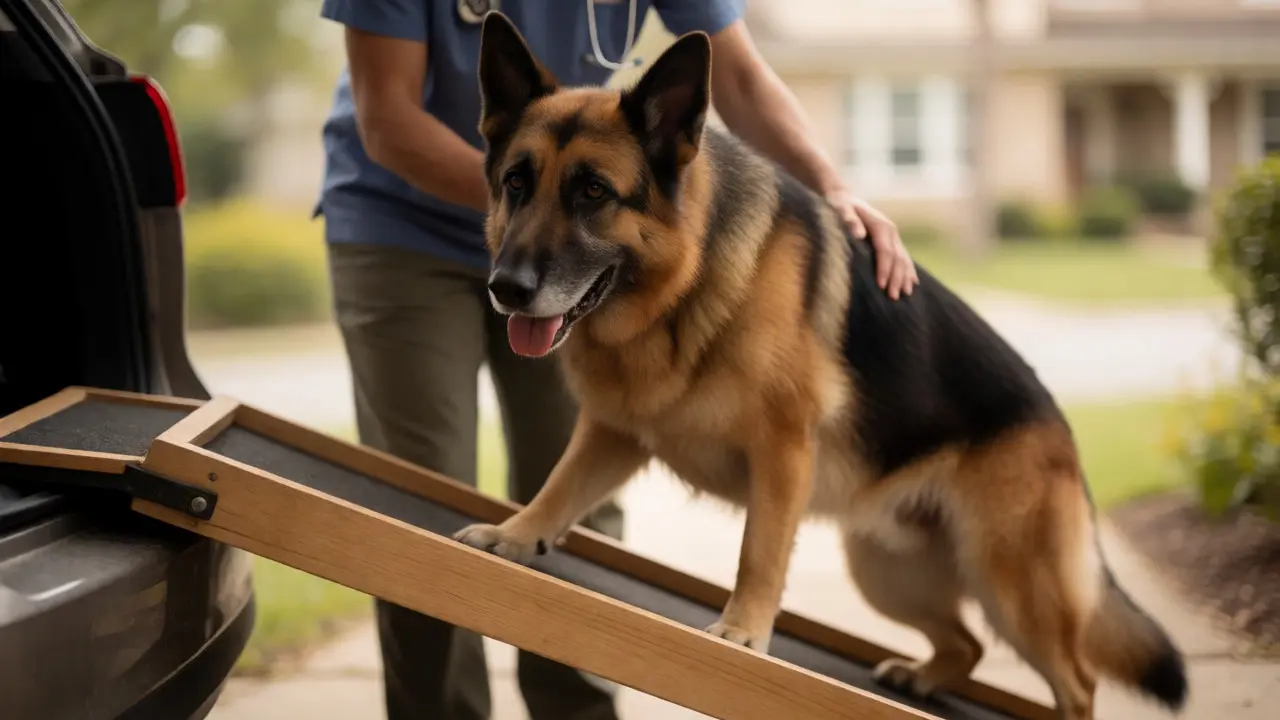
Ramps are non-negotiable for cars and couches. Jumping into an SUV puts massive torque on the hindquarters. A ramp allows them to walk up, distributing weight evenly. Similarly, raised food and water bowls can reduce neck strain, especially for larger breeds, though evidence on bloat prevention is mixed, comfort is undeniable.
Medical Interventions and Monitoring
Sometimes lifestyle changes aren’t enough. Veterinarians can prescribe NSAIDs (non-steroidal anti-inflammatory drugs) specifically designed for dogs, such as carprofen or meloxicam. These manage pain and inflammation, allowing the dog to move more freely, which in turn helps them lose weight. Never give human painkillers like ibuprofen or acetaminophen without explicit veterinary direction; they can be toxic.
Newer treatments include monoclonal antibodies like bedinvetmab, which target nerve growth factors involved in osteoarthritis pain. These are administered monthly via injection and have shown significant improvements in quality of life scores in clinical trials. Discuss these options with your vet if traditional methods plateau.
Regular weigh-ins are crucial. Aim for a safe weight loss rate of 1-2% of body weight per week. Faster loss risks muscle wasting. Track progress with photos and measurements, not just the scale. Muscle weighs more than fat, so a dog might stay the same weight but look leaner and move better.
Can my dog reverse arthritis by losing weight?
While existing joint damage cannot be fully reversed, weight loss can significantly slow progression and reduce pain. Many dogs regain mobility and comfort once they reach a healthy weight, effectively reversing the symptoms of arthritis.
How much should I feed my overweight dog?
Calculate the Resting Energy Requirement (RER) based on ideal body weight, not current weight. Multiply RER by 1.6 for maintenance, then reduce by 10-20% for weight loss. Consult your vet for precise calculations tailored to breed and activity level.
Are supplements like glucosamine effective?
Evidence is mixed. Some dogs show noticeable improvement in stiffness and mobility, while others see little benefit. They are generally safe and worth trying for 8-12 weeks to assess individual response, but they are not a substitute for weight management.
Is walking good for arthritic dogs?
Yes, but keep it low-impact and consistent. Short, frequent walks on soft surfaces help maintain joint flexibility and muscle tone without causing excessive wear. Avoid long hikes or high-intensity play.
Why does my dog limp after naps?
This is known as "gelling," a common sign of osteoarthritis. Joints stiffen during inactivity. Movement helps lubricate the joint, so the limping usually improves after a few minutes of walking.