Walking into a veterinary clinic or talking to an insurance adjuster about a dog bite is rarely a pleasant experience. But understanding the mechanics behind why it happened is the only way to predict if it will happen again. For decades, professionals have used a standardized system to categorize these incidents. It moves beyond simple "good" or "bad" labels and looks at specific behavioral cues, pain thresholds, and environmental factors.
This guide breaks down the Bite Level Scale, identifies the most common triggers that lead to escalation, and explains how to realistically assess the prognosis for your pet. Whether you are dealing with a first-time incident or managing a history of reactivity, this information helps you move from fear to a structured management plan.
The Bite Level Scale: More Than Just Severity
When experts talk about bite history, they usually refer to the IBVC Bite Level Scale. Developed by Ian Dunbar, this system categorizes bites based on the dog's body language and the resulting injury. It is not just about how deep the wound is; it is about the intent and the warning signs given beforehand.
- Level 1: The dog makes eye contact and shows teeth but does not make contact. This is often called a "warning stare." No skin is broken.
- Level 2: The dog snaps or licks the air. There may be minor bruising, but no puncture wounds. This indicates high arousal but controlled inhibition.
- Level 3: A single bite with up to four puncture holes. The dog likely showed some warning signs like stiffening or growling before striking.
- Level 4: Multiple bites or a single severe bite with five or more puncture holes. Warning signs are often absent or ignored by the victim.
- Level 5: A kill bite. The dog chews and holds onto the target. This is rare in domestic dogs and usually involves extreme fear or protective instincts.
Understanding these levels matters because they dictate the response strategy. A Level 1 or 2 incident often points to a communication breakdown between human and dog. A Level 4 or 5 incident suggests a deeper issue involving pain, fear, or neurological factors that require immediate professional intervention.
Identifying Common Triggers
Dogs rarely bite out of nowhere. Aggression is almost always a reaction to a specific stimulus. Identifying the trigger is the first step in preventing future incidents. Most canine aggression falls into three main categories: pain-related, fear-based, and resource guarding.
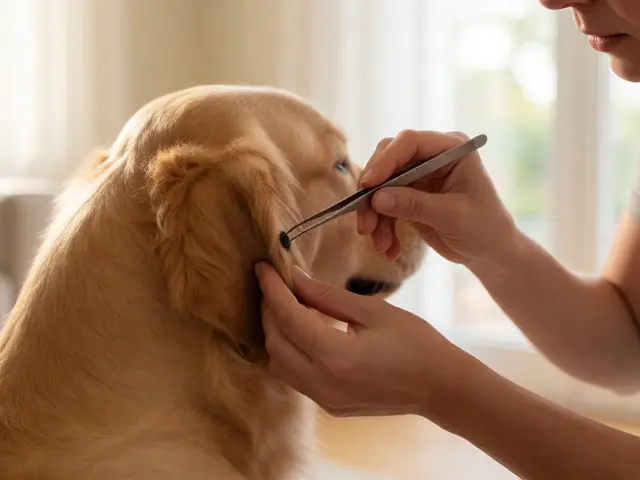
Pain-Related Aggression is one of the most overlooked causes. An older dog with arthritis might snap when you reach for their collar because moving hurts. If a previously gentle dog suddenly becomes reactive, check for medical issues first. Conditions like dental disease, hip dysplasia, or thyroid imbalances can lower the threshold for irritation.
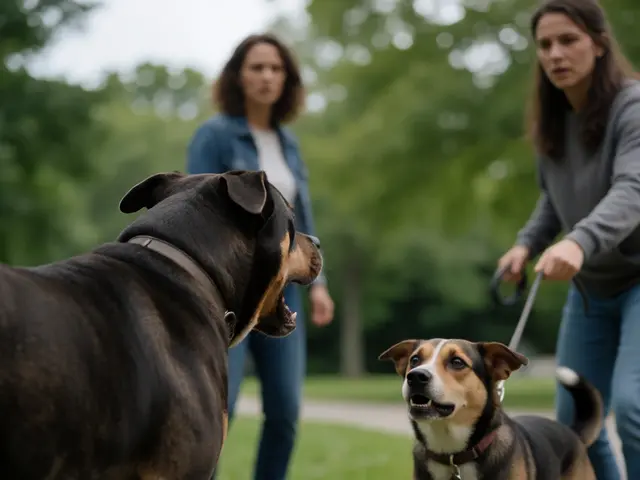
Fear-Based Aggression occurs when a dog feels cornered. This is common in rescue dogs or those with limited socialization. The dog isn't trying to dominate; they are trying to create distance. If you approach a fearful dog too quickly, you remove their escape route, forcing them to defend themselves.
Resource Guarding involves protecting food, toys, or even a favorite spot on the couch. While often seen in puppies, this behavior can appear at any age. If a dog stiffens when you walk past their bowl, they are communicating that the resource is valuable to them.
| Trigger Type | Observable Body Language | Risk Factor |
|---|---|---|
| Pain | Flinching, limping, avoiding touch | Sudden change in temperament |
| Fear | Tail tucked, ears back, whale eye | Cornered situations |
| Resource Guarding | Stiff body, intense stare, lip licking | Approaching during meals |

Assessing the Prognosis: What Can You Expect?
Once you know the level and the trigger, you can start looking at the prognosis. In other words, what are the chances this won't happen again? The answer depends heavily on how early you intervene and the consistency of your management plan.
For Level 1 and 2 incidents, the prognosis is generally excellent. These are often behavioral hiccups rather than ingrained patterns. With proper training, such as teaching loose-leash walking or improving impulse control, many dogs never escalate. The key here is education. Owners often misinterpret a growl as defiance, so silencing the warning sign removes the dog's primary tool for de-escalation.
Level 3 incidents require more work. These dogs need a comprehensive behavior modification plan. This usually includes desensitization and counter-conditioning. You learn to manage the environment to prevent the trigger from occurring while simultaneously changing the dog's emotional response to it. With consistent effort, many dogs with Level 3 histories live normal lives, though they may always require some management around strangers or new environments.
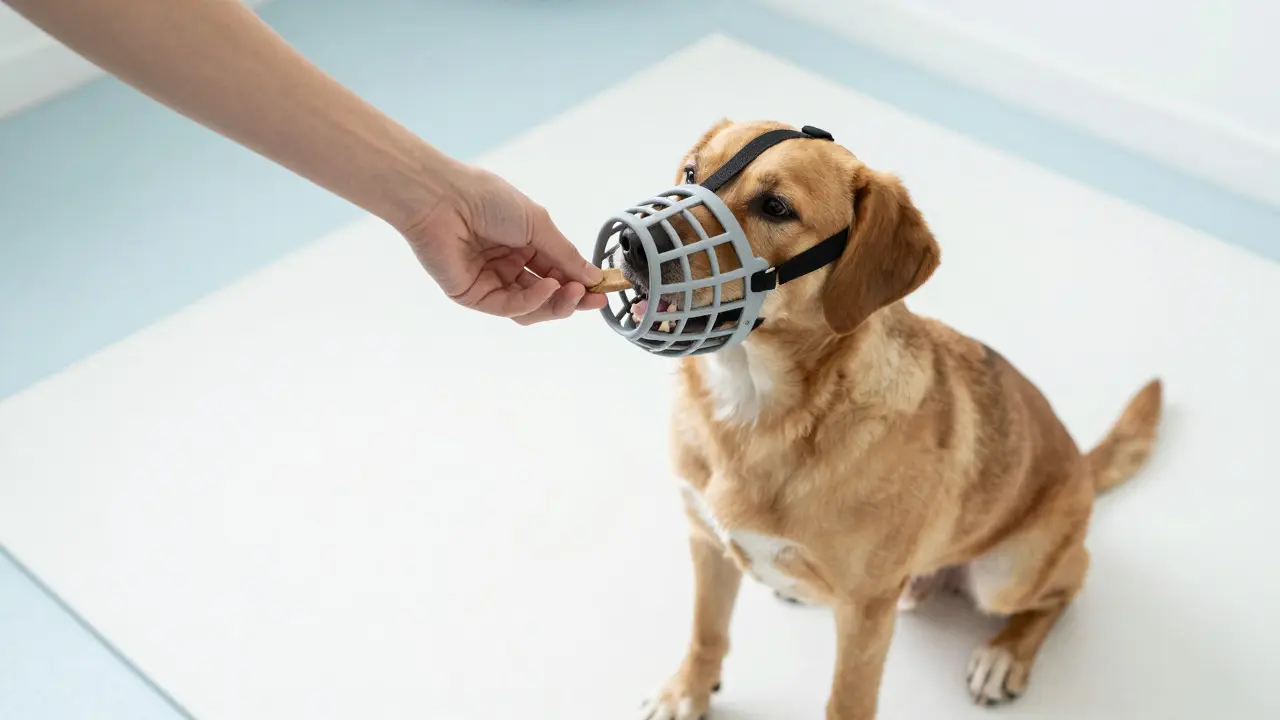
Level 4 and 5 incidents present a more complex picture. These cases often involve multiple triggers or underlying medical conditions. The prognosis is guarded but not hopeless. However, these dogs require strict management protocols, including muzzle training, which should be done positively so the dog associates the muzzle with good things, not punishment. Without consistent management, the risk of recurrence is higher.
Management Strategies That Work
Knowing the theory is useless without practical application. Here are the core strategies used by behaviorists to manage bite risks.
- Medical Rule-Out: Always see a veterinarian before starting behavior work. Pain masks itself as aggression. Treating the pain often resolves the biting.
- Muzzle Training: View the muzzle as a safety tool, not a punishment device. Start with short durations and high-value treats. The goal is for the dog to want to wear it.
- Environmental Management: Remove the triggers. If the dog guards food, feed in a separate room. If they react to mail carriers, use white noise or visual barriers. Prevention is easier than correction.
- Impulse Control Training: Teach commands like "wait," "sit," and "leave it." A dog that is focused on you is less likely to focus on a threat.
Consistency is critical. If one family member allows the dog on the bed and another doesn't, the dog receives mixed signals. This confusion can increase anxiety and lead to snapping. Everyone in the household must follow the same rules.
When to Seek Professional Help
You don't need to wait for a blood-drawing bite to seek help. If you notice frequent growling, stiffening, or avoidance behaviors, consult a certified behaviorist. Look for credentials like CAAB (Certified Applied Animal Behaviorist) or KPA-CTP (Karen Pryor Academy Certified Training Professional). These professionals use science-based methods rather than dominance theories, which can actually worsen fear-based aggression.
Avoid trainers who rely solely on shock collars or alpha rolls for aggressive dogs. While these tools can work for some issues, they often increase stress hormones in anxious dogs, making them more likely to snap. Positive reinforcement and management are safer and more effective for long-term success.
Frequently Asked Questions
Is it bad to punish a dog for growling?
Yes, punishing a growl is risky. The growl is a warning sign. If you silence it, the dog may skip the warning and go straight to biting. Instead, reward the dog for calming down and manage the situation to prevent the trigger.
Can a dog with a bite history ever be trusted alone with children?
It depends on the severity of the history and the child's behavior. For Level 1-2 histories, supervised interaction is often safe after training. For Level 3+, strict supervision and clear rules (like no hugging or disturbing sleep) are essential. Never leave a dog with a known bite history unsupervised with young children.
How long does it take to fix dog aggression?
There is no set timeline. Simple resource guarding might improve in weeks. Fear-based aggression can take months or years of consistent desensitization. The key is measuring progress in small increments, like increased tolerance to a trigger, rather than expecting overnight changes.
Do all dogs need to wear muzzles after a bite?
Not necessarily. Muzzles are a management tool for high-risk situations. A well-adjusted dog with a resolved Level 1 issue may not need one. However, during the recovery period or in public spaces where triggers are unpredictable, a basket muzzle provides a safety net for everyone.
What is the difference between dominance aggression and fear aggression?
Fear aggression is driven by anxiety and the desire to escape. The dog looks tense, tail tucked, and may retreat. Dominance aggression is rarer and involves controlling resources or space. The dog appears confident, stiff, and may hold ground. Misdiagnosing fear as dominance leads to wrong treatment plans.