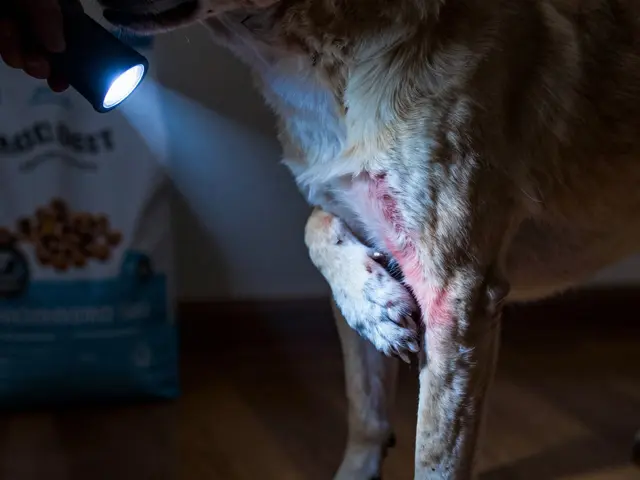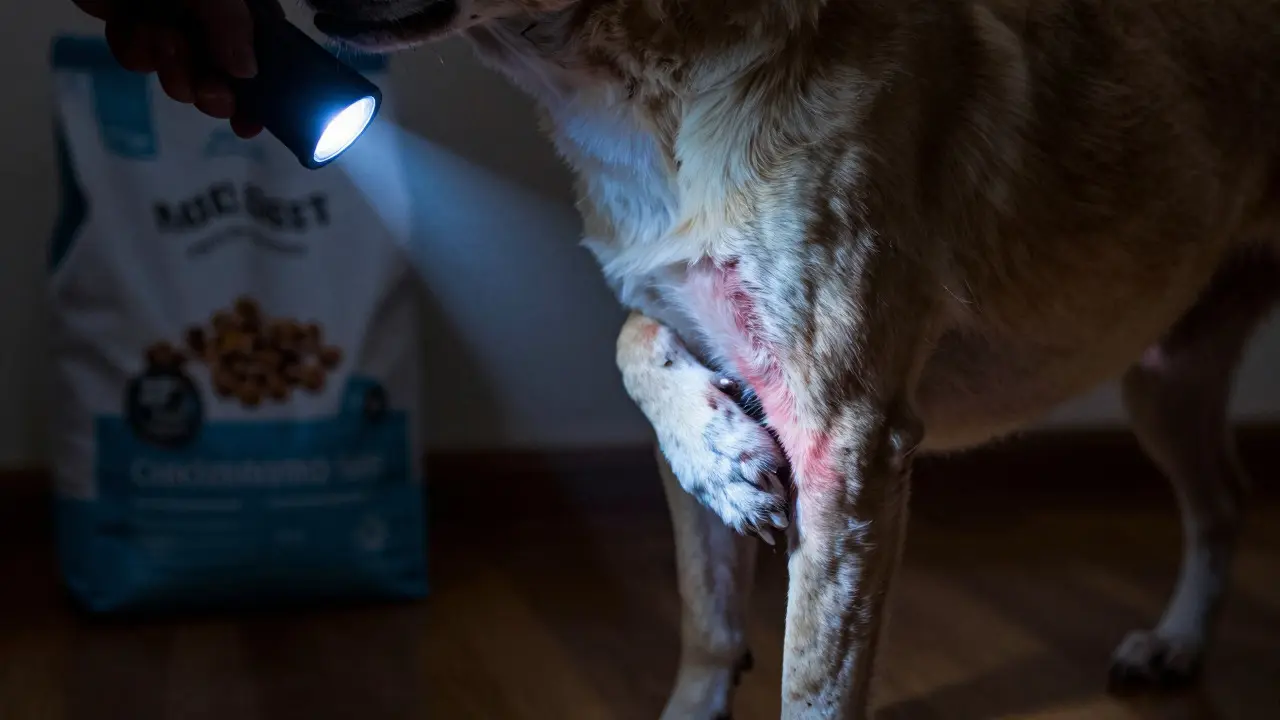
It’s 2 AM, and your dog is scratching so hard it sounds like a small tornado is happening in the living room. You check their skin, see redness, maybe some hair loss, and you’re thinking, "Is this fleas? Is it pollen?" Before you rush to the vet for expensive allergy tests, look at the bag of kibble they’ve been eating for the last six months. The culprit might not be chicken or beef; it could be the invisible stuff added to keep that food fresh on the shelf.
Food additives are substances added to commercial pet food to preserve freshness, enhance color, improve texture, or boost flavor. While most are safe in moderation, for dogs with sensitive immune systems, these compounds can trigger inflammatory responses that manifest as itchy skin, ear infections, or gastrointestinal upset. Understanding which specific ingredients are high-risk can save you money and spare your pet unnecessary suffering.
The Hidden Cost of Shelf-Stable Kibble
Commercial dry dog food needs to stay fresh for months without refrigeration. To achieve this, manufacturers use preservatives. Not all preservatives are created equal. Some are natural, but others are synthetic and have a higher likelihood of causing adverse reactions in sensitive dogs.
The two most common synthetic preservatives you’ll find on ingredient labels are BHA (Butylated Hydroxyanisole) and BHT (Butylated Hydroxytoluene). These are petroleum-derived antioxidants. While regulatory bodies like the FDA consider them safe within certain limits, many holistic veterinarians recommend avoiding them for dogs with existing sensitivities. If your dog has chronic skin issues, BHA and BHT should be the first things you eliminate from their diet during a trial period.
Another controversial additive is Ethoxyquin, often used in meat by-products and organ meats. It’s effective at preventing oxidation, but long-term exposure has raised concerns about potential toxicity and allergic reactions. Look for foods that list "mixed tocopherols" (vitamin E) or "citric acid" instead. These are generally better tolerated by reactive pets.
Artificial Colors: More Than Just Aesthetics
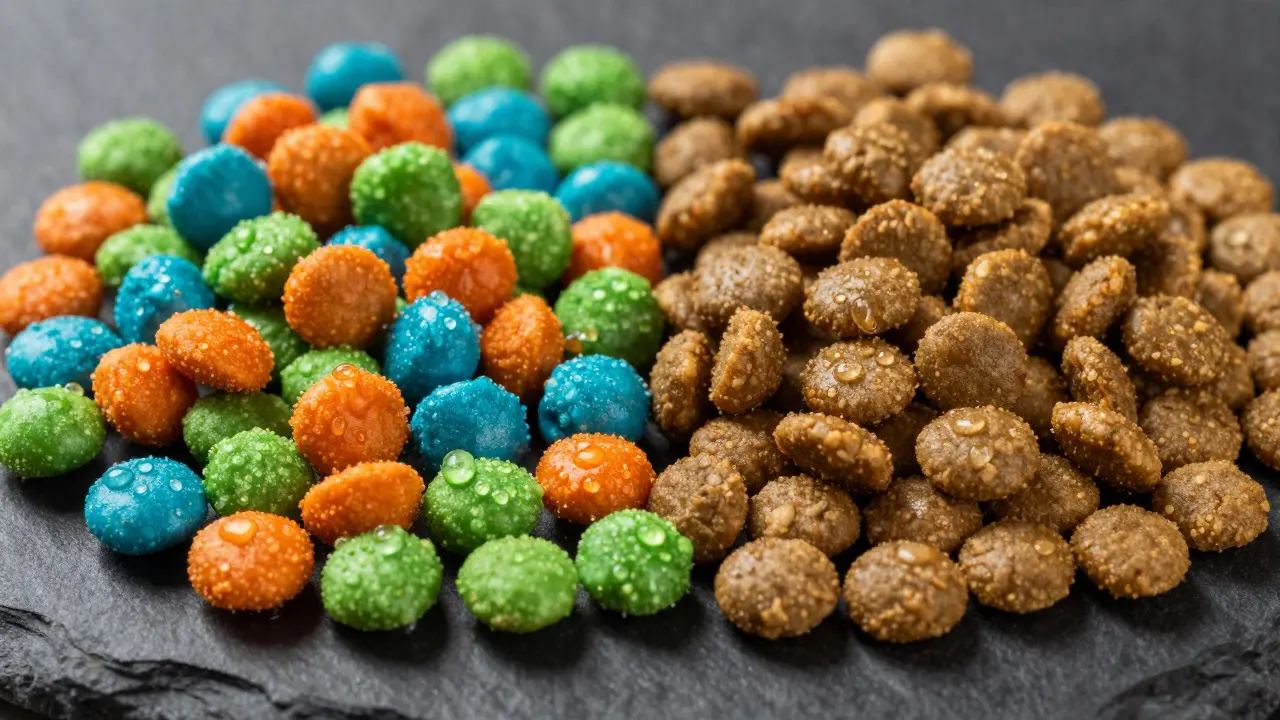
Why does your dog’s brown kibble sometimes turn green or blue? It’s artificial dye. Manufacturers add colors to make the food visually appealing to humans, not dogs. Dogs don’t care if their food looks like chocolate chips or green peas, but their immune systems might.
Artificial dyes such as Red 40, Yellow 5, Blue 1, and Green 3 are common triggers. In humans, these dyes are linked to hyperactivity and allergies. In dogs, the connection isn't as heavily studied, but anecdotal evidence from veterinary dermatologists suggests a strong link between colored kibble and skin flare-ups. If you see "artificial flavors" or "colors" on the label, assume they are present unless specified otherwise. Switching to a single-color, uncolored food is a low-cost way to test if dyes are part of your dog's problem.
Flavor Enhancers and Palatants
Some dogs are picky eaters. To get them to finish their bowl, manufacturers add "palatants." These are flavor enhancers designed to make the food smell and taste more appealing. Common palatants include hydrolyzed liver, chicken fat, or yeast extract.
While these seem harmless, they are often derived from the same proteins that cause allergies. For example, if your dog is allergic to chicken, a "chicken flavor" enhancer might still contain trace amounts of chicken protein or cross-contaminated ingredients. Even worse, some palatants are mystery ingredients labeled simply as "natural flavors." This lack of transparency makes it hard to know exactly what you're feeding your pet. During an elimination diet, avoid foods with vague "flavor" claims.
Grains vs. Grain-Free: The Starch Trap
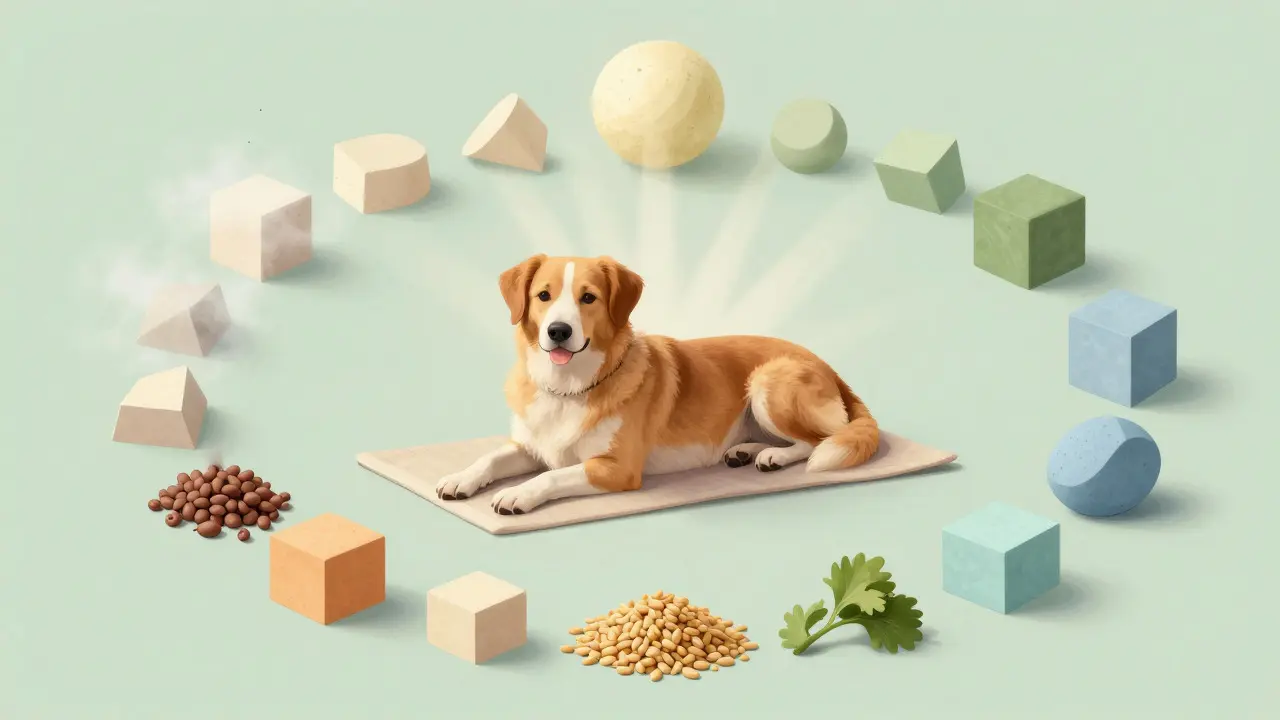
You’ve probably heard that grains cause allergies. It’s a myth, but starches do play a role. Most dogs aren't allergic to wheat or corn themselves, but they may be allergic to the mold or pesticides associated with cheap grain sources. However, when companies remove grains, they replace them with other carbohydrates like potatoes, peas, or lentils.
This shift has led to a rise in issues related to Legumes (peas, lentils, chickpeas). Some dogs react poorly to the saponins found in legumes, which can irritate the gut lining and potentially worsen skin health through systemic inflammation. If you switch to a grain-free diet, monitor your dog closely. If the itching continues, the new starch source might be the new trigger.
How to Conduct a Food Elimination Trial
Guessing which additive is causing the problem is inefficient. The gold standard for diagnosing food-related allergies is an elimination diet. Here is how to do it properly:
- Choose a Novel Protein: Pick a protein your dog has never eaten before (e.g., duck, rabbit, venison). Avoid multi-protein foods.
- Select a Simple Formula: Look for a food with fewer than 7-8 ingredients. Fewer ingredients = easier to identify the culprit.
- Check for Additives: Ensure the food contains no artificial colors, BHA/BHT, or ethoxyquin. Natural preservatives only.
- Feed Exclusively for 8 Weeks: No treats, no table scraps, no chew bones. Only the new food and water. Treats must also be novel protein-based or strictly controlled.
- Monitor Symptoms: Keep a log of scratching frequency, ear discharge, and stool quality. Improvement usually starts within 2-4 weeks, but full resolution takes 8.
- Reintroduce Ingredients: Once symptoms resolve, reintroduce one ingredient at a time every 2 weeks. If symptoms return, you’ve found the trigger.
Comparison of Common Preservatives and Dyes
| Additive Type | Common Examples | Reactivity Risk | Recommendation |
|---|---|---|---|
| Synthetic Preservatives | BHA, BHT, Ethoxyquin | High for sensitive dogs | Avoid; switch to mixed tocopherols |
| Natural Preservatives | Mixed Tocopherols, Citric Acid | Low | Preferred choice |
| Artificial Dyes | Red 40, Blue 1, Yellow 5 | Moderate to High | Avoid; choose uncolored kibble |
| Flavor Enhancers | Hydrolyzed Liver, Yeast Extract | Variable (depends on source) | Use cautiously; check for hidden allergens |
Reading Labels Like a Detective
Standing in the pet store aisle, you’re overwhelmed by marketing claims like "grain-free," "holistic," and "limited ingredient." These terms mean nothing legally. Instead, read the ingredient list from left to right. Ingredients are listed by weight. If "chicken meal" is first, that’s the main component. If "corn gluten meal" is third, your dog is eating a lot of corn.
Look for these red flags:
- "Meat by-products" without specifying the animal (could be beak, hooves, or intestines).
- "Natural flavors" without further description.
- More than 30% fillers (rice, corn, wheat) in a premium food.
- Any mention of "color" or "dye."
If the label says "contains: chicken, rice, corn, BHA, BHT, Red 40," you have four potential triggers right there. Simplify the diet, and the skin issues often follow suit.
Frequently Asked Questions
Can food additives really cause skin allergies?
Yes. While proteins are the most common food allergens, additives like artificial dyes and synthetic preservatives can act as haptens. These bind to proteins in the body and trigger an immune response, leading to itching, redness, and inflammation of the skin.
What is the safest preservative for dogs with allergies?
Mixed tocopherols (Vitamin E) and citric acid are considered the safest options. They are natural antioxidants that effectively prevent rancidity without the chemical load associated with BHA, BHT, or ethoxyquin.
How long does it take to see results after removing allergenic additives?
Most dogs show initial improvement in scratching behavior within 2 to 4 weeks. However, full skin healing and immune system reset typically require 8 to 12 weeks of strict dietary control. Consistency is key; even one treat with a hidden additive can restart the cycle.
Are grain-free diets always better for allergic dogs?
Not necessarily. Grain-free diets replace wheat or corn with legumes like peas and lentils, which can be just as allergenic or irritating for some dogs. The goal is to find a novel carbohydrate source that your specific dog tolerates, whether that is sweet potato, pumpkin, or oats.
Should I stop giving my dog treats while doing an elimination diet?
Ideally, yes. If you must give treats, ensure they are made from the exact same novel protein and carbohydrate as the main food. Avoid biscuits, chews, or flavored treats, as they often contain hidden grains, dairy, or artificial colors that can mask the true cause of the allergy.