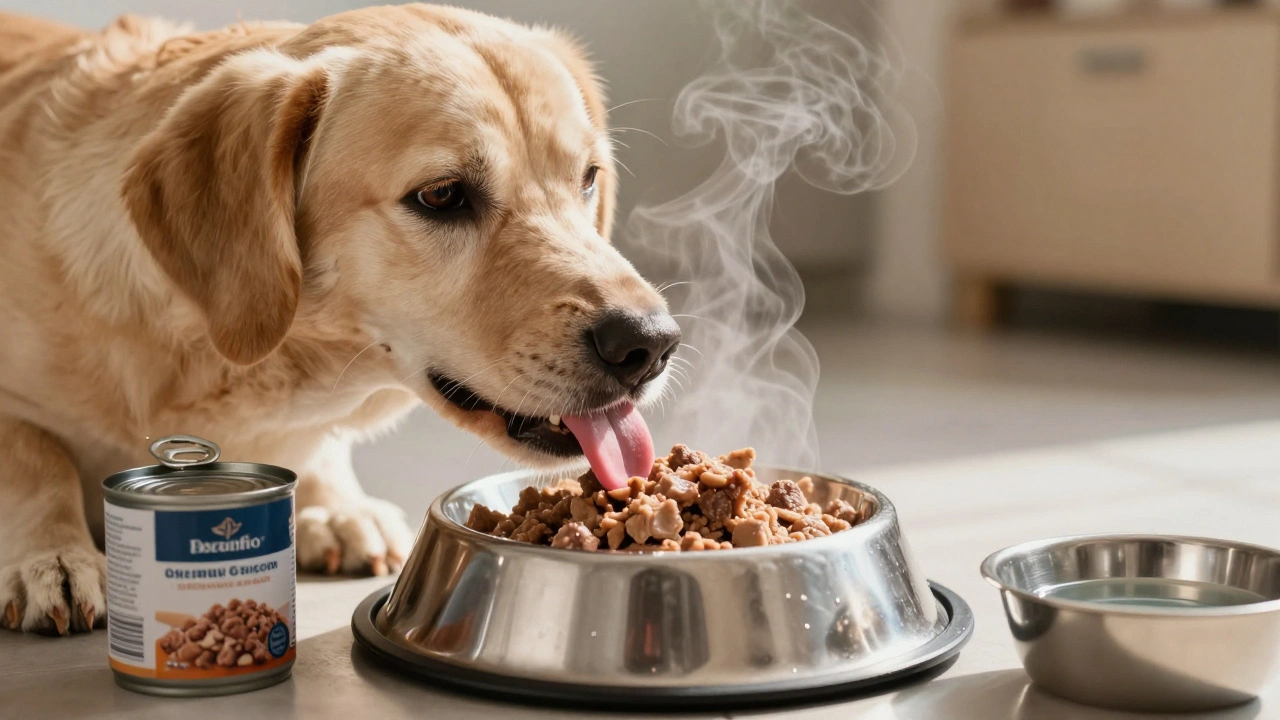
When you stand in the pet food aisle staring at row after row of bags and cans, it’s easy to feel overwhelmed. Is wet food the healthier choice? Does dry food really help clean teeth? And why do some vets swear by one while others recommend the other? The truth is, there’s no single answer that works for every dog. What’s better depends on your dog’s age, health, lifestyle, and even your own daily routine.
What’s Actually in Wet and Dry Dog Food?
Wet dog food typically contains 70-85% moisture. That means a can of wet food is mostly water, with meat, organs, vegetables, and a small amount of binding agents. It’s often packed with protein and fat, making it highly palatable. Dry dog food, on the other hand, is usually 10-12% moisture. It’s made by extruding a mixture of ground grains, meat meal, fats, and vitamins into kibble. The drying process gives it a crunchy texture and long shelf life.
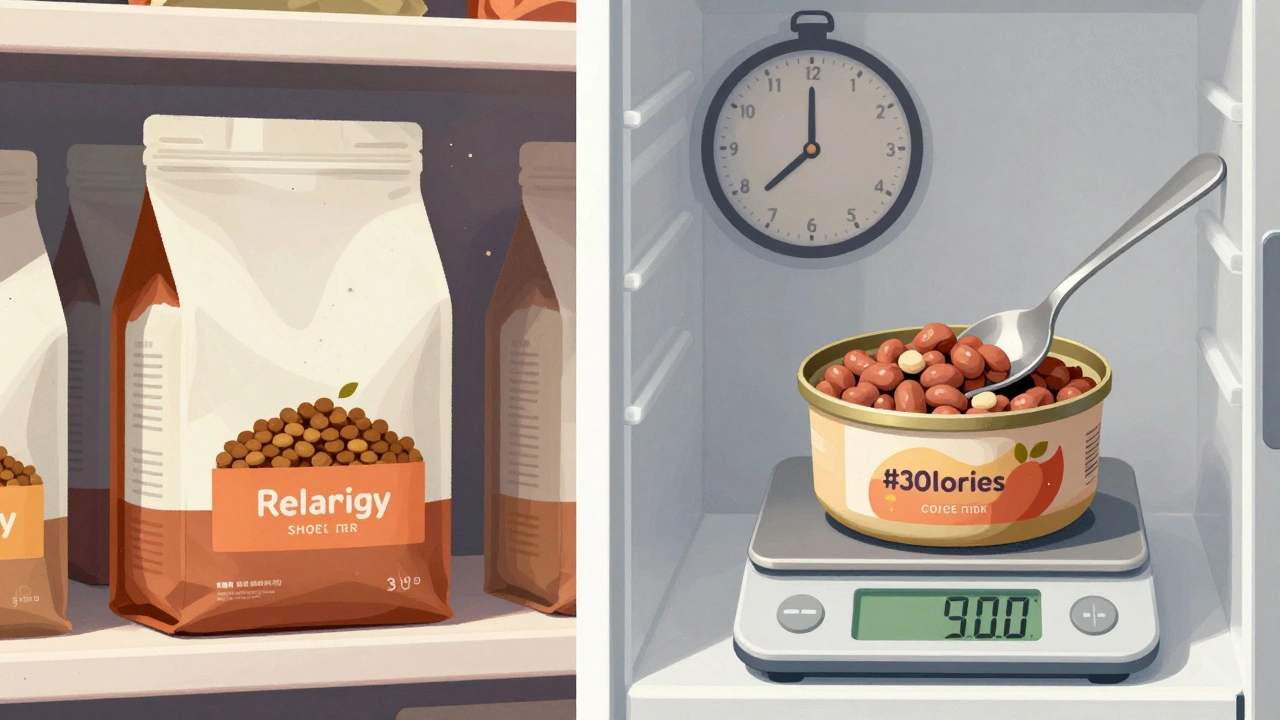
Many people assume dry food is more concentrated in nutrients, but that’s misleading. Because wet food has so much water, you need to feed more of it by weight to match the calories in dry food. A 13-ounce can of wet food might have the same calories as a cup of dry kibble. Always check the calories per gram on the label-not just the feeding guide on the front.
Pros and Cons of Wet Dog Food
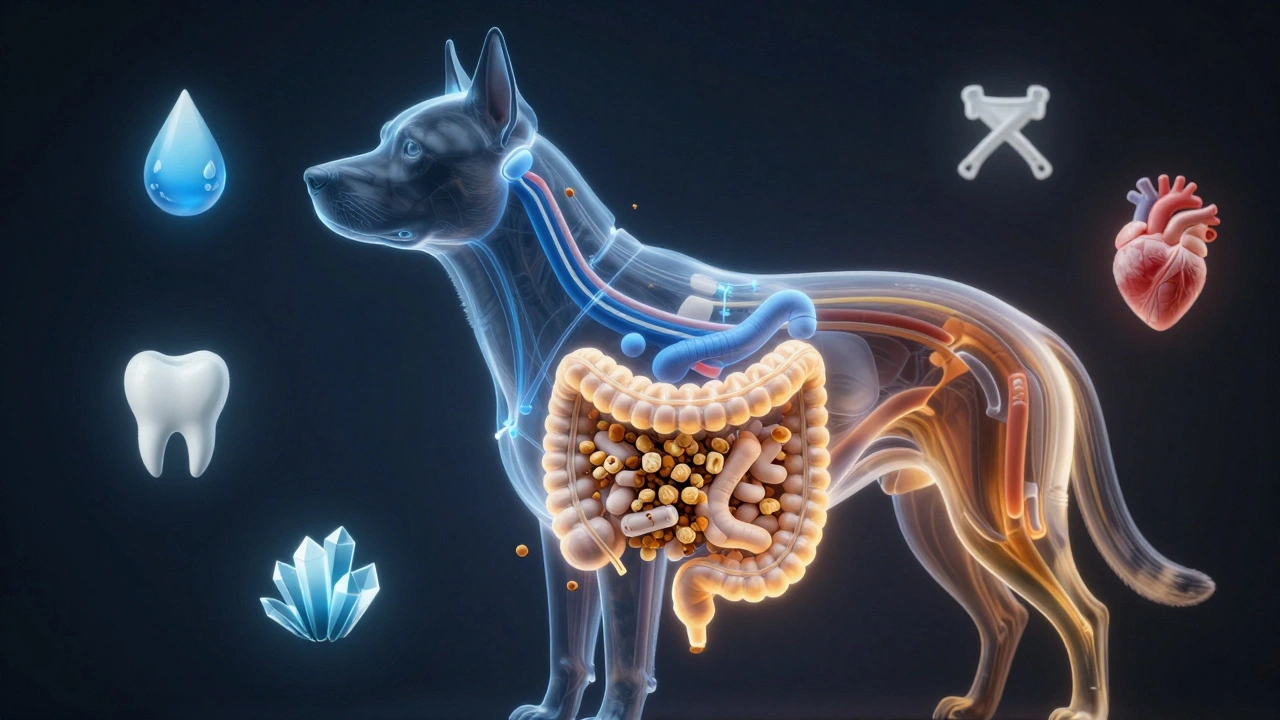
Wet food has clear advantages for certain dogs. If your pup is older, has dental issues, or struggles to drink enough water, wet food can be a game-changer. The high moisture content helps with hydration, which is especially important for dogs with kidney or urinary problems. A 2023 study from the University of California, Davis found that dogs fed wet food had 23% higher daily water intake compared to those on dry food alone.
It’s also easier to eat. Dogs with missing teeth, jaw pain, or neurological conditions often refuse kibble but will eagerly lick up wet food. Picky eaters? Wet food’s strong smell and soft texture often win them over. Many owners report their dogs, who ignored dry food for days, suddenly ate well after switching to wet.
But wet food has downsides. It’s more expensive per calorie. A 13-ounce can might cost $2.50, while a 30-pound bag of dry food costs $45 and lasts 3-4 weeks. It also spoils quickly. Once opened, leftover wet food must be refrigerated and used within 2-3 days. If you forget, it can grow bacteria or smell awful. And while many believe wet food causes more dental plaque, that’s not entirely true-plaque forms from sugars and carbs, not texture. Still, wet food doesn’t offer the mechanical scrubbing effect that kibble does.
Pros and Cons of Dry Dog Food
Dry food is convenient. You can leave it out all day without worrying about spoilage. It’s cheaper, easier to store, and doesn’t require refrigeration. Many dogs also seem to enjoy the crunch. The texture may help reduce tartar buildup over time, especially if the kibble is large enough to require chewing. The American Veterinary Medical Association notes that kibble with a specific shape and density can reduce plaque by up to 40% compared to soft food.
But dry food isn’t perfect. Low moisture content can be a problem. Dogs don’t naturally drink as much water as they should, and dry food doesn’t help. This can lead to concentrated urine, which increases the risk of bladder stones and urinary tract infections-especially in male dogs or breeds prone to these issues like Dalmatians or Bichons.
Also, many dry foods are loaded with carbohydrates. To hold the kibble together, manufacturers use corn, wheat, rice, or potatoes. Some of these are fine, but others are fillers with little nutritional value. A 2024 analysis of 120 popular dry dog foods found that 68% contained more than 40% carbohydrates by weight. That’s way higher than what a wild canine would eat. If your dog is overweight, diabetic, or has food allergies, this matters.
Which Is Better? It Depends on Your Dog
There’s no universal winner. Here’s how to decide:
- Choose wet food if: Your dog is elderly, has dental pain, doesn’t drink enough water, has kidney disease, or is a picky eater. It’s also ideal for dogs recovering from illness or surgery.
- Choose dry food if: You want convenience, have a budget to stretch, and your dog is young, healthy, and eats well. It’s also easier to manage if you have multiple dogs or a busy schedule.
Many owners use both. A common strategy is to feed dry food in the morning and wet food at night. This balances hydration, dental benefits, and appetite stimulation. Some vets recommend mixing a small amount of wet food into dry kibble to boost flavor and moisture without going all-in on one type.
What About Raw or Homemade?
You might be wondering if raw or homemade food is better. The answer is: maybe-but with big caveats. Raw diets can be nutritionally unbalanced if not formulated properly. Homemade meals often lack key vitamins like calcium, zinc, or taurine. A 2025 study from Tufts University found that 70% of homemade dog diets were deficient in at least one essential nutrient. Commercial wet and dry foods, even budget brands, are required by AAFCO to meet minimum nutritional standards. That’s not true for homemade or raw.
If you’re considering alternatives, talk to a veterinary nutritionist-not just your general vet. They can run blood tests and recommend a custom diet. Don’t assume “natural” means “better.”
Signs Your Dog’s Food Isn’t Working
Watch for these red flags, no matter what type of food you’re feeding:
- Consistent loose stools or diarrhea
- Excessive gas or foul-smelling feces
- Dull coat, flaky skin, or constant itching
- Weight loss despite eating normally
- Lethargy or lack of interest in food
If you see any of these, it’s not necessarily the food’s fault-but it’s a signal to investigate. Allergies, parasites, thyroid issues, or pancreatitis can mimic food problems. A vet visit with a stool sample and basic bloodwork can rule out serious causes.
Real-World Tips from the Field
In Portland, where wet, rainy winters mean dogs spend more time indoors and drink less water, many local vets recommend switching to wet food during colder months. One clinic I’ve seen reports a 30% drop in urinary issues in dogs switched from dry to wet food between November and February.
Also, don’t assume grain-free is healthier. The FDA has been warning since 2019 that grain-free diets may be linked to dilated cardiomyopathy (DCM), a serious heart condition. Many grain-free dry foods replace grains with legumes like peas and lentils, which may interfere with taurine metabolism. Stick to foods that list meat as the first ingredient, regardless of grain content.
And here’s a simple trick: pour a little warm water over dry kibble. It softens it, releases the aroma, and adds moisture-without the cost or mess of wet food. Many dogs love it.
Final Takeaway
Wet food wins for hydration, palatability, and dogs with health issues. Dry food wins for cost, convenience, and dental texture. The best choice isn’t about which is “better”-it’s about which fits your dog’s needs and your life.
Try switching one meal a day to wet food for two weeks. Watch how your dog eats, how their stool looks, and whether they seem more energetic. If they perk up, keep it. If nothing changes, stick with dry. Your dog won’t tell you what’s wrong-but their body will.
Is wet dog food more nutritious than dry?
Not necessarily. Both can meet AAFCO nutritional standards. Wet food often has higher protein and fat content by weight, but dry food can be just as balanced. The key is reading the ingredient list and guaranteed analysis. Look for meat as the first ingredient and avoid foods with corn syrup, artificial colors, or vague terms like "meat by-products."
Can I mix wet and dry dog food?
Yes, and many owners do. Mixing a spoonful of wet food into dry kibble can make meals more appealing, especially for picky eaters or older dogs. Just adjust the total amount to avoid overfeeding. For example, if you’re adding a 3-ounce can of wet food, reduce the dry kibble by about 1/3 cup to keep calories in check.
Does dry food clean a dog’s teeth?
It helps-but not as much as most people think. Only specially designed dental kibble with a specific shape and texture can reduce plaque by up to 40%. Regular dry food doesn’t scrub teeth like brushing does. For true dental health, brush your dog’s teeth weekly, use dental chews, and schedule annual cleanings.
Is wet food bad for a dog’s teeth?
No, wet food itself isn’t bad. Plaque forms from sugars and carbs, not from food texture. However, because wet food doesn’t provide the chewing action that kibble does, it doesn’t help mechanically remove plaque. That’s why dogs on 100% wet food may need more frequent dental care. It’s not the food-it’s the lack of scrubbing action.
How do I transition my dog from dry to wet food?
Do it slowly. Start by mixing 25% wet food with 75% dry for 3-4 days. Then move to 50/50 for another 3 days. After that, increase to 75% wet and 25% dry. By day 10, you can fully switch. Going too fast can cause loose stools or upset stomach. Always monitor your dog’s weight and energy levels during the transition.
What’s the best wet dog food brand?
There’s no single "best" brand. Look for products labeled "complete and balanced" by AAFCO. Avoid brands that use vague ingredients like "meat and bone meal" or "animal digest." Stick to companies that list specific meats (chicken, beef, lamb) as the first ingredient. Some trusted names include Hill’s Science Diet, Royal Canin, and Wellness, but even budget brands like Blue Buffalo or Purina One can be excellent if they meet these criteria.
What to Do Next
Start by checking your dog’s current food label. What’s the first ingredient? Is it a named meat or a vague meal? How many carbohydrates are listed? Then, think about your dog’s habits. Do they drink water? Do they eat slowly or gulp everything? Are they gaining or losing weight?
Try switching one meal a week to wet food. See how they respond. Talk to your vet about your dog’s age, activity level, and any health concerns. There’s no rush. The goal isn’t to find the perfect food-it’s to find the food that keeps your dog healthy, happy, and eating well for years to come.