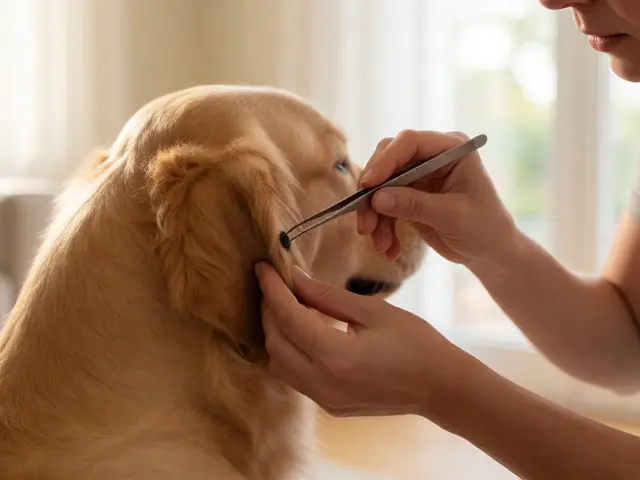
You just pulled a tiny, engorged tick off your dog’s ear. Your heart sinks. You know ticks carry nasty stuff like Lyme disease, but you’re not sure if that single bite is enough to make them sick. Do you rush to the vet? Do you start antibiotics immediately? Or do you wait and watch?
Here’s the hard truth: most vets will tell you that immediate antibiotic prophylaxis after a single tick bite isn’t always necessary. But "not always" isn't a comforting answer when you live in a high-risk area like the Pacific Northwest or the Northeast US. This guide breaks down exactly what post-exposure tick prophylaxis means, when it’s actually needed, and how to protect your dog without over-medicating.
The Quick Takeaways
- Not every bite equals infection: Ticks generally need 24-48 hours of attachment to transmit Borrelia burgdorferi (the bacteria causing Lyme).
- Prophylaxis is situational: A single dose of doxycycline is sometimes recommended for high-risk exposures, but routine use is debated.
- Testing timing matters: Don’t test too soon. Antibodies take weeks to develop; testing at 1 week yields false negatives.
- Prevention beats cure: Monthly preventatives are far more effective than reactive treatments.
Understanding the Risk Window
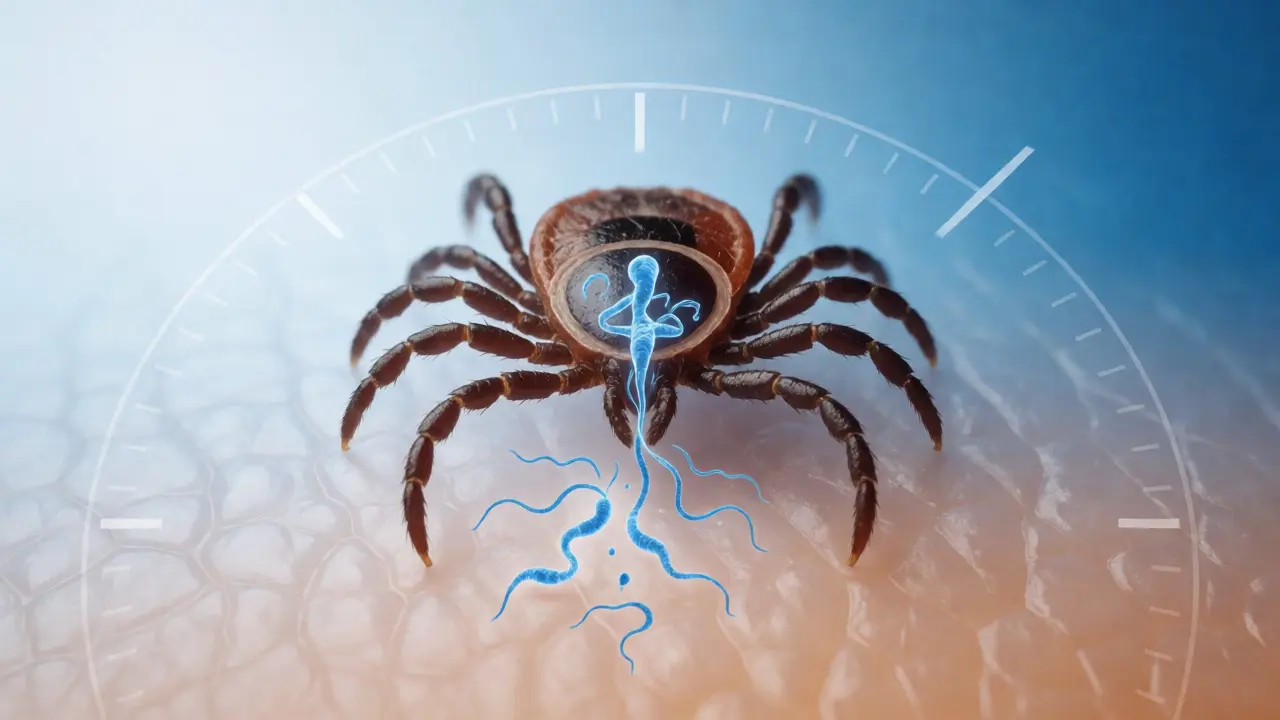
Let’s look at the biology. When a tick bites, it doesn’t instantly inject bacteria into your dog’s bloodstream. The tick has to feed first. For Borrelia burgdorferi, the spirochetes reside in the tick’s midgut. They only migrate to the salivary glands as the tick feeds and digests blood. Studies indicate this migration process typically takes 36 to 48 hours. If you remove the tick within that window, the risk of transmission drops significantly-often to less than 5%.
However, other pathogens behave differently. Anaplasma phagocytophilum can be transmitted faster, sometimes within 24 hours. And Babesia species vary by type. So, while the "48-hour rule" is a solid heuristic for Lyme, it’s not a universal shield against all tick-borne diseases. In Portland, where I see a lot of Western Blacklegged Ticks (Ixodes pacificus), the prevalence of Lyme is lower than in Connecticut, but Anaplasmosis is a real concern.
When Is Post-Exposure Prophylaxis Actually Recommended?
Veterinary guidelines have shifted over the years. Ten years ago, many vets prescribed antibiotics for any tick found on a dog. Today, the consensus is more nuanced. According to the American Veterinary Medical Association (AVMA) and the Companion Animal Parasite Council (CAPC), routine antibiotic prophylaxis is not universally recommended for every tick exposure.
So, when do we consider it? Vets usually lean toward prophylaxis in three specific scenarios:
- Prolonged Attachment: The tick was fully engorged (big, gray, and heavy) when removed, suggesting it fed for several days.
- High-Risk Geography: You live in an area with high prevalence of vector-borne diseases, such as the Upper Midwest or Northeast US.
- Multiple Exposures: Your dog had multiple ticks attached simultaneously, increasing the bacterial load potential.
In these cases, a single dose of Doxycycline is the standard choice. It’s broad-spectrum and covers Borrelia, Anaplasma, and Ehrlichia. Unlike human medicine, where a single dose might suffice for Lyme prophylaxis, veterinary protocols often suggest monitoring rather than immediate dosing unless the risk factors above are present.
The Diagnostic Dilemma: Testing Too Soon
This is where owners get frustrated. You want to know now if your dog is infected. You go to the vet, they draw blood, and run a 4Dx Snap Test. The result comes back negative. Great, right? Not necessarily.
Most rapid tests detect antibodies, not the bacteria itself. Your dog’s immune system needs time to recognize the invader and produce those antibodies. This seroconversion period takes 4 to 6 weeks. If you test one week after the bite, a negative result means nothing-it just means the body hasn’t reacted yet. A positive result at one week could mean the dog was exposed months ago, not from that specific tick.
The smartest move? Wait. Monitor your dog for clinical signs. If symptoms appear, test then. If no symptoms appear, consider re-testing at 60-90 days post-exposure if you want peace of mind. This approach saves money and avoids treating asymptomatic dogs who may never get sick.
Clinical Signs to Watch For
Instead of rushing for meds, become a detective. Most tick-borne diseases in dogs are subclinical, meaning they don’t show obvious symptoms. But when they do, here’s what to look for in the weeks following a bite:
- Lethargy and Fever: A dog that won’t eat or play and feels warm to the touch.
- Lameness: Shifting leg lameness is a hallmark of Lyme arthritis. One day the front left hurts, next week the back right.
- Swollen Lymph Nodes: Especially near the site of the bite.
- Dark Urine: This can indicate Babesiosis, where red blood cells are destroyed.
If you see these signs, call your vet immediately. Blood work including a Complete Blood Count (CBC) and chemistry panel, along with specific PCR or antibody testing, will guide treatment. Treatment usually involves a course of doxycycline lasting 2-4 weeks, which is highly effective if caught early.
Comparison: Reactive vs. Preventive Strategies
It’s helpful to weigh the pros and cons of reacting to a bite versus preventing it in the first place. Here’s a breakdown of common approaches.
| Strategy | Action Required | Risk of Disease | Cost & Effort | Best For |
|---|---|---|---|---|
| Do Nothing | Monitor for symptoms | Moderate to High (depends on geography) | Low cost, low effort | Owners in low-prevalence areas with indoor-only pets |
| Manual Removal Only | Check daily, remove promptly | Reduced if removed <24h | Medium effort (daily checks) | Dogs with known allergies to preventatives |
| Single-Dose Prophylaxis | Vet visit + Rx | Low for treated pathogens | High cost per event | High-risk exposure, engorged ticks |
| Monthly Preventative | Administer pill/chew/topical | Very Low | Recurring cost, consistent effort | All dogs in endemic areas |
Top Preventatives That Work
Why chase the problem when you can stop it? Modern preventatives are incredibly effective. In my practice experience, consistency is key. Missing a month leaves a gap where ticks can attach and feed.
Here are the main types of preventatives used in 2026:
- Oral Chews (Isoxazolines): Brands like NexGard, Bravecto, and Simparica kill ticks before they can transmit disease in many cases. They work systemically. Note: Some studies suggest ticks must still attach briefly, but they die quickly.
- Topical Spot-Ons: Products like Frontline Plus or Advantix create a barrier on the skin. Good for dogs that hate pills, but require keeping the dog dry for 24-48 hours.
- Collars: Seresto collars release active ingredients slowly over 8 months. Convenient, but some dogs react to the collar material.
- Injectables: There are newer long-acting injectable options gaining traction for multi-month protection, though availability varies by region.
Combining methods is also popular. Many owners use a monthly chew plus a topical spray for walks in tall grass. This "belt and suspenders" approach offers maximum security.

What About Vaccines?
Yes, there is a vaccine for Lyme disease in dogs. However, it does not replace preventative medications. The vaccine primes the immune system to fight Borrelia burgdorferi if the dog gets bitten. It requires an initial series followed by annual boosters.
Is it worth it? For dogs in high-incidence areas like Pennsylvania or Minnesota, absolutely. For dogs in Oregon, the benefit is marginal because the primary vector here transmits Lyme less efficiently than the Eastern Blacklegged Tick. Discuss this with your local vet-they know the regional epidemiology best.
Frequently Asked Questions
How long does a tick need to be attached to transmit Lyme disease?
Generally, a tick needs to be attached for 24 to 48 hours to transmit Borrelia burgdorferi. The bacteria reside in the tick's gut and migrate to the salivary glands during feeding. Removing the tick within 24 hours significantly reduces the risk of transmission.
Should I give my dog antibiotics after finding a tick?
Not always. Current veterinary guidelines suggest that routine antibiotic prophylaxis is unnecessary for most single tick exposures. Vets may recommend a single dose of doxycycline if the tick was engorged, attached for more than 48 hours, or if the dog lives in a high-prevalence area. Always consult your vet before medicating.
When should I test my dog for tick-borne diseases after a bite?
Wait at least 4 to 6 weeks after the bite to test. Rapid tests detect antibodies, which take time to develop. Testing too soon often results in a false negative. If your dog shows symptoms earlier, seek immediate veterinary care regardless of the timeline.
Can humans get tick diseases from our dogs?
No, humans cannot catch Lyme disease directly from their dogs. However, dogs can bring unattached ticks into the home, which can then bite humans. Check your dog regularly and inspect your clothing and bedding after outdoor activities to prevent secondary exposure.
What are the signs of Anaplasmosis in dogs?
Signs include fever, lethargy, loss of appetite, joint pain, and sometimes bruising or bleeding due to low platelet counts. Unlike Lyme, Anaplasmosis rarely causes kidney issues but can cause severe acute illness. Diagnosis requires blood tests, and treatment with doxycycline is usually very effective.
Next Steps for Dog Owners
If you’ve just removed a tick, don’t panic. Take a photo of the tick if possible-vets can identify the species, which helps assess risk. Clean the bite site with antiseptic. Keep a log of the date and location of the bite.
For the next 30 days, watch your dog closely. Look for changes in behavior, appetite, or movement. If anything seems off, call your vet. Otherwise, stick to your regular preventative schedule. Consistency is your best defense against these persistent parasites.