Ever wondered why a simple ear wipe doesn't fix your dog's scratching? The answer lies deep within the unique architecture of the canine ear, which is structurally different from human ears in ways that make infections stubborn and recurring. Unlike our horizontal canals, a dog's ear canal forms an L-shape, creating a natural pocket where moisture, debris, and bacteria can hide from standard cleaning routines.
Understanding this specific anatomy is the first step to breaking the cycle of chronic otitis. When you know how the physical structure traps irritants, you can see why topical treatments often fail if the underlying environment isn't addressed. This guide breaks down the biological reasons behind persistent ear issues and offers practical insights into managing them effectively.
The Unique L-Shaped Structure
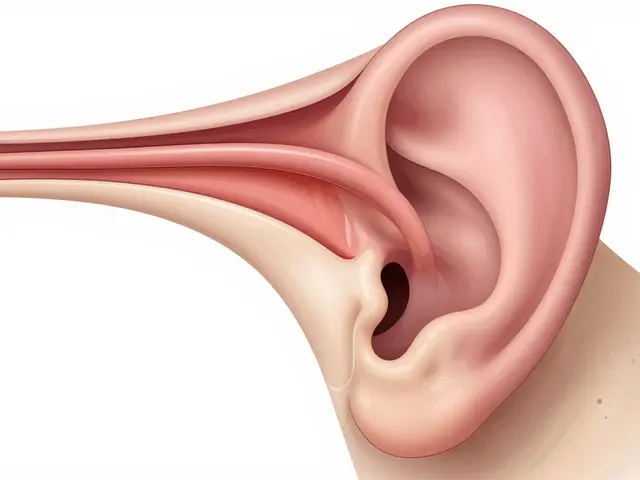
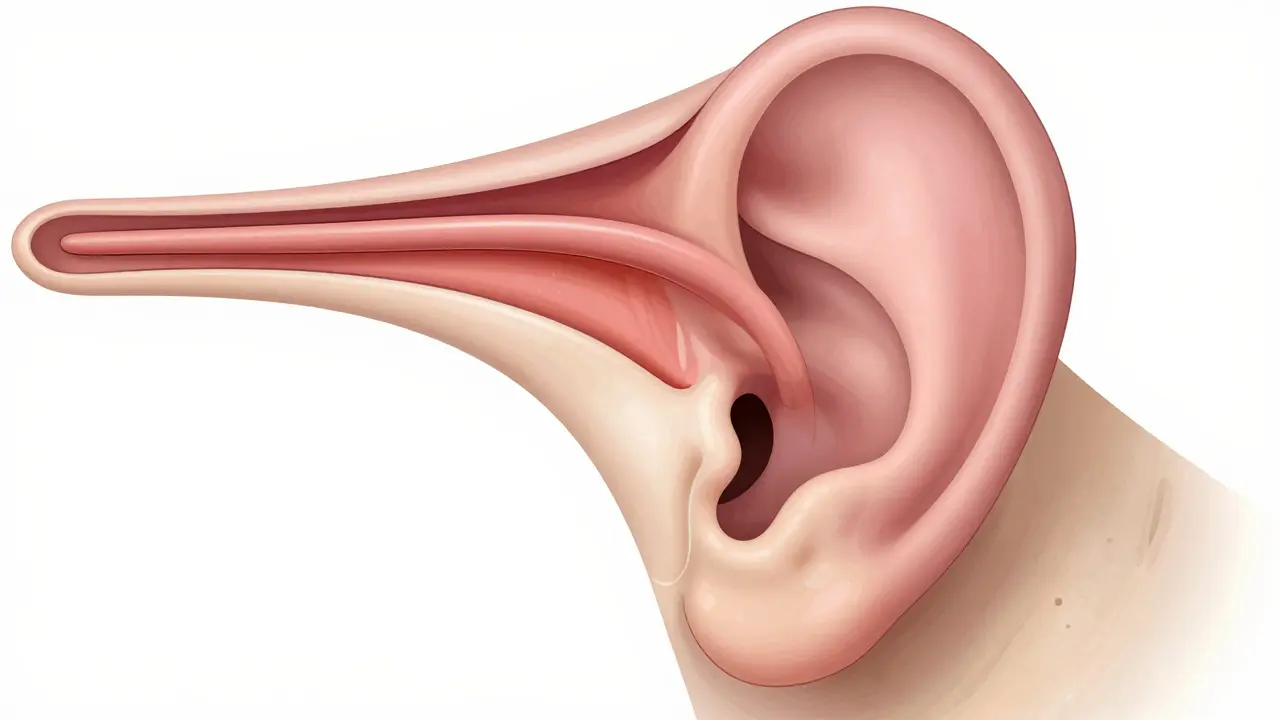
The primary reason dog ear infections persist is the geometry of the ear canal itself. Human ear canals are nearly straight tubes leading directly to the eardrum. In contrast, the external auditory canal in dogs consists of two distinct segments: the horizontal canal and the vertical canal.
- Horizontal Canal: This section runs parallel to the ground, extending inward from the ear flap (pinna). It is wider and more accessible but prone to collecting wax and dirt.
- Vertical Canal: At the end of the horizontal segment, the canal turns sharply upward toward the tympanic membrane (eardrum). This vertical portion is narrow, cartilaginous, and difficult to reach without specialized tools.
This bend creates a "dead zone" at the junction. If inflammation occurs here, the swelling narrows the passage further, trapping debris behind the blockage. Standard ear cleaners applied to the outer part of the ear often miss this critical junction, allowing bacteria and yeast to thrive in the dark, warm environment below.
Why Moisture Traps Form Naturally
Dogs have a high surface area-to-volume ratio in their ear canals compared to humans. This means they produce cerumen (earwax) differently. While human wax is dry and flaky, canine cerumen is often softer and more abundant. When combined with the L-shaped trap, this creates ideal conditions for microbial growth.
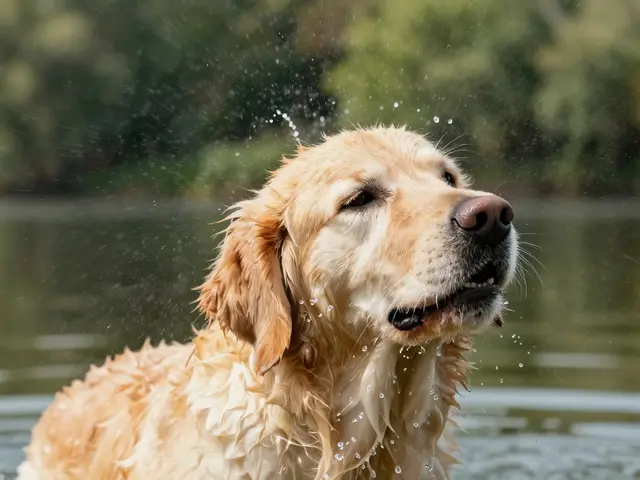
Consider a Golden Retriever swimming in a lake. Water enters the horizontal canal easily. However, because the vertical canal points upward, gravity doesn't help drain it out. Instead, the water pools at the bottom of the horizontal section or seeps into the vertical turn. Without proper drying, this trapped moisture raises the humidity inside the canal, softening the skin and making it easier for pathogens like Malassezia pachydermatis (yeast) and Pseudomonas aeruginosa (bacteria) to invade.
The Role of Immune Response and Inflammation
Infection is rarely just about germs; it's about the body's reaction to them. When irritants enter the canal, the local immune system triggers inflammation. This causes the tissues to swell. In a straight canal, slight swelling might not block flow significantly. But in the narrow vertical canal of a dog, even minor edema (swelling) can obstruct airflow and drainage completely.
This obstruction leads to anaerobic conditions-environments without oxygen. Many problematic bacteria, such as Staphylococcus pseudintermedius, thrive in these low-oxygen zones. As the infection worsens, the inflammation intensifies, creating a vicious cycle known as the "otitis spiral." The more it swells, the harder it is to clean; the harder it is to clean, the worse the infection becomes.
Anatomical Variations by Breed
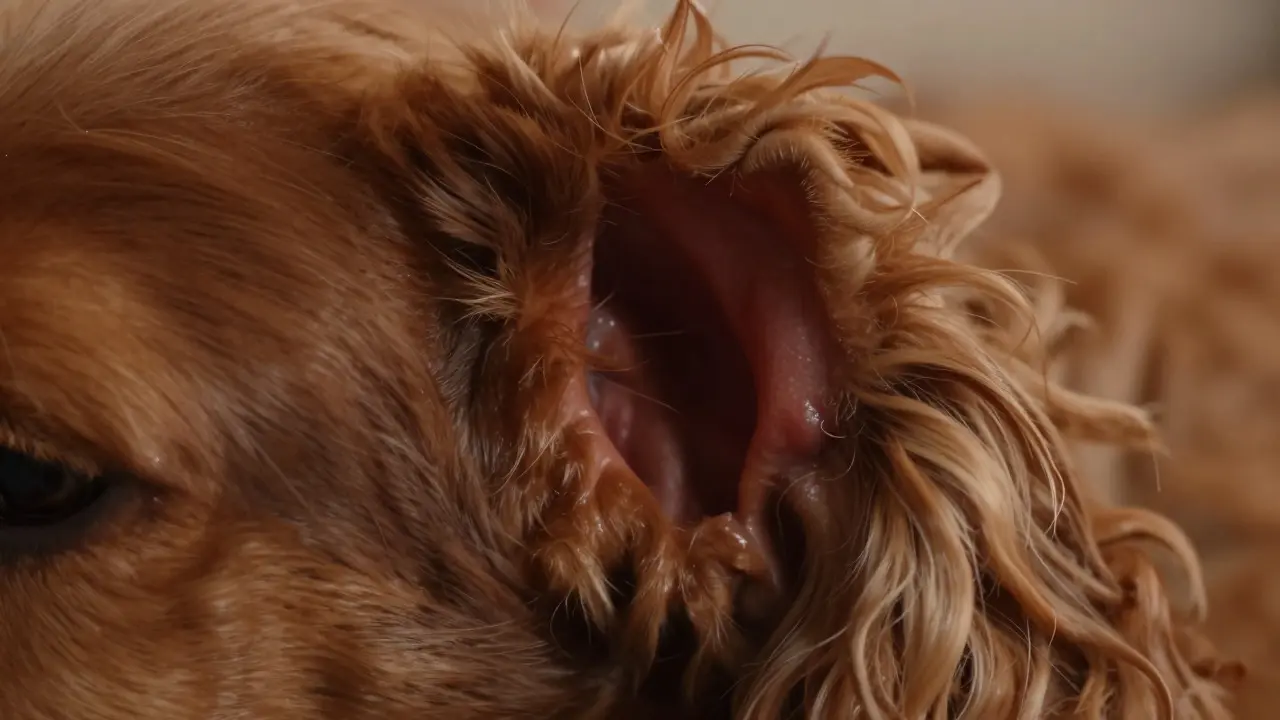
Not all dog ears are created equal. Breed-specific anatomy plays a massive role in susceptibility. Dogs with floppy ears, like Cocker Spaniels or Basset Hounds, have pinnae that cover the ear opening tightly. This reduces air circulation, keeping the canal warmer and damper than in breeds with erect ears, like German Shepherds or Border Collies.
| Breed Type | Ear Shape | Air Circulation | Infection Risk Factor |
|---|---|---|---|
| Cocker Spaniel | Floppy/Low-set | Poor | High (Moisture retention) |
| German Shepherd | Erect/High-set | Good | Moderate (Allergy-driven) |
| Poodle | Floppy/Dense coat | Poor | Very High (Hair growth in canal) |
| Beagle | Semi-erect/Floppy | Moderate | High (Narrow canals) |
Additionally, some breeds, particularly Poodles and Wirehaired Dachshunds, may grow hair inside the ear canal. This hair acts like a wick, pulling moisture deeper into the vertical canal and providing a substrate for bacterial biofilms to attach to. Removing this internal hair during professional grooming sessions can significantly reduce recurrence rates.
Common Underlying Causes Beyond Germs
While bacteria and yeast are the culprits, they are usually secondary invaders. The primary drivers of persistent ear infections are often systemic or environmental factors that alter the pH or integrity of the ear skin.
- Allergies: Food allergies (chicken, beef, grain) and environmental allergies (pollen, dust mites) cause itching. The dog scratches, introducing bacteria from the paws into the canal. The resulting inflammation keeps the door open for infection.
- Hypothyroidism: An underactive thyroid can change the texture of the skin and earwax production, making the canal more susceptible to irritation.
- Foreign Bodies: Grass seeds, ticks, or debris can lodge in the vertical canal. Because the canal is narrow, these objects are hard to detect without an otoscope. They cause constant mechanical irritation, preventing healing.
If an infection returns within three weeks of treatment, it is highly likely that an underlying cause remains unaddressed. Treating only the symptoms without identifying the root trigger is akin to mopping the floor while the faucet is still running.

Diagnostic Challenges for Vets
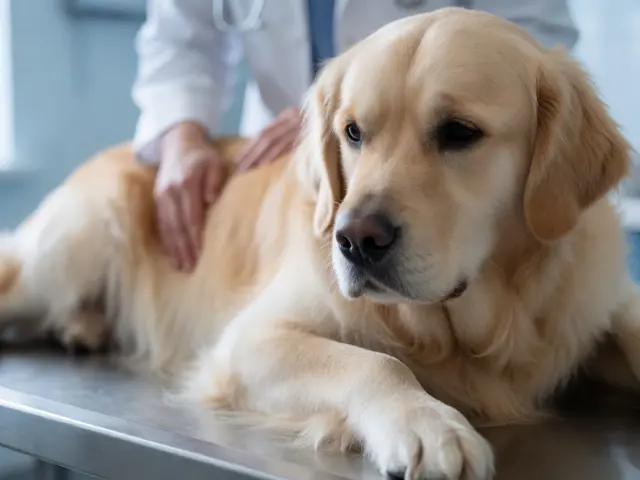
Even veterinarians face hurdles due to this anatomy. Visualizing the entire canal requires an otoscope, a tool that allows magnified viewing of the vertical segment. Without it, vets might miss lesions deep in the canal or perforations of the eardrum.
Cytology (examining cells under a microscope) helps identify whether the primary pathogen is bacterial or fungal. However, culture and sensitivity tests are often necessary for chronic cases to determine which antibiotics will actually work. Resistance to common drugs like cefazolin is increasingly common in Pseudomonas strains, making accurate diagnosis crucial for effective treatment.
Preventive Strategies Based on Anatomy
Knowing the structure allows for smarter prevention. You don't need to over-clean, but you do need to target the right areas.
- Post-Bath Drying: Use a fan or cool dryer on a low setting to blow air through the horizontal canal immediately after bathing or swimming. This removes trapped water before it can breed microbes.
- Regular Inspection: Check the inner leaf of the ear flap weekly. Look for redness, odor, or discharge. Early detection prevents the inflammation from reaching the vertical canal.
- Appropriate Cleaning: Use vet-recommended cleansers that break down wax without drying out the skin. Avoid cotton balls, which can push debris deeper into the L-junction. Cotton pads are safer for wiping the visible parts.
- Address Allergies: Work with your vet to rule out food sensitivities. Eliminating the itch stops the self-trauma that introduces new bacteria.
By respecting the unique L-shaped design of the canine ear, you move from reactive treatment to proactive management. The anatomy dictates the strategy: keep it dry, keep it clear, and address the source of the irritation.
Why do dog ear infections come back so often?
Infections recur primarily because the L-shaped ear canal traps moisture and debris in the vertical segment, which is hard to clean thoroughly. Additionally, underlying issues like allergies or foreign bodies often remain untreated, causing continuous inflammation that invites new bacterial or yeast growth.
Is it safe to use hydrogen peroxide to clean my dog's ears?
Generally, no. Hydrogen peroxide can be irritating to the sensitive skin of the ear canal, especially if there is existing inflammation or a perforated eardrum. It can also disrupt the natural pH balance, potentially encouraging bacterial growth. Vet-approved ear cleansers are formulated to be gentle and effective for the specific anatomy of the dog's ear.
How does a dog's ear differ from a human ear?
The most significant difference is the shape. Human ear canals are straight, while dog ear canals form an L-shape with a horizontal and vertical segment. This bend makes it difficult for fluids to drain naturally and creates a hidden space where infections can develop unnoticed. Additionally, dog earwax tends to be softer and more abundant than human earwax.
Which breeds are most prone to ear infections?
Breeds with floppy ears, such as Cocker Spaniels, Basset Hounds, and Poodles, are at higher risk. Their ear flaps restrict air circulation, keeping the canal warm and moist. Breeds with hair growing inside the ear canal, like Wirehaired Dachshunds, are also susceptible because the hair traps debris and moisture deep within the vertical canal.
What should I do if my dog shakes its head constantly?
Constant head shaking is a classic sign of ear discomfort, often indicating an infection, foreign body, or severe allergy. It can lead to hematoma formation (blood-filled pockets) on the ear flap if left unchecked. If the shaking persists for more than 24 hours, schedule a veterinary exam to inspect the canal and determine the underlying cause.