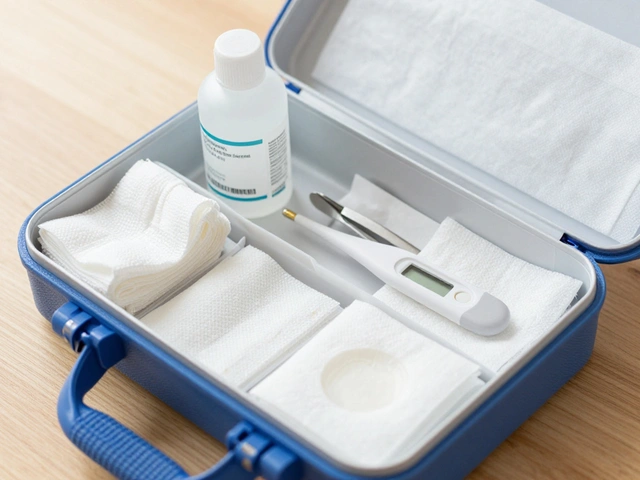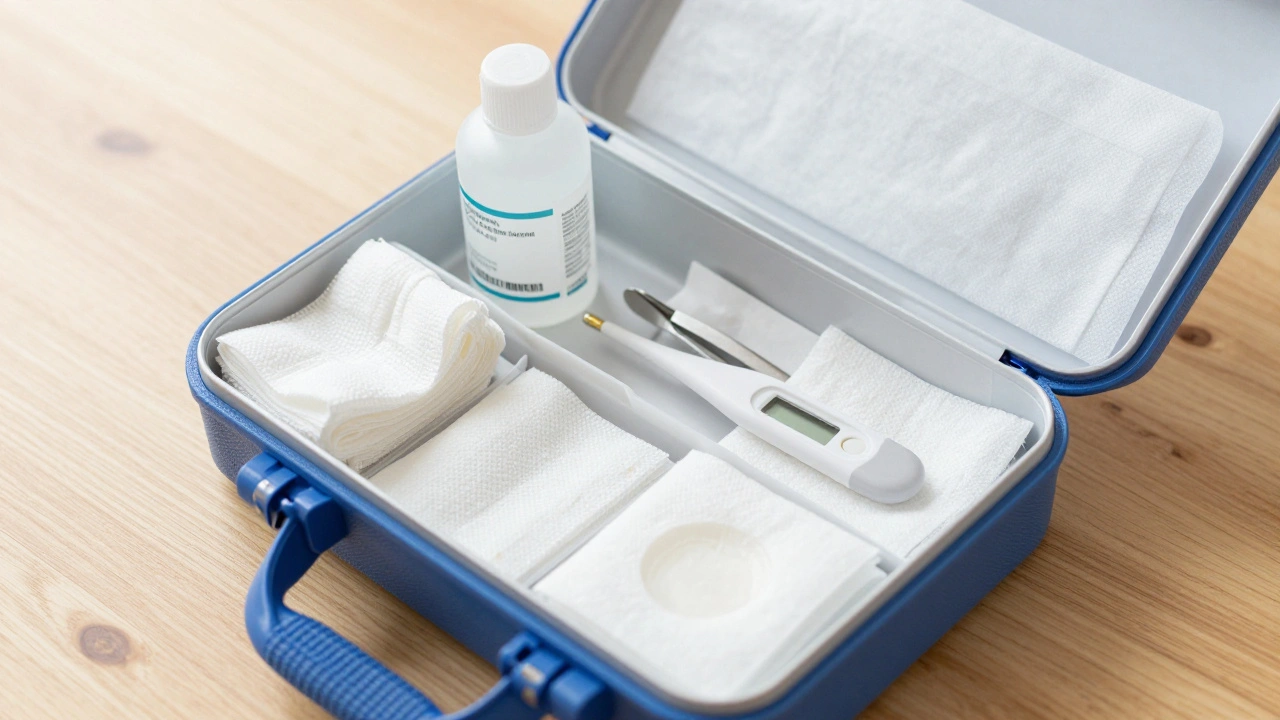
You don't think about it when your dog is happily chasing a ball in the yard, but accidents happen in a heartbeat. Whether it's a jagged piece of glass from a broken ornament or a sudden allergic reaction to a bee sting, the few minutes before you reach the vet are the most critical. Having a pre-assembled dog first aid kit isn't about being paranoid; it's about staying calm when things go sideways. If you're scrambling to find a clean towel or a pair of scissors while your dog is bleeding, you're more likely to panic, and your pet will feel that stress.
Quick Summary of Must-Haves
- Wound care: Sterile gauze, adhesive tape, and antiseptic wipes.
- Tools: Digital thermometer, tweezers, and blunt-nosed scissors.
- Medications: Benadryl (diphenhydramine) and saline solution.
- Restraints: Elastic bandages and a muzzle for safety.
- Records: Vaccination history and emergency contact list.
Building Your Basic Wound Care Station
Most home emergencies involve scrapes, punctures, or cuts. The goal here is to stop bleeding and prevent infection until a professional can take over. You'll want to start with Sterile Gauze Pads absorbent squares of cotton used to clean wounds and apply pressure to stop bleeding. Don't use cotton balls; they leave fibers in the wound that can cause irritation.
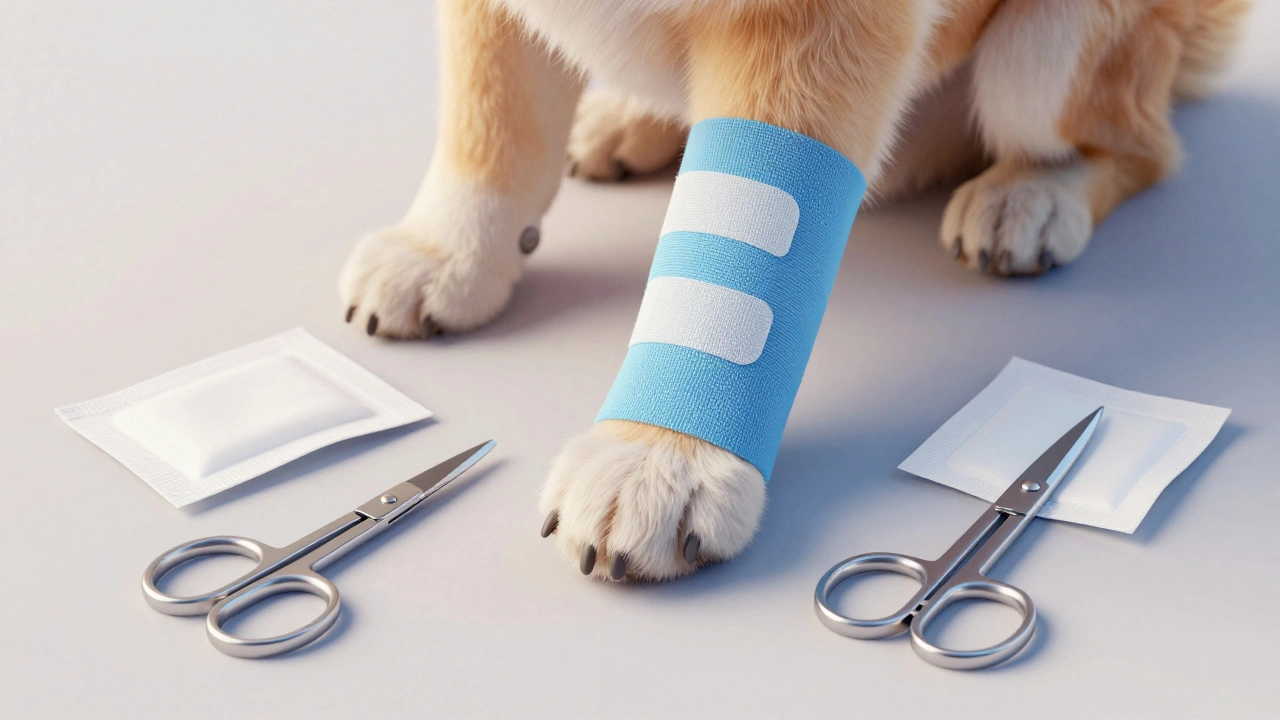
Pair those with a high-quality adhesive tape. A wrap-around bandage, often called a cohesive bandage, is a lifesaver because it sticks to itself and not to the dog's fur. If you've ever tried to peel a standard Band-Aid off a golden retriever, you know that's a nightmare. Use a self-adhering wrap instead.
For cleaning, keep Saline Solution a sterile mixture of salt and water used to flush debris out of wounds without damaging tissue. It's much safer than hydrogen peroxide, which can actually damage healthy skin cells and slow down the healing process. Just flush the wound thoroughly to remove dirt or grit.
Essential Tools for Rapid Response
When the clock is ticking, you can't be searching through the kitchen junk drawer for scissors. Your kit needs a dedicated set of blunt-nosed scissors-these are designed to cut through bandages or clothing without poking your dog's skin.
A Digital Thermometer a device used to measure a dog's internal body temperature, typically inserted rectally for accuracy is non-negotiable. A dog's normal temperature is higher than a human's, typically between 101°F and 102.5°F. If you suspect heatstroke or a fever, knowing the exact number helps the vet decide how to treat them the moment you walk through the door.
Tweezers are another necessity. Whether it's a stubborn tick or a piece of glass, you need a tool that allows for a precise grip. Avoid the cheap plastic ones; go for stainless steel that can be sterilized with rubbing alcohol.
| Agent | Best Use Case | Pros | Cons |
|---|---|---|---|
| Saline Solution | Flushing debris | Gentle, non-irritating | No antimicrobial power |
| Povidone-Iodine | Minor cuts/scrapes | Kills bacteria/fungi | Can stain fur and skin |
| Chlorhexidine | General disinfection | Broad spectrum action | Can be drying if overused |
Medications and Chemical Aids
You should never give your dog medication without talking to your vet first, but having a few pre-approved staples in your kit saves time. Diphenhydramine an antihistamine commonly known as Benadryl, used to treat allergic reactions and insect stings in dogs is a frequent recommendation. If your dog gets stung by a bee and starts swelling, an antihistamine can buy you time while you drive to the clinic.
Hydrocortisone cream can be useful for localized skin irritations, but keep it away from areas where your dog can lick it. Most dogs will eat the cream off their skin, and some of these chemicals can cause stomach upset if ingested in large amounts.
Consider adding a styptic powder. If your dog accidentally clips a nail too short-which happens more often than you'd think-a styptic powder (or even cornstarch in a pinch) stops the bleeding almost instantly by clotting the blood at the site of the injury.
Safety and Restraint Gear
Here is a hard truth: a dog in pain may bite, even if they are the sweetest pet in the world. This is a reflex, not a behavioral choice. A Muzzle a device used to prevent a dog from biting or eating harmful substances during medical treatment is an essential safety item. If you don't have a professional muzzle, you can use a soft strip of gauze or a necktie to gently wrap around the snout, but only if the dog isn't having respiratory distress.
Include a few sturdy towels. These aren't just for cleaning blood; they can be used to wrap a dog to prevent them from struggling during an injection or to keep them warm if they are going into shock. Shock is a serious condition where the organs don't get enough oxygen, and keeping the dog warm and still is the best first-response move you can make.
The Administrative Side of Emergencies
When you're panicking, you'll forget your vet's phone number. Create a physical "Emergency Contact Card" and tape it to the inside of your kit. Include your primary vet's number, the nearest 24-hour emergency clinic, and the ASPCA Animal Poison Control a specialized service providing expert guidance on toxic substances ingested by pets hotline.
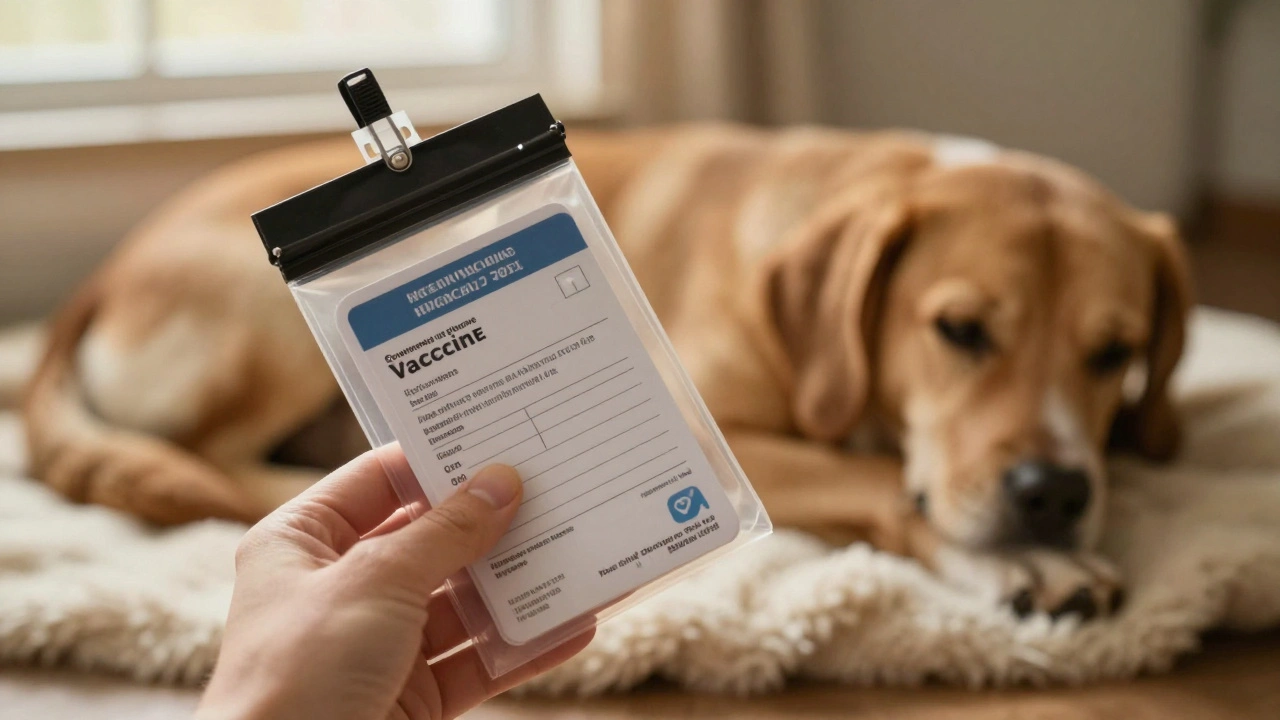
Keep a copy of your dog's most recent vaccination records in a waterproof sleeve. If you have to go to an emergency hospital that doesn't have your records, proving your dog is up-to-date on rabies shots is a legal and medical requirement that speeds up the admission process.
Maintaining Your Kit Over Time
A first aid kit is not a "set it and forget it" project. Every six months, check the expiration dates on your saline solution and medications. Diphenhydramine and antiseptic wipes can lose their potency over time.
Also, consider your dog's size. A Great Dane needs much larger gauze pads and a longer muzzle than a Chihuahua. If your dog has grown significantly since you built the kit, update the sizes of your wraps and restraints to ensure they actually fit.
Can I use human bandages on my dog?
Standard adhesive bandages (like Band-Aids) generally don't work well on dogs because they don't stick to fur and can be painful to remove. It's much better to use a combination of gauze and cohesive wraps that stick to themselves rather than the skin or hair.
Is hydrogen peroxide safe for cleaning dog wounds?
While often used in the past, many vets now advise against it for deep wounds because it can damage healthy tissue and delay healing. Sterile saline or a very diluted povidone-iodine solution is generally preferred for cleaning.
How do I know if my dog is in shock?
Look for pale gums, rapid but weak pulse, cold extremities, and labored breathing. If you suspect shock, keep your dog warm with blankets, keep them still, and get them to a vet immediately.
What is the correct way to take a dog's temperature?
Digital thermometers should be inserted carefully into the rectum, about a half-inch deep. Lubricate the tip with petroleum jelly or water-based lubricant first to avoid irritation. Hold the thermometer in place until it beeps.
Should I keep a muzzle in the kit if my dog is friendly?
Yes. Even the gentlest dogs can bite when they are in extreme pain or terrified. A muzzle protects both you and the veterinary staff, allowing them to treat the dog without the risk of injury.
Next Steps for Pet Owners
If you've just assembled your kit, don't stop there. Your next move should be taking a basic pet first aid course. Knowing how to use the tools in your kit-like how to apply a pressure bandage or perform canine CPR-is just as important as owning the equipment.
For those with multiple pets, consider a "modular" kit. Keep the bulk of the supplies in one main box, but have small, portable pouches for the car or for when you take your dog to the park. This ensures that whether you're at home or on the go, you're never more than a few seconds away from the tools that could save your dog's life.