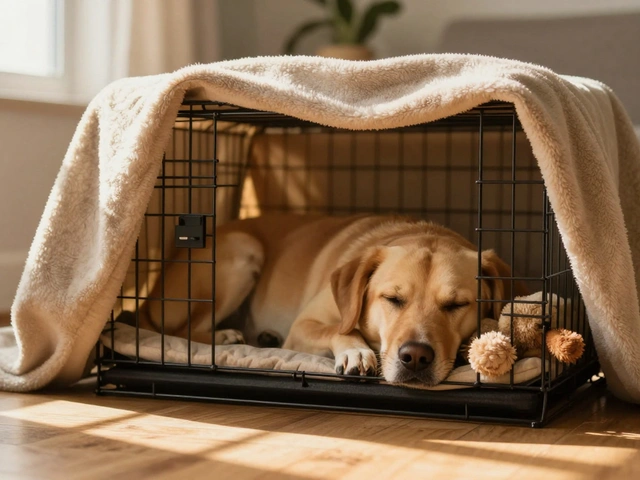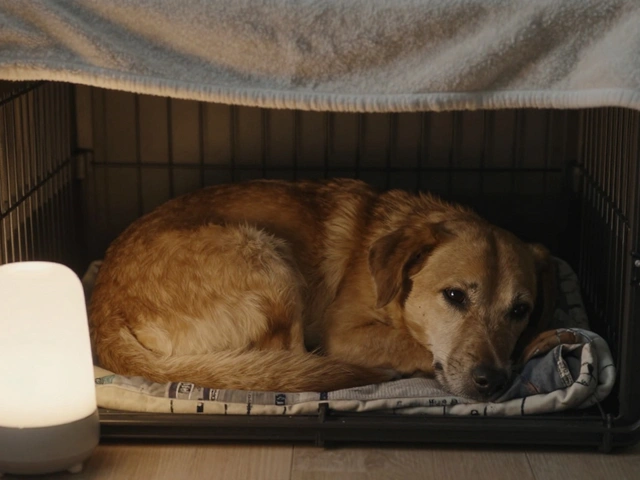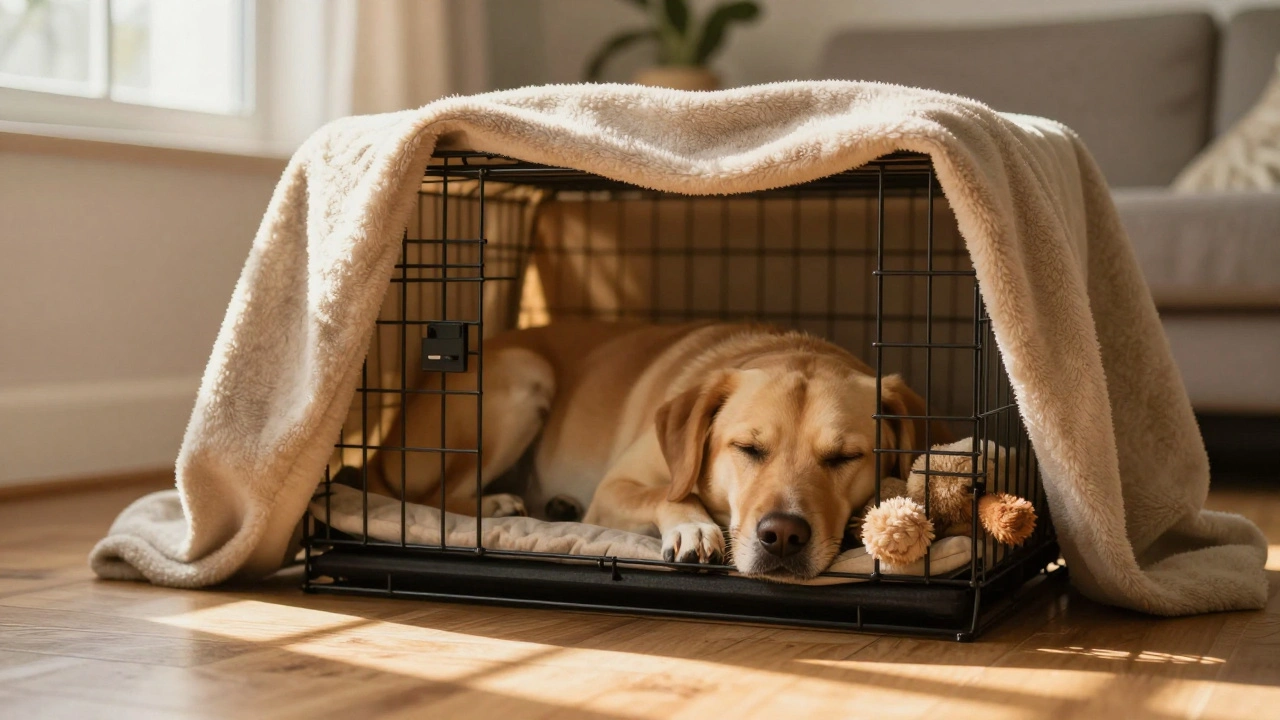
Why the Crate Is a Sanctuary, Not a Punishment
Bringing a new dog home feels like a mix of pure joy and overwhelming chaos. You have the excitement of a fresh start, but the reality often hits hard when your Adopted Dogs is rescue animals that may carry trauma, anxiety, or unknown behavioral histories starts chewing the baseboards or peeing on the rug. Many people view the crate as a cage, a place to lock up a nuisance. That mindset kills the process before it begins. In 2026, modern dog training emphasizes that a crate is a den, a safe room, and a tool for building confidence.
When you implement Crate Training is a behavioral method using a confined space to teach a dog self-control, security, and housebreaking, you aren't restricting freedom; you are creating boundaries. Dogs thrive on structure. Without it, anxiety spikes. For a rescue dog, the world can be loud, scary, and unpredictable. A crate offers a consistent, quiet corner where they can retreat. This distinction changes everything. If you treat the crate as a time-out box, your dog will fear it. If you treat it as a bedroom, they will love it.
The Psychology Behind the Den Instinct
Understanding the natural behavior of canines helps you see why this method works so well. Wolves and wild dogs seek out enclosed spaces to sleep and raise their young. This is the den instinct. It is hardwired into their DNA. When you offer a crate, you are tapping into that primal need for security. For an adopted dog, especially one from a shelter or a hoarding situation, this is vital. They often lack a sense of ownership over their space.
Shelter environments are noisy and stressful. A crate gives them a place where no one can touch them, no other dog can bother them, and the chaos of the house stops at the door. This reduction in sensory input lowers cortisol levels. Lower stress means better learning. It also prevents destructive behaviors that stem from boredom or panic. If you leave your dog alone for work, the crate prevents them from chewing electrical cords or digging up the floor. It keeps them safe while you are gone, but it also teaches them how to settle down when you are home.
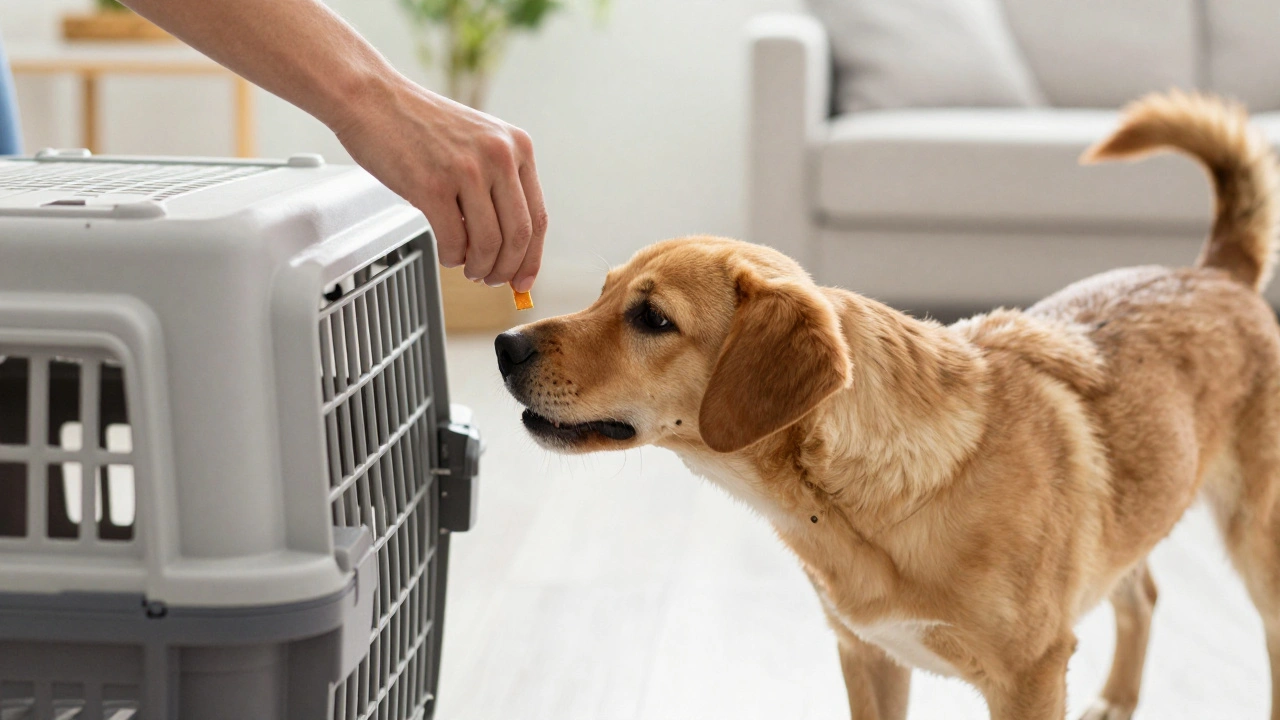
Choosing the Right Equipment for Success
Not all crates are created equal. The type of enclosure you choose impacts how your dog perceives the space. You generally have two main options: wire crates and plastic travel crates. Wire crates offer better visibility and airflow. They feel more open. This works well for dogs who need to see their family to feel safe. Plastic crates, often called airline kennels, are more enclosed. They feel more like a cave. This suits dogs who are easily distracted or prone to anxiety when they can see too much movement.
| Feature | Wire Crate | Plastic Crate |
|---|---|---|
| Visibility | High (dog sees surroundings) | Low (dog feels enclosed) |
| Ventilation | Excellent airflow | Moderate airflow |
| Portability | Heavy, folds flat | Light, easy to carry |
| Best For | Social dogs, house use | Anxious dogs, travel |
Size matters just as much as material. A crate that is too big defeats the purpose of housebreaking. If a dog has too much room, they might choose one corner to sleep and another to pee. They should be able to stand up, turn around, and lie down comfortably. If your dog is still growing, you need a divider panel. This allows you to adjust the space as they get bigger. You want them to feel snug, not cramped. Measure your dog from nose to tail and add a few inches. This ensures the space is functional without being excessive.
Step-by-Step Training Process
Rushing the process is the number one mistake owners make. You cannot force a dog into a crate and expect them to sleep through the night on day one. Patience is the currency here. Start by placing the crate in a high-traffic area, like the living room. Cover it with a blanket if it looks too open. Leave the door open and let the dog investigate. Toss high-value treats inside. Let them come and go freely. Do not close the door yet. This builds positive associations.
Once your dog enters willingly, start feeding meals inside the crate. Place the bowl at the back so they have to step in to eat. After a few days, close the door while they eat. Open it immediately after they finish. Gradually increase the time the door stays closed. Start with one minute, then five, then ten. Stay in the room during the early stages. If they whine, wait for a moment of silence before opening the door. If you open the door while they are whining, you teach them that noise opens the cage.
Introduce a command like "kennel" or "bed." Use Positive Reinforcement is a training technique that rewards desired behaviors to increase their frequency every time they obey. Give them a chew toy or a stuffed Kong when they go in. This creates a ritual. The crate becomes the place where good things happen. Eventually, you can leave the room for short periods. This mimics the separation they will experience when you go to work. Build up to longer absences slowly. If you jump from five minutes to eight hours, you will trigger separation anxiety.
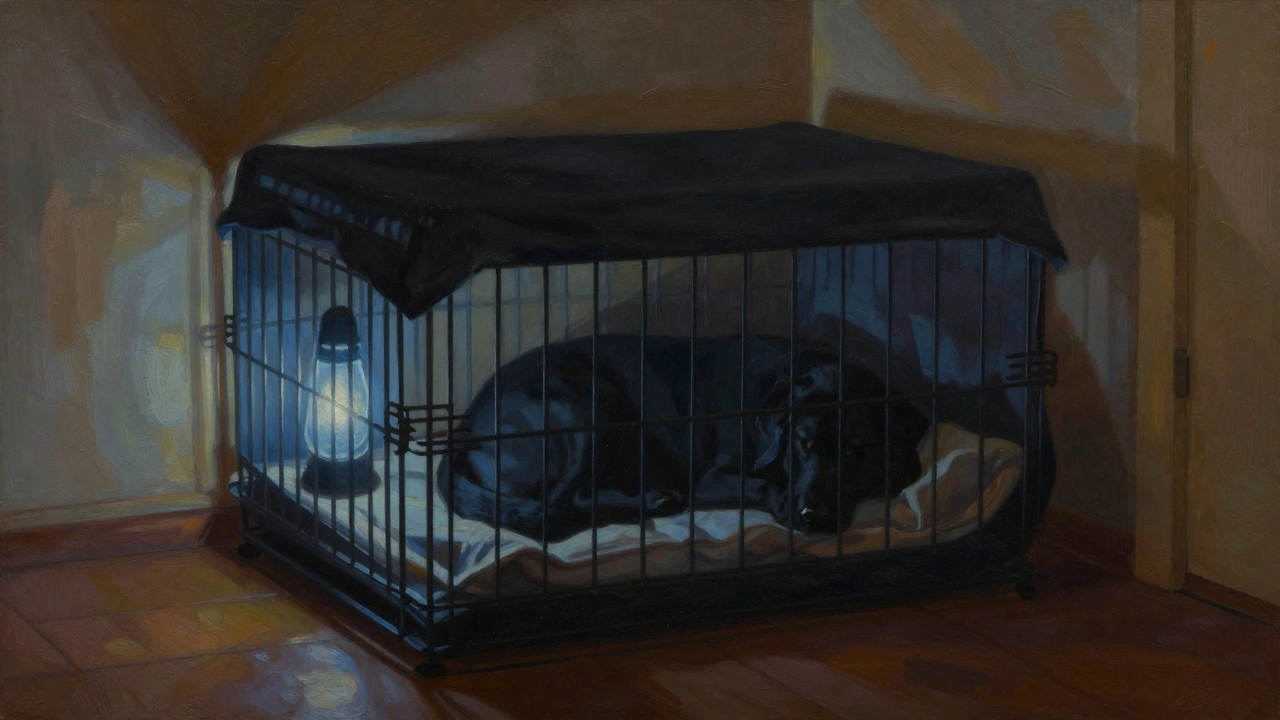
Building a Consistent Daily Routine
Training doesn't happen in a vacuum. It relies on a predictable schedule. Dogs feel secure when they know what comes next. If you crate your dog at 9 AM, 11 AM, and 2 PM randomly, they will be confused. Set specific times for potty breaks, meals, and crate time. A typical schedule might look like this: morning potty, breakfast in the crate, morning walk, work day crate time, evening walk, dinner, playtime, night crate.
Consistency reduces anxiety. If the dog knows that after the crate comes a walk, they are more likely to settle. Avoid making the crate a place of isolation for punishment. Never put the dog in there after they do something wrong. They will associate the crate with the mistake, not the safety. Keep the environment calm. Dim the lights if it is nap time. Use a white noise machine or soft music to mask outside sounds. This helps the dog understand that the crate is for resting, not for being ignored.
Troubleshooting Common Challenges
Even with the best plan, things can go sideways. Whining is the most common issue. First, rule out biological needs. Did they need to pee? If not, ignore the noise. Do not yell or comfort them. Yelling reinforces the behavior by giving attention. Comforting them rewards the whining. Wait for a pause in the noise. That silence is the signal to open the door. If the dog has a history of severe trauma, they might need more time. Some dogs need a few weeks of gradual exposure before they can handle being alone.
Destructive behavior indicates the dog is too stressed or the crate is the wrong size. If they are chewing the bars, they might be trying to escape. This often happens with high-energy dogs who need more exercise before crating. A tired dog is a good dog. Ensure they get a long walk or a game of fetch before you put them in the crate. If accidents happen, do not rub their nose in it. Clean it with an enzymatic cleaner. Check if the crate is too big or if you are leaving them in too long. Most adult dogs can hold their bladder for about one hour per month of age, up to a maximum of eight to nine hours.
Regression is normal. If you had a successful week and then the dog starts peeing again, look for changes in the environment. Did you move the furniture? Did you change the schedule? Stress triggers regression. Go back a step in the training. Rebuild the positive associations. It is better to take two steps back to move forward safely than to force progress that breaks trust.
How long can I leave an adopted dog in a crate?
Adult dogs can typically handle 8 to 9 hours maximum, but puppies should not be crated longer than their age in months plus one hour. For adopted dogs with anxiety, start with shorter periods and build up slowly.
Is it cruel to crate a dog at night?
No, it is not cruel if done correctly. Dogs naturally sleep in den-like spaces. Night crating helps with housebreaking and provides a secure sleep environment for rescue dogs.
What if my dog refuses to enter the crate?
Do not force them. Use high-value treats, feed meals inside, and cover the crate to make it cozy. Make the entrance positive and never use the crate for punishment.
Should I cover the crate with a blanket?
Yes, covering the crate can reduce visual stimulation and make the space feel more like a den. This is especially helpful for anxious adopted dogs.
Can crate training help with separation anxiety?
It can help manage symptoms by providing a safe space, but severe separation anxiety often requires a broader behavior modification plan alongside crating.