Why Your Older Dog’s Weight Fluctuates
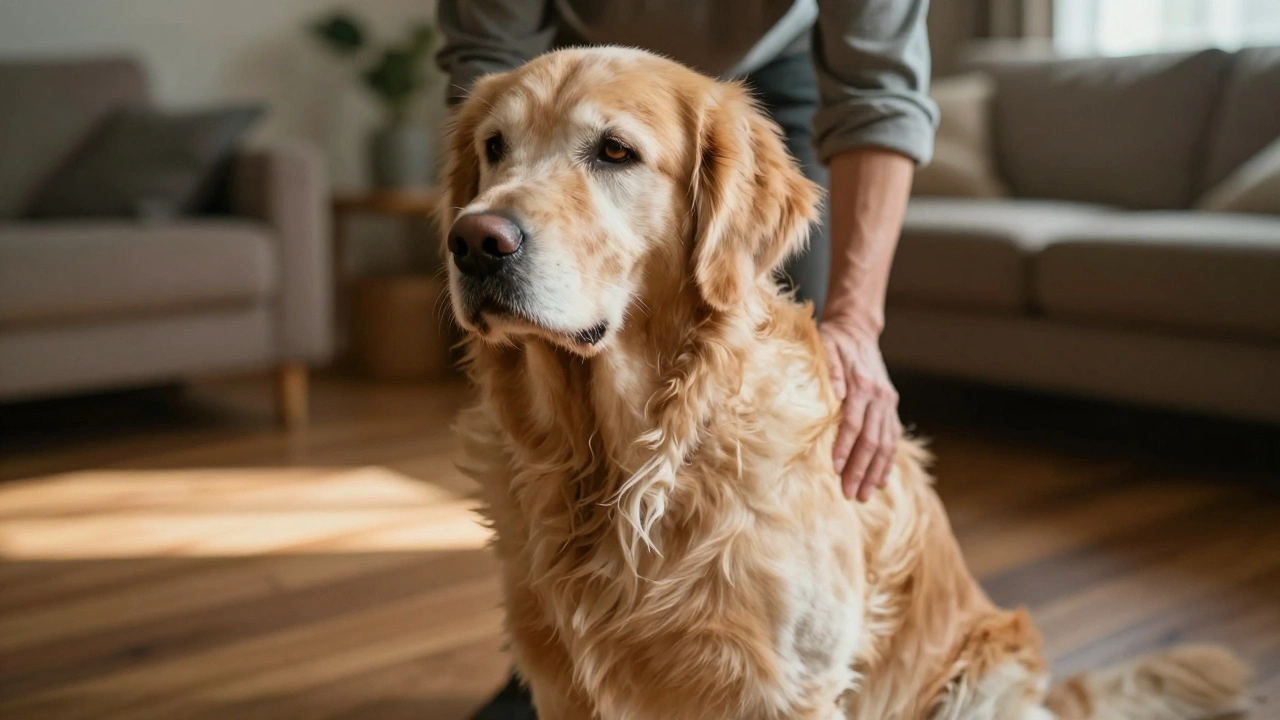
You notice it first when you walk past them in the morning. Their coat hangs looser, their hips stick out more sharply, or maybe they feel heavier under your hands. In our Senior Dog canines aged seven years or older, weight shifts are never just about snacks or exercise. They are often loud signals from the body’s internal systems. Unlike young pups who bounce back quickly, older bodies struggle to regulate balance. A sudden shift usually points to something specific happening underneath.
Ignoring these changes because "they’re old" is risky. We need to look past surface assumptions. Whether your pup is gaining too much bulk or losing essential muscle, both extremes stress organs differently. Let’s look at the mechanics of why this happens and what you can actually do about it today.
The Mechanics of Weight Gain in Old Age
When people hear "weight gain," they think about extra food. While overeating plays a role, metabolic slowdown is a bigger driver for most seniors. As metabolism drops, burning fewer calories becomes normal. If you keep feeding the exact same amount as they did at age four, that extra energy turns to fat storage.
Canine Obesity excess fat accumulation exceeding thirty percent of ideal weight creates a cycle of decline. More weight means less desire to move. Less movement means slower digestion and metabolism. This loop accelerates joint issues and makes heart strain common.
Beyond simple caloric surplus, hormonal imbalances frequently cause unwanted bulk.
- Hypothyroidism: The thyroid gland slows production of hormones regulating metabolism. Signs include hair loss, cold intolerance, and sluggish behavior alongside the weight gain.
- Cushing’s Disease: Excess cortisol production drives up appetite significantly. Owners report pets constantly begging for food and drinking water excessively.
- Lack of Insulin Sensitivity: Even without full diabetes, aging cells process sugar less efficiently, storing more as fat reserves.
Solving this isn’t just about cutting food. It requires identifying the underlying trigger through veterinary testing rather than guesswork diets alone.
Understandings Behind Dangerous Weight Loss
Rapid weight loss often worries owners more than gain, but it requires similar investigation. Losing mass usually means the body stops absorbing nutrients or burns resources faster than intake replaces them. Muscle wasting is particularly dangerous here. Fat stores provide cushion, but muscles protect organs and support movement.
Sarcopenia age-related loss of skeletal muscle mass is natural to some degree, but rapid progression suggests pathology. Common drivers include:
- Dental Disease: If teeth hurt, eating hurts. You might notice your dog dropping food after picking it up. They switch to softer treats or stop eating entirely.
- Chronic Kidney Disease: This is very common in older pets. Toxins build up causing nausea. Vomiting becomes frequent, leading to nutrient malabsorption.
- Digestive Enzyme Decline: Pancreas function weakens, making it hard to break down proteins and fats fully.
- Malignancy: Internal tumors consume massive amounts of glucose. They also produce substances that accelerate tissue breakdown.
Even dehydration impacts scale numbers. A dehydrated dog looks thinner because fluid volume drops, masking actual tissue loss. Always check gums-dry tackiness indicates severe hydration issues requiring immediate fluids.
Using Body Condition Scoring Correctly
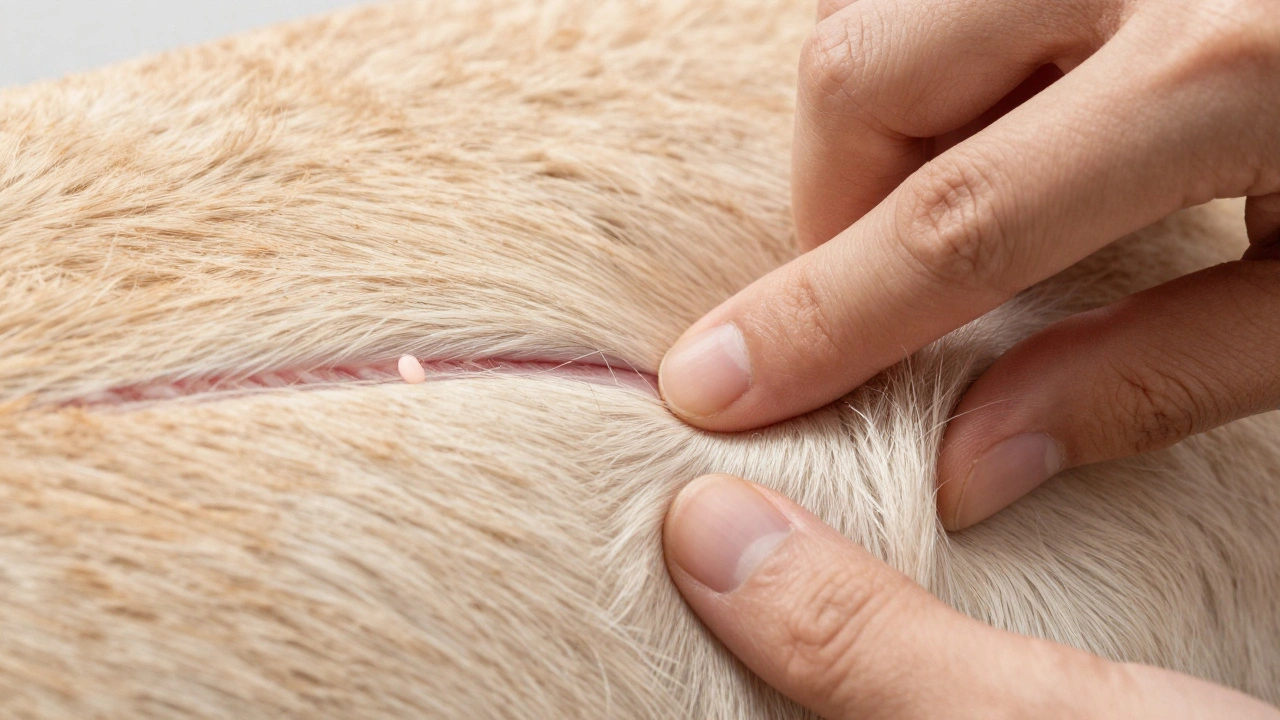
The scale is useless without context. We cannot rely solely on pounds. A large breed dog fluctuating five pounds might not show visible change, whereas a small toy breed does. That is why we use visual cues known as the Body Condition Score a standardized method to evaluate pet adiposity.
| Feature | Ideal Condition | Overweight Warning | Underweight Warning |
|---|---|---|---|
| Ribs | Palpable with light cover | Invisible under fat | Visible without touching |
| Waistline | Tapers behind ribs | Straight or bulging barrel | Sharp inward pinch |
| Spine | Smoothly felt | Hard to feel | Bone protruding |
If you find bony hips sticking out like wingtips, action is required immediately. Conversely, if you cannot distinguish where the belly ends and chest begins, diet restriction starts now. These physical checks beat the bathroom scale every time.
Adjusting Nutrition and Exercise Plans
Diet changes must match the specific issue identified by your doctor. Switching kibble blindly risks upsetting sensitive stomachs further. For example, high-protein diets help maintain muscle in sarcopenia cases but can burden kidneys failing later.
Nutritional adjustments:
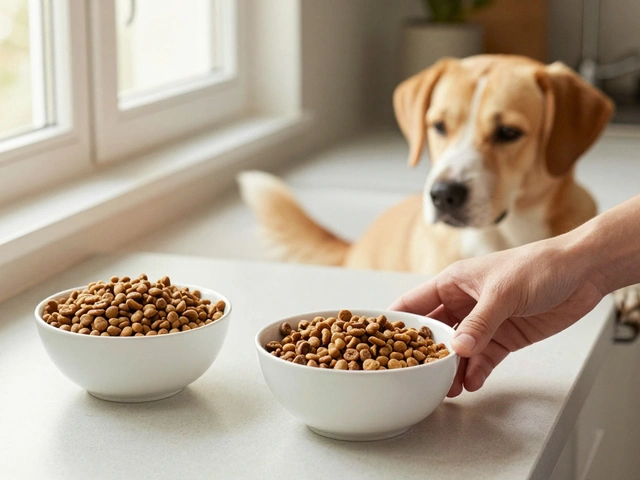
- For Gain: Switch to lower calorie formulas. Measure portions precisely using cups or scales. Stop free feeding; establish set meal times.
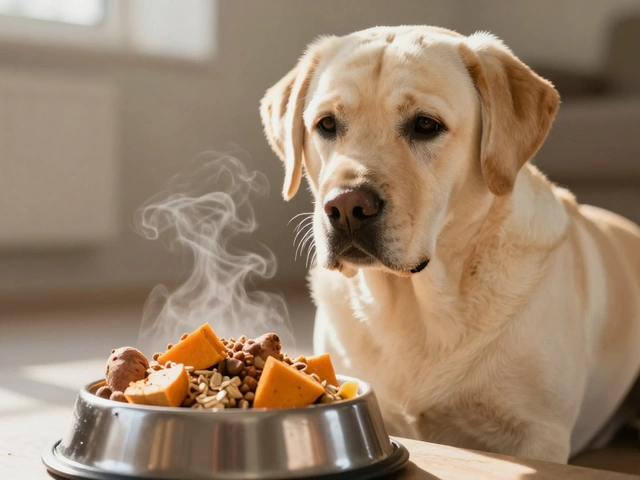
- For Loss: Increase protein quality slightly. Add wet food to improve hydration. If appetite fails, ask vets for appetite stimulants temporarily.
Movement helps regardless of direction. Even a ten-minute leash walk stimulates digestion. However, intense running may stress arthritic joints. Focus on consistent, low-impact activity.
Monitoring Progress Over Time
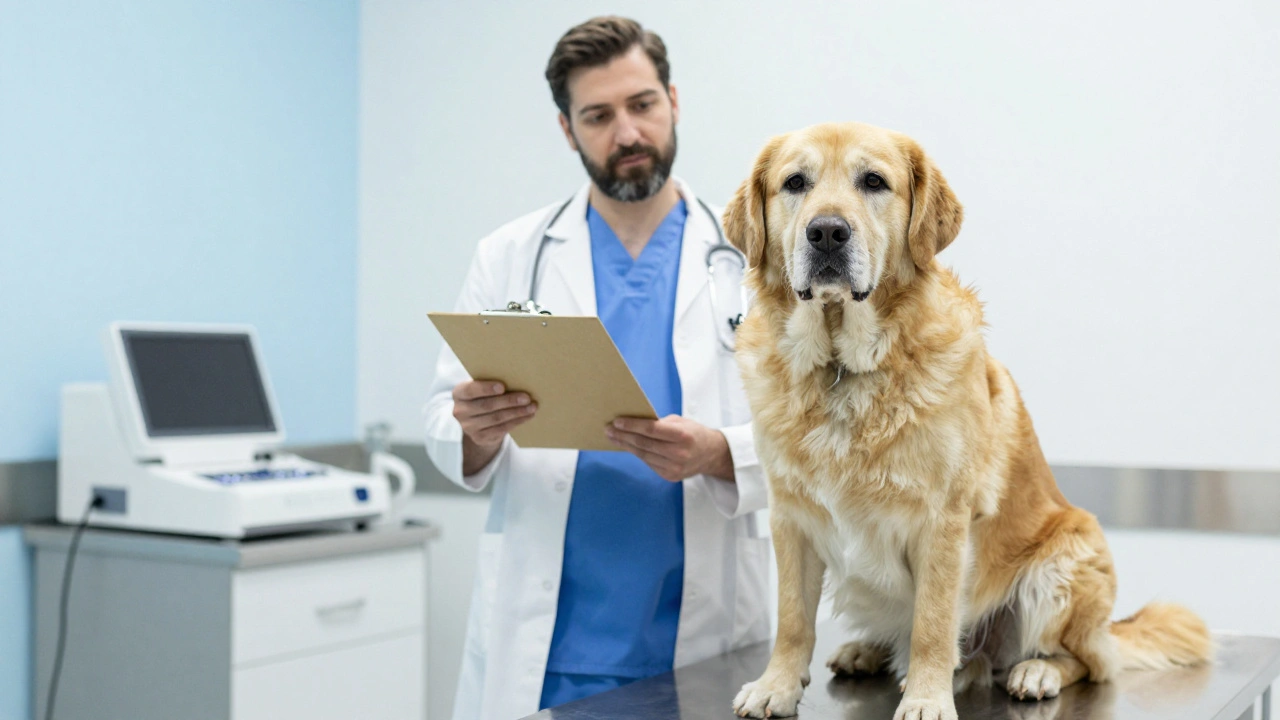
One week won’t tell the truth. Biological adaptation takes time. You need weekly weigh-ins using the same scale. Keep a simple log noting food intake, activity levels, and any vomiting or diarrhea episodes. This data provides doctors with trends during exams.
Some owners skip blood work thinking the dog just eats less. Do not ignore Veterinary Blood Work diagnostic tests assessing organ function and chemistry. Normal ranges change with age. What was normal at age four differs from age twelve. Regular panels catch issues before clinical symptoms become severe.
Frequently Asked Questions
Is it normal for senior dogs to lose muscle?
Some muscle loss called sarcopenia happens naturally with age. However, rapid or significant loss usually indicates an underlying medical condition needing treatment.
What should I feed a dog gaining weight?
Choose lower-calorie diets specifically formulated for senior maintenance. Avoid fatty treats and measure every meal accurately.
How fast is weight loss dangerous?
Losing more than ten percent of body weight in two weeks requires immediate veterinary attention to rule out serious illness.
Can dental issues affect weight?
Yes, painful teeth prevent proper chewing and digestion, leading to decreased food intake and subsequent weight loss.
Should I increase exercise for weight loss?
Gentle, regular walks help burn calories. However, consult a vet first to ensure joints and heart can handle increased intensity safely.