Quick Takeaways for Busy Pet Parents
- Puppies: Usually need 3 to 4 meals per day to keep blood sugar stable.
- Adults: 2 meals per day is the standard, though some do fine with one.
- Seniors: Often benefit from smaller, more frequent meals as digestion slows.
- The Golden Rule: Consistency matters more than the exact number of meals.
The Puppy Phase: Why Frequent Feeding is Non-Negotiable
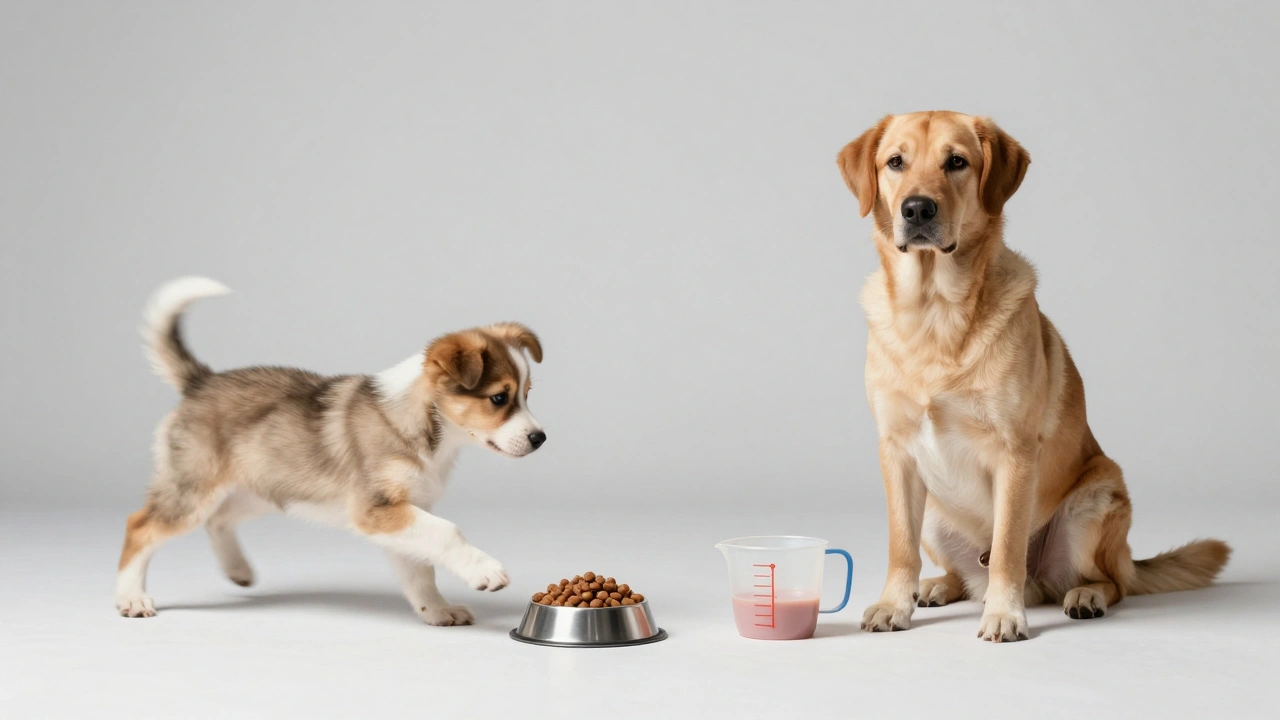
If you have a puppy, you can't just dump a day's worth of food in a bowl and walk away. Puppies have tiny stomachs but massive energy requirements. More importantly, they are prone to Hypoglycemia, which is a fancy way of saying their blood sugar can drop dangerously low if they go too long without eating.
For most breeds, feeding 3 to 4 times a day is the sweet spot. This keeps their energy steady and prevents that "zoomie" chaos that happens when they're starving. If you're using a high-calorie puppy kibble, you're providing the building blocks for bone and muscle growth. Spreading these calories out prevents the digestive system from becoming overwhelmed, which reduces the likelihood of those messy accidents between walks.
As your pup hits the six-month mark, you can usually start transitioning them toward two meals a day. But don't rush it. Watch their behavior; if they start acting erratic or lethargic between meals, they might still need that mid-day snack to keep their brain functioning.
Adult Dogs: Finding the Balance
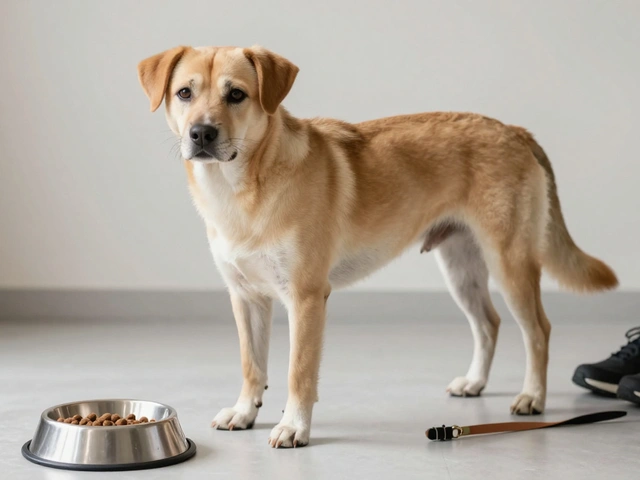
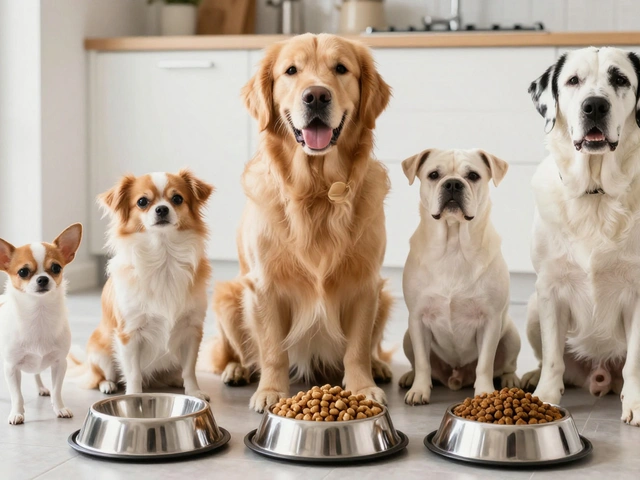
Once your dog reaches adulthood, their metabolism stabilizes. For the vast majority of dogs, Adult Dog Nutrition is best handled with two meals a day-typically morning and evening. Why two instead of one? It's all about the stomach.
Feeding one giant meal can lead to a variety of issues. Some dogs will simply eat too fast and vomit it back up (we've all seen the "scarf and barf"). Others might experience a dip in energy in the afternoon, leading to destructive chewing of your favorite shoes. By splitting the food into two portions, you maintain a more consistent level of glucose in the bloodstream.
However, some owners prefer "free feeding," where food is always available. While this is convenient, it's a risky game. It's incredibly easy for a dog to overeat, leading to obesity. Once a dog becomes overweight, they are at a much higher risk for joint pain and diabetes. If you choose this route, you need a measuring cup and a very disciplined dog, which-let's be honest-most dogs aren't.
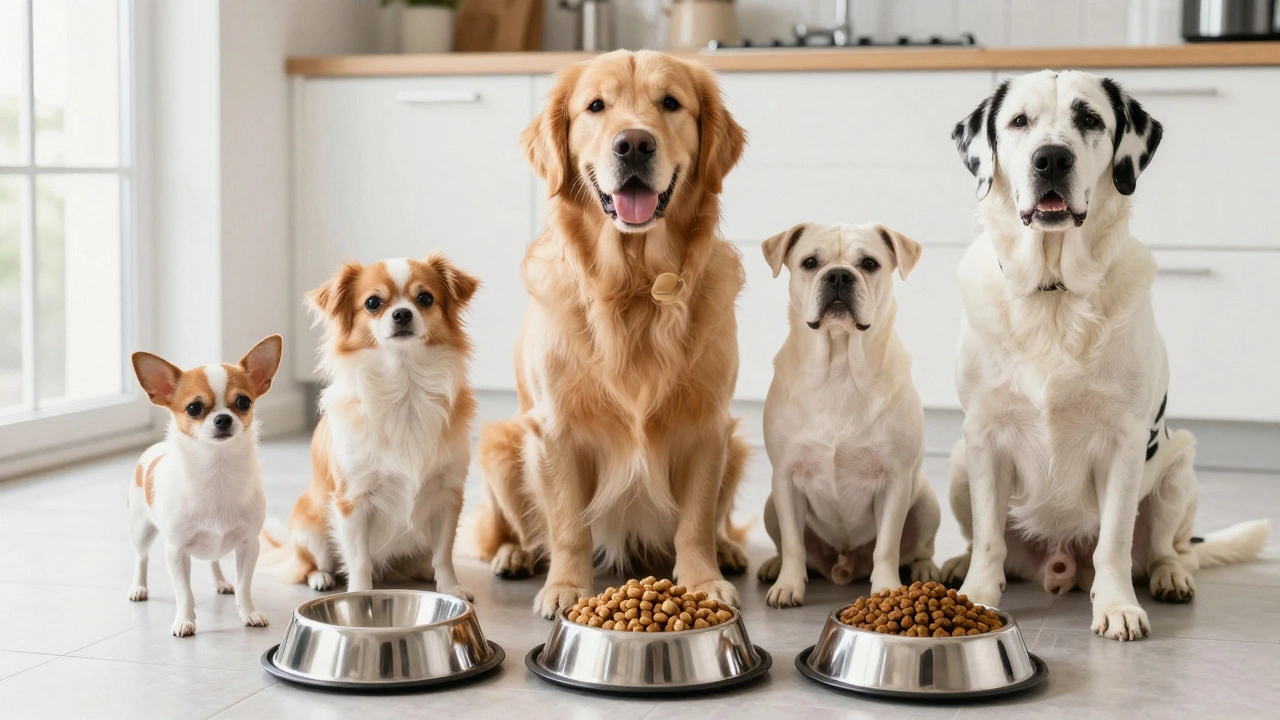
| Life Stage | Small Breed (e.g., Yorkie) | Large Breed (e.g., Lab) | Recommended Frequency |
|---|---|---|---|
| Puppy | 4x per day | 3x per day | High (Blood sugar stability) |
| Adult | 2x per day | 2x per day | Moderate (Weight maintenance) |
| Senior | 2-3x per day | 2-3x per day | Adjusted (Digestion support) |
The Danger Zone: Bloat and Large Breed Risks
If you own a deep-chested breed like a Standard Poodle, German Shepherd, or Great Dane, you need to be aware of Gastric Dilatation-Volvulus, commonly known as bloat. Bloat is a life-threatening condition where the stomach fills with gas and twists. It's a medical emergency that requires immediate surgery.
One of the best ways to mitigate this risk is by avoiding one massive meal. Feeding two or three smaller meals reduces the amount of food and air entering the stomach at once. Many vets even suggest using a slow-feeder bowl to stop them from gulping air along with their kibble. If you notice your dog panting heavily or trying to vomit without anything coming up after a large meal, get to a vet immediately.
Senior Dogs and Changing Needs
As dogs age, their bodies don't process nutrients the same way. Some seniors develop a slower metabolism, while others might struggle with kidney issues or diabetes that require specific timing for their meals. You might find that your old dog gets "hangry" more easily or develops a sensitive stomach that can't handle a large volume of food at once.
For these dogs, moving back to 3 smaller meals can actually be a game-changer. It puts less stress on the digestive tract and keeps their energy levels more consistent. If your senior dog is on medication, timing their meals around those meds is crucial. Some pills need food to avoid stomach irritation, while others must be taken on an empty stomach.
Common Pitfalls in Meal Planning
The biggest mistake people make is confusing "feeding times" with "treat times." If you're feeding your dog twice a day but giving them handfuls of treats during the afternoon, you're essentially feeding them three or four times. This can lead to unexpected weight gain.
Another trap is the "weekend shift." If you feed your dog at 7 AM and 6 PM during the week, but let it slide to 10 AM and 9 PM on Saturdays, you're messing with their internal clock. Dogs thrive on routine. Inconsistent timing can lead to digestive upset or increased anxiety.
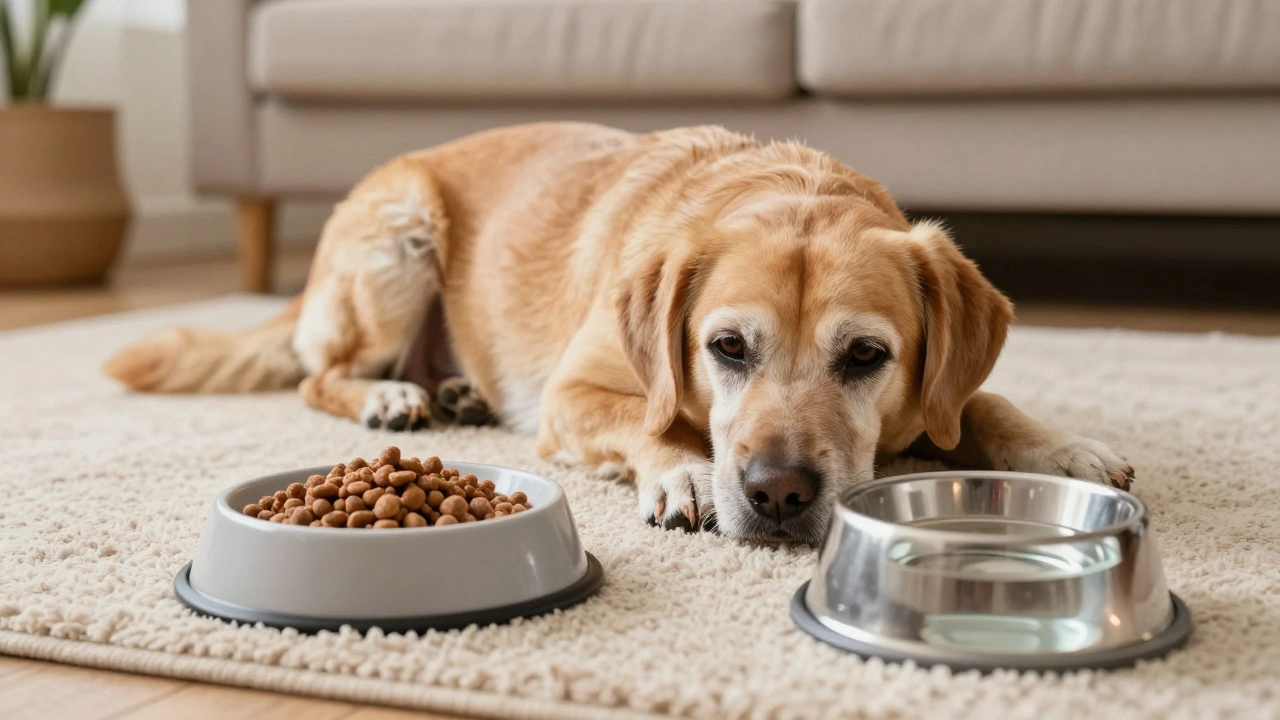
Lastly, don't ignore the water bowl. Regardless of how many times you feed them, fresh water should be available 24/7. Dehydration can mimic hunger, leading your dog to beg for food when they actually just need a drink.
How to Transition Your Feeding Schedule
If you realize your current schedule isn't working, don't make a drastic change overnight. A sudden jump from one meal to four, or vice versa, can cause diarrhea or stomach upset.
- Step 1: Gradually shift the time of the meal by 30 minutes each day until you hit the target time.
- Step 2: If splitting a meal, divide the total daily caloric intake exactly. If they get 2 cups a day, move to 1 cup twice a day.
- Step 3: Monitor their stool and energy. If they become lethargic or have loose stools, slow down the transition.
- Step 4: Adjust treat levels. If you add a third meal, reduce treats to keep the total calories the same.
Can I feed my dog just once a day?
Technically, yes, some healthy adult dogs can handle a once-a-day schedule. However, it's generally not recommended. Feeding once a day increases the risk of hunger-induced behaviors (like chewing furniture), leads to bigger blood sugar swings, and increases the risk of bloat in large breeds. Two meals are almost always better for the dog's digestive health.
What happens if I feed my puppy too many times?
Feeding too frequently can lead to overeating and unhealthy weight gain. While puppies need more frequent meals than adults, you should still stick to the total daily caloric amount recommended by your vet. If you feed 4 times a day, each meal should be a quarter of their daily total, not 4 full portions.
Should I feed my dog before or after a walk?
Generally, it's safer to walk your dog before feeding or wait at least 30 to 60 minutes after a meal before doing vigorous exercise. This is primarily to prevent bloat, especially in large breeds. A full stomach during a heavy run can lead to twisting or discomfort.
How do I know if my dog is actually hungry or just begging?
Dogs are opportunistic eaters; they will often act starving even if they just ate. Check their ribs-if you can't feel them easily under a thin layer of fat, they aren't hungry. If they are pacing, whining, and acting erratic exactly when their usual meal time hits, that's a biological hunger cue. If they beg the moment you open a bag of chips, that's just greed!
Does the type of food (wet vs dry) change how often I feed them?
Yes. Wet food spoils quickly when left out, so it must be fed in specific meal times. Dry kibble is more stable, which is why some people use it for free-feeding. However, regardless of the food type, the biological need for consistent intervals remains the same for the reasons mentioned above.
Next Steps for Dog Owners
If you're still unsure about the exact amount of food to give during these meals, start by reading the bag's guidelines, but treat them as suggestions. Every dog's activity level is different. A working Border Collie needs significantly more fuel than a couch-potato Bulldog.
Your best move is to weigh your dog and check their Body Condition Score (BCS). If you can't feel the ribs, cut back the portion size, regardless of whether you feed once or four times a day. If you're dealing with a medical condition like diabetes, consult your vet to create a strict schedule that aligns with insulin injections.