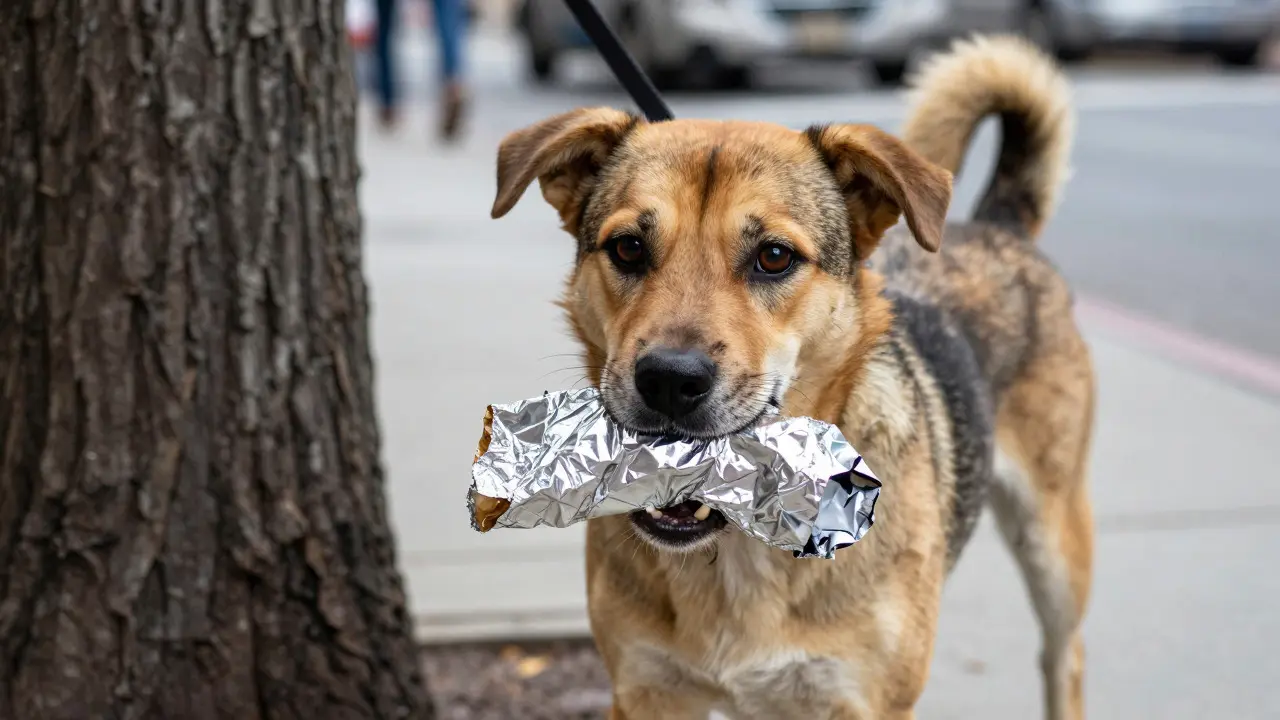
You are walking down the street when your dog spots a shiny object on the ground. Before you can react, they snatch it up and run to a nearby tree, looking at you with wide eyes. You know that item could be toxic, sharp, or just plain annoying, but getting it back feels like a battle of wills. This is where the drop command saves the day.
The "drop" and "drop it" cues are not just party tricks for obedience competitions. They are critical safety tools that give you control over what enters your dog's mouth. Whether you have a puppy who chews everything or an adult dog with strong prey drive, mastering these commands prevents accidents before they happen. Here is how to build this skill from scratch without causing anxiety or food guarding issues.
Why These Commands Matter More Than Sit or Stay
Most owners focus on basic manners first. We teach dogs to sit, stay, and heel. While those are useful, they do not protect your dog from eating a raw chicken bone or a piece of plastic. The drop command is an active retrieval tool. It tells your dog to release an object currently in their possession.
Think about the difference between preventing a dog from picking something up versus taking it away after they already have it. Prevention requires constant vigilance. Retrieval requires trust. If your dog trusts that dropping an item does not mean losing it forever, they will comply quickly. If they think dropping means you keep the toy forever, they will hide, chew faster, or even snap. That fear response is the enemy of safety.
These skills also reduce stress during vet visits and grooming. A dog who knows how to drop items calmly makes handling much easier for professionals. It turns a potential struggle into a cooperative interaction.
Understanding the Difference Between Drop and Drop It
Many trainers use "drop" and "drop it" interchangeably, but there is a subtle distinction that helps with clarity. "Drop" is a shorter, sharper cue. It works well for high-energy situations where you need immediate action. "Drop it" is slightly more descriptive and often used when teaching the concept initially or for dogs who respond better to longer phrases.
Consistency is key here. Pick one phrase and stick with it. Mixing them up can confuse your dog, especially in the early stages. For most households, "drop" is preferred because it is quick to say. You can shout it across a yard or whisper it in a quiet room. The brevity allows for faster communication, which is crucial when dealing with dangerous objects.
Some dogs respond better to hand signals paired with verbal cues. A closed fist held near the nose often triggers a natural sniffing motion that leads to releasing the item. Combining the word "drop" with this specific hand signal creates a multi-sensory cue that reinforces the behavior.
Step-by-Step Training Method for Reliability
You cannot force a dog to drop something they love. You must trade value. The goal is to make dropping feel rewarding rather than punitive. Here is a proven method that builds trust and speed.
- Start with low-value items: Use a toy your dog likes but isn't obsessed with. Avoid their favorite squeaky toy for the first week.
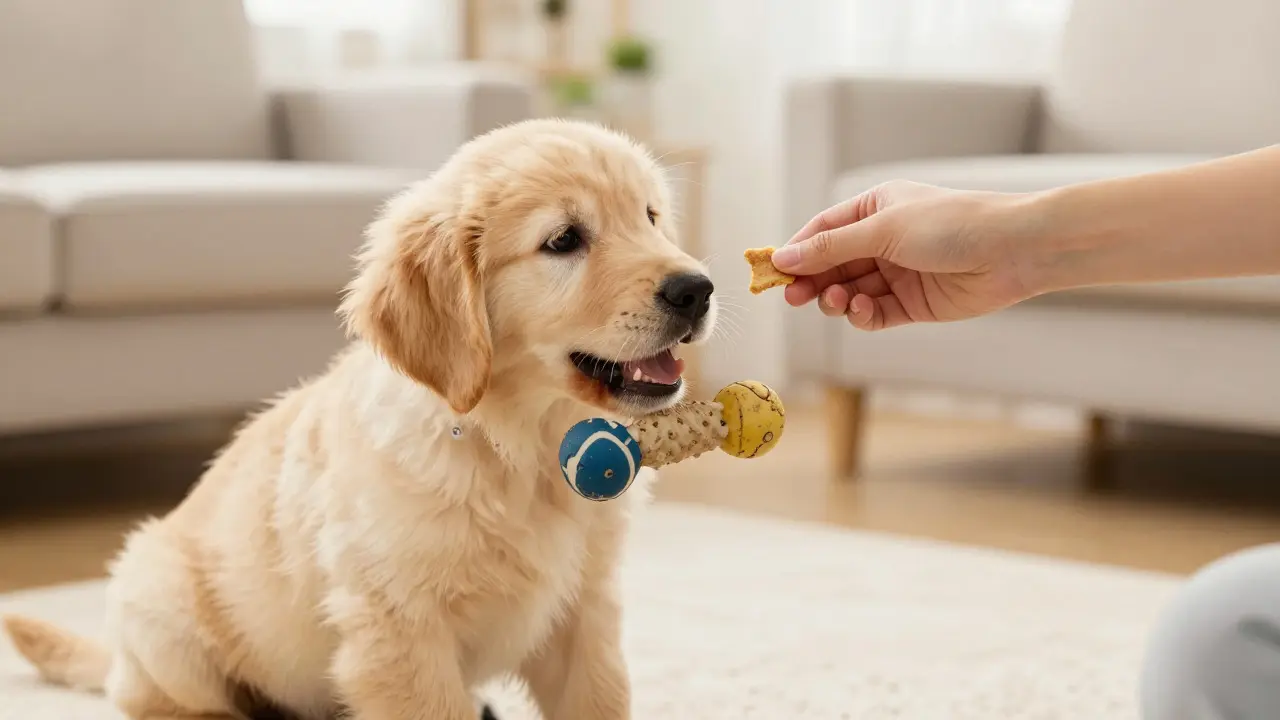
- Hold a high-value treat: Get your dog's attention with a piece of chicken or cheese. Let them smell it while holding the toy.
- Introduce the cue: Say "drop" clearly. Most dogs will open their mouths to smell the treat, releasing the toy in the process.
- Reward immediately: The moment the toy hits the floor, mark the behavior (clicker or "yes") and give the treat. Do not take the toy away yet.
- Return the toy: After a few seconds, let your dog pick the toy back up. This teaches them that dropping doesn't mean losing.
- Repeat and increase difficulty: Once they drop consistently for treats, start withholding the treat occasionally. Instead, return the toy as the reward. This shifts the motivation from food to play.
This process might take two to three weeks depending on your dog's history. Puppies usually learn faster because they haven't developed strong possessive habits yet. Adult dogs may need more patience, especially if they have been punished for chewing in the past.
Common Mistakes That Ruin Progress
Even experienced trainers make errors that set dogs back. The biggest mistake is taking the item away by force. If you yank a ball out of your dog's mouth, you teach them that humans steal things. Next time, they will guard the ball tighter or run away. Always trade, never grab.
Another common error is inconsistent timing. If you say "drop" but wait five seconds before rewarding, the connection weakens. Your dog needs to understand exactly which action earned the reward. Timing matters more than volume. A quiet, timely "drop" works better than a loud, delayed shout.
Finally, don't practice only in calm environments. A dog who drops toys in the living room might ignore the command in the park. Gradually add distractions. Start in the kitchen, move to the backyard, then to a busy park. Each step up in distraction level requires re-teaching the basics until the behavior is solid again.
Handling Food Guarding and Possessiveness
If your dog growls when you approach their bowl or favorite toy, you are dealing with resource guarding. This is a normal survival instinct, but it becomes a problem when it interferes with daily life. The drop command is the antidote to this fear.
When working with a guarded dog, lower the stakes. Don't ask for a drop of their kibble bowl initially. Start with a treat bag. Let them eat from it, then say "drop." Reward with more treats. Over time, they learn that human presence equals good things, not loss. This desensitization process takes time, but it is essential for long-term safety.
Watch your dog's body language closely. A stiff posture, fixed stare, or lip licking indicates tension. If you see these signs, back off and try again later with lower value items. Pushing too hard can escalate a mild growl into a full-blown bite.
Advanced Scenarios: Real-World Application
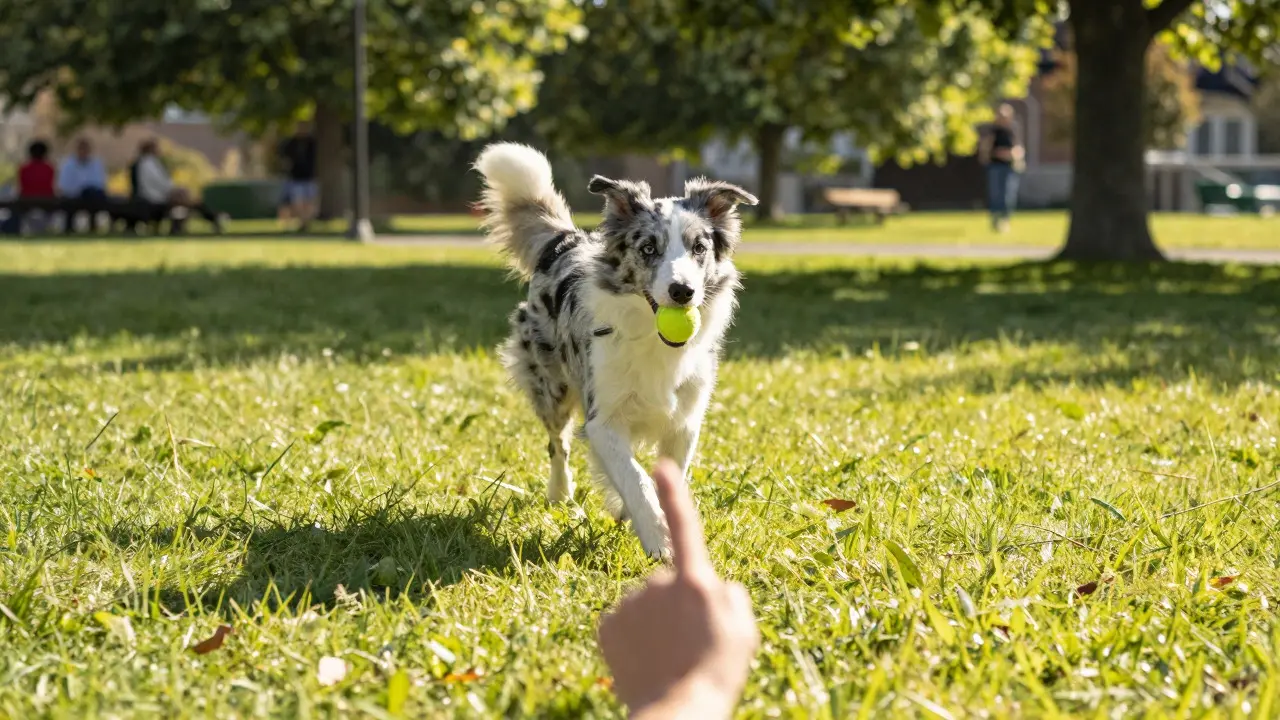
Once your dog reliably drops items in controlled settings, it's time to test the command in real life. Start with harmless objects. Throw a tennis ball, let them catch it, and ask for a drop. Then move to found objects. During walks, if they pick up a stick, use the command. Reward generously for compliance.
What if they find something truly dangerous? Like a sock or a piece of trash? In these cases, you might need to use a higher-value reward. Keep a pouch of freeze-dried liver or hot dogs in your pocket specifically for emergency drops. The extra effort is worth it to prevent a trip to the emergency vet.
Distance is another challenge. Can your dog drop an item from ten feet away? From fifty? Practice this by throwing a toy far away and calling them in. Ask for a drop before letting them chase it again. This builds impulse control alongside the release skill.
Maintaining the Skill Long-Term
Dogs forget skills if they aren't used regularly. You don't need to train every day, but you should practice the drop command once or twice a week. Incorporate it into playtime. Every time you throw a ball, ask for a drop before the next throw. This keeps the neural pathway strong without making it feel like work.
If your dog starts ignoring the command after a few months, go back to basics. Reduce distractions and increase rewards. Often, dogs stop responding because the environment has changed or they have found new, more exciting things to chew. Re-establishing the trade-off usually fixes the issue within a few sessions.
Remember, the goal isn't perfection. It's reliability. A dog who drops 90% of the time in high-distraction environments is safer than a dog who drops 100% of the time only in a quiet room. Focus on consistency in the wild, not just in the training box.
Frequently Asked Questions
How long does it take to teach the drop command?
For most puppies, it takes about one to two weeks of short daily sessions. For adult dogs with no prior training, expect three to four weeks. Dogs with resource guarding issues may take longer, sometimes several months, depending on the severity of the guarding behavior.
Should I use a clicker or just verbal markers?
Either works, but a clicker provides a precise timing tool that helps your dog understand exactly when they did the right thing. If you prefer verbal markers, use a consistent word like "yes" or "good" that you only use for marking correct behaviors. Consistency is more important than the tool itself.
My dog drops the toy but runs away with it. What do I do?
This usually happens because the dog thinks the game is over when they drop the item. Make sure to return the toy immediately after rewarding them. Let them pick it up and play again. This reinforces that dropping is part of the fun, not the end of it.
Can I teach drop using a leash?
Yes, leashes are helpful for beginners because they prevent the dog from running off with the item. However, avoid pulling the leash to force a drop. Use the leash to maintain proximity while you work on the trading technique. Once the behavior is reliable, phase out the leash to ensure the skill works off-leash.
Is the drop command different for small vs. large dogs?
The mechanics are the same, but the stakes are higher for large dogs. A Great Dane dropping a bone is less dangerous than a Chihuahua dropping a pin, but the physical strength required to manage a large dog's excitement is greater. Focus on calmness and clear hand signals for larger breeds to avoid accidental knocks or tangles.