Quick Guide: Play vs. Fight
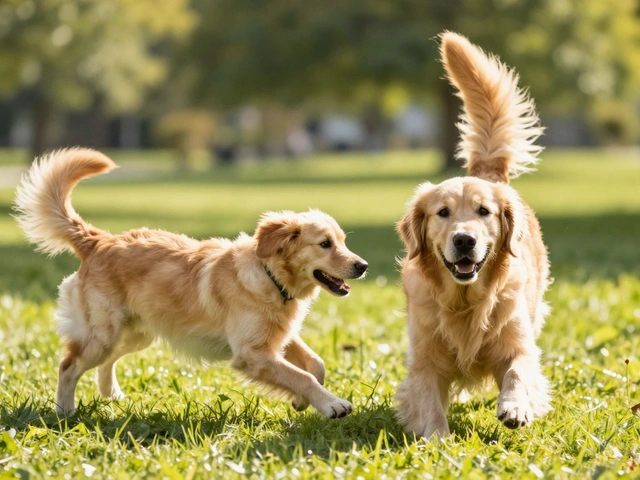
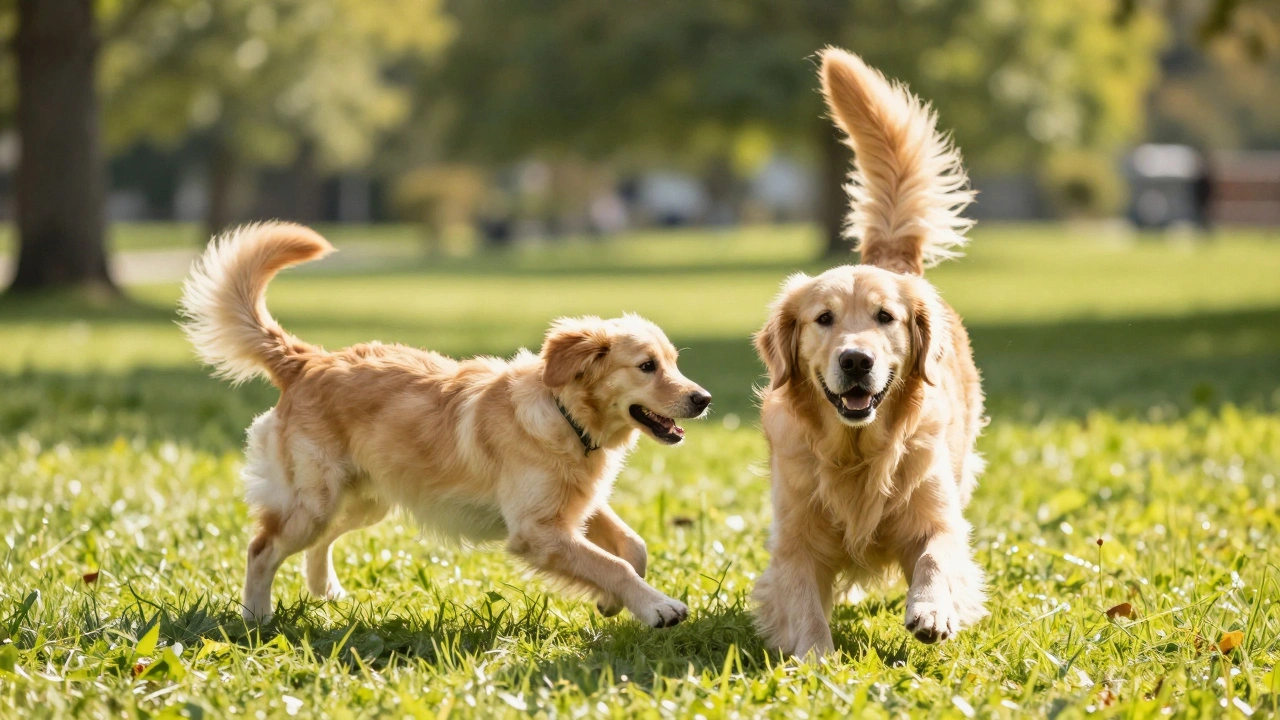
- Play: Bouncy movements, "play bows," relaxed mouths, and frequent breaks.
- Real Aggression: Stiff body, staring, deep lunges, and a lack of "pause" buttons.
- The Golden Rule: If both dogs are consenting and taking turns, it's likely play.
Decoding the Canine Play Bow and Loose Body Language
If you see a dog drop their front end to the floor while keeping their rear end in the air, you've just seen the universal "I'm just kidding" signal. This is called a Play Bow. It's a clear invitation that tells the other dog, "Everything I do from here on out is a game." In a playful scenario, the body remains "wiggly." Think of it as a noodle versus a board. A dog in play mode has a fluid spine, a wagging tail (not always, but usually), and a soft expression in the eyes. When you see that rhythmic, bouncy movement-almost like they're dancing-you're looking at a dog who is enjoying the social stimulation. They might snap at the air or nip the other dog's neck, but they aren't trying to puncture skin or dominate the other animal through fear. Contrast this with a dog preparing for a real conflict. A dog exhibiting Aggressive Behavior becomes rigid. Their muscles tense up, and they may stand perfectly still for a few seconds-a terrifying silence before a storm. This stiffness is a sign of high arousal and a lack of flexibility, both mentally and physically.The Role of the "Pause" and Consent in Play
One of the most overlooked signs of healthy play is the "pause." In a friendly wrestling match, dogs will naturally take short breaks. One dog might step back, shake their body like they're wet, or simply stop for a second to breathe. This is a social check-in. It gives the other dog a chance to opt-out or reset the energy level. If you notice one dog is constantly trying to move away and the other keeps pushing them back into the fray, the balance has shifted. This is no longer a consensual game; it's becoming a harassment situation. When a dog is genuinely stressed, they'll use Calming Signals, such as licking their lips, turning their head away, or blinking slowly. If the "aggressor" ignores these signs, the situation can quickly escalate from play to a real fight.| Attribute | Play Aggression | Real Aggression |
|---|---|---|
| Body Tension | Loose, bouncy, wiggly | Stiff, frozen, rigid |
| Mouth/Teeth | Open mouth, "soft" bites | Curled lips, hard snaps, gripping |
| Eye Contact | Soft, blinking, shifting | Hard stare, dilated pupils |
| Pacing | Intermittent breaks (pauses) | Relentless, focused pressure |
| Vocalizations | High-pitched yaps, playful growls | Low-frequency snarls, guttural roars |
Understanding the "Play Growl"
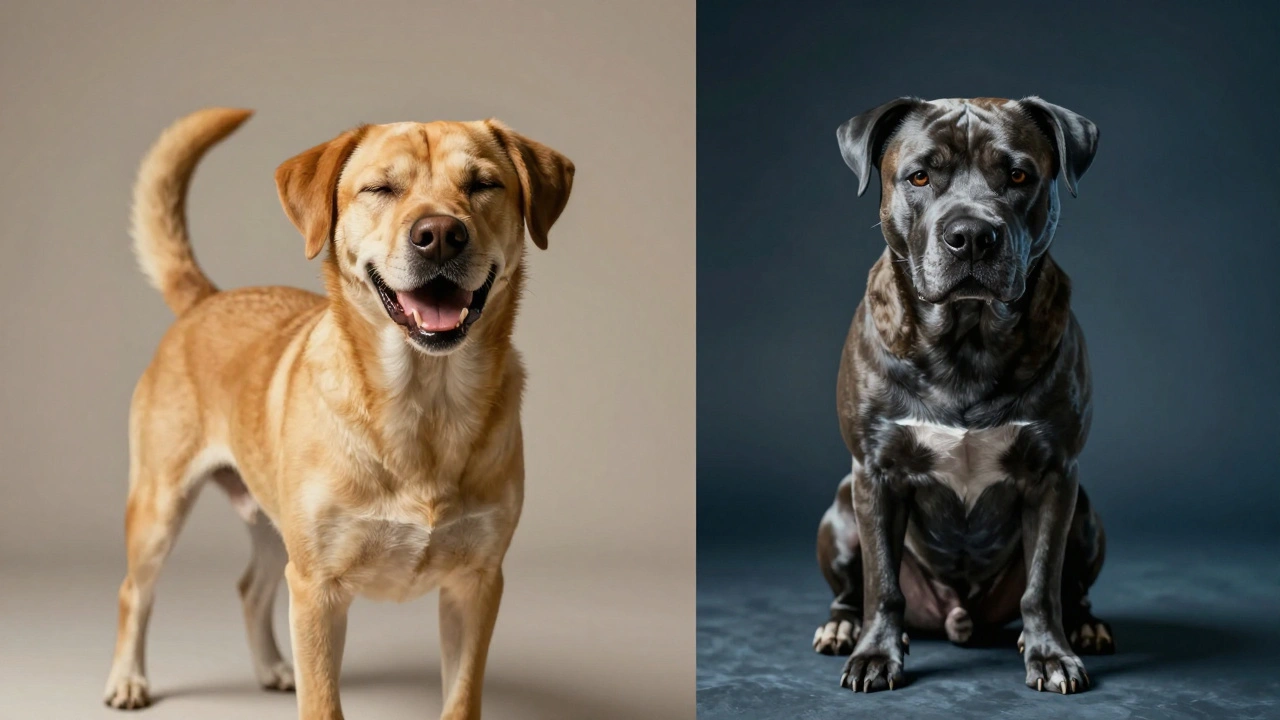
Many owners panic when they hear a growl during a play session. However, not all growls are warnings. There is a distinct difference between a Play Growl and a threat growl. Play growls often sound more "staccato" or high-pitched. They are usually paired with the loose body language mentioned earlier. If a dog is growling while shaking a toy or wrestling, but their tail is wagging and their eyes aren't fixed in a hard stare, they are likely just adding "sound effects" to their game. It's similar to how humans might shout or laugh loudly during a competitive sport. On the other hand, a threat growl is low, rumbling, and steady. It's often accompanied by a lowered head and a focused gaze. This growl isn't a game; it's a boundary. It says, "You are too close, and if you don't move, I will react." Recognizing the difference prevents you from accidentally punishing a dog for a healthy play behavior or, conversely, ignoring a warning sign that leads to a bite.When Play Turns Sour: The Escalation Process
Even the friendliest games can spiral. This usually happens due to over-arousal. When a dog's brain is flooded with adrenaline, they may lose the ability to read social cues. This is often where Arousal-Induced Aggression kicks in. The dog isn't necessarily trying to be "mean," but they've lost control of their inhibitions. Signs that a game is getting too intense include:- The "Laser Focus": The dog stops looking around and becomes hyper-fixated on the other dog's neck or ear.
- Lack of Breaks: The pauses disappear, and the interaction becomes a non-stop barrage of movement.
- Harder Bites: You start seeing actual skin punctures or the other dog begins to yelp in pain rather than excitement.
- Ignoring Signals: One dog is clearly trying to get away (using an "S-curve" movement to avoid conflict), but the other won't stop.
Managing High-Arousal Play Safely
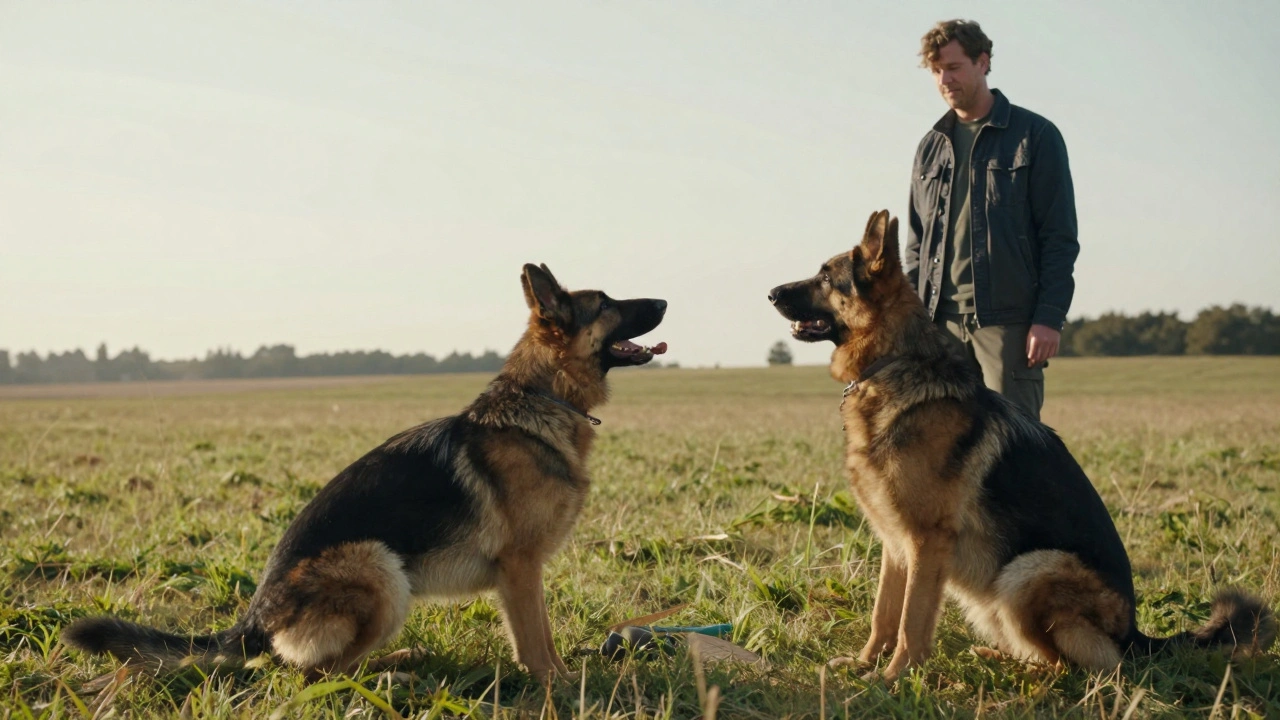
If your dog is a "rough and tumble" player, you don't need to stop them from playing, but you do need to manage the energy. High-energy play is great for burning calories, but it can fry a dog's nervous system if it goes on too long. One effective method is the "interruption technique." Every few minutes, call your dog away for a brief treat or a quick "sit." This forces them to switch from their emotional brain (the amygdala) back to their thinking brain (the prefrontal cortex). It resets their arousal levels and prevents them from hitting that tipping point where play becomes real aggression. Additionally, consider the environment. Narrow hallways or tight corners can make a dog feel trapped, which increases the likelihood of a real fight. Give them plenty of space. In an open field, a dog who is feeling overwhelmed can simply walk away. In a small room, they may feel their only option is to fight their way out.
Knowing When to Call a Professional
While most play aggression is normal, some dogs have a very narrow window between "fun" and "fight." If your dog regularly causes injuries to other dogs, or if they cannot be redirected once they get excited, it's time to bring in an expert. Look for a Certified Applied Animal Behaviorist (CAAB) or a trainer certified through the IAABC (International Association of Animal Behavior Consultants). These professionals can determine if the behavior is rooted in a lack of socialization, a medical issue (like joint pain making them irritable), or a deeper genetic predisposition toward aggression. A professional can help you create a management plan that keeps your dog social without risking safety.Does a wagging tail always mean a dog is playing?
No. A wagging tail simply indicates emotional arousal, not necessarily happiness. A stiff, fast-wagging tail (like a vibrating antenna) can actually be a sign of high tension or impending aggression. Always look at the rest of the body-if the tail is wagging but the body is stiff and the eyes are hard, be very cautious.
What should I do if two dogs start fighting during play?
Never put your hands in the middle of a dog fight; you will likely get bitten. The safest way to interrupt is by using a loud noise (like a whistle or a shout) or by placing a physical barrier between them, such as a piece of cardboard or a baby gate. If you must intervene physically, use a leash to loop around the aggressor's neck to pull them away from the other dog.
Is it okay for puppies to bite each other during play?
Yes, this is how puppies learn "bite inhibition." By nipping their siblings, they learn that biting too hard causes the other puppy to yelp and stop playing. This teaches them to control the pressure of their jaws. As long as the play is balanced and no one is terrified, this is a crucial developmental stage.
Can a dog be "too aggressive" for other dogs?
Some dogs have a "play style" that is too intense for others. While not necessarily malicious, a dog that doesn't respect boundaries or ignores calming signals can be dangerous to more timid dogs. These dogs often need specialized training to learn how to modulate their energy and recognize the "stop" signals of their peers.
How can I tell if my dog is stressed during a playdate?
Look for subtle signs: flicking the back of the ears, excessive panting when it's not hot, licking the lips, or "whale eye" (where you can see the whites of the dog's eyes). If your dog is avoiding eye contact or trying to put distance between themselves and the other dog, they are likely stressed and need a break.