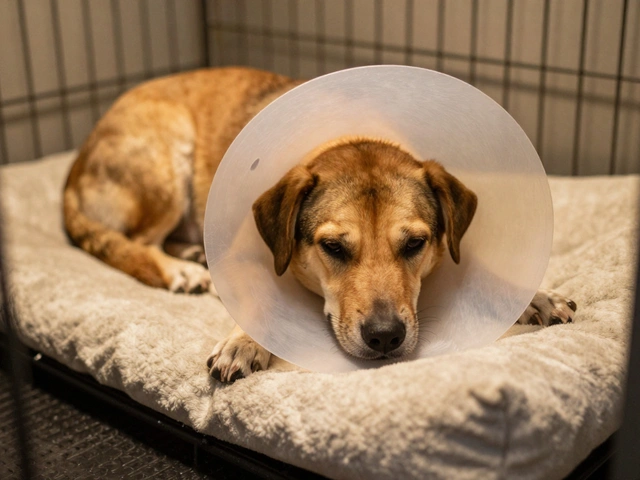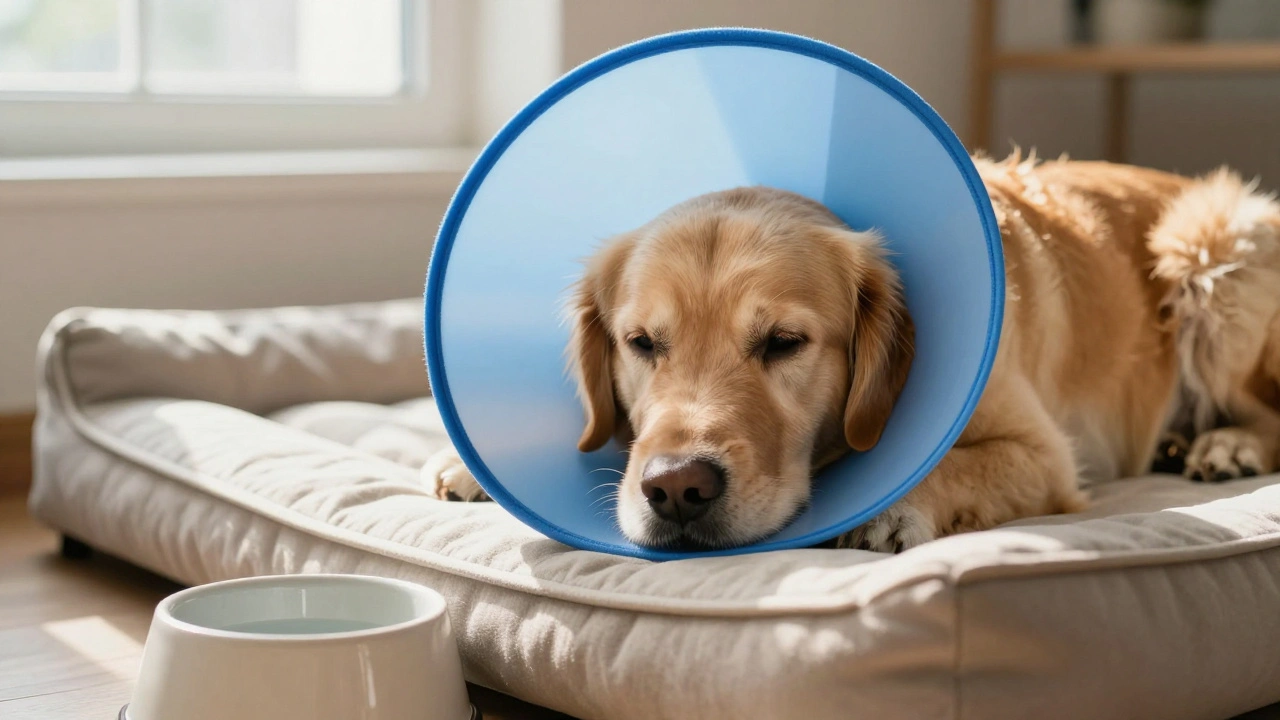
Your dog just came home from the vet. The cone is on, the belly looks a bit swollen, and you’re ready to reward them with their favorite kibble. But then they turn their nose up at the bowl. Or worse, they eat it and throw it up an hour later. It’s stressful, but it’s also incredibly common. Understanding feeding dogs after spay or neuter isn’t just about preventing hunger; it’s about managing pain, nausea, and the slow return of digestive function.
Anesthesia affects the entire body, not just the surgical site. Your dog’s gut motility slows down, their sense of smell blunts, and nausea can linger for 24 to 48 hours. If you force-feed a large meal too soon, you risk vomiting, which puts pressure on the incision and delays healing. The goal isn’t to get them back to normal eating immediately-it’s to support their system gently until it wakes up.
The First 12 Hours: Less Is More
When your dog first arrives home, resist the urge to fill their bowl. Anesthesia suppresses the gag reflex and slows gastric emptying. Introducing solid food too quickly often leads to regurgitation or vomiting. For the first 6 to 12 hours after surgery, offer only small amounts of water. Let them lick it rather than gulp it. If they keep that down for an hour, you can try offering ice chips or a teaspoon of low-sodium chicken broth.
If your dog shows no interest in water, don’t panic. Dehydration is a risk, but forcing fluids can cause aspiration if their throat muscles are still numb. Check their gums-they should be pink and moist, not sticky or pale. If gums are dry, gently wet them with a damp cloth. Contact your vet if they refuse all fluids for more than 12 hours or if you notice lethargy beyond expected grogginess.
During this window, monitor their behavior closely. Are they trying to stand? Are they aware of their surroundings? These signs indicate the anesthesia is wearing off. Once they seem alert and coordinated, you can begin introducing soft foods.
Managing Post-Surgical Nausea
Nausea is one of the most common complaints owners face during the first two days. It’s caused by a combination of factors: residual anesthetic drugs, pain medications like opioids, and the stress of surgery itself. If your dog licks their lips excessively, drools, or whines without eating, they’re likely feeling nauseous.
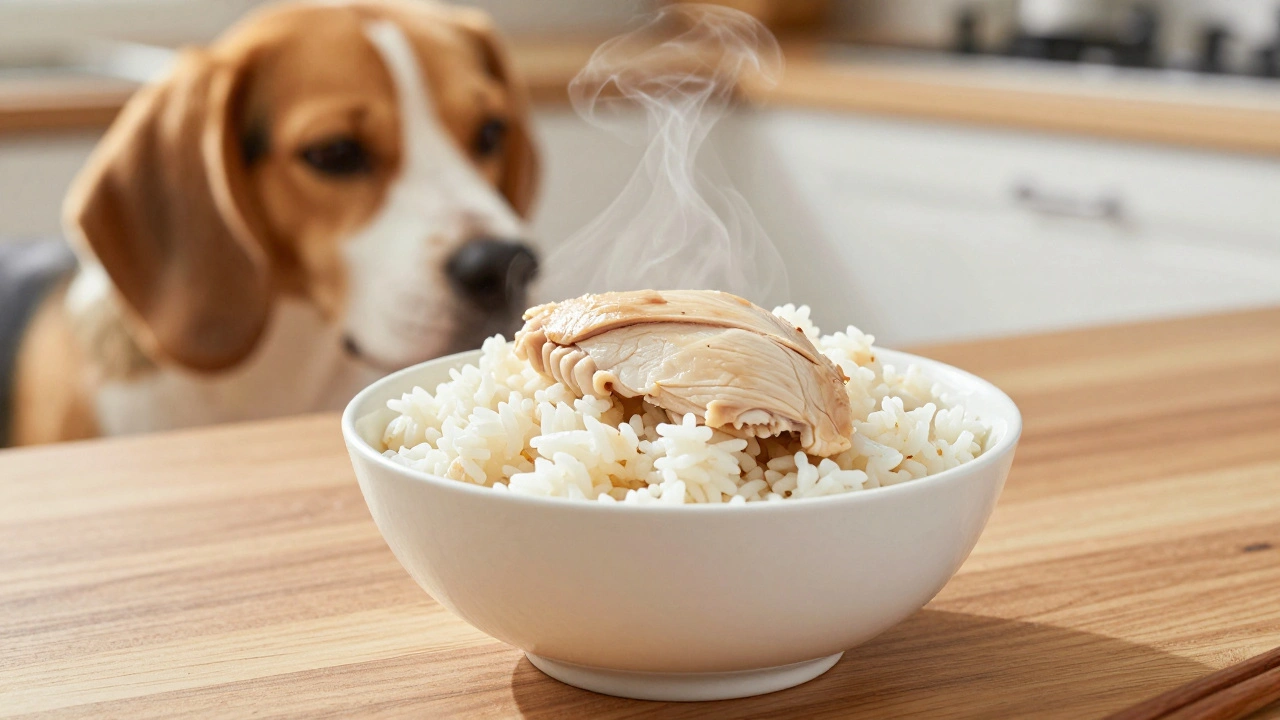
To combat this, switch to bland, easily digestible foods. Avoid their regular kibble for the first 24 hours. Instead, prepare a simple mixture of boiled white chicken breast (no skin, no bones) and plain white rice. The ratio should be 50% rice to 50% chicken. Cook the rice until it’s very soft-almost mushy-to reduce the effort required for digestion. Serve it lukewarm, as warm food releases aromas that might entice a hesitant eater.
Offer tiny portions. Start with just one tablespoon every two hours. If they keep it down for four hours, gradually increase the amount. If they vomit, stop feeding entirely for six hours, then restart with even smaller amounts. Consistency matters more than volume right now.
Sometimes, natural remedies can help settle the stomach. A small amount of plain pumpkin puree (not pie filling) adds fiber that helps firm up stools and soothe the gut lining. Ginger tea, cooled to room temperature and given in teaspoon amounts, has anti-nausea properties. Always check with your vet before adding supplements, especially if your dog is on prescription anti-emetics.
The Role of Pain Medication in Appetite Loss
Painkillers prescribed after spay or neuter surgery, particularly opioids like Tramadol or Fentanyl patches, can significantly suppress appetite and cause nausea. This is a side effect, not necessarily a sign of complications. If your dog is on strong pain medication, expect reduced interest in food for the first 48 hours.
Do not withhold prescribed pain medication because your dog isn’t eating. Unmanaged pain increases stress hormones, which further suppresses digestion and slows healing. Instead, work around the medication schedule. Offer food one to two hours after giving pain meds, when the peak nausea effect may have subsided slightly.
If your dog refuses food for more than 24 hours while on pain medication, call your vet. They may adjust the dosage or switch to a different class of pain reliever, such as NSAIDs (like Carprofen), which are less likely to cause gastrointestinal upset. Never give human painkillers like Ibuprofen or Acetaminophen-they are toxic to dogs.
Transitioning Back to Regular Food
By day three, most dogs start showing renewed interest in food. Their energy returns, the anesthesia wears off completely, and their gut begins functioning normally. This is the time to transition back to their regular diet, but do it slowly. Sudden changes can trigger diarrhea, which strains the incision site.
Mix 25% regular kibble with 75% bland chicken and rice. Increase the kibble proportion by 25% each day over the next three days. Soak dry kibble in warm water or low-sodium broth to soften it initially. This makes it easier to chew and digest while still reintroducing familiar flavors.
Watch for signs of intolerance during this transition. Soft stools, gas, or mild bloating indicate you moved too fast. Go back to the previous ratio for another day before progressing. Most dogs fully return to their normal diet within five to seven days post-surgery.
Hydration Strategies for Recovery
Water is critical for healing, but many dogs avoid drinking due to discomfort or lack of thirst sensation post-anesthesia. Make water irresistible. Add a splash of low-sodium chicken broth to their bowl. Use a shallow dish so they don’t have to lower their head deeply, which might hurt their neck or incision area.
Frozen treats can also help. Freeze bone broth or low-sodium chicken stock into ice cubes. Let your dog lick them slowly. This provides hydration, electrolytes, and mental stimulation without requiring active drinking. Monitor urine output-they should urinate at least once every 24 hours. Dark, concentrated urine signals dehydration.
If your dog continues to refuse water after 48 hours, use a syringe to administer small amounts of water or unflavored Pedialyte directly into the side of their mouth. Do not squirt it straight back; aim for the cheek pouch to prevent choking. This is a temporary measure-contact your vet if oral hydration fails.
Red Flags: When to Call the Vet
Not all appetite loss is normal. Watch for these warning signs that require immediate veterinary attention:
- Vomiting more than twice in 24 hours
- Bloody or black, tarry stools
- Severe lethargy or inability to stand
- Swelling, redness, or discharge from the incision site
- Refusal to drink water for over 24 hours
- Shivering or cold extremities
These symptoms could indicate infection, internal bleeding, or adverse drug reactions. Early intervention prevents minor issues from becoming emergencies. Trust your instincts-if something feels wrong, it probably is.
Long-Term Nutrition After Sterilization
Once your dog recovers, consider adjusting their long-term diet. Spayed and neutered dogs have lower metabolic rates and higher risks of obesity. Overfeeding during recovery can set bad habits. Measure meals precisely and avoid free-feeding. Switch to a weight-management formula if your dog tends to gain weight easily.
Increase fiber intake to promote satiety without extra calories. Add vegetables like green beans or carrots to their meals. Ensure adequate protein to maintain muscle mass, especially if activity levels drop temporarily. Regular weigh-ins every month will help you track progress and adjust portions accordingly.
Exercise plays a crucial role in post-surgery nutrition management. While vigorous activity is restricted for 10-14 days, gentle leash walks encourage digestion and prevent constipation. Gradually increase exercise intensity as your vet approves. Active dogs burn calories more efficiently and maintain healthier appetites.
How long does it take for a dog's appetite to return after spay or neuter?
Most dogs show improved appetite within 24 to 48 hours after surgery. Full return to normal eating patterns typically occurs by day three to five. Puppies and senior dogs may take slightly longer due to slower metabolism or higher sensitivity to anesthesia.
Can I give my dog treats after spay or neuter?
Avoid hard or crunchy treats for the first week. Opt for soft, easy-to-digest options like frozen yogurt bites (xylitol-free), small pieces of boiled chicken, or specially formulated recovery treats. Hard treats can cause nausea or require chewing that stresses the jaw and neck.
What if my dog eats grass after surgery?
Eating grass may indicate nausea or gastrointestinal discomfort. Prevent access to lawns during recovery. If ingestion occurs, monitor for vomiting or diarrhea. Persistent grass-eating suggests ongoing GI irritation-consult your vet for possible anti-nausea medication adjustment.
Is it safe to feed wet food instead of dry kibble post-surgery?
Yes, wet food is often better tolerated initially. It requires less chewing, contains more moisture, and is easier to digest. Choose high-quality, grain-free wet foods without artificial additives. Transition back to dry kibble gradually over several days.
Why does my dog seem hungry but vomits after eating?
This usually indicates gastroparesis-delayed stomach emptying caused by anesthesia or pain meds. The stomach isn’t ready to process large meals. Reduce portion sizes, increase feeding frequency, and ensure food is bland and easily digestible. Consult your vet if vomiting persists beyond 24 hours.