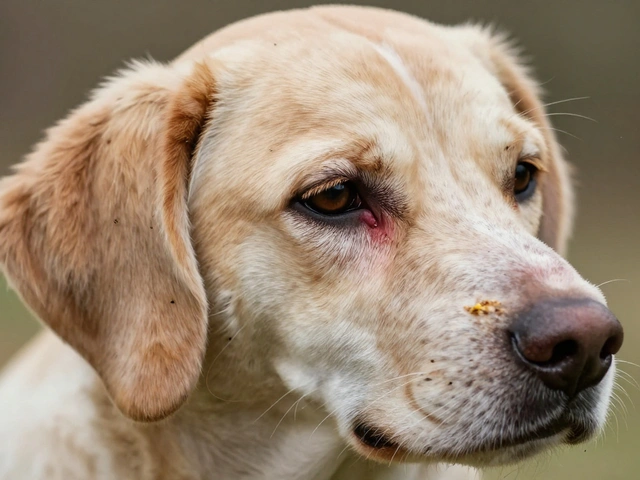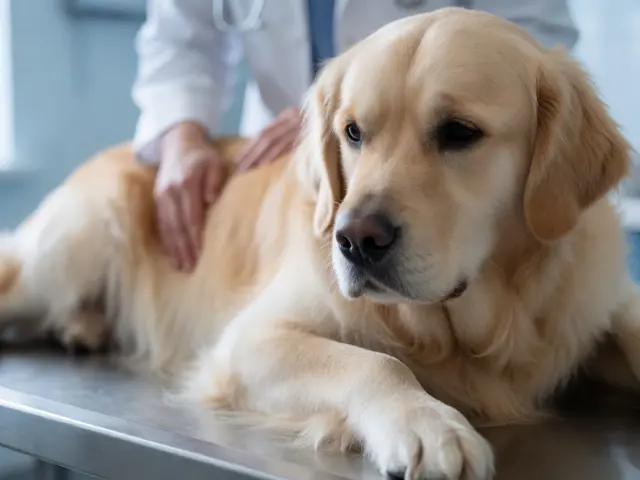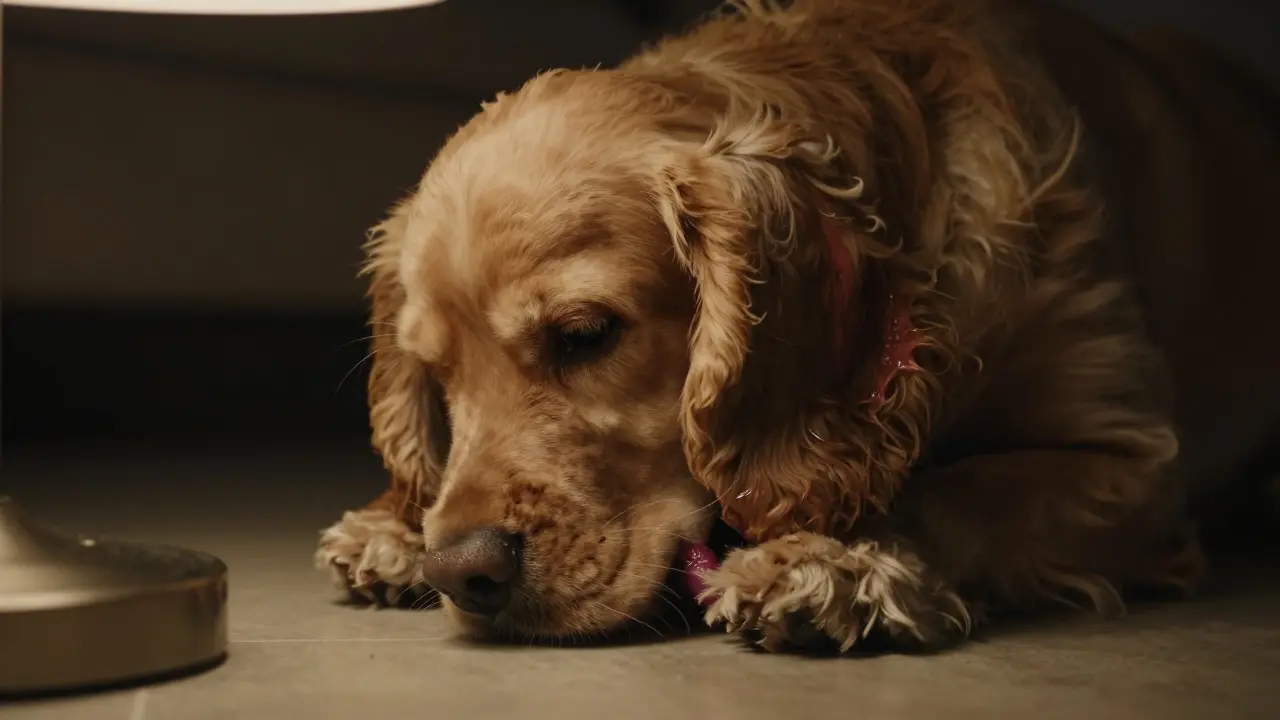
It’s 2 AM. Your dog is scratching at their left ear with such intensity that you can hear the nails clicking against the ceramic floor. You shone a light in there last week, and it looked red, maybe a little moist. By this morning, the smell is unmistakable-a yeasty, damp odor that lingers even after brushing their teeth. If this sounds familiar, you aren't dealing with a random bug bite or a simple wax buildup. You are likely looking at the classic triad of canine otitis externa, inflammation of the outer ear canal often triggered by underlying systemic issues like allergies, and ear infection. For many dogs, especially those with sensitive skin, the ear is just the visible tip of an iceberg rooted in atopic dermatitis or food sensitivities.
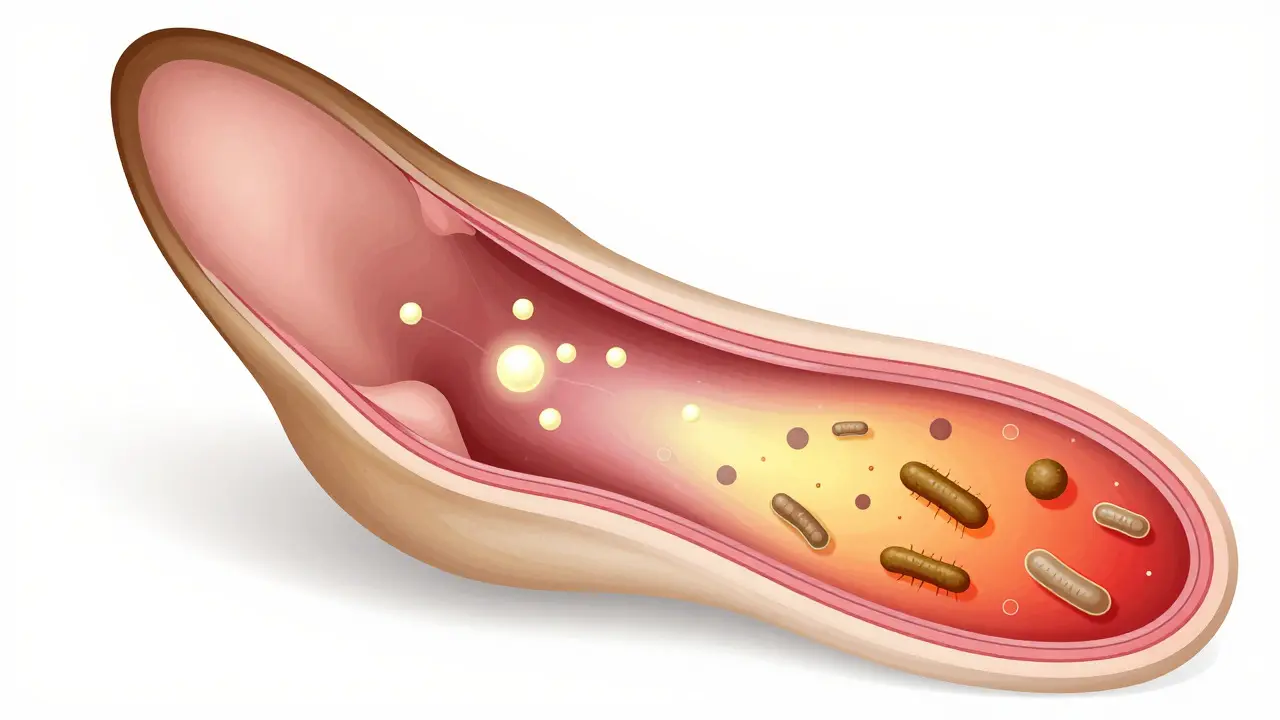
The connection between your dog's ears and their immune system is tighter than most owners realize. When a dog has an allergy, their body releases histamines to fight off perceived threats. These chemicals cause itching and inflammation not just on the skin, but deep within the narrow, L-shaped structure of the dog's ear canal. Once the lining gets inflamed, it swells. That swelling traps moisture and debris, creating a perfect breeding ground for bacteria and yeast. This is why treating the infection without addressing the allergy usually leads to a cycle of recurring problems.
Understanding the Link Between Allergies and Ears
To stop the cycle, you need to understand what is actually happening inside that ear. A healthy dog ear is self-cleaning. The cartilage moves as the head turns, pushing wax outward. But when histamine release occurs due to an allergic reaction, the delicate skin of the pinna (the visible part) and the auditory canal becomes hyper-reactive.
There are three main culprits behind these allergic reactions:
- Environmental Allergens: Pollen from trees, grasses, and weeds, as well as dust mites and mold spores. These are common triggers for seasonal flare-ups.
- Food Intolerances: Ingredients like beef, chicken, dairy, or grains can trigger internal immune responses that manifest externally in the ears.
- Contact Irritants: Shampoos, flea treatments, or even the fabric of a collar rubbing against the neck and base of the ear.
When these allergens enter the body, the resulting inflammation changes the pH balance of the ear canal. Normal ear wax is slightly acidic, which inhibits bacterial growth. Inflammation raises the pH, allowing opportunistic organisms like Malassezia pachydermatis (yeast) and Pseudomonas aeruginosa (bacteria) to thrive. This shift is the critical moment where an allergy becomes an infection.
Identifying the Signs Before It Gets Serious
Catching the issue early saves money and pain. Most owners wait until the ear smells bad or bleeds, but by then, the infection is often moderate to severe. Watch for these subtle indicators that suggest the allergy-infection pipeline is active:
- Frequent Head Tilting: Your dog tilts their head toward the affected side to relieve pressure or check for discomfort.
- Rubbing Against Surfaces: They rub their face against carpet, furniture, or your legs. This isn't always cute; it's a sign of intense pruritus (itching).
- Visible Discharge: Clear discharge might indicate early irritation. Brown, waxy discharge suggests yeast. Thick, greenish-yellow pus indicates bacterial involvement.
- Heat and Swelling: The ear flap feels warmer than the other side and may appear puffy or thickened.
If you see any combination of these signs, don't just clean the outside. The problem is likely deeper. Ignoring these signals can lead to otitis media, where the infection spreads to the middle ear, causing balance issues and more complex veterinary interventions.
Prevention Strategies for Sensitive Dogs
Prevention is far easier than treatment. If your dog is prone to allergies, you need a proactive routine rather than a reactive one. Here is how to keep those ears clear before the itch starts.
1. Manage the Environment If pollen is the trigger, wipe down your dog’s face and ears with a damp cloth after walks during high-pollen seasons. Use HEPA filters in your home to reduce indoor allergens like dust mites. Regularly wash bedding in hot water to kill mites.
2. Dietary Investigation Work with your veterinarian to identify food triggers. An elimination diet trial-feeding a novel protein source like venison or duck for 8-12 weeks-is the gold standard for diagnosing food allergies. Once identified, strictly avoid those ingredients in treats and chews, not just kibble.
3. Routine Ear Maintenance For predisposed breeds (like Cocker Spaniels, Basset Hounds, or Golden Retrievers), weekly cleaning is non-negotiable. Use a veterinarian-approved ear cleaner that breaks down wax without drying out the skin. Avoid cotton balls, which push debris deeper; use gauze pads instead.
| Method | Best For | Frequency | Risk if Misused |
|---|---|---|---|
| Vet-Approved Cleaner | Maintenance & Mild Wax | Weekly | Drying out skin if too frequent |
| Topical Antifungals | Yeast Overgrowth | As prescribed | Resistance if used without diagnosis |
| Oral Antibiotics | Bacterial Infection | Course completion | Side effects if stopped early |
| Allergy Medication | Underlying Cause Control | Continuous/Seasonal | Masking symptoms without cure |
Effective Care Protocols During Flare-Ups
When the infection hits, speed matters. The longer the inflammation lasts, the thicker the ear canal walls become, making future cleanings harder and more painful. Here is a step-by-step care protocol to follow under veterinary guidance.
Step 1: Professional Diagnosis Never assume it's just "wax." A vet will perform cytology (looking at cells under a microscope) to determine if the culprit is bacteria, yeast, or both. This dictates the medication. Treating a bacterial infection with antifungal drops wastes time and allows the bacteria to multiply.
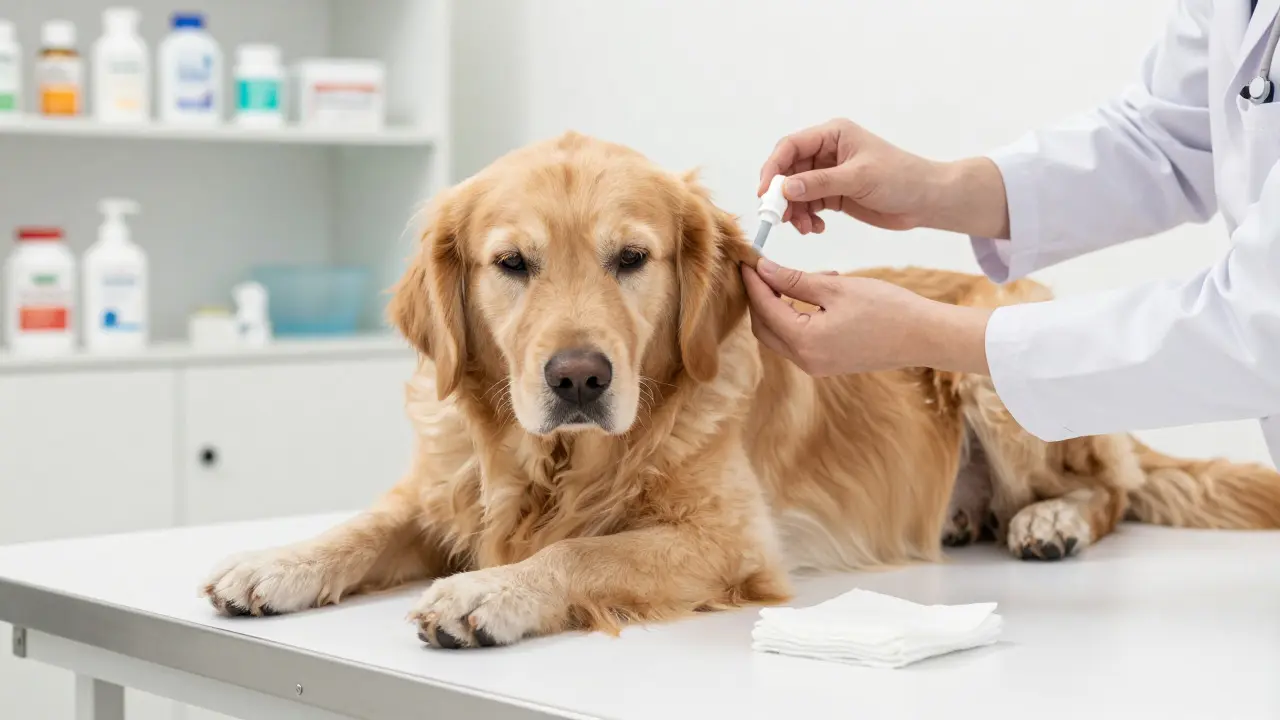
Step 2: Proper Cleaning Technique Before applying medicated drops, the ear must be clean. Hold the ear flap up to straighten the canal. Apply the cleaner until the canal is full. Gently massage the base of the ear for 30 seconds. Let your dog shake their head naturally to expel the debris. Wipe away excess with a gauze pad. Do not probe deep with Q-tips.
Step 3: Medicated Treatment Apply the prescribed drops. Keep the ear upright for a minute to ensure the liquid reaches the bottom of the canal. Some vets prescribe oral antibiotics alongside topical treatments for stubborn cases.
Step 4: Address the Root Cause Simultaneously start managing the allergy. This might mean switching to hypoallergenic shampoo, starting immunotherapy shots, or introducing antihistamines. Without this step, the infection will return within weeks of stopping the drops.
Long-Term Management and Lifestyle Adjustments
Living with a dog who has chronic allergies requires shifting your mindset from "curing" to "managing." Think of it like asthma in humans. You don't cure asthma, but you control it so it doesn't disrupt life. Similarly, you aim to keep your dog's ears in a state of low-level maintenance rather than acute crisis.
Consider adding omega-3 fatty acids to your dog's diet. Studies show that EPA and DHA supplements can help modulate the inflammatory response, reducing the severity of allergic reactions over time. Look for fish oil supplements specifically formulated for pets, ensuring they are fresh and free from contaminants.
Also, monitor your dog's hydration. Dehydrated skin is more prone to cracking and irritation. Ensure fresh water is always available, and consider using a humidifier in dry winter months if you live in a climate with low humidity. Dry air exacerbates skin barrier issues, making the ears more susceptible to secondary infections.
When to See a Vet Immediately
While home care is effective for mild cases, certain signs warrant immediate professional attention. Don't wait if you notice:
- Sudden loss of balance or circling (signs of inner ear involvement).
- Facial drooping or asymmetry (potential nerve damage).
- Extreme pain when touching the ear.
- Bleeding from the ear canal.
Can I use hydrogen peroxide to clean my dog's ear?
Generally, no. Hydrogen peroxide is harsh and can irritate already inflamed tissues. It also disrupts the natural pH balance of the ear, potentially worsening the environment for beneficial bacteria. Stick to veterinarians-recommended cleaners designed for canine ears.
How long does it take for ear drops to work?
You should see improvement in itching and discharge within 3 to 5 days. However, the full course of treatment usually lasts 14 to 21 days. Stopping early because symptoms improve is a common mistake that leads to relapse.
Are all ear infections caused by allergies?
No, but allergies are the most common underlying cause. Other factors include foreign bodies (like foxtail grass seeds), polyps, tumors, or genetic conformation (floppy ears trapping moisture). A vet can rule out these other causes through examination.
What is the best shampoo for allergic dogs?
Look for shampoos labeled "hypoallergenic" or "medicated" containing ingredients like chlorhexidine, miconazole, or oatmeal. Avoid shampoos with heavy fragrances or dyes. Frequency depends on severity, but once or twice a week is typical for maintenance.
Does swimming make ear infections worse?
Yes, for dogs prone to allergies. Water trapped in the ear canal creates a warm, moist environment ideal for bacterial and yeast growth. After swimming, dry the ears thoroughly with a towel and consider using a drying drop solution recommended by your vet.