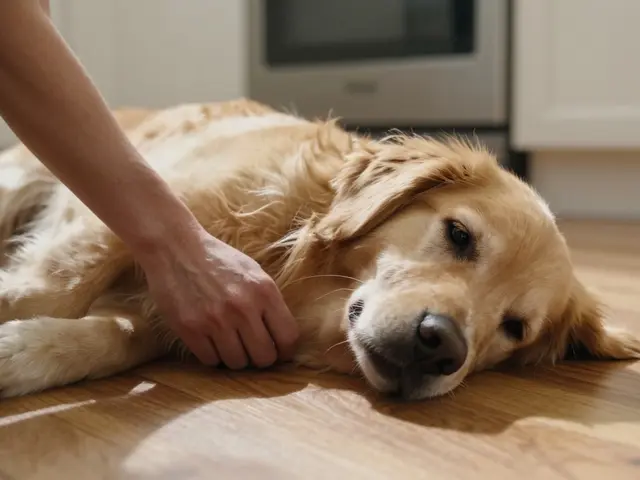
It’s a beautiful spring day in Portland, Oregon, and you’re walking your dog through the park. Suddenly, your pup starts scratching at their ear or sneezing like crazy. You might not think much of it until you see a tiny, bristly seed stuck near their eye or paw. That’s a foxtail, a type of barbed grass seed that can cause serious internal injuries if left untreated. These seeds are deceptively small but dangerously effective at working their way deeper into tissue. Understanding how to handle them quickly is the difference between a minor annoyance and an emergency vet visit.
What Are Foxtails and Why Do They Hurt?
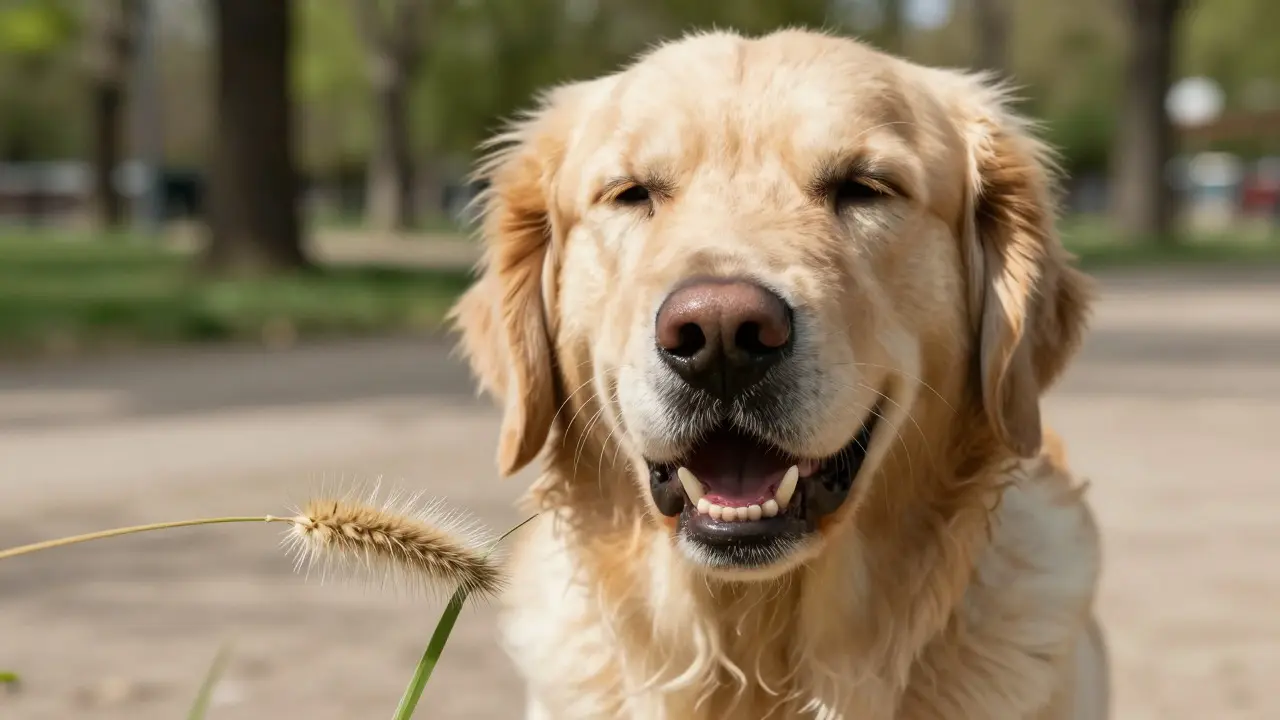
Foxtails (also known as cheatgrass or wild oats) are seeds from specific grasses that have microscopic backward-pointing barbs on their surface. Unlike regular grass blades, these seeds don’t just sit there; they migrate. The barbs act like fishhooks, allowing the seed to travel only in one direction-deeper into the skin, fur, or even organs. This makes grass awns particularly tricky because they can lodge in hard-to-reach places like the eyes, ears, nose, paws, or genitals.
The danger lies in the migration path. If a foxtail enters the mouth, it can pierce the tongue or throat. If it gets into an ear canal, it can damage the eardrum. In severe cases, if swallowed, it can perforate the stomach or intestines, leading to peritonitis, a life-threatening infection. This is why dog first aid for foxtails requires immediate attention rather than waiting to see if it “works itself out.”
How to Safely Remove Foxtails from Your Dog
Before you grab tweezers, wash your hands thoroughly. You want to avoid pushing the seed further in. Here is the step-by-step process for safe removal:
- Locate the seed: Part the fur carefully with your fingers. Use a flashlight if necessary. Look for redness, swelling, or discharge which indicates where the seed has entered.
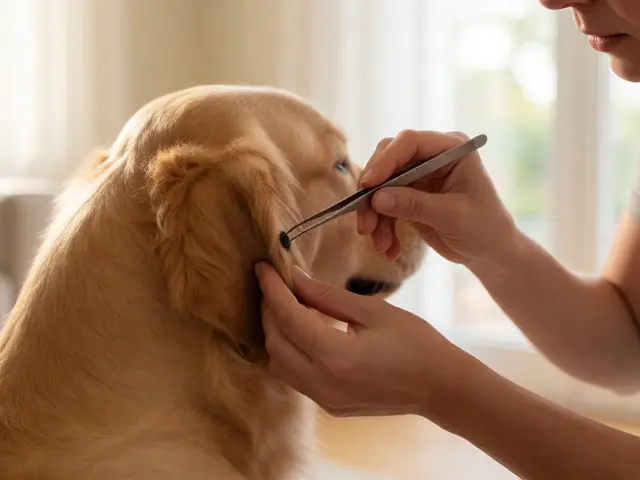
Gather tools: You will need fine-tipped tweezers (like eyelash tweezers), a magnifying glass (optional but helpful), and sterile gauze. Avoid using your fingers to pull, as this can break the seed off.- Stabilize the area: Hold the skin taut around the entry point. If it’s in the ear, hold the ear flap up straight to open the canal slightly.
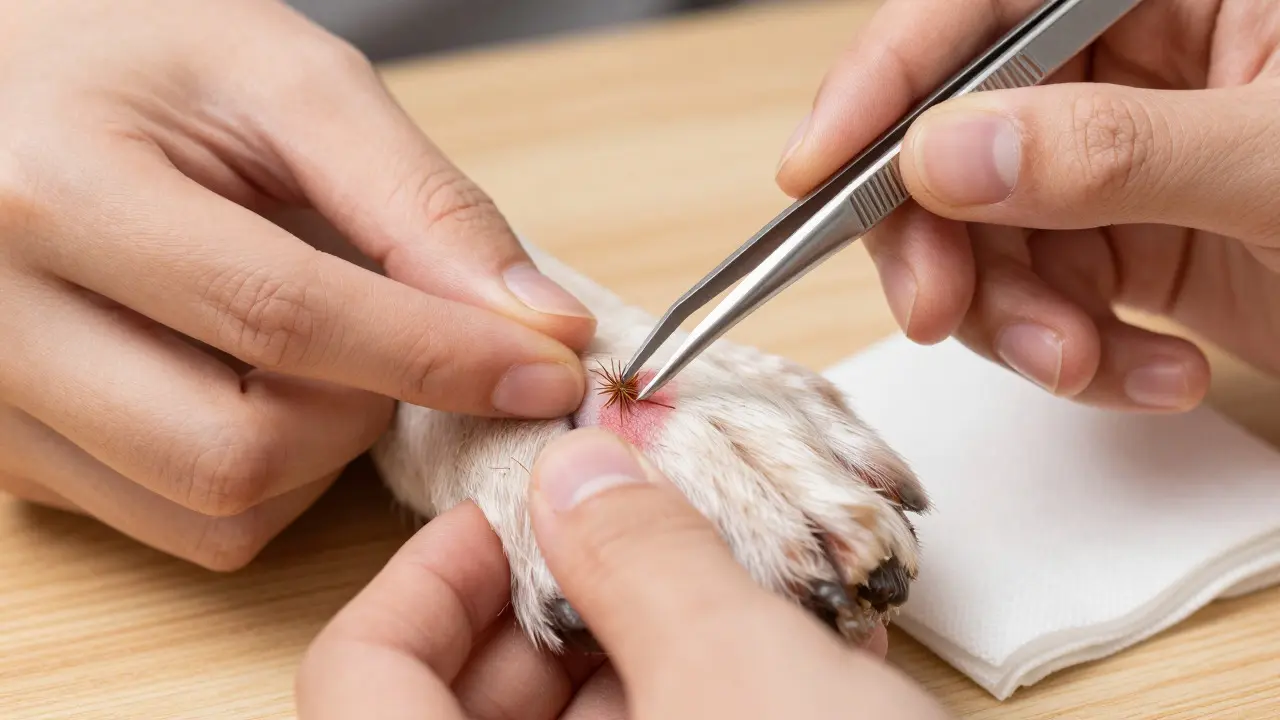
- Grasp the base: Using the tweezers, grasp the foxtail as close to the skin surface as possible. Do not squeeze the seed itself, or the barbs may collapse and make removal harder.
- Pull steadily: Pull outward in the same direction the seed entered. A quick, steady motion works best. If it resists, stop. Forcing it can tear the tissue or snap the seed, leaving fragments behind.
If the seed is deep, under the skin, or in the eye, do not attempt removal at home. Eyes require veterinary care to prevent corneal scratches. Deep subcutaneous seeds may need a minor procedure to extract safely.
Common Entry Points and Specific Risks
Different body parts present different challenges. Knowing where to look helps you act faster.
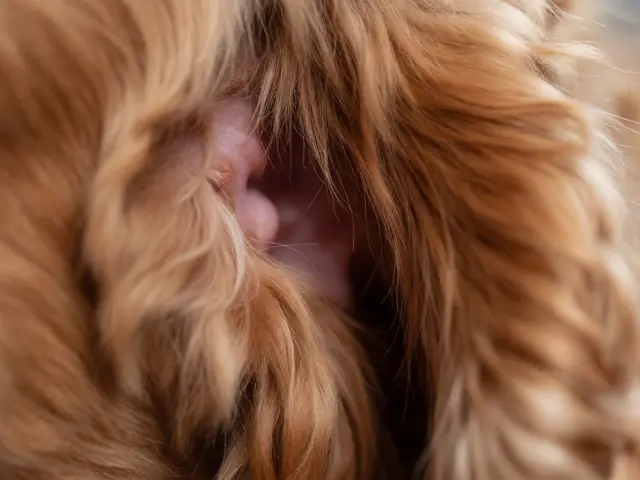
- Ears: This is the most common spot. Signs include head shaking, scratching, and a foul smell. The seed can travel down the canal, causing pain and potential hearing loss if ignored.
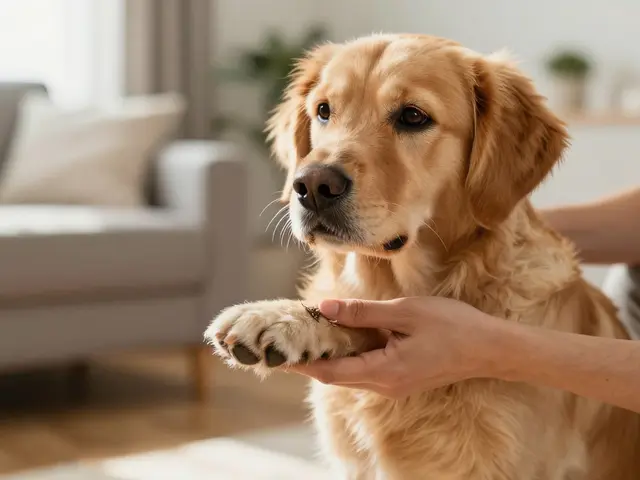
- Paws: Check between the toes. Swelling, limping, or licking the foot are warning signs. The pad of the foot is thick, so seeds here can be harder to spot.
- Eyes: Squinting, tearing, or rubbing the face. Never rub the eye; cover it with a clean cloth and go to the vet immediately.
- Nose: Frequent sneezing or nasal discharge. Seeds here can move toward the lungs, which is dangerous.
- Genitals: Often overlooked. Itching or licking in this area can indicate a lodged seed.
Prevention Strategies for High-Risk Seasons
In regions like the Pacific Northwest, foxtails are prevalent from late winter through summer. Preventing exposure is far easier than dealing with removal. Here are practical steps to keep those seeds away from your dog.
1. Mow Your Yard Regularly
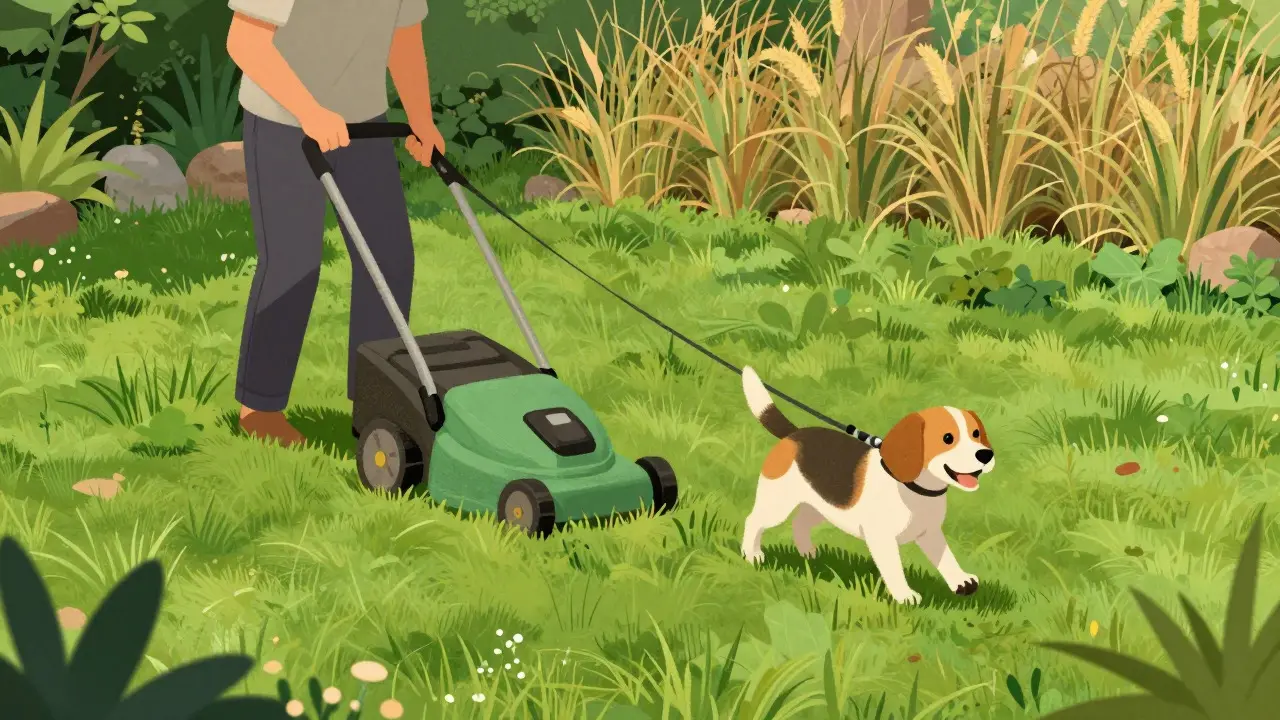
Foxtails release their seeds when the grass dries out. Mowing before the grass goes to seed significantly reduces the number of airborne seeds in your yard. Keep the lawn short during peak season (March to July).
2. Choose Dog-Friendly Grass
If you are replanting, consider grass varieties that do not produce barbed awns. Fescue or ryegrass are generally safer options compared to wild oats or cheatgrass. Consult a local landscaper in Portland for recommendations suited to our climate.
3. Brush After Walks
Make it a habit to brush your dog after every outdoor adventure. Focus on areas where fur is dense, like the belly, armpits, and behind the ears. A slicker brush can help dislodge seeds before they penetrate the skin.
4. Avoid Tall Grass Areas
When hiking or walking in parks, try to stay on trails. Tall, dry grass is the primary habitat for mature foxtails. If your dog loves to roll in the grass, supervise closely during foxtail season.
When to See a Veterinarian
While many foxtails can be removed at home, some situations demand professional help. Call your vet if:
- The seed is in the eye, ear canal, or nose.
- You cannot find the seed despite obvious signs of irritation.
- Your dog shows signs of systemic illness, such as lethargy, vomiting, or loss of appetite.
- The removal site becomes infected (red, hot, oozing pus).
Veterinarians have specialized tools and experience to remove deeply embedded seeds without causing unnecessary trauma. They can also prescribe antibiotics if an infection is suspected.
Comparison: Home Removal vs. Veterinary Care
| Factor | Home Removal | Veterinary Care |
|---|---|---|
| Cost | Low ($0-$10 for supplies) | High ($50-$200+ depending on complexity) |
| Speed | Immediate | Requires appointment/trip |
| Risk | Moderate (if untrained) | Low (professional expertise) |
| Best For | Surface-level seeds in paws/fur | Deep, internal, or sensitive area seeds |
| Tools Needed | Tweezers, gauze | Sedation, specialized instruments |
Signs of Complications to Watch For
Even after successful removal, monitor your dog for a few days. Complications can arise if fragments were left behind or if bacteria entered the wound. Watch for:
- Persistent swelling or heat at the site.
- Discharge that is yellow or green (signs of infection).
- Behavioral changes like hiding or irritability.
- Continued sneezing, scratching, or head shaking.
FAQ
Can foxtails kill a dog?
Yes, indirectly. While the seed itself is small, if it migrates into vital organs like the heart, lungs, or intestines, it can cause perforations, abscesses, or peritonitis. These conditions can be fatal if not treated promptly with surgery and antibiotics.
How long does it take for a foxtail to cause problems?
Symptoms can appear within minutes to hours if the seed is superficial. However, internal migration can take days or weeks to cause noticeable issues. This delay is why prevention and early detection are critical.
Are all grass seeds dangerous for dogs?
No. Only grasses with barbed awns are dangerous. Common culprits include cheatgrass, wild oats, and timothy grass. Smooth grasses like fescue or ryegrass are generally safe. Always check local plant guides to identify dangerous species in your area.
Should I use hydrogen peroxide to clean the wound after removal?
Hydrogen peroxide can be harsh on healing tissue and may slow recovery. Instead, use warm water and mild saline solution to clean the area. Apply a thin layer of antibiotic ointment if recommended by your vet.
Do cats get foxtails too?
Yes, cats are equally susceptible. Because cats groom themselves meticulously, they often ingest foxtails while cleaning their fur. This increases the risk of internal complications. Watch for similar signs in cats, especially after outdoor time.