Your dog suddenly stops running and starts favoring one leg. You feel that mix of panic and confusion: is this serious, or will it heal on its own? Knowing the difference between minor tweaks and major injuries can save your pet pain and money. This guide helps you assess the situation calmly so you know exactly when to treat it at home and when to call the vet.
Quick Summary / Key Takeaways
- Check for obvious trauma: If there is open bleeding, a visible bone break, or complete inability to bear weight, go to the vet immediately.
- Observe gait quality: A slight hesitation while walking is often manageable with rest; a high-stepping or dragging motion suggests nerve or severe joint damage.
- Monitor duration: If limping persists for more than 48 hours without improvement, professional diagnosis is required.
- Use RICE protocol: Rest, Ice, Compression, and Elevation are safe first-aid steps for soft tissue injuries.
- Watch for systemic signs: Limping combined with lethargy, loss of appetite, or swelling indicates internal issues requiring medical intervention.
Assessing the Severity: The Initial Check
Before doing anything else, take a moment to look at the affected limb. Canine Limb Trauma is injury to the bones, joints, muscles, or tendons of a dog's legs. It ranges from mild sprains to catastrophic fractures. Your first job is to categorize the injury based on what you see and how your dog moves.
Look for these specific red flags that demand immediate veterinary attention:
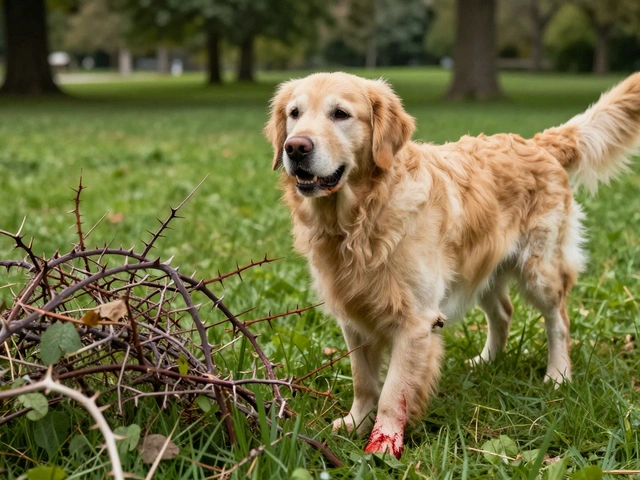
- Open wounds: Any cut deep enough to expose fat, muscle, or bone needs cleaning and possibly suturing to prevent infection.
- Deformity: If the leg looks bent at an odd angle or shorter than the other side, suspect a fracture.
- Crepitus: If you hear or feel grinding or cracking sounds when moving the leg gently, it could indicate broken bone fragments rubbing together.
- Non-weight bearing: If the dog refuses to put any pressure on the paw, the pain is likely too severe for home management.
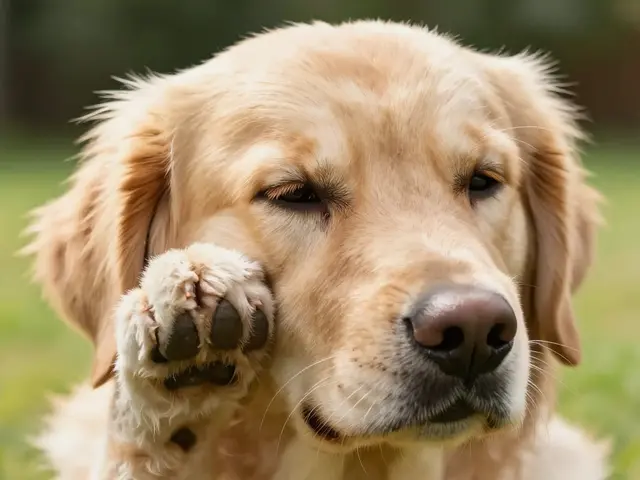
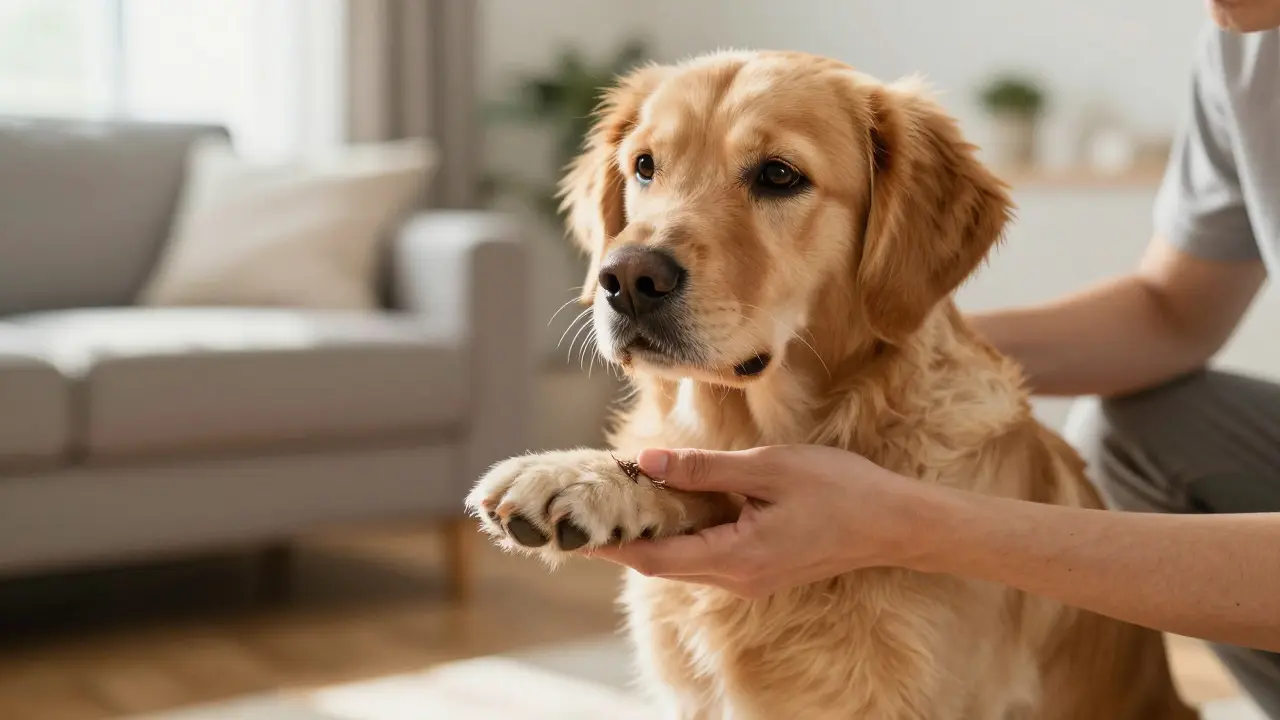
If none of these are present, check the paw pads. Sometimes a thorn, splinter, or small rock causes limping. Use clean tweezers to remove foreign objects if they are easily accessible. Avoid digging into the skin yourself, as this can introduce bacteria deeper into the tissue.
Home First Aid: Safe Steps for Minor Injuries
For minor sprains or strains where the dog is still walking but carefully, you can manage the initial phase at home. The goal is to reduce inflammation and prevent further damage. This approach works best for Soft Tissue Injury, which affects muscles, ligaments, and tendons without breaking bones.
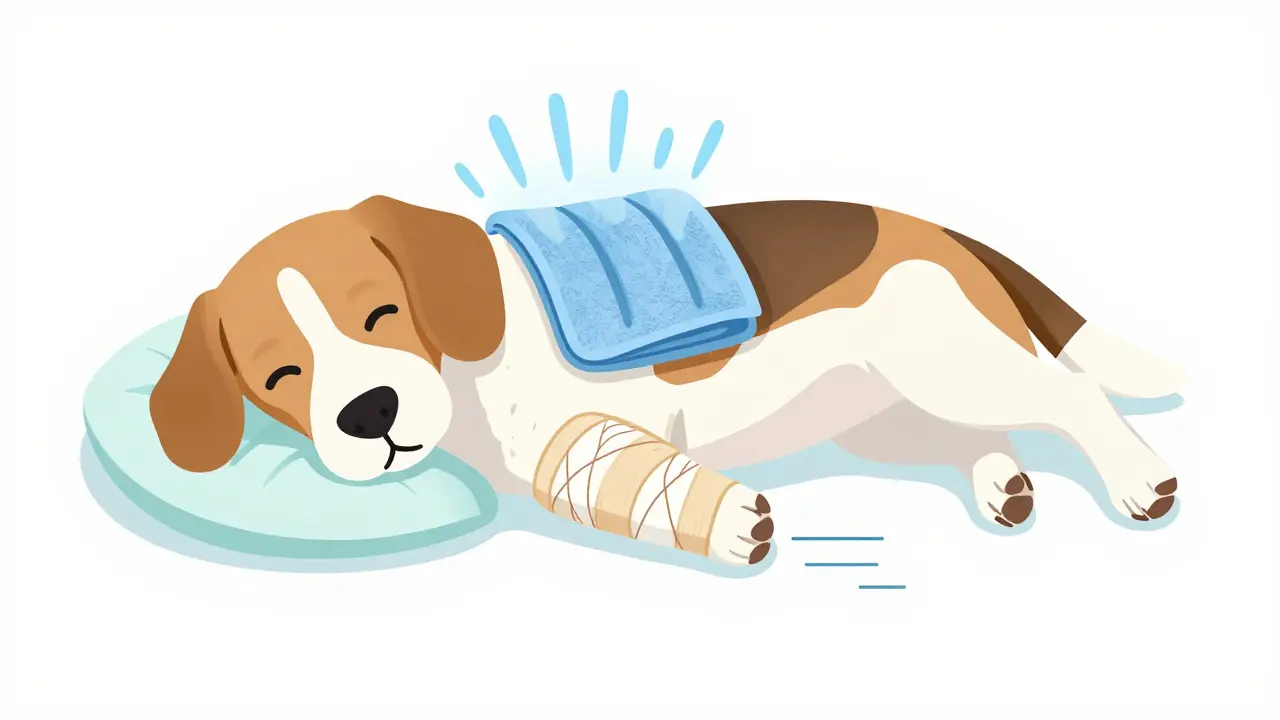
- Rest: Confine your dog to a crate or a small room. Limit stairs and jumping. Let them sleep as much as they want.
- Ice: Apply a cold pack wrapped in a thin towel to the swollen area for 10-15 minutes every few hours during the first 48 hours. Do not apply ice directly to the skin to avoid frostbite.
- Compression: If the swelling is moderate, a light elastic bandage can help. Ensure it is not too tight; you should be able to slide two fingers under the wrap. Remove it if the paw turns blue or cold.
- Elevation: Keep the injured leg elevated above heart level when possible to drain fluid away from the injury site.
Avoid giving human pain medication like ibuprofen or acetaminophen unless prescribed by a vet. These drugs can be toxic to dogs in standard human doses. Stick to strict rest and monitoring for the first two days.
When to See a Vet: The Decision Matrix
Even if the injury looks minor, certain patterns suggest underlying problems that need professional eyes. Use this decision framework to determine if you need to book an appointment today or wait until morning.
| Symptom Observation | Recommended Action | Reason |
|---|---|---|
| Limping resolves within 24 hours after rest | Continue monitoring | Likely a minor strain or bruise |
| Limping persists beyond 48 hours | Schedule vet visit | May indicate arthritis, ligament tear, or stress fracture |
| Swelling increases after 48 hours | Vet visit within 24 hours | Suggests ongoing inflammation or infection |
| Dog yelps when touching the leg | Urgent vet visit | Indicates significant pain requiring diagnostic imaging |
| Paw pad is hot to the touch | Vet visit same day | Sign of infection or abscess |
Older dogs often limp due to Canine Arthritis, which is degenerative joint disease causing chronic pain and stiffness. If your senior dog starts limping after sleeping, it might be early-stage arthritis flare-up. While not an emergency, it requires a vet to prescribe anti-inflammatories and discuss joint supplements.
Common Causes Beyond Obvious Trauma
Not all limps come from accidents. Some conditions develop slowly and only become noticeable when the dog compensates for pain. Understanding these helps you spot issues before they become critical.
- Nail Issues: A torn nail or ingrown nail can cause sudden limping. Check the nails regularly. If a nail is torn halfway, do not pull it off; trim the loose part and apply pressure to stop bleeding.
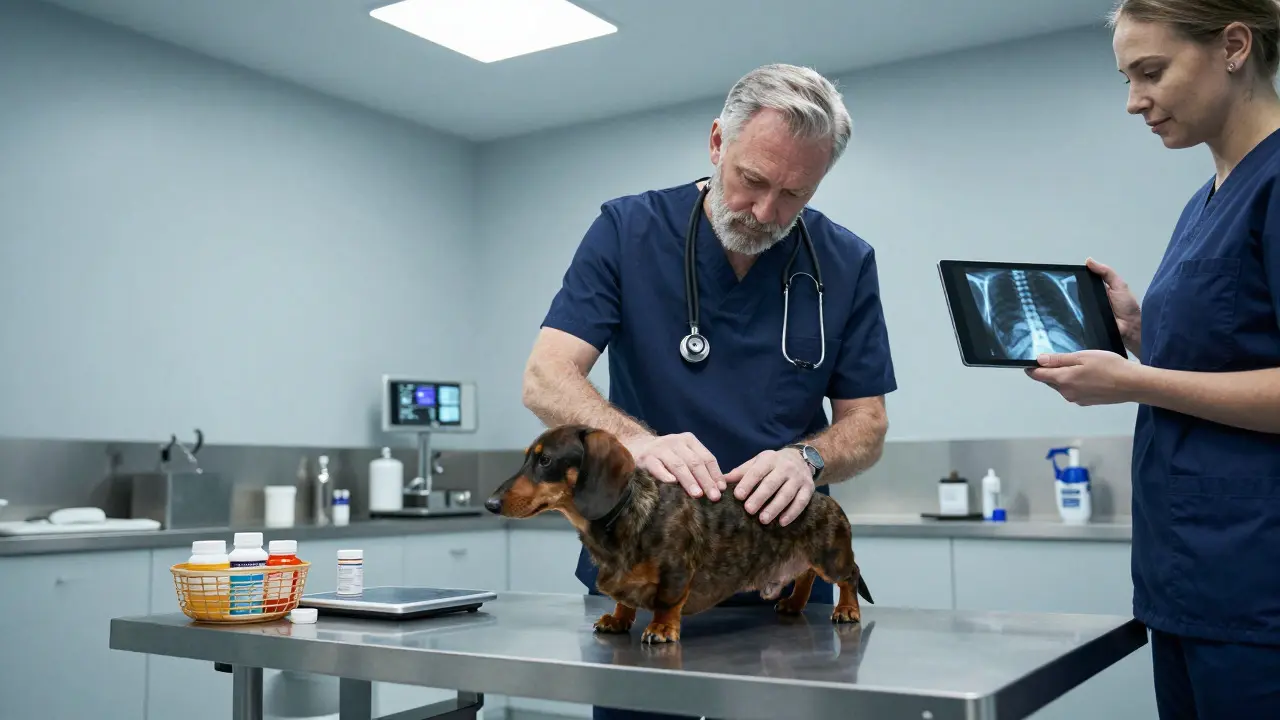
- Intervertebral Disc Disease (IVDD): Common in breeds like Dachshunds and Beagles. Symptoms include hunched back, reluctance to move, and hind leg weakness. This is a neurological emergency.
- Patellar Luxation: The kneecap slips out of place. You might see the dog "hop" on three legs briefly. Mild cases can be managed with weight control and exercise modification, but severe cases need surgery.
- Insect Bites/Stings: A bee sting on the paw can cause rapid swelling and limping. Remove the stinger if visible and apply cold compresses. Watch for allergic reactions like facial swelling or difficulty breathing.
Preventing Future Injuries
Once your dog recovers, focus on prevention. Many limping incidents are avoidable with simple habits.
- Maintain Healthy Weight: Extra pounds put double the stress on joints. A lean dog is less prone to ligament tears and arthritis.
- Regular Nail Trims: Overgrown nails change a dog's gait and can snap easily during play.
- Safe Play Surfaces: Avoid slippery hardwood floors for active dogs. Provide traction mats or carpeted areas.
- Warm-Up and Cool-Down: For working or sport dogs, always warm up muscles before intense activity to prevent strains.
Frequently Asked Questions
How long can I wait before taking my limping dog to the vet?
If the dog is still walking and there is no swelling or open wound, you can observe for 24 to 48 hours. If the limping does not improve or gets worse, schedule a vet visit. If the dog cannot bear weight or shows signs of shock, go immediately.
Can I give my dog baby aspirin for limping?
Baby aspirin can sometimes be used short-term for pain relief in dogs, but only if approved by your veterinarian. Dosing must be precise based on weight. Never use ibuprofen, naproxen, or acetaminophen, as these can be toxic to dogs.
Why is my dog limping but doesn't seem in pain?
Dogs often hide pain to appear strong. Subtle signs include slower movement, reluctance to jump, or changing posture. Even if they act normal, persistent limping indicates discomfort that needs investigation.
Should I use a cone if my dog is limping?
A cone is usually unnecessary for limping unless there is an open wound that the dog might lick. Licking introduces bacteria and slows healing. If the dog keeps licking the area, use a cone or a protective boot to keep it clean.
What tests will the vet run for a limping dog?
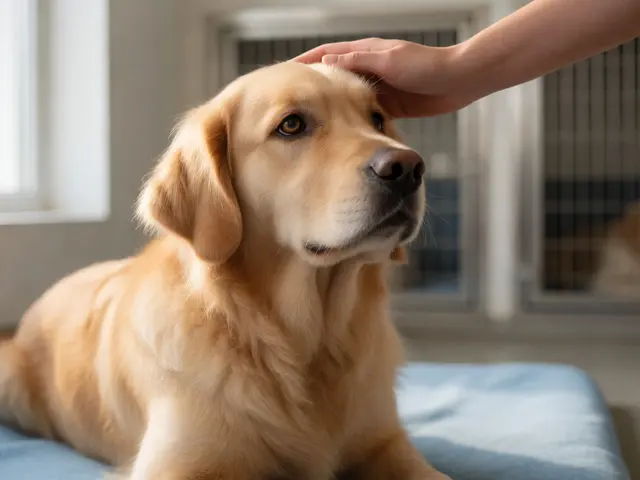
The vet will start with a physical exam, checking reflexes and range of motion. X-rays are common to check for fractures or arthritis. Blood tests may be ordered if infection or systemic illness is suspected. Ultrasound or MRI might be used for soft tissue or nerve issues.