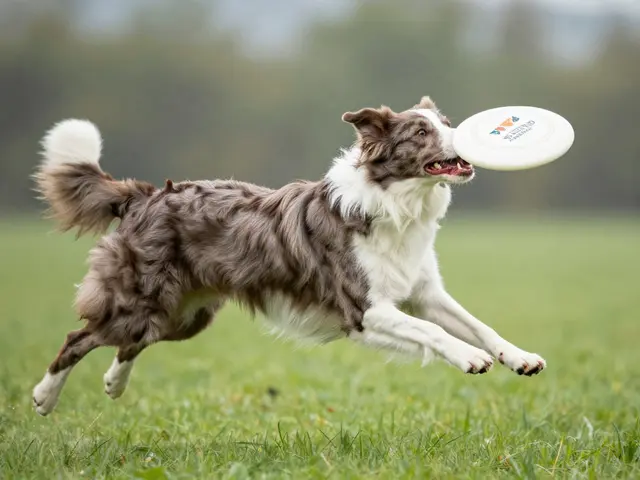
Most owners think throwing a plastic disc is just fun. But for a high-drive dog, it’s a precision sport. If your pup can catch a standard throw but freezes when you try to change the angle or speed, you’re hitting a ceiling. That’s where advanced retrieval comes in. It’s not about making your dog jump higher; it’s about teaching them to read your body language, adjust their running trajectory mid-air, and land with control.
This guide moves past the basics of "throw and fetch." We’re talking about the mechanics that separate a casual backyard tosser from a serious disc dog competitor. Whether you’re prepping for a local agility meet or just want to keep your energetic Border Collie mentally engaged during Portland’s rainy season, these drills will sharpen your dog’s focus and physical coordination.
Why Basic Fetch Fails at High Speeds
Standard fetch relies on a predictable path. You throw straight, the dog runs straight, and they grab it. Simple. But as soon as you introduce wind, uneven terrain, or a deceptive arc, that linear thinking breaks down. Dogs trained only on basic fetch often overshoot the disc because they commit to a single landing spot too early.
Advanced retrieval requires what trainers call "dynamic tracking." Your dog must continuously recalculate the disc’s position relative to their own speed. This isn’t instinct; it’s a learned skill. Without it, your dog will either miss the catch entirely or crash into the ground hard enough to injure themselves. The goal is fluidity: the dog should look like they are dancing around the disc, not chasing it blindly.
The Core Mechanics of Advanced Catches
To master advanced throws, you need to understand three specific mechanical components. These form the foundation of every complex drill we’ll cover below.
- The Approach Angle: Most dogs approach a disc from behind. In advanced play, you teach them to cut across the front. This allows for better visibility of the disc’s spin and landing zone. It also reduces the risk of collision if two dogs are playing together.
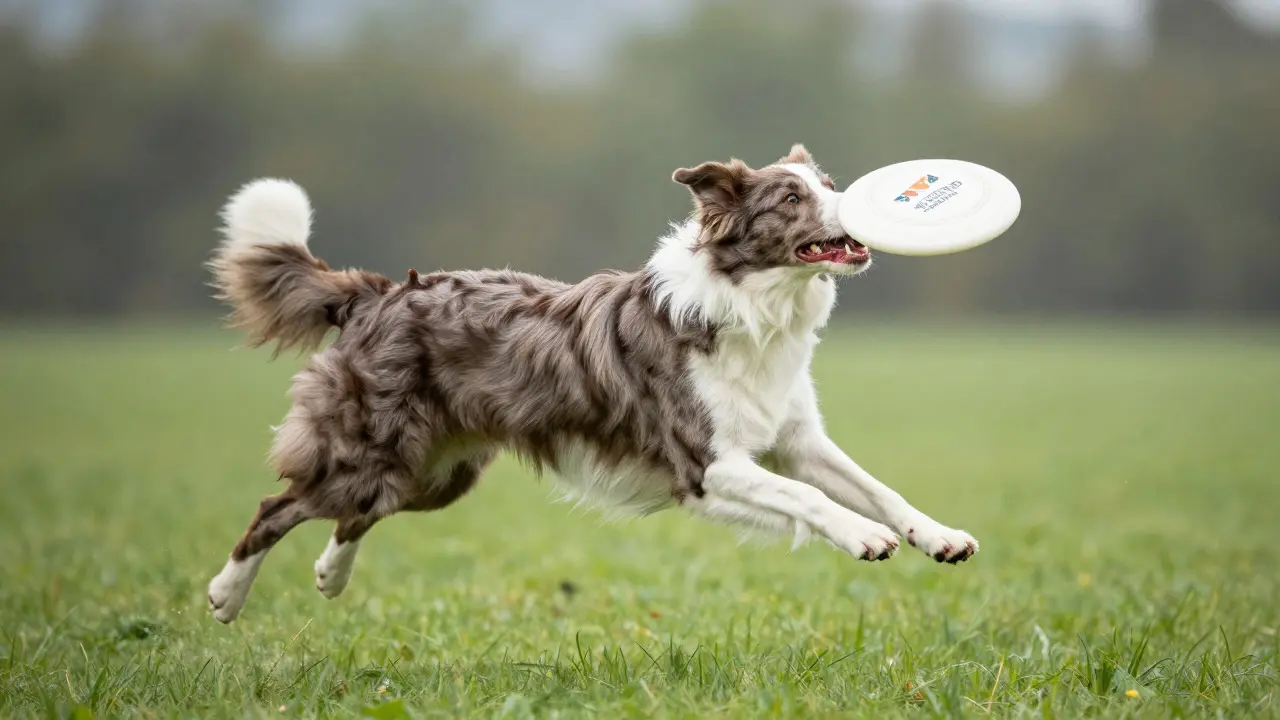
- Mid-Air Adjustment: A good catcher doesn’t just jump; they twist their torso to align their mouth with the disc’s plane. Watch professional disc dogs: their bodies rotate significantly after takeoff. This rotation lets them catch discs thrown with heavy top-spin or back-spin.
- The Soft Landing: Power without control is dangerous. After the catch, the dog must absorb the impact. Instead of slamming into the grass, they should roll their shoulders or bend their knees slightly. This protects joints and keeps them ready for the next throw immediately.
Drill 1: The Ghost Throw
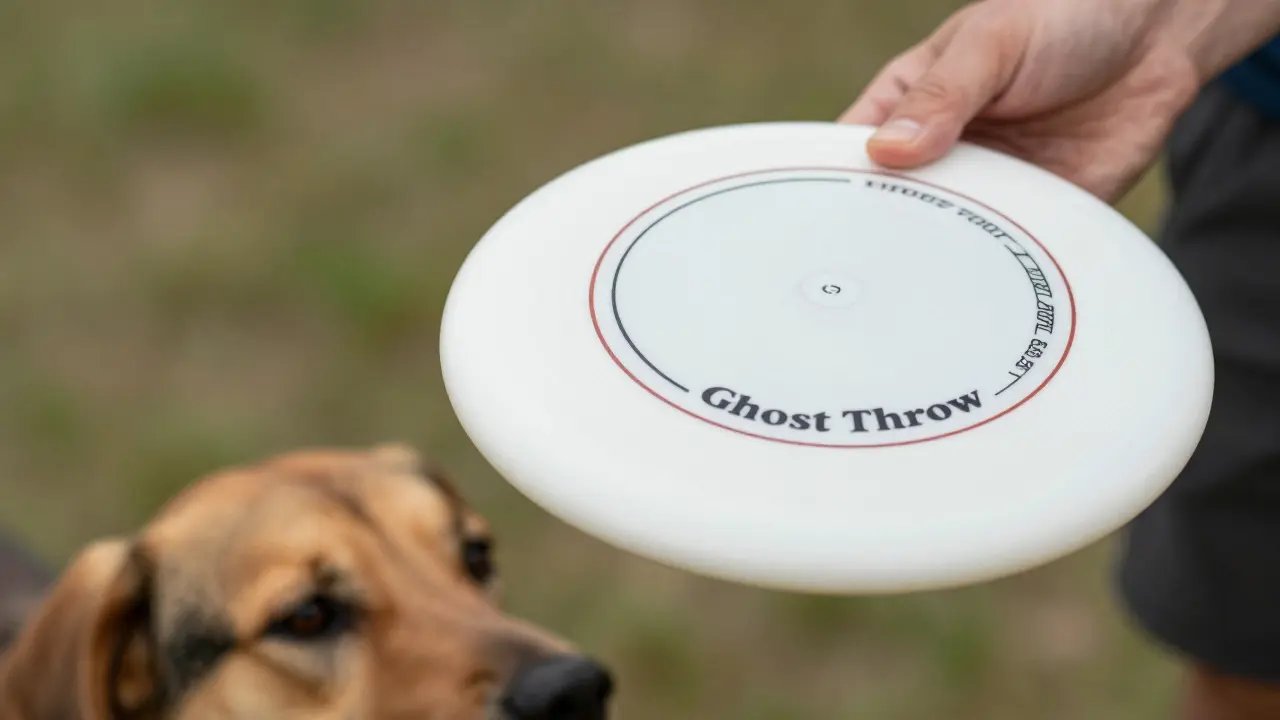
This is the most critical drill for building trust and anticipation. You hold the disc at eye level, then move it slowly in a circular motion without releasing it. Your dog should follow the disc with their eyes, keeping their head up. Once they are locked in, release the disc gently, letting it float rather than fly. Because the disc travels slow, your dog has time to adjust their run. This teaches them that the disc’s path isn’t always immediate. It builds patience and visual tracking skills that are essential for faster, more erratic throws later.
Drill 2: The Deceptive Arc
Once your dog masters the ghost throw, introduce speed. Stand sideways to your dog. Instead of throwing directly away from them, throw the disc so it curves left, then right. This mimics the unpredictable nature of real-world environments, like a windy park. Your dog cannot rely on a straight-line prediction. They must watch the disc until it slows down before committing to a jump. Start with small arcs and gradually widen the curve. If your dog misses, don’t punish them; just reset and try again with a smaller curve. Consistency here prevents frustration.
Drill 3: The Double Catch Sequence
This drill tests endurance and focus. Throw the first disc normally. As your dog returns with it, prepare a second throw. The moment they bring the first disc back to your hand, you immediately throw the second one in a different direction. This forces your dog to switch mental gears instantly. There is no pause to recover. Over time, this builds stamina and sharpens their reaction time. It also teaches them that the game never stops until you say so. Keep sessions short-five minutes max-to avoid burnout.
| Feature | Basic Fetch | Advanced Retrieval |
|---|---|---|
| Throw Trajectory | Straight line | Curved, arcing, or deceptive |
| Dog Focus | On owner's hand | On disc flight path |
| Landing Style | Often stiff-legged | Controlled, joint-absorbing |
| Mental Demand | Low (instinctive) | High (analytical) |
| Injury Risk | Low if ground is soft | Medium if technique is poor |
Equipment Matters: Choosing the Right Disc
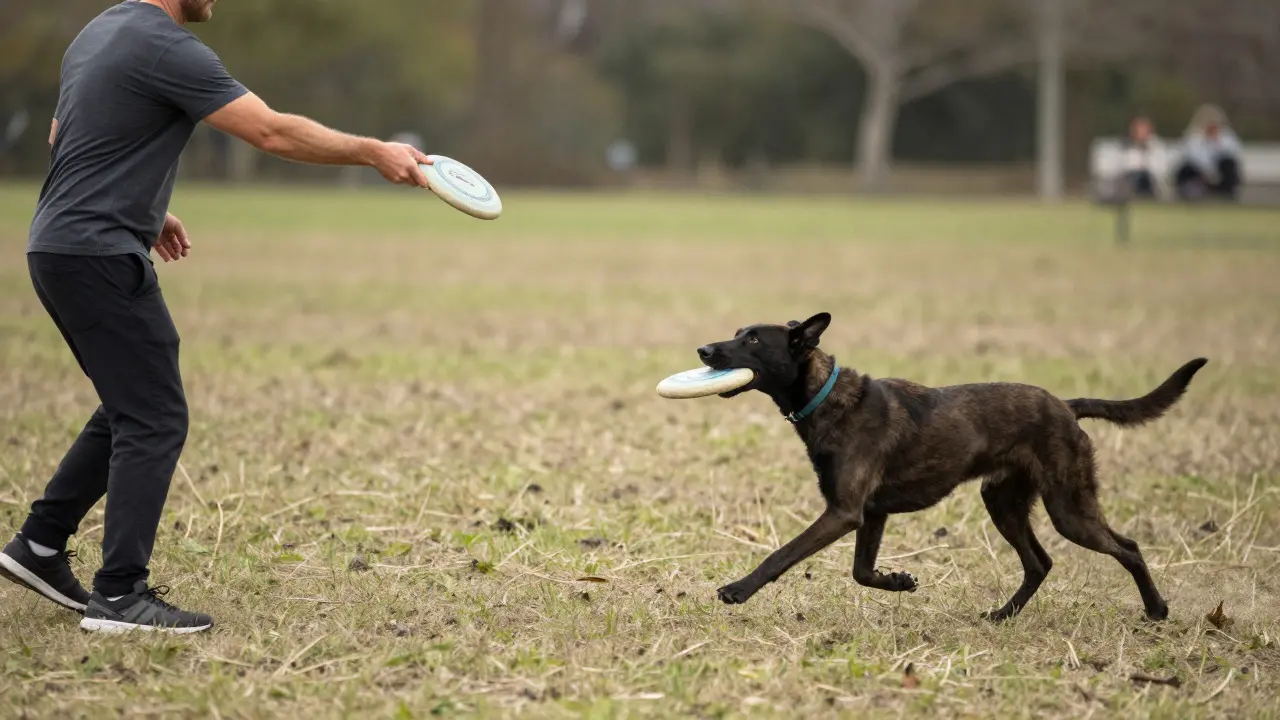
You wouldn’t use a golf club for baseball, right? Same logic applies to frisbees. For advanced retrieval, the weight and flexibility of the disc change everything. Standard pet toys are often too light and flimsy. They wobble in the wind and break easily if caught with force. Look for competition-grade discs made from durable polypropylene. These discs weigh between 170g and 200g. Heavier discs travel faster and maintain stability in gusty conditions. They also provide more feedback when caught, helping your dog feel the impact. Avoid cheap plastic toys that shatter; a broken piece can cause choking or dental damage. Invest in a set of three or four discs so you can alternate throws without waiting for a return.
Safety Checks Before You Play
Advanced exercises put more stress on a dog’s body. Before starting any new drill, check the surface. Wet grass is slippery; dry dirt is abrasive. Concrete is a no-go for high-impact landings. Also, assess your dog’s age. Puppies under six months shouldn’t do high-speed jumps because their growth plates are still developing. Senior dogs may need slower-paced versions of these drills to protect their hips. Always warm up with five minutes of gentle jogging and stretching. Cold muscles are prone to tears, especially during sudden twists and jumps. If your dog shows signs of limping or reluctance, stop immediately. Pushing through pain leads to long-term injuries.
Common Mistakes to Avoid
Even experienced handlers make errors that hinder progress. The biggest one is over-throwing. If you throw the disc too far, your dog gets frustrated and gives up. Keep throws within a range where success rate stays above 80%. Another mistake is inconsistent rewards. If you praise every catch loudly, your dog learns to perform for you. If you stay silent, they learn to perform for the joy of the catch. Pick one method and stick to it. Finally, don’t ignore the environment. Wind changes the disc’s path drastically. On windy days, shorten your throws and focus on accuracy rather than distance. Adapting to conditions is part of the skill set.
Building a Routine for Long-Term Success
Consistency beats intensity. Aim for three sessions per week, each lasting 15 to 20 minutes. Mix easy throws with advanced drills to keep your dog mentally fresh. Track your progress by noting which drills your dog struggles with. If they consistently miss the deceptive arc, go back to the ghost throw for a few days. Reinforce the fundamentals before adding complexity. Over time, you’ll notice your dog becoming more confident and agile. They’ll start anticipating your throws before you even release the disc. That’s the sign of true mastery. The bond you build through this focused activity goes beyond exercise; it creates a shared language of movement and trust.
What age is safe for advanced frisbee training?
Most veterinarians recommend waiting until a dog is at least 12 months old before starting high-impact activities like advanced frisbee. By this age, their growth plates have closed, reducing the risk of developmental injuries. However, always consult your vet for breed-specific advice, especially for large breeds prone to hip dysplasia.
How many times a week should I practice?
Three to four times a week is ideal. More frequent sessions can lead to muscle fatigue and mental boredom. Keep each session under 20 minutes to maintain high energy levels. Quality over quantity ensures your dog stays engaged and avoids burnout.
Is frisbee bad for a dog's teeth?
If the disc is too hard or brittle, yes. Cheap plastic toys can crack and leave sharp edges that chip teeth. Use flexible, competition-grade discs designed for dogs. These materials absorb impact better and are less likely to cause dental damage. Regular dental checkups are still recommended regardless of the toy used.
My dog ignores the disc when it's windy. Why?
Wind makes the disc’s path unpredictable, which confuses dogs trained on straight-line throws. They hesitate because they can't predict where it will land. To fix this, reduce throw distance on windy days and use heavier discs that resist wind drift. Gradually increase difficulty as your dog gains confidence in tracking unstable flights.
Do I need special shoes for playing with my dog?
You don’t need specialized gear, but comfortable athletic shoes with good grip are helpful. You’ll be moving quickly and changing directions often. Slipping on wet grass can cause injury to you or disrupt the flow of the game. Supportive footwear helps you match your dog’s pace and maintain balance during rapid turns.