There is a specific kind of despair that hits when you look at your black sofa and realize it has been completely reclaimed by your Golden Retriever. It’s not just a nuisance; it’s a seasonal takeover. If you are currently wearing more fur than fabric, you aren’t alone. Dog shedding is a biological inevitability, but the amount of hair floating around your living room is entirely manageable with the right strategy. The key isn't just cleaning up after the fact-it's about intercepting the hair before it hits your carpet and choosing tools that actually work against static cling and embedded dander.
Why Your Dog Is Exploding Right Now
Before you buy another lint roller, you need to understand what’s happening biologically. Dogs don’t shed randomly; they follow photoperiods-the length of daylight hours. As we move into September and toward winter, many double-coated breeds begin their "blow coat" phase. This is where the undercoat loosens to make way for a denser winter layer, or vice versa depending on your hemisphere and climate control. Indoor heating can confuse this cycle, causing year-round shedding that spikes in spring and fall.
Not all shedding is equal. A Husky blowing its coat will release enough fur to knit a sweater, while a Labrador might drop less volume but with higher oil content that clings to surfaces differently. Recognizing your dog’s specific shedding pattern helps you adjust your routine. If you notice patchy bald spots or excessive scratching alongside the hair loss, that’s a red flag for allergies or parasites, not just seasonal change.
The Grooming Routine That Stops Hair at the Source
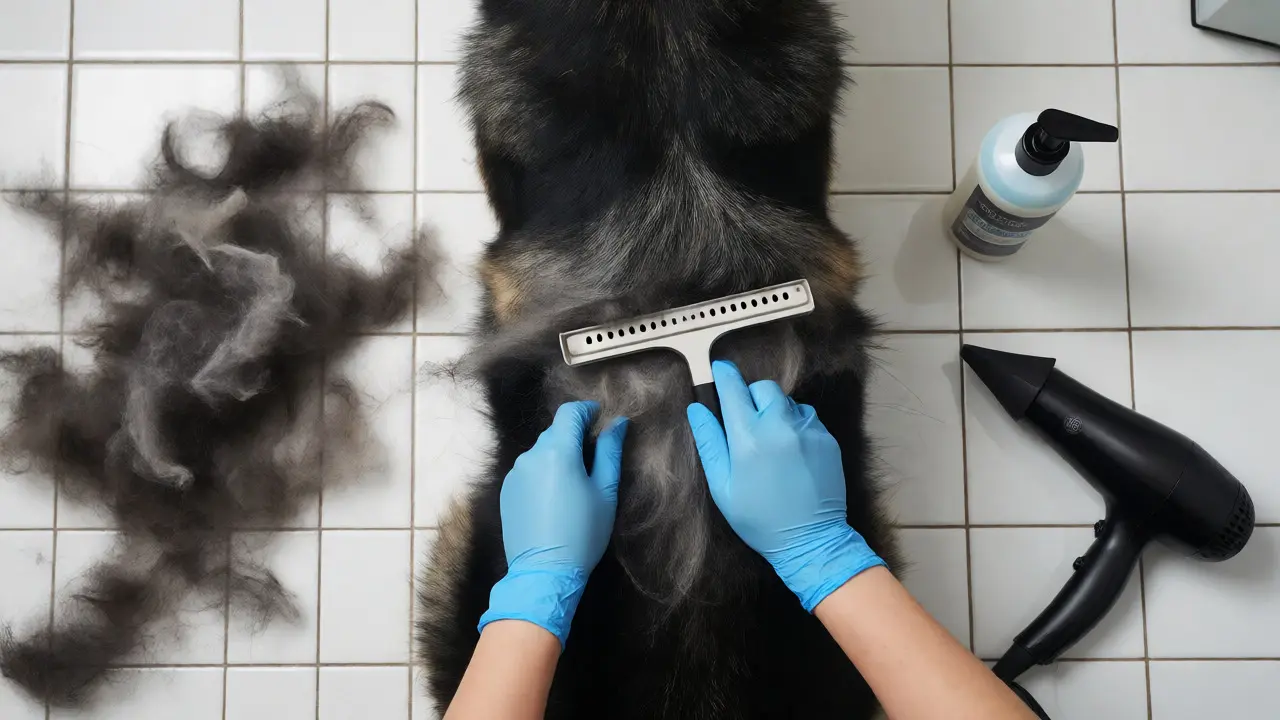
You cannot vacuum your way out of a shedding problem if you aren’t managing the source. Think of grooming as pre-vacuuming. Every strand you remove from the dog is one less strand in your upholstery. For most dogs, weekly brushing is insufficient during peak shedding seasons. You need to increase frequency to daily or every-other-day sessions.
- Undercoat Rakes: These are non-negotiable for double-coated breeds like German Shepherds or Alaskan Malamutes. They reach down to the dense underlayer where loose hairs get trapped. Use short, gentle strokes to avoid irritating the skin.
- Deshedding Tools: Devices like the Furminator use micro-teeth to grab loose undercoat without cutting the topcoat. Be careful here-overusing these can thin the protective guard hairs, so limit usage to once a week.
- Bristle Brushes: Great for single-coated breeds like Poodles (though they shed minimally) or Boxers. They distribute natural oils, which reduces dryness and subsequent flaking.
Don’t forget the bath. A thorough wash with a high-quality deshedding shampoo can loosen thousands of hairs in one go. Follow up with a powerful blow dryer set on cool or warm (never hot) to blast the remaining loose fur off the body. Yes, this makes a mess in the bathroom, but it contains the chaos to one tile floor rather than spreading it across three rooms.
Vacuuming Strategies That Actually Work
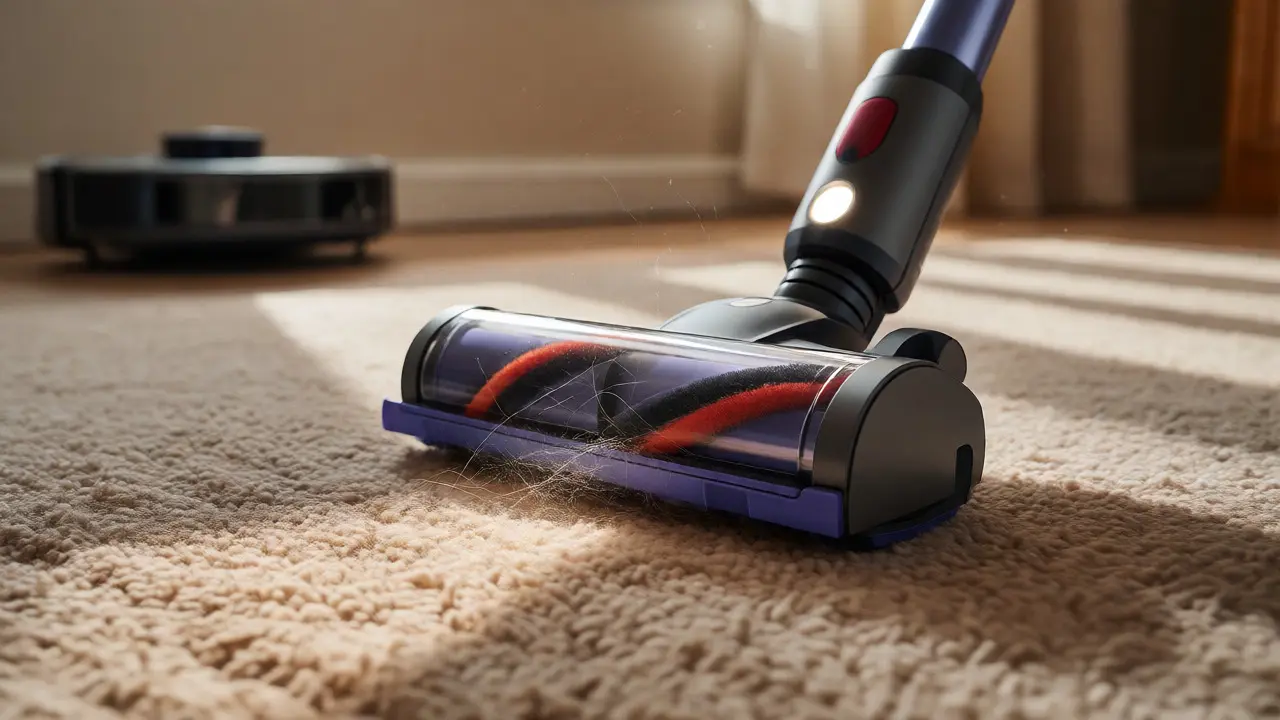
If you’re using a standard household vacuum, you’re likely fighting a losing battle. Pet hair is tenacious. It wraps around bristles and embeds itself deep into carpet fibers. To win, you need equipment designed for the job and a technique that respects physics.
| Vacuum Type | Best For | Pros | Cons |
|---|---|---|---|
| Upright with Tangle-Free Brushroll | Large carpeted areas | High suction power; self-cleaning brushrolls prevent clogging | Heavy; hard to maneuver under furniture |
| Robot Vacuums (LiDAR) | Daily maintenance | Runs automatically; great for preventing buildup | Lower suction than uprights; requires frequent bin emptying |
| Cordless Stick Vacuums | Hard floors and stairs | Lightweight; quick grab-and-go cleanup | Limited battery life; smaller dustbins |
| Handheld Upholstery Vacuums | Sofas and car seats | Targeted precision; easy storage | Low power; not suitable for carpets |
Technique matters as much as the tool. When vacuuming carpets, go slow. Fast passes push air over the hair rather than sucking it up. Make multiple passes in different directions-north-south, then east-west-to dislodge hair woven into the pile. For hard floors, turn off the rotating brush roll. Spinning brushes tend to scatter fine dust and pet dander into the air instead of collecting it, which can trigger allergies.
Fabric and Furniture Defense
Your couch is the primary casualty zone. While you can’t cover every inch of your home in plastic, you can create barriers. Washable slipcovers are a lifesaver. Throw them over sofas and armchairs, and toss them in the washer weekly. Choose fabrics that resist static, such as microfiber or tightly woven cottons, rather than velvet or chenille, which act like magnets for fur.
For those stubborn bits of hair that survive the vacuum, rubber gloves are your secret weapon. Put on a pair of damp latex or silicone dishwashing gloves and run your hands over the sofa cushions. The friction creates static that pulls hair out of the weave, and the moisture helps it clump together for easy pickup. It sounds primitive, but it works better than most commercial lint rollers.
Consider the location of your dog’s bed. If they sleep on your rug, that area needs daily attention. Place a washable mat underneath their bed to catch the initial fallout. This simple step can reduce the amount of hair migrating into the surrounding carpet by half.
Nutrition and Hydration Factors
Shedding isn’t just external; it’s internal. Dry, brittle hair breaks easily and falls out faster. Ensuring your dog gets adequate Omega-3 and Omega-6 fatty acids can significantly improve coat health. Fish oil supplements are a common recommendation, but always consult your vet before adding anything to their diet. A healthy coat sheds less aggressively because the hair follicles remain secure longer.
Hydration plays a role too. Dehydrated skin becomes flaky and itchy, leading to more scratching and hair loss. Ensure fresh water is always available, especially in heated homes during winter months. If your dog eats dry kibble exclusively, consider mixing in some wet food or bone broth to boost moisture intake.
Dealing with Allergies and Air Quality
Pet hair often travels with dander-microscopic skin flakes that are the actual allergen for many people. Vacuuming stirs up dust, so timing matters. If anyone in your household suffers from allergies, run an air purifier with a HEPA filter while you clean and keep it running continuously. This captures airborne particles before they settle back onto surfaces.
Wash your bedding frequently. We often forget that our own beds collect pet hair and dander throughout the night. Washing sheets weekly in hot water kills dust mites and removes accumulated allergens. Keep bedroom doors closed if possible, creating a sanctuary free from the shedding storm.
How often should I vacuum my house if I have a heavy-shedding dog?
During peak shedding seasons (spring and fall), aim for vacuuming high-traffic areas daily and the rest of the house every two to three days. In between seasons, twice a week is usually sufficient. Consistency prevents the hair from embedding deeply into carpet fibers, making removal easier.
Does shaving my dog help stop shedding?
Generally, no. Shaving double-coated breeds (like Huskies or Shepherds) can damage the coat’s insulating properties and lead to improper regrowth known as post-clipping alopecia. The hair still grows and sheds; it just doesn't have the guard hairs to hold it in place, potentially making the mess worse. Regular brushing is far more effective.
What is the best vacuum feature for pet hair?
Look for a tangle-free brushroll and strong suction power (measured in AW or Pa). Self-cleaning brushrolls are highly recommended as they prevent long hair from wrapping around the beater bar, which maintains suction efficiency over time. A sealed HEPA filtration system is also crucial to ensure allergens aren't blown back into the air.
Can diet really affect how much my dog sheds?
Yes. Poor nutrition leads to dry, brittle coats that break and shed excessively. Diets rich in high-quality proteins and essential fatty acids (Omega-3 and Omega-6) support skin health and hair strength, reducing unnecessary shedding. Always introduce dietary changes gradually and consult your veterinarian.
How do I get pet hair out of laundry?
Run clothes through a 10-minute tumble in the dryer on the air-fluff or low heat setting before washing. This loosens the hair, which gets caught in the lint trap. Then wash as usual. Adding a cup of white vinegar to the rinse cycle can also help relax fabric fibers, releasing trapped hair.