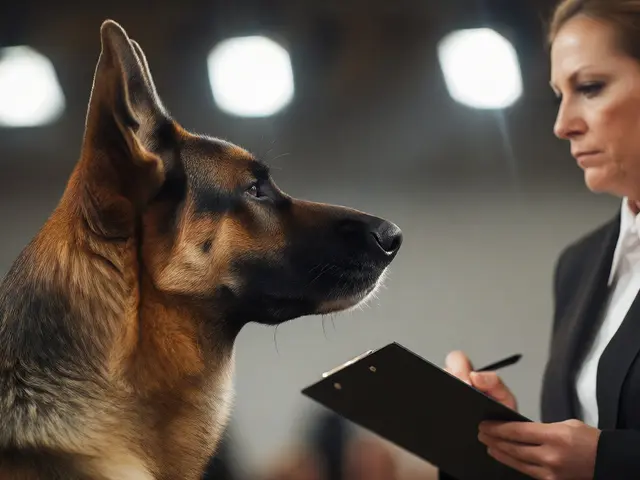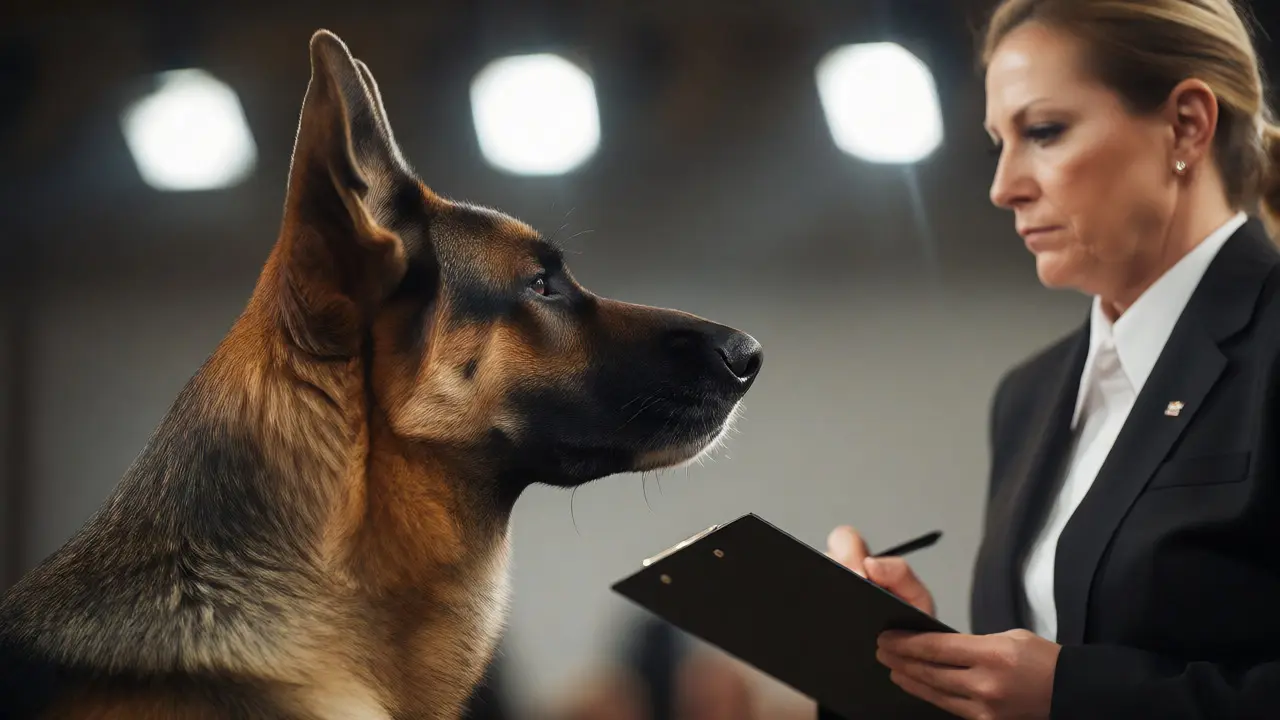
You look at two dogs and see the same animal. A Golden Retriever sitting calmly on a porch and a Labrador Retriever fetching a ball in the yard. To your eye, they are both big, friendly, golden-ish retrievers. But to a judge holding a clipboard at a dog show, they are completely different animals. One might be disqualified for having ears that are too high-set. The other might lose points because its tail is carried too high when moving. This isn't just nitpicking. It’s the result of breed standards, the blueprint that defines what a specific type of dog should look like, move, and behave.
But why do we have these rules? Who decides them? And does sticking to a standard actually make a dog "better" or just more predictable? If you’ve ever wondered why your mixed-breed mutt doesn’t fit into a neat little box, or why a designer "Doodle" isn’t recognized as a true breed by major kennel clubs, you’re asking the right questions. Let’s break down the mechanics of canine classification without getting lost in the jargon.
The Blueprint Behind the Bark
A breed standard is essentially a detailed description of an ideal specimen. It’s not a law that says every dog must look exactly like this; it’s a target. Think of it like architectural blueprints for a house. You can build a house that deviates from the plans, but if you want to call it a "Victorian Colonial," it needs certain features: symmetry, specific roof pitches, and window placements. In the dog world, the American Kennel Club (AKC) is the primary registry and authority in the United States that establishes and maintains breed standards. They work alongside other international bodies like the FCI (Fédération Cynologique Internationale) to ensure consistency across borders.
These documents cover everything from height and weight to temperament and coat texture. For example, the standard for a German Shepherd specifies a back that slopes gently downward from the withers to the croup. This isn't arbitrary aesthetics; it’s tied to movement efficiency. If the back is too straight, the dog loses drive. If it’s too sloped, the rear end drops, causing health issues. The standard tries to balance form and function, though critics argue it sometimes favors looks over health.
History: From Utility to Uniformity
Dogs weren’t always bred to look a certain way. For thousands of years, humans bred for job performance. You didn’t care if your herding dog had erect ears or floppy ones; you cared if it could keep sheep together without nipping their heels. These were landraces-local populations of dogs adapted to specific tasks and environments. They varied wildly in appearance but shared a common purpose.
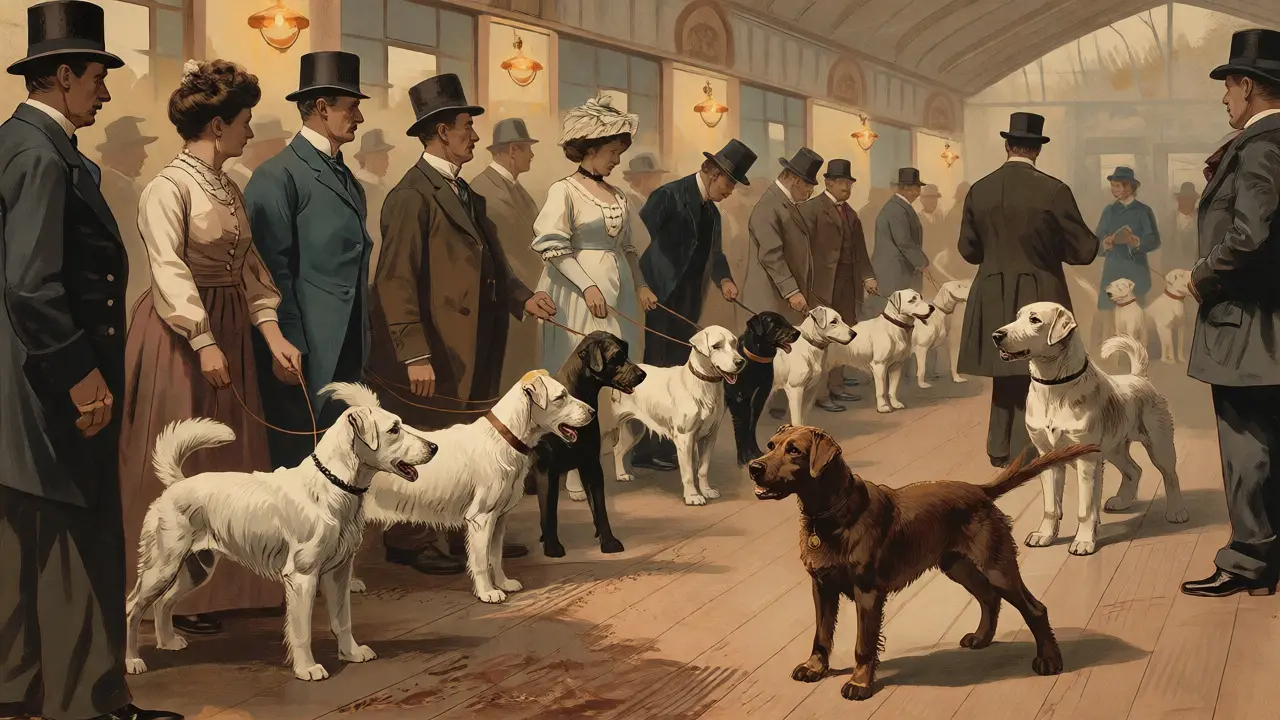
The shift happened in the mid-19th century, particularly in Victorian England. As the middle class grew and leisure time expanded, dog showing became a popular pastime. Suddenly, uniformity mattered. If you wanted to sell a "Terrier," buyers needed to know what a Terrier looked like. This led to the creation of studbooks and registries. The goal was to fix desirable traits and eliminate undesirable ones through selective breeding. This era gave us the modern concept of a "purebred." It transformed dogs from working tools into living sculptures, judged against an idealized image rather than just their ability to herd, hunt, or guard.
Anatomy of a Standard: What Judges Look For
When a judge evaluates a dog, they aren’t just looking at cuteness. They follow a strict hierarchy of importance outlined in the breed standard. While every breed has unique quirks, most standards break down into four main categories:
- General Appearance: The overall impression. Is the dog balanced? Does it look like its breed? This is often the first thing a judge notices from across the ring.
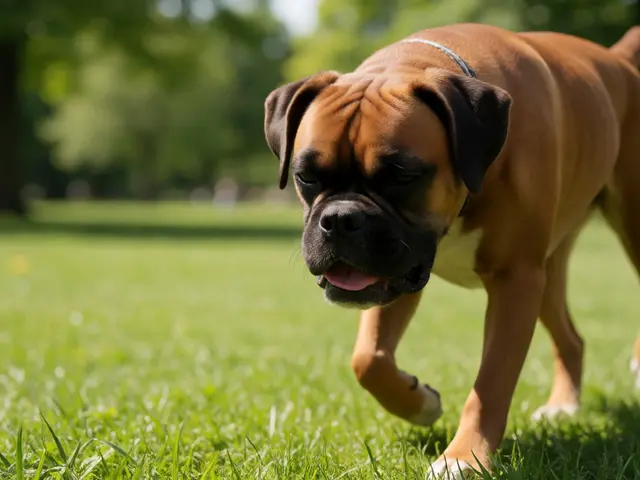
- Head and Expression: This includes skull shape, muzzle length, eye color, and ear set. For many breeds, the head is the most critical identifier. A Boxer’s square muzzle versus a Bulldog’s pushed-in face defines the breed instantly.
- Forequarters and Hindquarters: Bone structure, muscle mass, and angulation. This determines how the dog moves. Poor structure leads to inefficient gait and potential joint problems later in life.
- Gait: How the dog moves. Judges watch the dog trot to see if it covers ground efficiently. Faults here, like crossing legs or rolling over, indicate structural flaws.
Temperament is also heavily weighted. A Rottweiler is a robust, large-sized working dog known for loyalty and courage, but if it shows unprovoked aggression or extreme shyness, it’s penalized. The standard demands a confident guardian, not a nervous wreck or a bully.
Purebred vs. Mixed: Where Do Hybrids Fit?
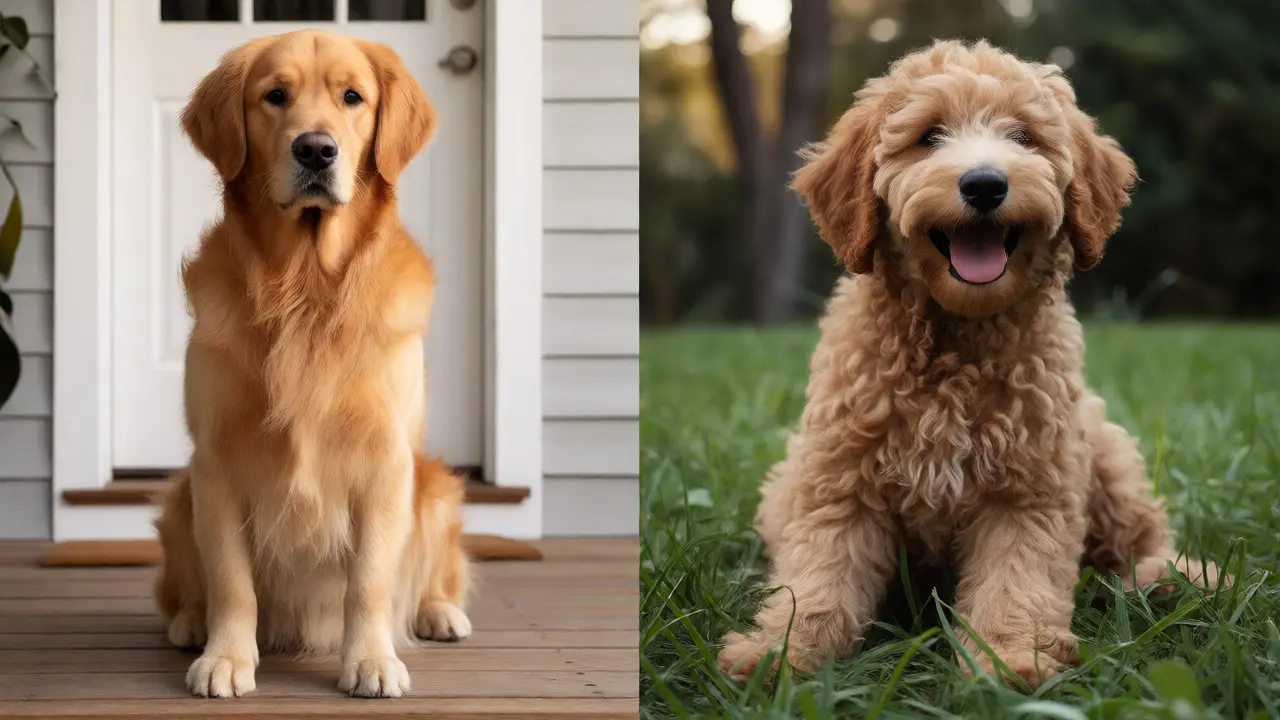
This is where things get tricky for the average pet owner. If breed standards define a breed, what happens when you mix two of them? Enter the "designer dog" craze-Labradoodles, Cockapoos, Goldendoodles. These crosses are popular for their perceived hypoallergenic coats or hybrid vigor (healthier offspring due to genetic diversity). However, major registries like the AKC do not recognize them as breeds.
| Feature | Purebred | Mixed Breed / Mutts | Designer Crosses |
|---|---|---|---|
| Registry Status | Recognized by AKC/FCI | Not registered as a breed | Often registered with minor clubs only |
| Predictability | High (size, temperament) | Low (genetic lottery) | Variable (depends on parents) |
| Health Profile | Breed-specific risks | Hybrid vigor possible | Hybrid vigor + parent breed risks |
| Cost | High ($1,000+) | Low (Adoption fees) | High ($1,500+) |
To become a recognized breed, a population must meet three criteria: it must be distinct, stable, and numerous enough to sustain itself. A Doodle fails the "stable" test because puppies in the same litter can look drastically different-one might take after the Poodle, another the Labrador. Until a cross-breeding program consistently produces dogs that look and act alike for several generations, it remains a cross, not a breed. The Savannah Cat serves as a good analogy in the feline world-it took decades of selective breeding to stabilize its wild-looking spots and tall ears before gaining recognition.
The Double-Edged Sword of Conformity
Standards preserve history. Without them, we’d lose the distinct characteristics that make a Dachshund a Dachshund. But there’s a dark side. When breeders prioritize one trait above all else-like the flat face of a Pug or the wrinkled skin of a Shar-Pei-they can inadvertently cause suffering. This is called "exaggeration."
Take the English Bulldog. Its standard calls for a massive head and a very short nose. While cute, this anatomy often leads to breathing difficulties (Brachycephalic Obstructive Airway Syndrome). Some progressive breeders are now advocating for "functional" standards, arguing that a dog should be able to breathe, walk, and live comfortably before it wins a ribbon. The debate isn’t about abandoning standards, but updating them to reflect veterinary science rather than just aesthetic preference.
How to Use Standards as a Buyer
If you’re shopping for a puppy, don’t let the paperwork fool you. A pedigree proves lineage, not quality. Here’s how to use breed standards practically:
- Read the Standard: Go to the AKC website and find the standard for your chosen breed. Note the disqualifying faults. If a breeder’s dogs consistently have a fault listed as "disqualifying," ask why.
- Ask About Health Testing: Reputable breeders screen for genetic conditions common to the breed. For a Cavalier King Charles Spaniel, this means checking for heart disease and syringomyelia. Ask for proof, not just promises.
- Observe Temperament: Meet the parents. If the mother is shy or aggressive, despite meeting the visual standard, the puppies may inherit those traits. The standard includes behavior; ignore it at your peril.
- Beware of "Rare" Colors: Some breeders charge extra for rare coat colors (like blue French Bulldogs). Often, these colors are linked to health issues or simply aren’t preferred by the standard. Check if the color is accepted or considered a fault.
Future Trends: Are We Redefining Breeds?
We are currently seeing a pushback against rigid conformation. Organizations like the UK Kennel Club have recently updated standards to discourage extreme physical traits that harm welfare. There’s also a rise in "performance-only" registries, where dogs are judged solely on their ability to do a job (herding, agility, hunting) rather than their looks. This shifts the focus back to utility, echoing the pre-Victorian era.
Additionally, DNA testing has changed the landscape. Companies like Embark can identify breed mixes with surprising accuracy. This transparency helps owners understand their dog’s potential health risks and behavioral tendencies, even if the dog doesn’t fit a single breed standard. It suggests a future where we value genetic diversity and functional health over perfect conformity to a paper ideal.
Does my dog need papers to be considered a purebred?
Technically, no. Papers prove ancestry, not phenotype. A dog can look exactly like a Border Collie and have no registration. However, without papers, you cannot enter conformation dog shows or breed your dog under official kennel club rules. For pet owners, papers matter less than health testing and temperament evaluation.
Why are some breeds banned or restricted?
Some countries restrict breeds based on historical reputation for aggression, such as Pit Bull types or Rottweilers. These bans are often controversial because they rely on visual identification rather than individual behavior. Critics argue that any dog can be dangerous if raised poorly, regardless of breed standard.
What is the difference between a "fault" and a "disqualification"?
A fault is a deviation from the ideal standard that costs points but allows the dog to remain in competition. A disqualification is a serious flaw that removes the dog from the ring entirely. Examples of disqualifications include incorrect size (too big/small), wrong eye color, or missing teeth, depending on the breed.
Can mixed breeds compete in dog sports?
Yes! Most major organizations, including the AKC, allow mixed breeds to compete in obedience, agility, rally, and tracking events. They usually require simple registration (often free or low-cost) via programs like AKC Canine Partners. They just can’t compete in conformation classes where physical appearance is judged against a breed standard.
Are designer dogs healthier than purebreds?
Not necessarily. While "hybrid vigor" (heterosis) can reduce the risk of recessive genetic diseases, designer dogs can still inherit dominant health issues from either parent breed. A Labradoodle, for instance, can suffer from hip dysplasia (common in Labs) and Addison's disease (seen in Poodles). Responsible breeding matters more than whether the parents are the same breed.