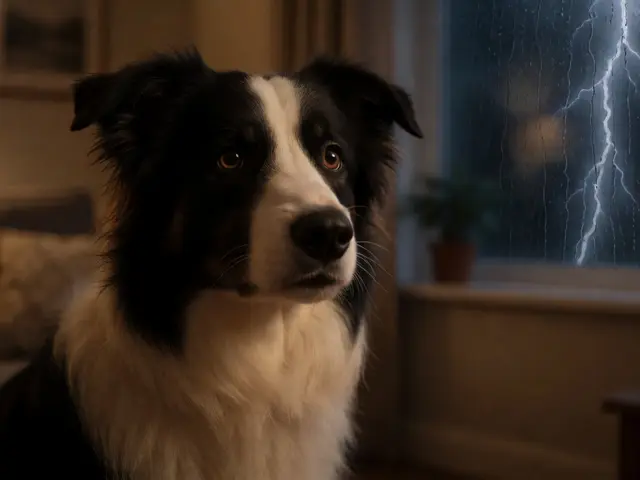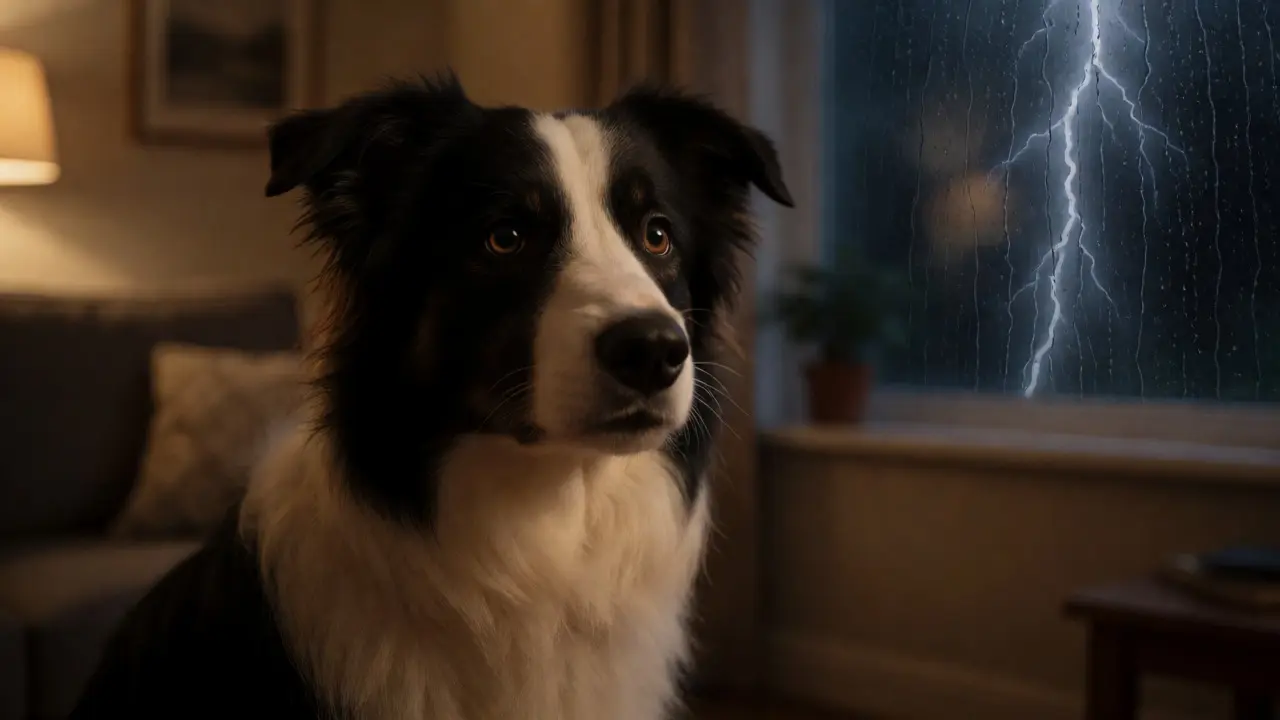
You’re sitting on the couch, maybe scrolling through your phone, when a sudden crack splits the air. It’s just a transformer blowing down the street or a neighbor testing out some early holiday fireworks, but for your dog, it might feel like the world is ending. If you’ve ever watched your pup tremble, pace, or try to burrow under the bed at the sound of distant thunder, you know that noise sensitivity is more than just a bad habit-it’s a genuine physiological stress response.
Here’s the thing: dogs hear frequencies we can’t even imagine, and their ears are designed to pick up subtle shifts in pressure. When a storm rolls in over Portland, Oregon, where I live, the drop in barometric pressure often alerts them long before the first raindrop hits. But what do you actually do when the sky starts rumbling? Do you comfort them, ignore them, or reach for a pill bottle? The answers aren’t always black and white, but having a plan makes all the difference.
Why Dogs Hear the World Differently
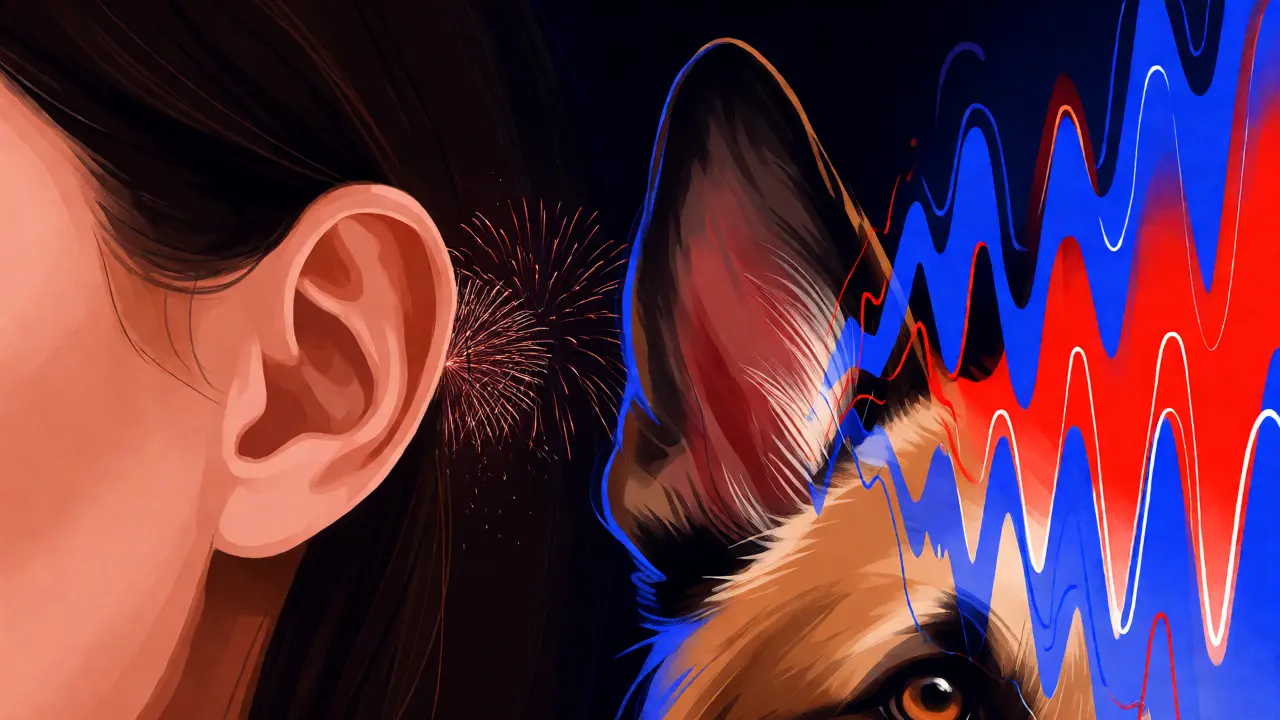
To understand why your dog panics during a fireworks display, you have to look at their anatomy. A human hears sounds from about 20 Hz to 20,000 Hz. A dog’s range stretches from roughly 40 Hz to 60,000 Hz. That means they aren’t just hearing louder; they’re hearing *more*. They pick up high-pitched whines from electronics, distant sirens, and the sharp snap of static electricity in dry air.
This biological advantage becomes a curse during events like the Fourth of July or a heavy Pacific Northwest thunderstorm. The unpredictability is key. A constant hum, like a refrigerator, rarely bothers a dog. It’s the sudden, sharp, unpredictable noises-like thunder cracks or firecrackers-that trigger the amygdala, the part of the brain responsible for fear responses. Once that fear loop starts, cortisol floods their system, making rational training nearly impossible in the moment.
Identifying the Signs of Distress
Not every dog shakes or hides. Some signs are subtle, and if you miss them, you might think your dog is "just being dramatic." Watch for these behaviors:
- Vocalization: Whining, barking, or howling that doesn’t stop once the noise stops.
- Pacing: Walking back and forth in a fixed pattern, unable to settle.
- Destructive Behavior: Chewing door frames, scratching floors, or trying to escape windows.
- House Soiling: Accidents inside the house, even in fully trained adult dogs.
- Physical Symptoms: Panting (when not hot), drooling, dilated pupils, or trembling.
If you see these signs, your dog isn’t trying to manipulate you. They are experiencing acute anxiety. Ignoring this distress can worsen the condition over time, leading to generalized anxiety disorders.
The Great Debate: To Comfort or Not to Comfort?
For years, trainers told us that comforting a fearful dog reinforces the fear. "If you pet him, you’re saying 'Yes, there is something to be afraid of,'" they said. Modern veterinary behaviorists disagree. Research suggests that comfort does not reinforce fear because fear is an emotional state, not a learned behavior in the same way sitting or staying is.
Think of it this way: if your child is scared of a nightmare, would you ignore them to teach them resilience? Probably not. You’d offer reassurance. The same applies here. However, how you comfort matters. Don’t speak in a frantic, high-pitched voice that mirrors their panic. Instead, use a calm, low tone. Offer physical contact if the dog seeks it. If your dog prefers to hide, don’t drag them out. Let them choose their safe spot.
Building Your Pre-Event Coping Plan
Waiting until the thunder starts to figure out a strategy is too late. You need a plan ready before the season peaks. Here is a step-by-step approach to managing noise events.
1. Create a Safe Zone
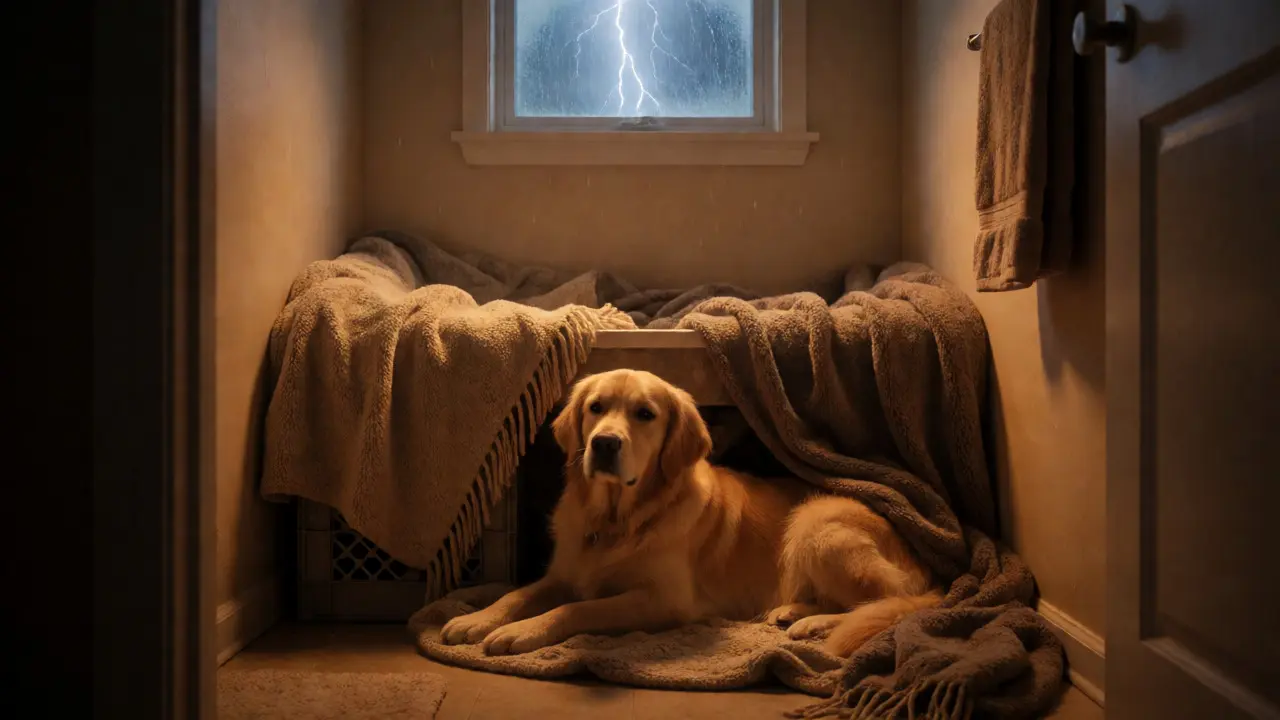
Every noise-sensitive dog needs a sanctuary. This shouldn’t be their crate if they associate it with punishment, but rather a specific room or corner. Basements or interior bathrooms without windows are great because they block sound naturally. Add heavy blankets over crates to dampen noise further. Place their favorite chew toy or a stuffed Kong filled with frozen peanut butter in this zone. Licking releases endorphins, which help calm the nervous system.
2. Mask the Noise
Absolute silence can sometimes make sudden noises seem sharper. Try playing brown noise or white noise through speakers. Brown noise has lower frequencies and feels less harsh than white noise. Alternatively, play classical music or reggae; studies from the University of Glasgow suggest these genres lower heart rates in shelter dogs. The goal is to raise the ambient sound level so that a thunderclap isn’t a shocking spike, but just another sound in the mix.
3. Desensitization and Counter-Conditioning
This is the long-term fix. You buy recordings of thunder or fireworks online. Start playing them at a volume so low your dog doesn’t notice them. Then, feed them high-value treats (chicken, cheese, liver). Pair the sound with the good thing. Gradually increase the volume over weeks or months. If your dog shows signs of stress, turn the volume down immediately. You’re teaching them that "Boom" equals "Chicken," not "Danger."
Tools and Products That Actually Work
The market is flooded with gadgets promising to cure anxiety. Some work, some are placebo, and some depend entirely on the individual dog. Here’s a breakdown of what’s worth considering.
| Tool Type | How It Works | Best For | Effectiveness |
|---|---|---|---|
| ThunderShirt | Applies gentle, constant pressure around the torso, similar to swaddling a baby. | Mild to moderate anxiety; dogs who seek deep pressure touch. | High for mild cases; varies for severe panic. |
| Adaptil Diffuser | Releases synthetic dog-appeasing pheromones that mimic those produced by nursing mothers. | Situational anxiety; creating a general sense of calm in a room. | Moderate; works best as part of a multi-tool approach. |
| Ear Muffs/Muffs | Physically blocks sound waves from entering the ear canal. | Dogs who tolerate wearing gear; predictable events like fireworks. | High if the dog accepts them; difficult to train for. |
| Prescription Meds (e.g., Trazodone) | Alters brain chemistry to reduce anxiety levels during the event. | Severe panic; dogs who cannot learn while stressed. | Very High; requires vet prescription and trial runs. |
Note on medication: Never give human meds without consulting your vet. Dosage for dogs is different, and some common painkillers are toxic to them. Always test any new medication or supplement on a quiet day first to see how your dog reacts.
When to Call the Vet
If your dog injures themselves trying to escape, refuses to eat for days after an event, or seems constantly anxious even when no noise is present, it’s time for a professional intervention. Your veterinarian may refer you to a board-certified veterinary behaviorist. These specialists can create a tailored protocol involving anti-anxiety medications and structured behavioral therapy.
In Portland, many vets recommend starting treatment two days before a predicted storm or holiday weekend. Waiting until the dog is already shaking often means the medication won’t kick in fast enough to help.
FAQ: Handling Noise Anxiety
Is my dog’s fear of thunder genetic?
Yes, breed plays a role. Herding breeds like Border Collies and Australian Shepherds, as well as sensitive breeds like Greyhounds and Cavalier King Charles Spaniels, are statistically more prone to noise phobias. However, environment and early socialization also heavily influence development.
Should I let my dog sleep in my bed during a storm?
If it helps them calm down, yes. The priority during an acute fear event is safety and stress reduction, not enforcing sleeping rules. You can retrain sleeping habits later when they are calm.
Do calming chews actually work?
Results vary. Ingredients like L-theanine, melatonin, and chamomile can have a mild sedative effect. They are generally safe but may not be strong enough for severe phobias. Think of them as a support tool, not a cure-all.
How early should I start desensitization training?
The earlier, the better. Puppies can start desensitization at 8-10 weeks old. For adult dogs, it’s never too late, but progress may be slower if the fear is deeply ingrained. Consistency is more important than speed.
What if my dog destroys the house during storms?
This indicates severe panic. Management is key. Keep them in a secure, puppy-proofed area. Remove valuable items. Consider crate training if they feel safe in a crate, or confine them to a small bathroom with non-slip mats to prevent injury from slipping on hardwood floors.
Final Thoughts on Living with a Sensitive Pup
Living with a noise-sensitive dog takes patience. There will be setbacks. Maybe you thought they were cured, and then a particularly loud construction site nearby triggers a regression. That’s normal. Don’t blame yourself or your dog. Focus on building a toolkit of strategies-environmental changes, behavioral training, and medical support if needed. By understanding their auditory world and respecting their fears, you can help your dog navigate the noisy parts of life with a lot more grace.