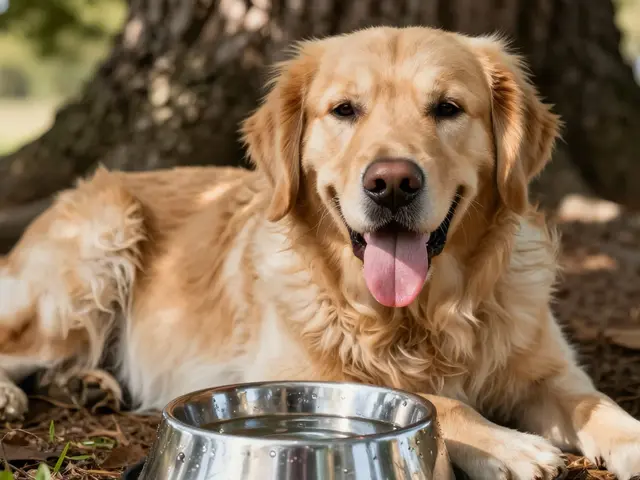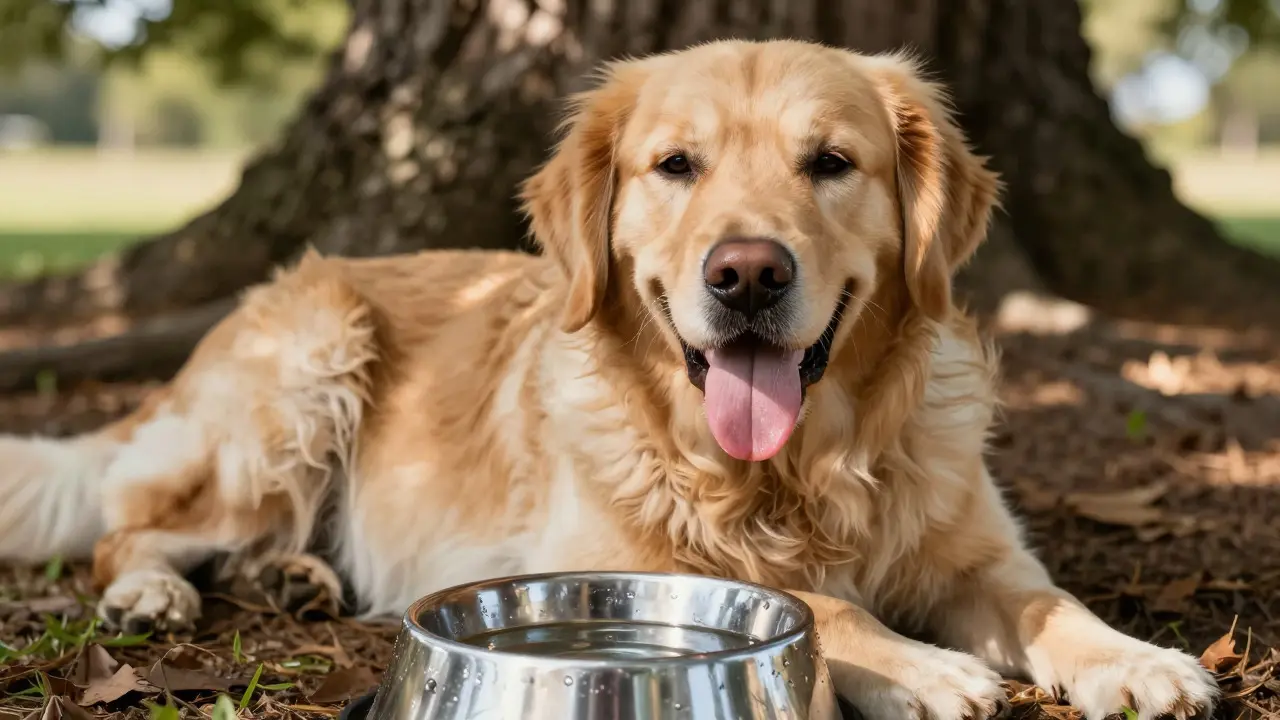
Imagine your dog is lying in the shade after a walk, tongue hanging out, eyes slightly glazed. You offer water, but they barely lap at it. That moment can be stressful because hydration isn't just about thirst-it's a vital sign. When you get the amount wrong, either too little or too much, you risk kidney stress, urinary issues, or even heatstroke. The good news? There’s a clear baseline for how much water a healthy dog needs daily, and once you know the factors that shift that number, you’ll never guess again.
The Baseline: What “Enough” Actually Means
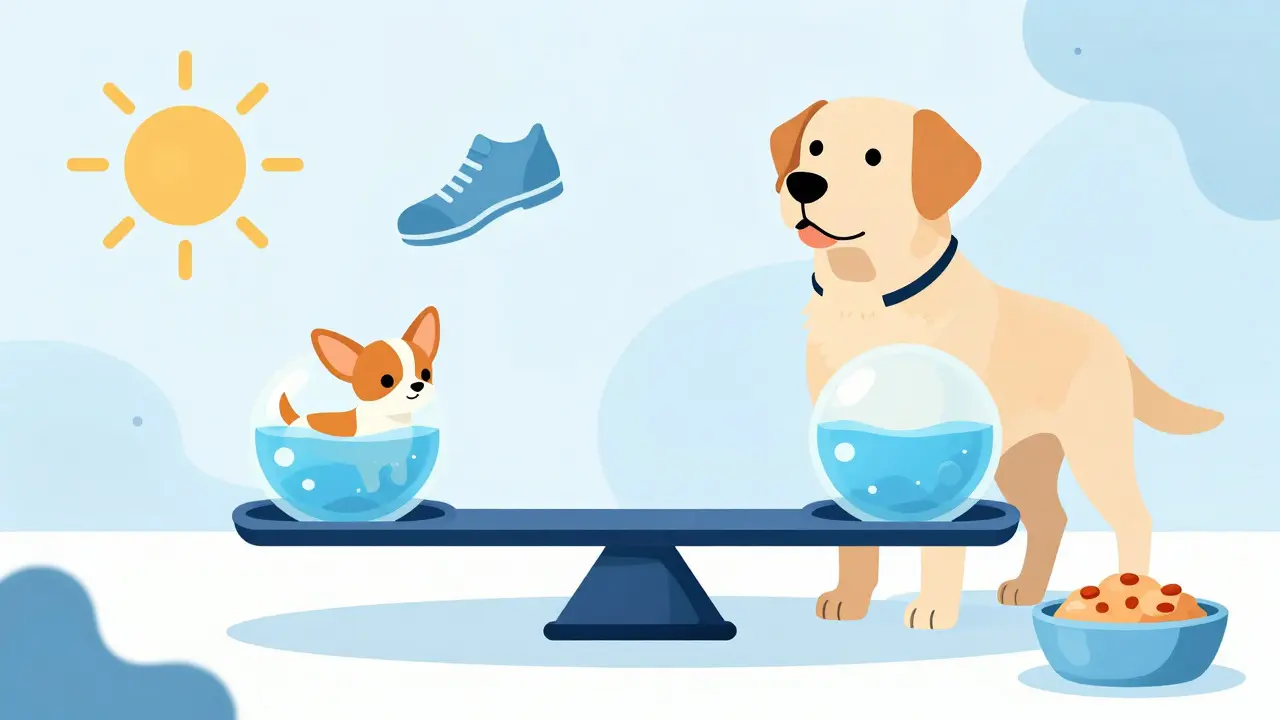
For most adult dogs, the general rule of thumb is 1 ounce of water per pound of body weight per day. So a 50-pound dog should drink roughly 50 ounces, which is about 4 cups or half a gallon. This figure comes from veterinary nutrition guidelines established by organizations like the American Veterinary Medical Association (AVMA) and accounts for normal metabolic processes, including waste elimination and temperature regulation. However, this is an average. A small Chihuahua and a large Labrador Retriever don’t scale linearly just because of size; their surface area-to-volume ratio affects how quickly they lose moisture through panting and skin evaporation.
If you’re measuring in metric units, that’s approximately 30 milliliters per kilogram of body weight per day. For a 10-kilogram dog, that’s 300 ml. Keep in mind that these numbers assume a standard diet-mostly dry kibble. Wet food contains significantly more moisture, often around 70-80% water, which reduces the amount of free water your dog needs to drink directly from the bowl.
Factors That Shift the Daily Number
Your dog’s environment and activity level act as dials on that baseline. Here’s what actually changes the math:
- Ambient Temperature is the external air warmth that increases evaporative cooling through panting. On hot days, especially above 80°F (26°C), dogs may need up to 50% more water. In Portland summers, where humidity can spike, this increase is critical because high humidity slows down the cooling effect of panting, forcing dogs to work harder and lose more fluid.
- Exercise Intensity is physical activity that elevates heart rate and respiration, accelerating fluid loss. A dog who runs two miles on a trail will lose significantly more water than one who naps indoors. Post-exercise, offer fresh water immediately, but allow them to cool down first to avoid gulping air or drinking too fast.
- Diet Composition is the type of food consumed, which determines intrinsic water content. Dry kibble typically has only 10% moisture. Canned food has 70-80%. If you switch from dry to wet, you might see your dog drink less, which is normal. If you feed raw diets, the moisture content varies widely, so monitoring urine output becomes essential.
- Health Conditions are medical states that alter renal function or fluid balance. Dogs with diabetes mellitus or hyperthyroidism often exhibit polydipsia (excessive thirst). Conversely, dogs with kidney disease may have reduced ability to concentrate urine, leading to different hydration needs under veterinary supervision.
How to Monitor Hydration Without Lab Tests
You don’t need a blood test to check if your dog is hydrated. Your hands and eyes are better tools than you think. Here’s a quick self-check you can do twice a day:
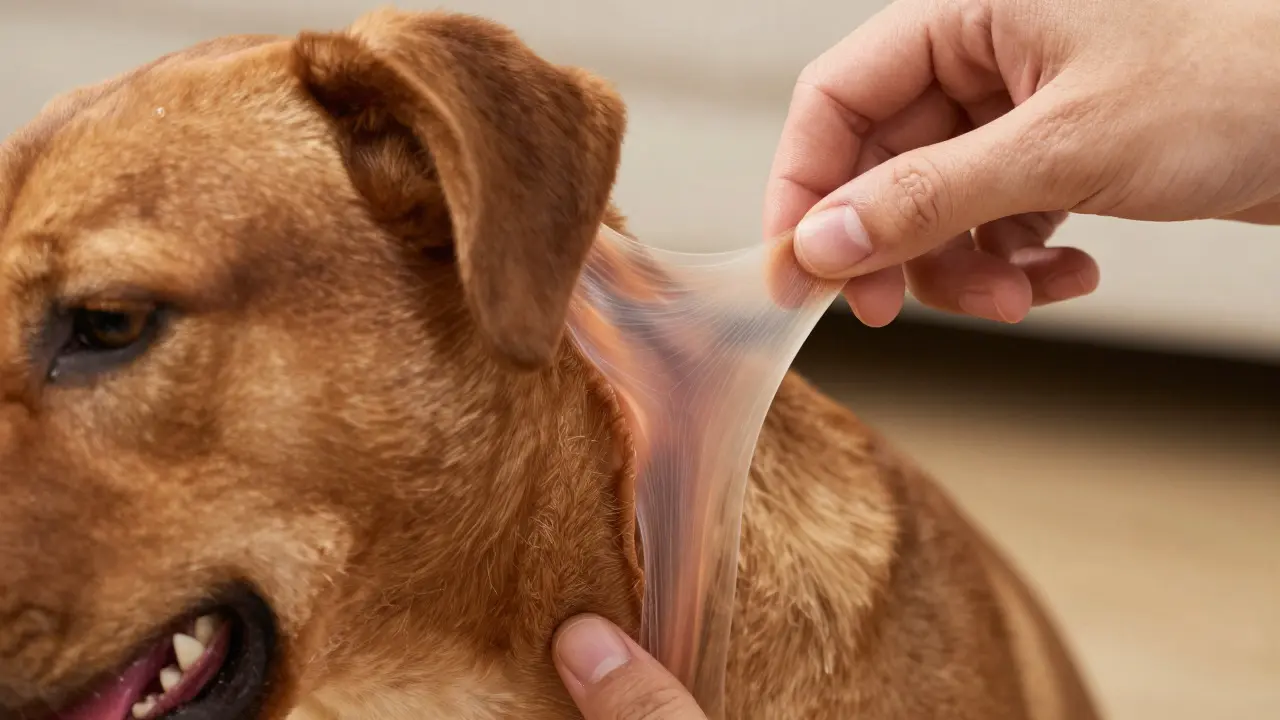
- Skin Tent Test: Gently pinch the skin on the back of your dog’s neck or between the shoulder blades. Lift it up and let go. In a well-hydrated dog, the skin snaps back into place almost instantly (less than 1 second). If it stays tented for 2-3 seconds or longer, dehydration is likely setting in.
- Gum Color and Moisture: Lift your dog’s lip and look at the gums. They should be pink and moist. Pale, white, or bluish gums indicate poor circulation or shock. Dry, tacky gums suggest mild dehydration. Sticky gums mean moderate to severe dehydration.
- Eye Appearance: Check the eyes. They should be bright and full. Sunken eyes are a classic sign of significant fluid loss. Also, note the tear film; dry eyes can accompany systemic dehydration.
- Urine Output and Color: Observe the color of the urine. Pale yellow or straw-colored urine indicates proper hydration. Dark amber or orange urine means the kidneys are concentrating waste due to low fluid volume. Clear urine might indicate over-hydration or dilution, which is usually less dangerous but worth noting if persistent.
Common Mistakes Dog Owners Make
Even experienced owners trip up on hydration basics. Here are the pitfalls I see most often:
Relying solely on the water bowl. Many dogs prefer running water. A static bowl can become unappealing if it gets dirty or stale. Consider a pet fountain; the sound and movement encourage drinking, which can increase intake by 20-30% in some studies. Also, clean the bowl daily. Biofilm buildup tastes bad to dogs, even if it looks fine to us.
Ignoring the weather. We dress our dogs for cold, but we rarely adjust for heat. In summer, carry a portable water bottle and a collapsible bowl on walks. Don’t wait until the dog starts panting heavily to offer water. Offer small sips every 15-20 minutes during active exercise.
Misinterpreting appetite vs. thirst. Sometimes a dog refuses water because they’re nauseous or have dental pain, not because they’re dehydrated. If your dog suddenly stops drinking but still eats, check their mouth for tooth abscesses or gum disease. Pain can make licking painful.
Over-supplementing electrolytes. Unless prescribed by a vet, adding human sports drinks or electrolyte powders to a dog’s water can upset their stomach due to sugar content or artificial sweeteners like xylitol, which is toxic to dogs. Stick to plain water unless your vet recommends specific oral rehydration solutions for illness.
When to Worry: Signs of Dehydration and Over-Hydration
Dehydration progresses in stages. Early signs are subtle: lethargy, reduced energy, and dry nose. Moderate signs include sunken eyes, sticky gums, and slow capillary refill time (press on the gum; it should turn white then return to pink within 2 seconds). Severe dehydration involves collapse, rapid heartbeat, and confusion. At this stage, seek emergency care immediately.
Over-hydration, known as water intoxication or hyponatremia, is rarer but dangerous. It happens when dogs drink too much water too quickly, diluting sodium levels in the blood. Symptoms include vomiting, bloating, weakness, and coordination issues. This often occurs after swimming in lakes or puddles where dogs gulp large volumes. If you suspect this, restrict water temporarily and monitor closely, but consult a vet if symptoms persist beyond an hour.
| Factor | Impact on Water Needs | Action Step |
|---|---|---|
| Hot Weather (>80°F) | Increases needs by 20-50% | Offer water every 15 mins during activity |
| Wet Food Diet | Reduces direct drinking needs | Monitor urine color, not just bowl emptying |
| High Activity | Significant fluid loss via panting | Cool down before offering large amounts |
| Old Age | Thirst mechanism may dull | Check gums/skin daily; ensure easy access |
Special Considerations for Puppies and Seniors
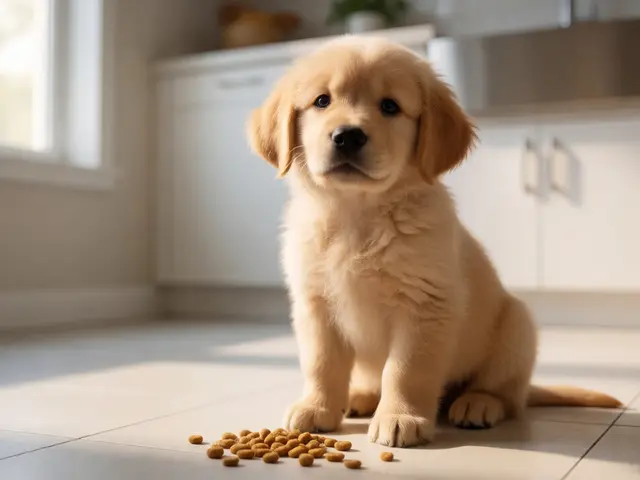
Puppies have higher metabolic rates and smaller bodies, making them more susceptible to rapid dehydration. Their kidneys aren’t fully developed, so they can’t conserve water as efficiently. Always provide fresh water after meals and play sessions. Avoid letting puppies drink straight from hoses or ponds, as these sources may contain bacteria or parasites.
Senior dogs, on the other hand, often experience a diminished sense of thirst. This is partly due to age-related changes in the hypothalamus, the brain region that regulates thirst. They may also have mobility issues that make reaching the water bowl difficult. Place multiple water stations throughout the house. Elevate bowls to reduce neck strain for arthritic dogs. Regular vet checks for kidney function are crucial, as chronic kidney disease is common in older dogs and alters hydration requirements.
Practical Tips for Keeping Water Fresh and Appealing
Dogs are sensitive to taste and smell. A stale bowl can deter drinking. Here’s how to keep them interested:
- Change water twice daily: Even if the bowl isn’t empty, replace the water. Stagnant water develops off-flavors.
- Use stainless steel or ceramic bowls: Plastic bowls can harbor bacteria and cause allergic reactions in some dogs (canine acne).
- Add ice cubes in summer: This keeps water cool without diluting it too much. Ice cubes can also be a fun treat.
- Try flavored water (safely): A splash of unsweetened chicken broth (low sodium) can entice picky drinkers. Avoid onion or garlic, which are toxic to dogs.
- Keep bowls accessible: Don’t hide the water bowl behind furniture. Ensure there’s always at least one accessible source in each room where your dog spends time.
Frequently Asked Questions
How much water should a puppy drink?
Puppies generally follow the same 1-ounce-per-pound rule, but because they grow rapidly, monitor their intake closely. A 10-pound puppy should drink about 10 ounces daily. Since their kidneys are immature, ensure constant access to fresh water, especially after feeding and play. Watch for signs of diarrhea, which can lead to rapid dehydration in young dogs.
Is it okay to give my dog milk instead of water?
Generally, no. While lactose-free milk can be a treat, regular cow’s milk contains lactose, which many adult dogs cannot digest properly. It can cause gas, bloating, and diarrhea, leading to dehydration rather than preventing it. Water remains the best hydrator. If you want to add flavor, use low-sodium bone broth instead.
My dog doesn’t drink enough water. Should I be worried?
If your dog is eating wet food, they may get sufficient hydration from their diet. Check their urine color; if it’s pale yellow, they’re likely fine. However, if they eat dry food and show dark urine or dry gums, investigate further. Try a water fountain, clean the bowl, or add ice cubes. If the issue persists, consult your vet to rule out dental pain or kidney issues.
Can dogs get sick from drinking too much water?
Yes, though it’s rare. Drinking excessive amounts of water quickly can lead to hyponatremia, where sodium levels drop dangerously low. Symptoms include vomiting, lethargy, and muscle twitching. This is most common after intense swimming or exercise. Prevent it by allowing gradual drinking and avoiding forced consumption.
How does humidity affect my dog’s water needs?
High humidity reduces the effectiveness of panting, which is how dogs cool down. In humid climates like Portland summers, dogs may need to pant longer to achieve the same cooling effect, leading to greater fluid loss. Increase water availability and offer shorter, cooler walks during peak humidity hours.
High humidity reduces the effectiveness of panting, which is how dogs cool down. In humid climates like Portland summers, dogs may need to pant longer to achieve the same cooling effect, leading to greater fluid loss. Increase water availability and offer shorter, cooler walks during peak humidity hours.