
Feeding your dog a plant-based diet is no longer just a niche experiment; it’s a growing trend driven by ethical concerns and environmental awareness. However, dogs are not humans, and their biological needs differ significantly from ours. While some dogs thrive on meat-free meals, others suffer from hidden deficiencies that can lead to serious health issues like heart disease or muscle weakness. The key isn’t whether a vegetarian or vegan diet is possible-it is-and how you ensure every nutritional requirement is met without guesswork.
Understanding Canine Metabolism and Dietary Needs
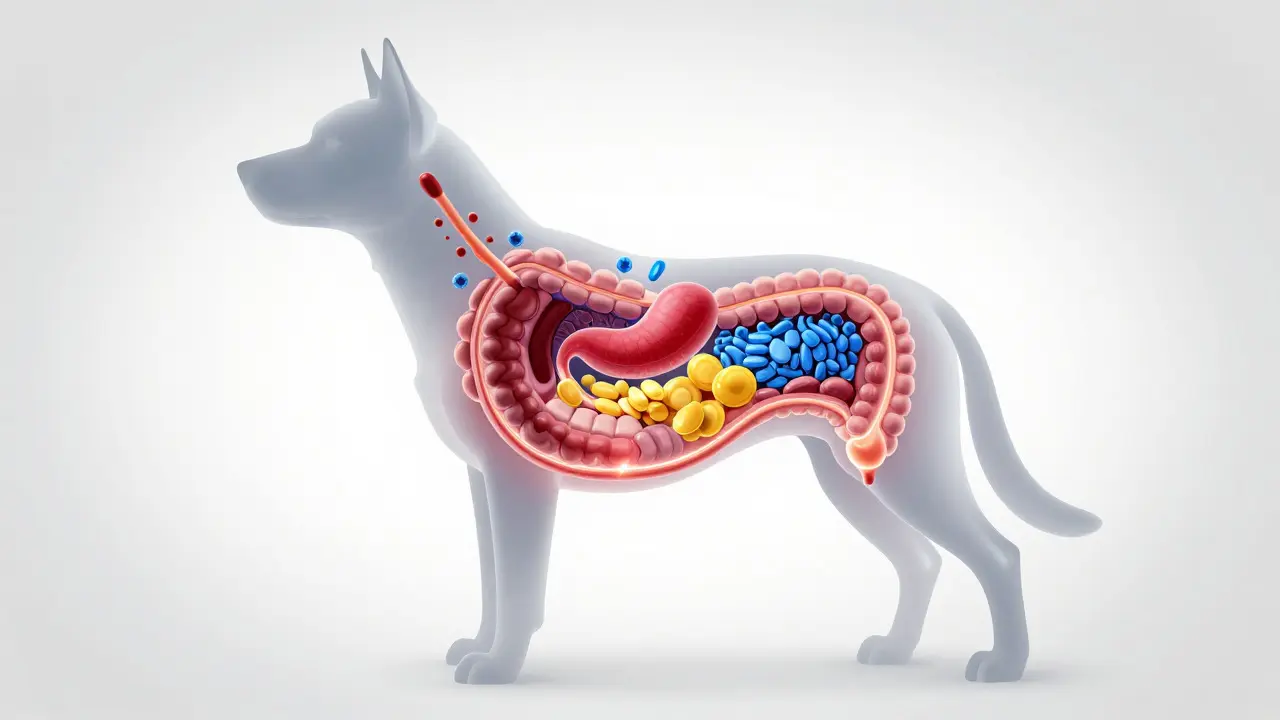
To understand why this topic sparks debate among veterinarians, we have to look at how dogs process food. Unlike strict herbivores, dogs are classified as omnivores with carnivorous tendencies. This means they evolved to digest both plant and animal matter, but their bodies still expect certain nutrients primarily found in meat. For instance, dogs cannot synthesize enough of the amino acid taurine on their own, nor can they efficiently convert beta-carotene into Vitamin A as effectively as cats or humans. Therefore, any meat-free plan must be carefully formulated to supplement these gaps.
The Association of American Feed Control Officials (AAFCO) sets the minimum nutrient profiles for commercial pet foods. If you are considering a homemade vegan diet, you aren't just cooking dinner; you are formulating a complete nutritional profile that meets specific thresholds for protein, fat, vitamins, and minerals. Failing to meet these standards doesn't just mean your dog eats less; it means their body starts breaking down its own tissues to survive, leading to long-term damage.
Critical Nutrients in Meat-Free Feeding
When removing animal products, three specific areas require immediate attention: protein quality, taurine levels, and calcium absorption. Plant proteins often lack one or more essential amino acids, meaning you need to combine sources to create a "complete" protein profile. Legumes, grains, and soy are common bases, but they must be balanced correctly.
Taurine is perhaps the most critical missing piece in many early-stage vegan recipes. It is vital for cardiac function and vision. Inadequate taurine intake has been linked to dilated cardiomyopathy (DCM), a condition where the heart muscle weakens and enlarges. While some plants contain small amounts of taurine, it is usually insufficient for a growing or active dog. Supplementing with synthetic taurine is non-negotiable for most vegan diets.
Calcium and phosphorus balance is another frequent pitfall. Many plant-based ingredients, such as spinach or kale, contain oxalates that bind to calcium, reducing its bioavailability. This can lead to skeletal issues over time. You must calculate the actual absorbable calcium, not just the total amount listed on the ingredient label.
| Nutrient | Omnivore Source | Vegan/Plant Source | Risk if Deficient |
|---|---|---|---|
| Taurine | Meat, organ meats | Synthetic supplements, yeast extracts | Dilated Cardiomyopathy (DCM) |
| Vitamin B12 | Animal products | Fortified nutritional yeast, supplements | Anemia, neurological issues |
| Complete Protein | Chicken, beef, fish | Pea, lentil, potato blends | Muscle wasting, poor growth |
| Omega-3 Fatty Acids | Fish oil, salmon | Algal oil, flaxseed (limited conversion) | Poor coat condition, inflammation |
Commercial vs. Homemade: Weighing the Options
You generally have two paths: buying commercially prepared vegan kibble or wet food, or making meals at home. Commercial options offer convenience and consistency. Brands that market specifically as "vegan for dogs" usually undergo third-party testing to ensure they meet AAFCO guidelines. Look for labels that explicitly state "complete and balanced." Without this claim, the food might be suitable as a treat but dangerous as a sole diet.
Homemade feeding offers control but demands expertise. It requires precise weighing of ingredients and consistent supplementation. A single missed dose of B12 or an imbalance in calcium-to-phosphorus ratio can take months to show up in blood work. If you choose this route, working with a veterinary nutritionist who specializes in alternative diets is highly recommended. They can help you build a recipe that accounts for your dog's age, weight, and activity level.
Monitoring Health: What to Watch For
Transitioning a dog to a new diet should never be abrupt. Introduce the new food gradually over 7-10 days to avoid gastrointestinal upset. More importantly, establish a baseline before starting. Get comprehensive blood work done to check kidney function, liver enzymes, and electrolyte levels. Then, repeat these tests every six months initially, or sooner if you notice changes in behavior or energy.
Watch for subtle signs of deficiency. Lethargy, a dull or dry coat, and reluctance to exercise can indicate low energy availability or fatty acid deficiencies. Weight loss despite normal appetite suggests malabsorption or metabolic stress. Regular vet check-ups are not optional here; they are part of the dietary protocol. Your veterinarian should review the specific formulation you are using, especially if it is homemade.

Special Considerations for Life Stages
Not all dogs are candidates for a strict vegan diet. Puppies, pregnant or nursing mothers, and senior dogs with existing health conditions require higher precision in nutrient delivery. Puppies, for example, have rapidly growing bones and brains, making them extremely sensitive to calcium and DHA levels. A slight miscalculation can stunt growth permanently.
Senior dogs may have reduced digestive efficiency, meaning they might struggle to extract nutrients from dense plant fibers. In these cases, a mixed approach-such as a high-quality vegetarian diet supplemented with egg yolk or small amounts of fish oil-might be safer than a 100% vegan regimen. Always consult your vet before changing the diet of a dog under one year old or over eight years old.
Frequently Asked Questions
Is a vegan diet safe for all dogs?
It can be safe, but only if the diet is complete and balanced according to AAFCO standards. Healthy adult dogs can thrive on well-formulated vegan diets, but puppies, seniors, and dogs with pre-existing conditions require closer monitoring and professional guidance.
What is the biggest risk of feeding a dog a vegan diet?
The most significant risks are taurine deficiency leading to heart disease and inadequate protein quality leading to muscle wasting. Both conditions can develop silently over months before showing clinical symptoms.
How often should I test my dog’s blood if they eat a plant-based diet?
For the first year, comprehensive blood panels should be performed every six months. After the initial year, annual testing is standard, provided the dog remains healthy and the diet formula does not change.
Can I just add meat broth to a vegan diet to make it better?
Broth adds flavor and some minerals but rarely provides sufficient protein or taurine to make a vegan diet "complete." It is a supplement, not a solution. Rely on scientifically formulated supplements instead.
Are there specific brands known for good vegan dog food?
Look for brands that explicitly state their product is "complete and balanced for all life stages" and provide third-party lab results. Avoid generic "vegetarian" labels that do not specify nutrient profiles, as these may lack essential supplements like taurine or B12.