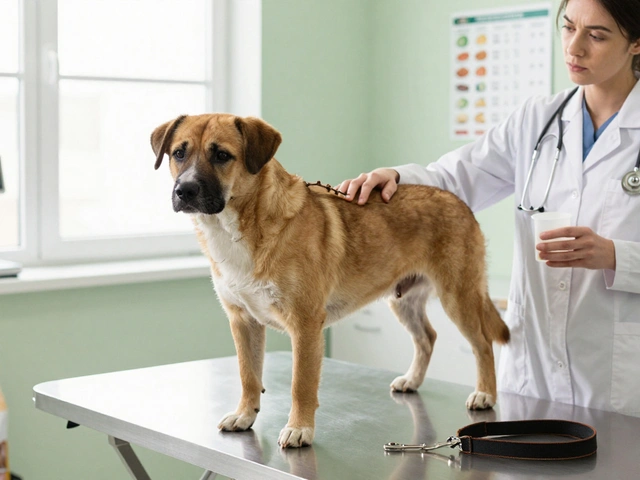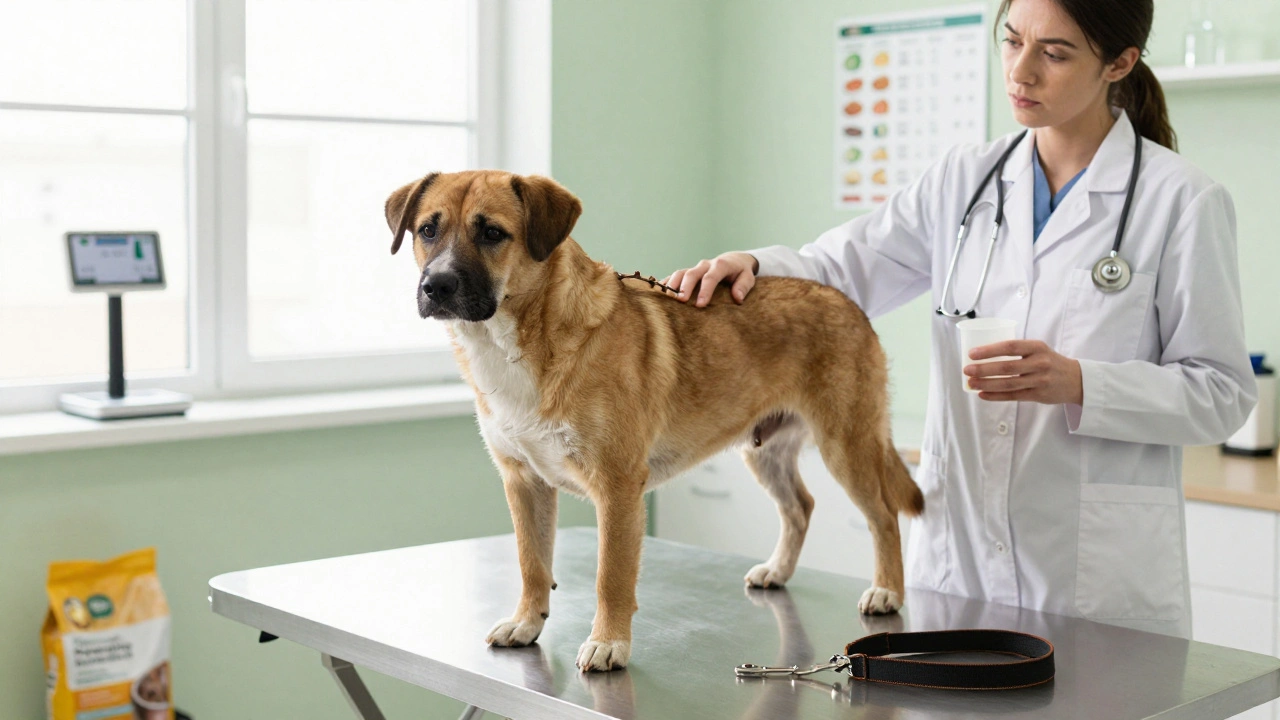
Neutering your dog is one of the most common vet procedures-and one of the most beneficial. It reduces unwanted behaviors, lowers cancer risk, and helps control pet overpopulation. But for many owners, it comes with an unexpected side effect: weight gain. If your dog suddenly started gaining pounds after surgery, you’re not alone. Studies show that up to 60% of dogs gain weight in the first year after being neutered. The good news? It’s not inevitable. With a few smart changes to food, portions, and activity, most dogs can stay lean and healthy long after surgery.
Why Do Dogs Gain Weight After Neutering?
The drop in hormones after neutering isn’t just about behavior-it changes how your dog’s body burns energy. Testosterone and estrogen help regulate metabolism, and when those levels drop, your dog’s energy needs fall by about 20-30%. That means the same amount of food that kept them at a healthy weight before surgery now gives them extra calories they don’t need.
On top of that, many dogs become less active after surgery. They nap more, play less, and seem content to just sit around. This isn’t laziness-it’s biology. Lower hormone levels can reduce motivation to move. Combine that with unchanged portion sizes, and you’ve got a recipe for weight gain.
One study from the University of Pennsylvania tracked 1,200 dogs after neutering and found that 70% of them gained weight within six months. The biggest jumps happened in the first three months. That’s why waiting to adjust their diet is a mistake. You need to act before the scale starts climbing.
How to Adjust Their Diet Right After Surgery
Don’t wait for your dog to look chubby before you change anything. Start adjusting their food within 7 to 10 days after surgery, even if they’re still on recovery food. Here’s how:
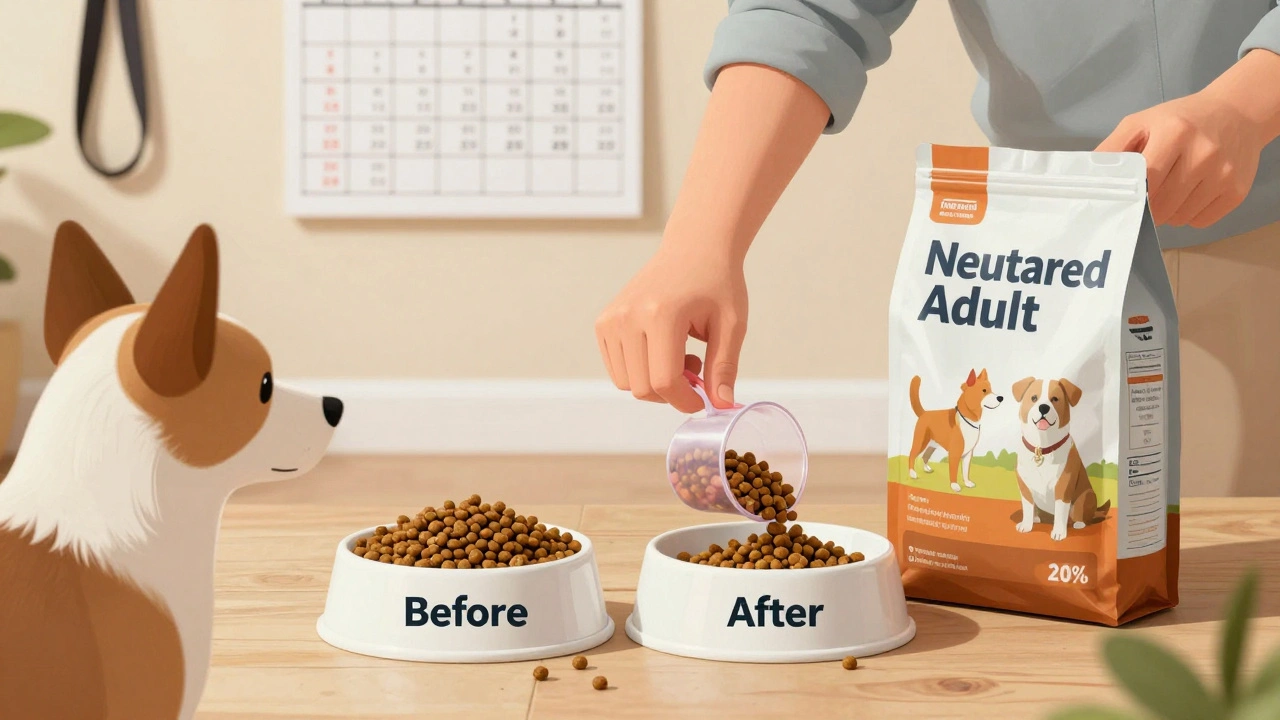
- Reduce calories by 20-25%-This is the sweet spot for most dogs. If you were feeding 2 cups of kibble a day before, drop to 1.5 cups. Use a measuring cup-no guessing.
- Switch to a formula made for neutered dogs-Brands like Royal Canin Neutered Adult, Hill’s Science Diet Perfect Weight, and Purina Pro Plan Weight Management are designed with lower fat and higher fiber. These help your dog feel full without the extra calories.
- Avoid treats and table scraps-A single cheese stick can equal 10% of your dog’s daily calories. Replace treats with carrot sticks, green beans, or a few pieces of kibble from their daily portion.
- Feed twice a day, not once-Splitting meals helps stabilize blood sugar and keeps hunger pangs under control. Dogs that eat once a day are more likely to beg and overeat.
Check the label. Good dog food for neutered dogs lists protein as the first ingredient and has less than 12% fat. Avoid foods with corn, wheat, or soy as fillers. They add empty calories without real nutrition.
Portion Control Is Non-Negotiable
Even the best dog food won’t help if you’re overfeeding. Most owners think they’re feeding the right amount because they’re following the bag’s guidelines. But those guidelines are based on average activity levels-and most pet dogs are far less active than the model dog on the label.
Use your dog’s body condition score (BCS) instead. It’s a simple 9-point scale vets use. A score of 4-5 is ideal: you should be able to feel their ribs with light pressure, see a waist when looking from above, and notice a tuck in their belly when viewed from the side. If their ribs are hard to feel or their waist is gone, they’re overweight.
Here’s a real example: A 50-pound Labrador Retriever on a standard adult formula was eating 2.5 cups daily. After neutering, the owner cut back to 1.75 cups and switched to a weight management formula. Within 8 weeks, the dog lost 4 pounds and went from a BCS of 7 to 5. No exercise changes-just food.
Exercise Still Matters-Even If They’re Not Super Active
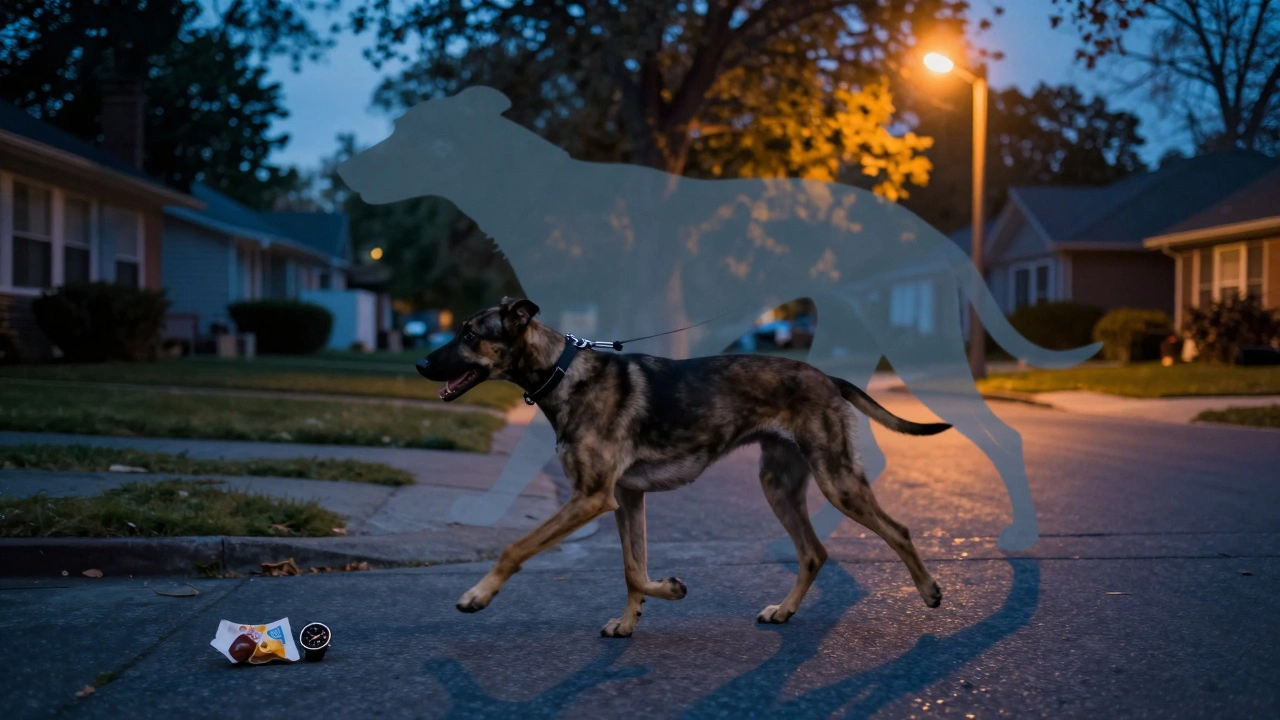
You don’t need to run marathons with your dog. But movement is still key. Aim for at least 30 minutes of activity every day. A brisk walk, a game of fetch, or even 15 minutes of indoor play counts.
For older dogs or those with joint issues, swimming or short sessions on a treadmill (with vet approval) can help. A 2024 study from the University of Florida found that neutered dogs who got daily walks of 20 minutes or more were 40% less likely to become obese than those who didn’t.
Don’t rely on the backyard. Most dogs don’t move enough just by wandering around. Structure matters. Plan walks like appointments. If you skip them, your dog’s metabolism slows down even more.
What Not to Do
There are a few common mistakes that make weight gain worse:
- Switching to "light" or "senior" food too soon-These are designed for older dogs with different needs. They often have even fewer calories, which can leave young neutered dogs feeling hungry and lethargic.
- Adding supplements like fish oil or joint support without cutting calories-These are healthy, but they add fat and calories. Adjust portions to account for them.
- Feeding free-choice-Leaving food out all day leads to overeating. Time-fed meals help control intake.
- Assuming it’s just "a little extra weight"-Extra pounds put stress on joints, increase diabetes risk, and shorten lifespan. Even 5 extra pounds on a 40-pound dog is 12.5% body fat increase.
Monitoring Progress: What to Track
Don’t guess whether the changes are working. Track two things:
- Weekly weigh-ins-Use the same scale, same time of day (before breakfast). A 1-2% weight loss per week is ideal.
- Body condition score-Check every 2 weeks. If their ribs are still hard to feel after 4 weeks, cut portions by another 5-10%.
Keep a log. Even a simple note on your phone helps. If you notice their energy drops or they start begging more, it might mean you cut too much. Adjust slowly-small changes over time work better than big jumps.
When to Call the Vet
If your dog gains weight fast-more than 10% of their body weight in under 3 months-or if they seem unusually tired, thirsty, or hungry, talk to your vet. Rarely, weight gain after neutering can signal thyroid issues or other hormonal imbalances. A simple blood test can rule those out.
Also, if you’ve followed all the steps for 3 months and your dog still won’t lose weight, ask about a prescription diet. Vets have access to formulas with higher protein and fiber that help dogs lose fat without losing muscle.
Real Results, Real Dogs
A friend in Portland had a 70-pound Golden Retriever named Max. After neutering, he went from 70 to 82 pounds in 5 months. She switched to Hill’s Perfect Weight, cut portions to 1.5 cups twice a day, and added two 20-minute walks. Six months later, Max weighed 71 pounds. He had more energy, slept better, and stopped panting after short walks.
Another case: a 12-year-old Shih Tzu who gained 3 pounds after being neutered. Her owner started feeding her 1/4 cup of Royal Canin Neutered Adult twice daily and replaced treats with frozen peas. In 10 weeks, she lost the extra weight and stopped snoring at night.
These aren’t miracles. They’re simple, consistent changes. Dogs don’t need complicated diets. They need the right amount of the right food, at the right time.
Final Thought: It’s About Long-Term Health
Neutering gives your dog a longer, healthier life. Don’t let weight gain undo that. The goal isn’t to keep them skinny-it’s to keep them lean. A lean dog lives longer, moves easier, and has fewer vet bills. With a little attention to food and activity, you can make sure your dog stays in that sweet spot for years to come.