Most dog owners know something’s off when their pup won’t stop scratching or starts shaking their head like crazy. But figuring out if it’s just a bad day or something serious? That’s where a quick at-home health check can save you time, stress, and maybe even your dog’s health. You don’t need a vet’s license to spot early warning signs. With just a few minutes a week, you can catch problems before they turn into emergencies.
Check Your Dog’s Ears Like a Pro
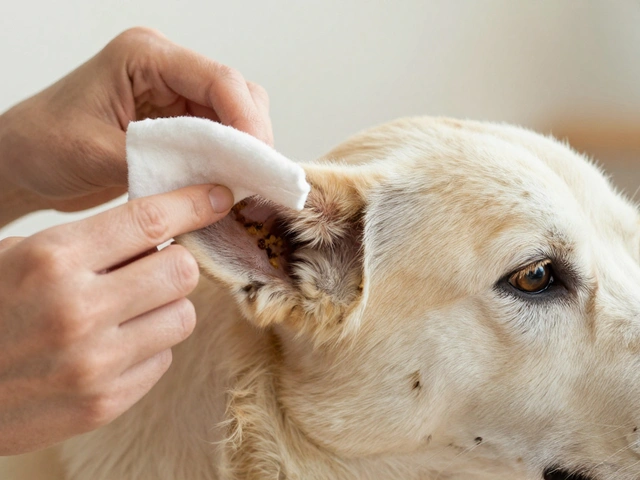
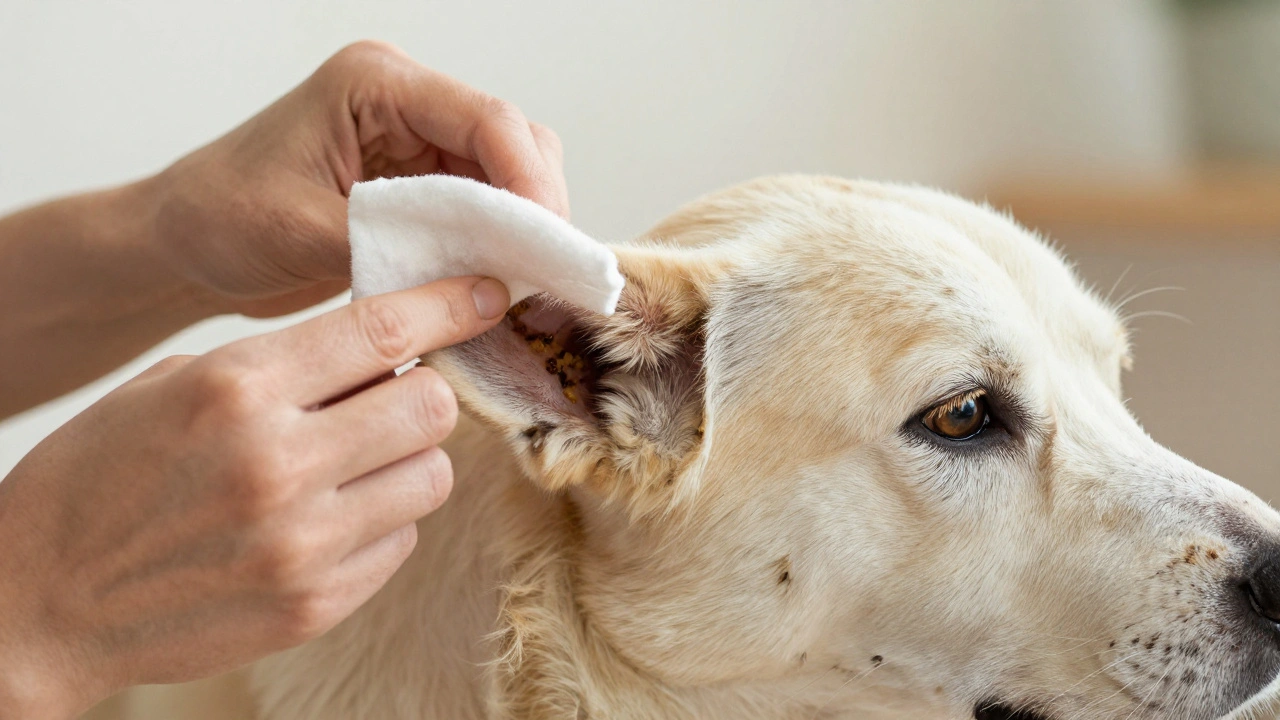
Dog ears are dark, warm, and moist - perfect for bacteria and yeast to thrive. A little wax is normal. A strong odor, dark discharge, or redness? That’s not. Start by gently lifting the ear flap. Look for any buildup that looks like coffee grounds or dark brown gunk. That’s often yeast. A thick, yellowish pus means bacteria are winning. If your dog flinches when you touch their ear or keeps tilting their head to one side, don’t wait. Those are red flags.
Don’t stick cotton swabs deep inside. You can accidentally push debris further in or puncture the eardrum. Instead, use a damp cotton ball or soft cloth with a vet-approved ear cleaner. Gently wipe the visible parts of the ear canal. If you notice hair growing deep inside the ear canal, that’s fine - it’s natural. But if it’s matted or there’s a sudden loss of hair around the ear, talk to your vet. Some breeds like Cocker Spaniels and Basset Hounds need weekly checks. Others? Once every two weeks is enough.
Look Closely at Your Dog’s Eyes
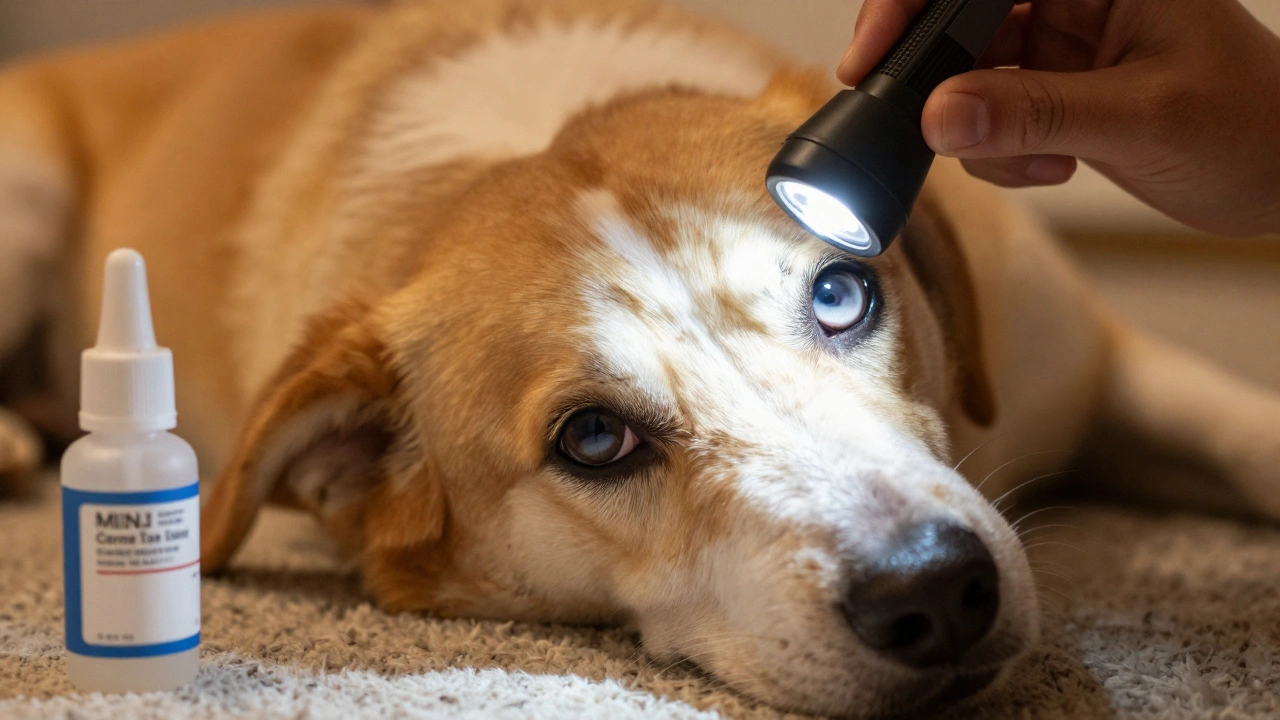
Your dog’s eyes should be clear, bright, and mostly white around the iris. Cloudiness, redness, or a milky film? Those aren’t just signs of aging. Glaucoma, cataracts, and uveitis can develop fast. Watch for excessive tearing, crusty gunk in the corners (especially if it’s green or yellow), or your dog rubbing their face on the carpet. Squinting in low light? That’s pain.
Hold a flashlight close to their face - not in their eyes - and check for symmetry. Are both pupils the same size? Is one eye bulging? Even small changes matter. Dust or grass seeds can get stuck under the eyelid. Gently pull down the lower lid and look for anything lodged there. If you see it, don’t try to yank it out. Wet a cotton swab with saline and let it float loose. If it doesn’t come out easily, get help.
Also, check the third eyelid. That’s the pale membrane that slides across the eye from the inner corner. If it’s visible more than a sliver, your dog might be sick, stressed, or dehydrated. A fully exposed third eyelid in one eye? That’s a sign of nerve issues or eye injury. Don’t ignore it.
Teeth and Gums: The Silent Crisis
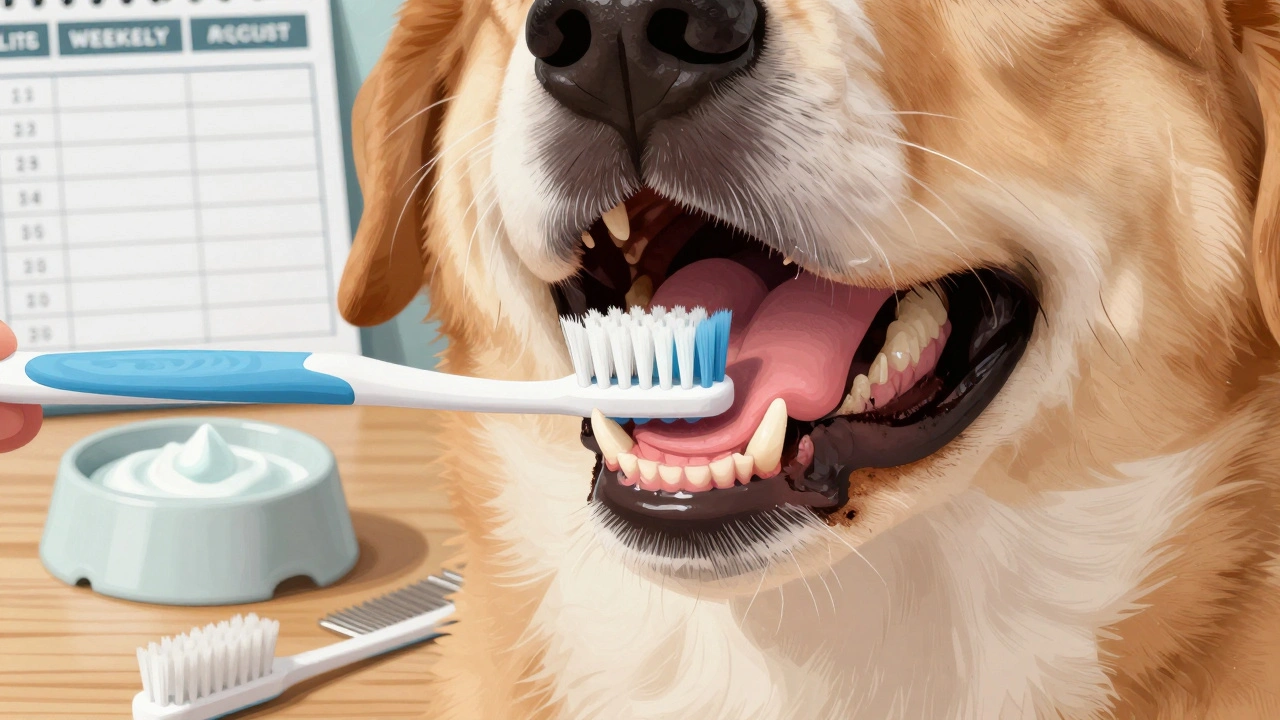
Over 80% of dogs over age three have some form of periodontal disease. That’s not just bad breath. It’s infected gums, loose teeth, and bacteria leaking into the bloodstream. Start by lifting the lip. Look at the gums. Healthy gums are pink, not red or pale. Press gently - if they bleed or look swollen, you’ve got gingivitis. Tartar looks like yellow or brown crust along the gumline. That’s not just ugly - it’s dangerous.
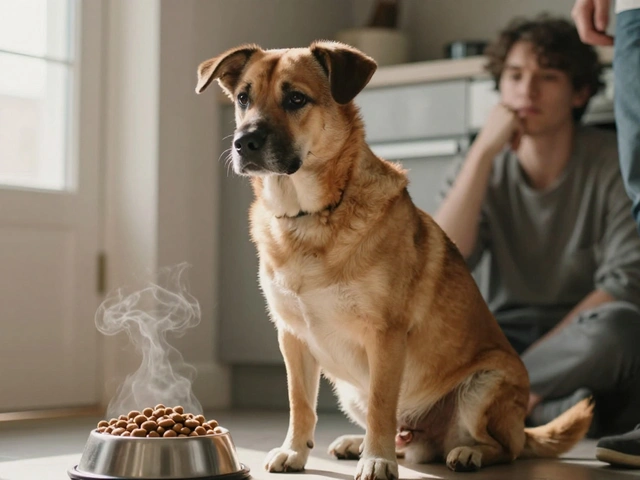
Smell their breath. A sweet, fruity odor? That could be diabetes. A metallic smell? Could mean internal bleeding. Rotting meat? That’s advanced infection. Check between the teeth. Food stuck there isn’t just a snack - it’s a bacterial colony. Use a soft toothbrush and dog-specific toothpaste. Human toothpaste has xylitol, which is deadly to dogs. Brush three times a week. If your dog hates it, start with a finger brush. Reward with treats after. Some dogs need professional cleanings, but regular brushing cuts vet bills by half.
Skin and Coat: More Than Just Fur
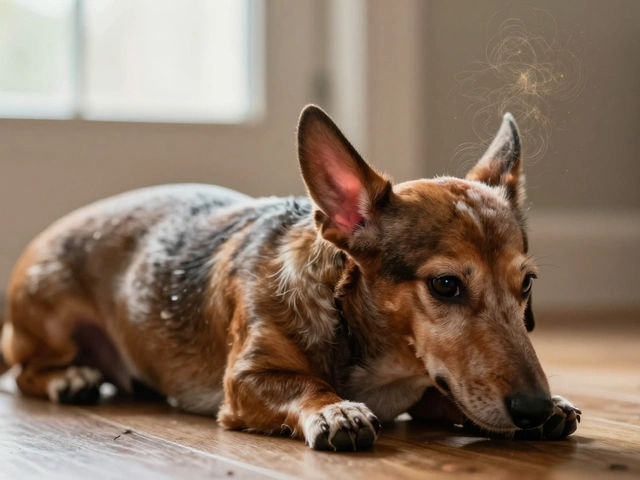
Flaky skin? Red patches? Bald spots? It’s easy to blame allergies, but it could be fleas, mites, fungal infections, or even thyroid issues. Run your fingers through their coat, not just to pet them - to feel. Are there lumps? Bumps? Hot spots? Pay attention to areas under the armpits, belly, and between the toes. That’s where infections hide.
Use a fine-toothed comb and go over their back and sides. Look for tiny black specks. That’s flea dirt. Put it on a wet paper towel. If it turns red, it’s flea poop. That means live fleas are nearby. Also, check for dry, flaky skin. If it’s just winter dryness, a humidifier and omega-3 supplements help. If it’s scaly, crusty, and spreading? That’s ringworm or mange. Both need vet treatment.
Watch for changes in behavior. Constant licking of paws, rubbing their rear on the floor, or chewing at their tail? That’s not boredom. That’s itchiness so bad they’re self-harming. Food allergies often show up as skin issues before digestive problems. Switching diets can help, but only after ruling out parasites and infections.
What to Track: The Simple Checklist
Keep a small notebook or use your phone. Write down:
- When you last checked ears - and what you saw
- Any eye discharge, color, or cloudiness
- Changes in breath smell or gum color
- New lumps, scabs, or hair loss
- Any behavioral changes - scratching, head shaking, lethargy
Do this once a week. You’ll start noticing patterns. If your dog always shakes their head after baths? Maybe water’s getting trapped. If their gums turn pale after eating chicken? Could be an allergy. Tracking isn’t just helpful - it’s diagnostic gold.
When to Call the Vet
You don’t need to panic at every little thing. But here’s when to act fast:
- Ear: Foul smell + head tilt + crying when touched
- Eye: Cloudy lens, bulging, or sudden blindness
- Teeth: Bleeding gums, loose teeth, or refusal to eat
- Skin: Open sores, oozing, or hair loss in patches
These aren’t "wait and see" situations. They’re emergencies. Delaying care can lead to permanent damage - like hearing loss from untreated ear infections or organ damage from dental bacteria.
Prevention Beats Treatment
Keep your dog’s ears dry after swimming or bathing. Use a vet-recommended ear cleaner weekly if they’re prone to infections. Brush their teeth regularly - even 30 seconds a day helps. Feed them dental chews with the VOHC seal (Veterinary Oral Health Council). Avoid table scraps that stick to teeth. Use monthly flea prevention - even indoor dogs get fleas. And don’t skip annual vet exams. Your at-home checks are powerful, but they’re not replacements. They’re your early warning system.
Healthy dogs don’t just happen. They’re the result of small, consistent actions. You don’t need to be a vet. You just need to look. And care enough to act.
How often should I check my dog’s ears, eyes, teeth, and skin?
Check ears once a week, especially if your dog has floppy ears or swims often. Eyes should be glanced at daily - just a quick look when you say hello. Teeth need brushing three times a week, with a visual check every few days. Skin and coat checks are best done weekly during grooming or petting time. Consistency matters more than perfection.
Can I use human ear cleaner or toothpaste on my dog?
No. Human ear cleaners can disrupt your dog’s natural pH balance and cause irritation. Human toothpaste contains xylitol, which is toxic to dogs, even in small amounts. Always use products made specifically for dogs. They’re pH-balanced and safe if swallowed.
My dog has bad breath - is it just from their food?
Bad breath can come from food, but persistent odor usually points to dental disease. A sweet smell might mean diabetes. A rotten, metallic smell can signal internal bleeding or kidney failure. If brushing doesn’t help in a week, see your vet. Dental disease is the most common untreated illness in dogs.
What’s the difference between dandruff and dry skin in dogs?
Dandruff looks like white flakes that fall off easily. Dry skin is often red, flaky, and itchy. Dandruff can be normal in some breeds, but if it’s sudden or accompanied by hair loss, it’s likely a parasite, allergy, or infection. Dry skin from winter air improves with humidity and omega-3s. Dry skin from illness doesn’t get better without treatment.
Can I tell if my dog has an eye infection at home?
Yes. Signs include green or yellow discharge, squinting, redness around the eye, swelling, or cloudiness. If your dog is pawing at their eye or avoiding light, it’s likely an infection. Don’t try to treat it with over-the-counter drops. Eye infections can worsen quickly and cause blindness. Always see a vet.