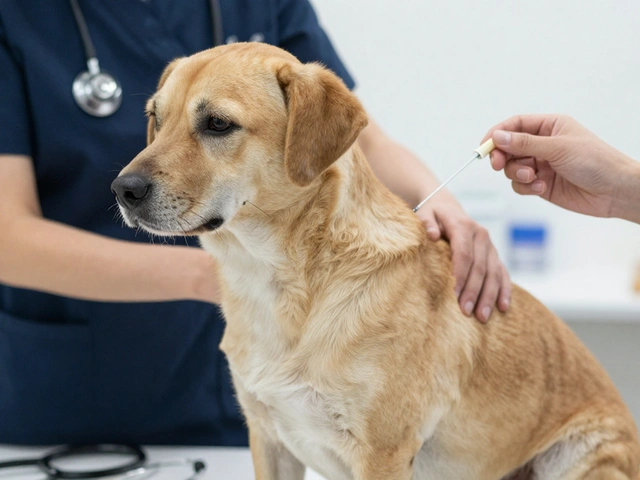
Dog scratching is more than just annoying; it’s a sign that something is wrong. If your pup has dry patches, red ears, or seems to be chewing their paws constantly, you might be dealing with canine skin allergies, also known as atopic dermatitis. While antihistamines and steroids are common go-to treatments, many owners are turning to nutrition for long-term relief. Specifically, they are looking at omega-3 fatty acids.
But does adding fish oil to your dog's kibble actually stop the itch? Or is it just another expensive supplement that sits on the shelf? The short answer is yes, but only if you use the right type, in the right amount, and with realistic expectations. Omega-3s don't cure allergies overnight. Instead, they change how your dog's immune system talks to their skin, reducing inflammation from the inside out.
Why Omega-3s Matter for Itchy Skin
To understand why omega-3s help, we have to look at what happens during an allergic reaction. When your dog encounters an allergen-like pollen, dust mites, or certain proteins in their food-their immune system overreacts. This triggers inflammation, which causes that familiar itch-scratch cycle.
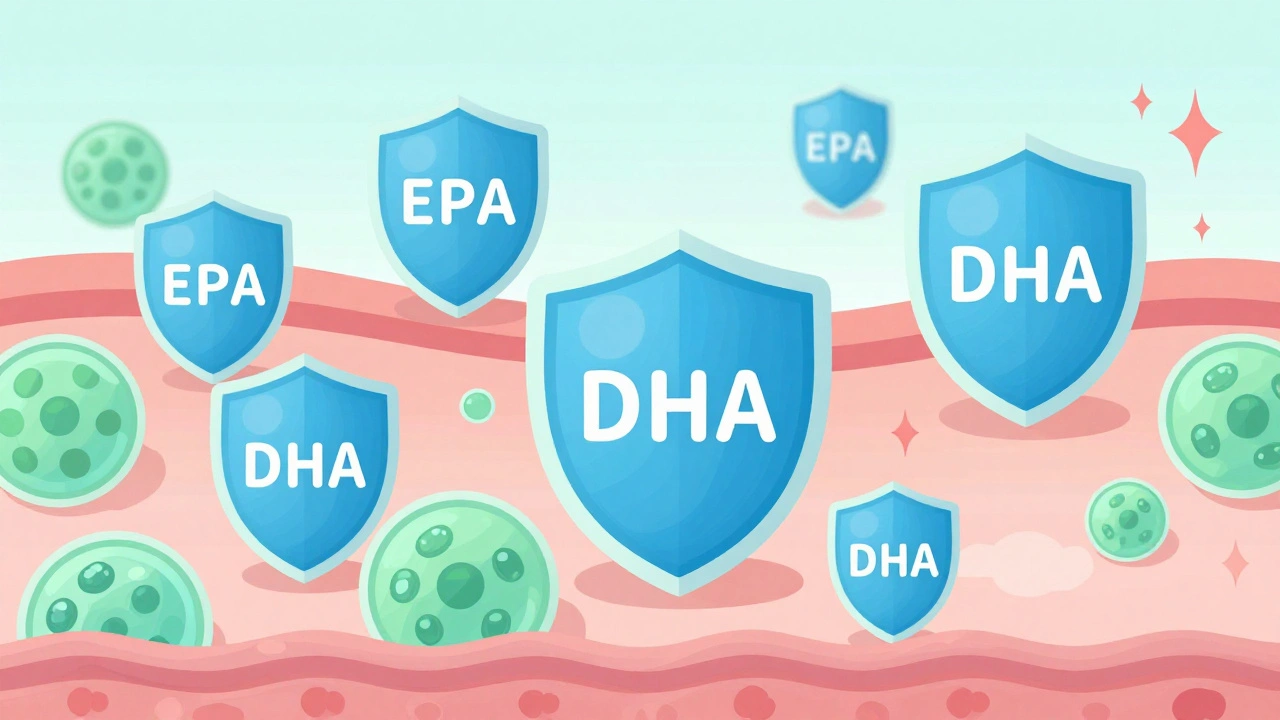
Omega-3 fatty acids are essential fats that your dog cannot produce on their own. They must get them from their diet. The two most important types for dogs are EPA (eicosapentaenoic acid) and DHA (docosahexaenoic acid). EPA is the heavy lifter here. It competes with inflammatory compounds in the body, essentially calming down the immune response that leads to skin irritation.
Think of it like this: if inflammation is the fire, omega-3s aren't the water bucket. They’re more like the smoke alarm that prevents the sprinklers from going off unnecessarily. Studies published in the Veterinary Dermatology journal have shown that dogs supplemented with high-quality fish oil showed significant improvement in clinical signs of atopic dermatitis compared to those who received placebo oils.
EPA vs. DHA: Which One Does Your Dog Need?
You’ll see both EPA and DHA listed on every bottle of fish oil. While they work together, they serve different primary functions. For skin issues, EPA is the star player. It directly modulates the production of pro-inflammatory cytokines. DHA, on the other hand, is crucial for brain development and cognitive function, especially in puppies and senior dogs.
If you buy a cheap "fish oil" supplement designed for human joint health, it might be low in EPA. Human supplements often prioritize DHA for brain health. For your dog’s skin, you need a product specifically formulated for pets with a higher EPA ratio. Look for labels that explicitly state the amounts of EPA and DHA per capsule or milliliter, not just the total weight of the oil.
- EPA: Primary anti-inflammatory agent for skin and joints.
- DHA: Supports brain health, vision, and fetal development.
- ALA (Alpha-linolenic acid): Found in plant sources like flaxseed. Dogs convert ALA to EPA/DHA very inefficiently. It is not a reliable substitute for marine-based omega-3s.
Fish Oil vs. Algae Oil: Choosing the Source
The most common source of omega-3s is fish oil, derived from oily fish like salmon, anchovies, and sardines. However, not all fish oil is created equal. Low-quality oils can contain heavy metals, PCBs, and other toxins accumulated by the fish. Always choose a brand that undergoes third-party testing for purity.
An alternative gaining popularity is algae oil. Algae is the original source of omega-3s in the ocean; fish eat algae to get these fats. By extracting oil directly from algae, you bypass the fish entirely. This offers several benefits:
- Purity: Less risk of mercury or environmental contaminants.
- Sustainability: Reduces pressure on wild fish populations.
- Vegan Option: Ideal for owners who prefer plant-based supplements for ethical reasons.
While algae oil is excellent, some studies suggest that marine-derived EPA may be slightly more bioavailable for dogs. If your dog has a sensitive stomach or you are concerned about sustainability, algae oil is a fantastic choice. Otherwise, high-quality wild-caught fish oil remains the gold standard for potency.
| Source | EPA Content | Risk of Contaminants | Best For |
|---|---|---|---|
| Wild Fish Oil | High | Low (if purified) | Maximum anti-inflammatory effect |
| Algae Oil | Moderate to High | Very Low | Sensitive stomachs, eco-conscious owners |
| Flaxseed Oil | Negligible (mostly ALA) | None | Not recommended for skin allergies |
How Much Omega-3 Should You Give Your Dog?
This is where most owners make mistakes. Giving too little does nothing. Giving too much can cause digestive upset or interfere with blood clotting. The general consensus among veterinary nutritionists is based on the combined amount of EPA and DHA.
A safe starting dose is approximately 55 mg of combined EPA/DHA per kilogram of body weight. For therapeutic effects in dogs with active allergies, some vets recommend up to 100 mg/kg/day. Let’s break this down for real-world scenarios:
- 10 lb dog (4.5 kg): Needs ~250 mg of EPA/DHA daily.
- 30 lb dog (13.6 kg): Needs ~750 mg of EPA/DHA daily.
- 60 lb dog (27 kg): Needs ~1,500 mg of EPA/DHA daily.
Check the label carefully. Many bottles list the total oil volume (e.g., 1000 mg) but bury the actual EPA/DHA content in small print. If a capsule contains 1000 mg of oil but only 300 mg of EPA/DHA, you need three capsules to hit the therapeutic dose for a large dog. Do not guess. Calculate based on the active ingredients.
Signs That Omega-3s Are Working
You won’t see results after one day. Omega-3s build up in the cell membranes over time. Most owners notice changes within 4 to 8 weeks of consistent supplementation. Here is what improvement looks like:
- Reduced Scratching: Your dog stops mid-scratch less frequently.
- Shiny Coat: Fur looks less dull and brittle.
- Less Redness: Hot spots and inflamed areas begin to fade.
- Improved Digestion: Surprisingly, omega-3s also support gut health, which is linked to immune function.
If you don’t see any improvement after two months, the issue might not be inflammatory enough to respond to omega-3s alone, or the dose was too low. In that case, consult your vet about combining supplements with other therapies like immunotherapy or prescription diets.
Potential Side Effects and Risks
Omega-3s are generally safe, but they are not without risks. The most common side effect is gastrointestinal upset. Some dogs experience soft stools or diarrhea when first introduced to fish oil. To avoid this, start with half the recommended dose and gradually increase it over two weeks.
Another concern is oxidation. Fish oil goes rancid quickly once exposed to air. Rancid oil is not just useless; it’s pro-inflammatory. Store your supplements in a cool, dark place, and preferably in the refrigerator. If the oil smells strongly of rotting fish, throw it away. Fresh fish oil should have a mild, pleasant scent.
Finally, be cautious if your dog is on blood-thinning medication. Omega-3s have a mild anticoagulant effect. If your dog is scheduled for surgery or takes drugs like aspirin, talk to your vet before starting high-dose omega-3s.
Combining Omega-3s with Other Treatments
Omega-3s work best as part of a holistic plan. They are not a magic bullet. For severe allergies, combine them with:
- Hypoallergenic Diets: Eliminate potential food triggers.
- Regular Bathing: Use medicated shampoos to remove environmental allergens from the skin.
- Immunotherapy: Allergy shots or drops that desensitize the immune system over time.
- Topical Sprays: For immediate itch relief while the omega-3s build up in the system.
By addressing the problem from multiple angles, you give your dog the best chance at living comfortably without constant itching.
Can I give my dog human fish oil supplements?
It is not recommended. Human supplements often lack the necessary EPA concentration for dogs and may contain additives like vitamin E in forms that are toxic to canines. Additionally, dosing is difficult because human pills are standardized for adult humans, not animals. Always use products specifically formulated for pets.
How long does it take for omega-3s to help dog allergies?
You typically need to wait 4 to 8 weeks to see noticeable improvements in skin condition and itching. Omega-3s work by integrating into cell membranes, a process that takes time. Consistency is key; missing doses will delay results.
Is flaxseed oil good for dog skin allergies?
No. Flaxseed oil contains ALA, which dogs cannot efficiently convert into the active forms EPA and DHA. Marine-based sources like fish or algae oil are significantly more effective for treating inflammatory skin conditions.
What are the signs that fish oil has gone bad?
Rancid fish oil smells pungent, sour, or like rotting seafood. Fresh oil should have a mild, clean fishy smell. If you notice a strong odor, discard the bottle immediately, as oxidized oils can worsen inflammation rather than help it.
Can omega-3s replace allergy medications?
For mild cases, omega-3s might reduce the need for frequent medication. However, for moderate to severe atopic dermatitis, they should be used as a complementary therapy alongside prescribed treatments like Apoquel, Cytopoint, or immunotherapy, not as a sole replacement.