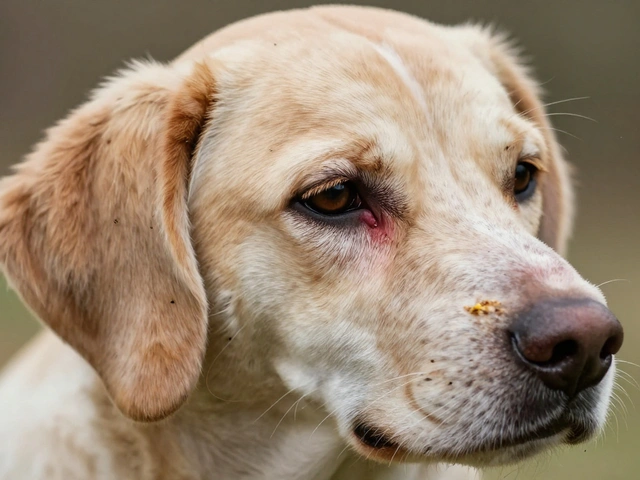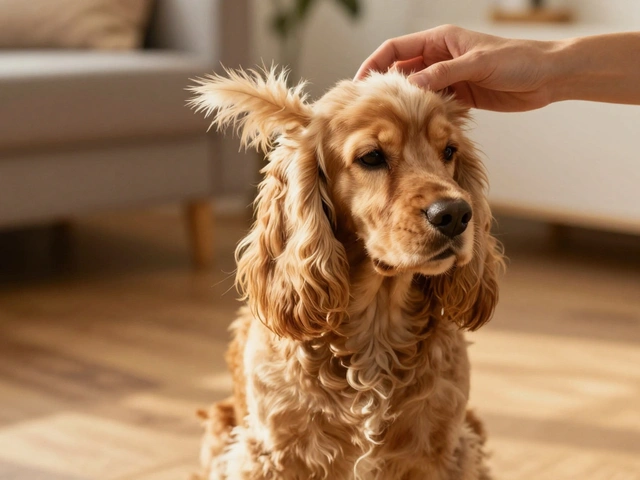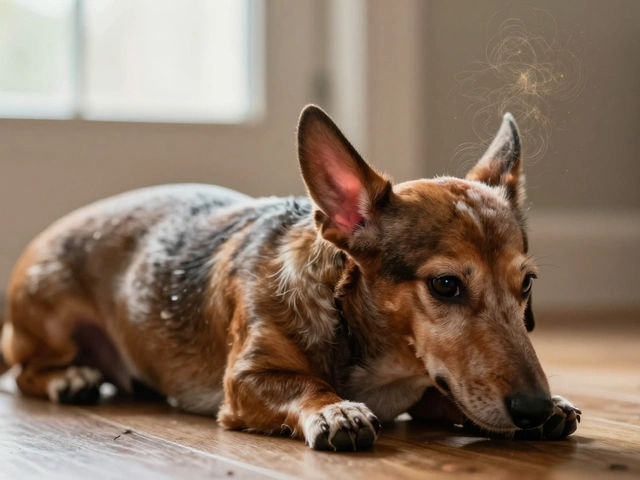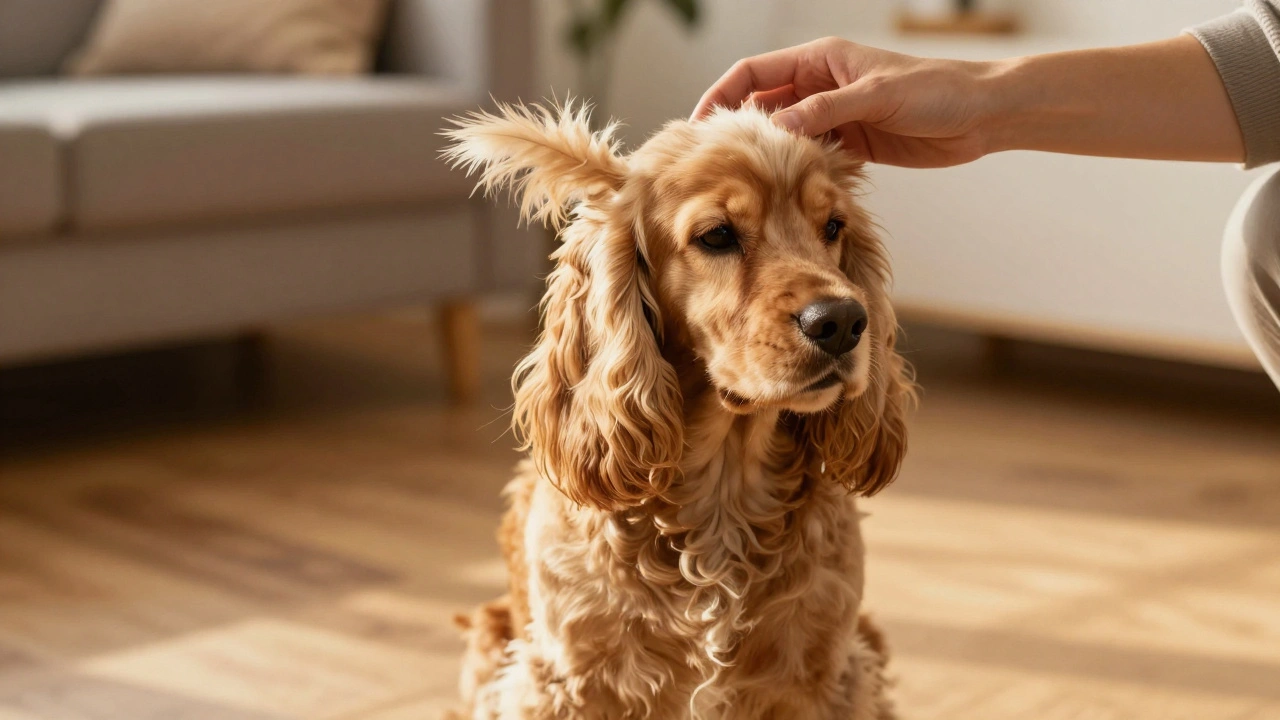
Your dog's ears tell you more than you think. A little scratch here, a shake there, and a slight redness might mean the start of trouble before a full-blown infection sets in. Keeping ears clean isn't just about looking tidy; it prevents the dark, damp environments where yeast and bacteria love to grow. While many people reach for liquid cleaners, ear powders and pre-moistened wipes offer a simpler, mess-free approach that many dogs tolerate better.
The Difference Between Powders and Wipes
Not all cleaning tools work the same way. You've likely seen bottles of liquid cleaner at the vet, but powders and wipes serve distinct purposes depending on your dog's coat type and ear shape. Understanding the mechanics helps you choose the right tool for the job without causing unnecessary irritation.
| Cleaning Method | Best For | Mechanism | Dry Time |
|---|---|---|---|
| Ear Powder | Damp folds, Heavy Coat | Absorbs moisture | Instant |
| Ear Wipes | Light maintenance, Travel | Lifts debris mechanically | Varying (moist) |
| Liquid Drops | Deep wax removal, Medicated | Softens and flushes | Needs drying time |
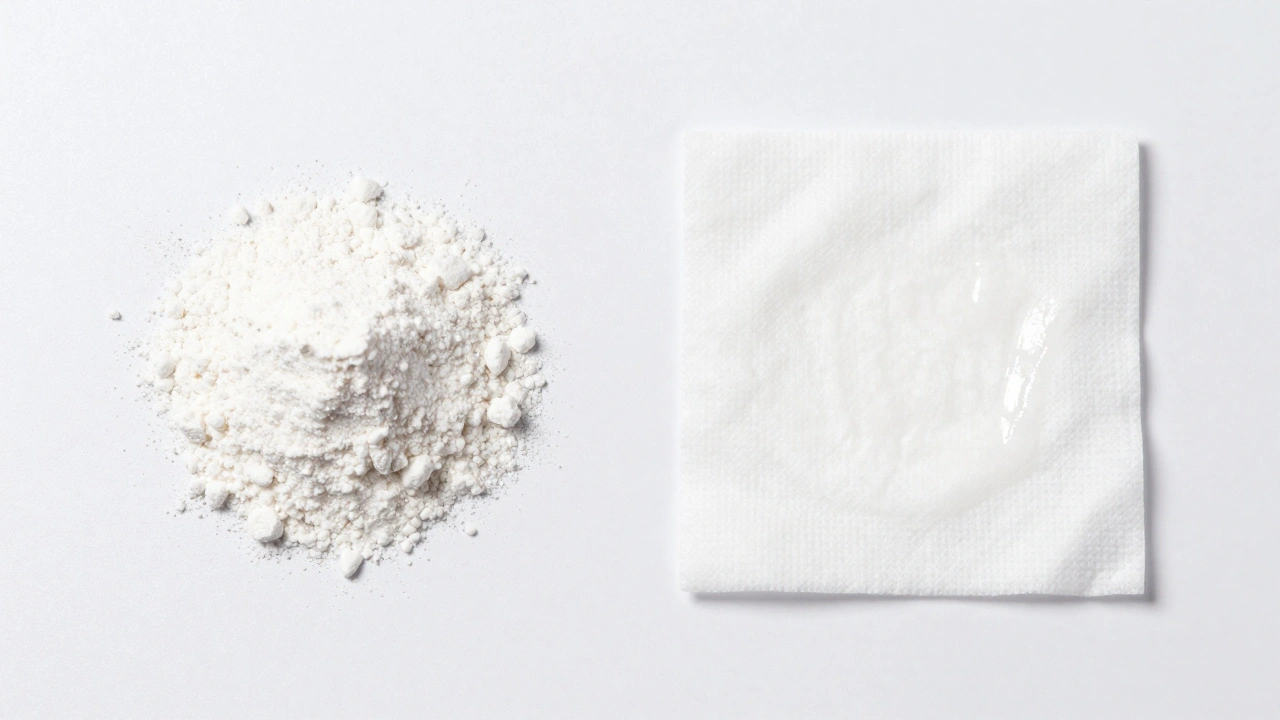
Ear powders act differently than liquids. Instead of adding moisture, they absorb it. This makes them ideal for dogs with heavy skin folds, like Spaniels or Shar Peis, where trapped humidity encourages yeast growth. The powder often contains antifungal agents like miconazole or soothing ingredients like oatmeal. When you apply it to the ear canal entrance or the skin fold, it creates a dry barrier.
In contrast, disposable ear wipes are typically pre-soaked in a mild cleanser. They provide a mechanical cleaning action, physically lifting dirt, pollen, and soft wax off the surface of the ear flap. They don't penetrate deep into the canal as easily as drops do, making them excellent for surface hygiene.
When to Reach for Specific Products
Timing matters just as much as the product choice. You wouldn't use a towel to wash a muddy car; similarly, you shouldn't use powder on already wet, infected ears without drying them first.
If your dog swims regularly or lives in a humid climate, moisture accumulation is the enemy. In this scenario, ear powder is your best friend after a bath or walk through dewy grass. Simply sprinkle it lightly on the ear flap and let it sit for a few minutes. It pulls the water out of the skin pores.
If you notice visible grime or a brownish tint around the rim of the ear, ear wipes work well for routine grooming. They are less messy than liquids and require no shaking head afterward. However, if your dog is scratching persistently, has a foul odor, or if the ear looks swollen inside, avoid wipes. These symptoms suggest an active infection where the ear lining is fragile. In those cases, consult your veterinarian before applying anything else.
Breed anatomy plays a massive role here. Dogs with upright ears, like German Shepherds, usually have great airflow and rarely need aggressive cleaning. Dogs with floppy ears, like Cocker Spaniels, need weekly maintenance. The anatomy of the horizontal ear canal traps heat and debris naturally, so the cleaning frequency increases significantly for these breeds.
Step-by-Step Application Guide
Cleaning your dog's ears doesn't need to be a wrestling match. With the right technique, it becomes a bonding session. Follow these steps to ensure safety and effectiveness.
- Inspect First: Lift the ear flap gently. Look for pinkness inside. If it looks red, stop and call the vet. If the skin is pale pink and clean, proceed.
- Select Your Tool: If using powder, shake it into your palm, not directly onto the ear. For wipes, peel one open carefully.
- Apply Gently: Sprinkle the powder over the base of the ear flap where skin meets fur. Massage it in lightly. Do not push deep into the ear canal.
- Wipe Down: With a wipe, wrap it around your finger. Wipe from the bottom of the ear upwards towards the opening, but never shove it down into the tube.
- Reward: Treats reinforce good behavior. Make sure your dog associates ear care with positive outcomes.
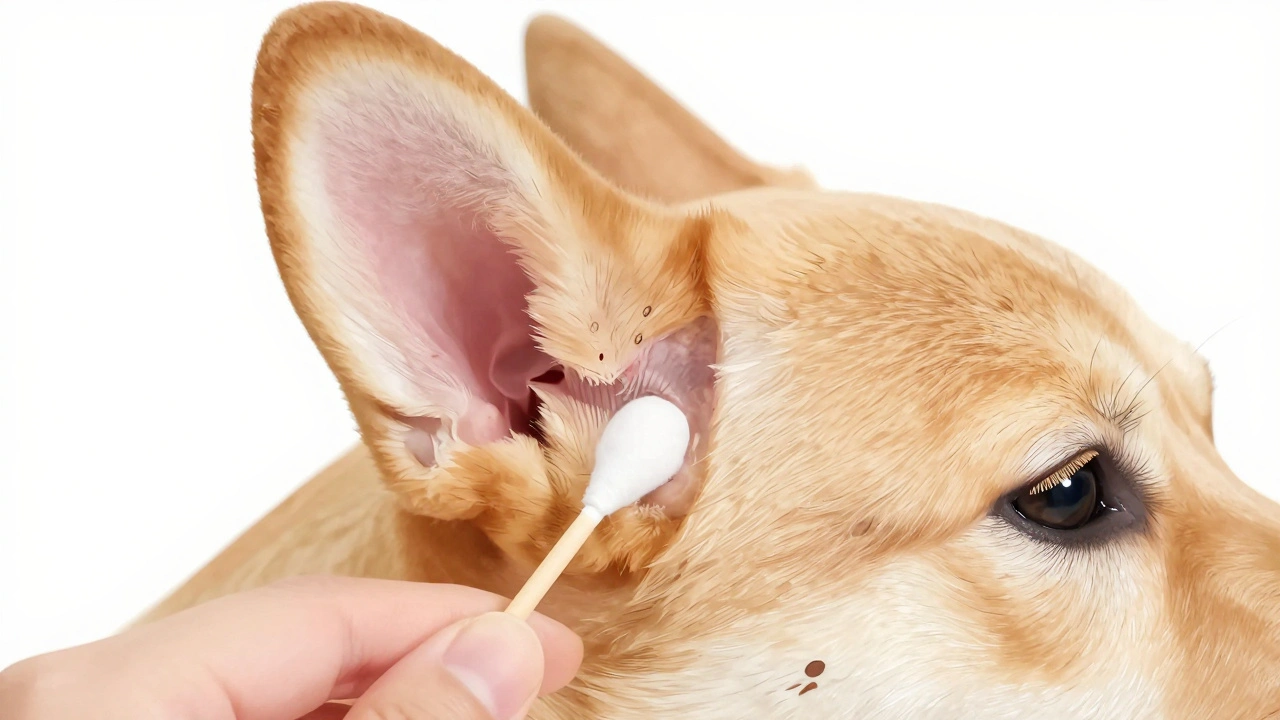
One critical safety rule: Never use cotton swabs or Q-tips. They compact wax deeper into the canal and risk perforating the eardrum. Stick to what you can see.
Safety Precautions and Common Pitfalls
Even gentle habits can go wrong if you misunderstand how a dog's ear works. The ear canal is shaped like an 'L', meaning it goes down and then turns inward. Anything pushed in stays in.
Avoid using products with alcohol or peroxide on broken skin. These sting intensely and can delay healing if micro-abrasions exist from scratching. Always check ingredient labels for potential allergens like essential oils, which some dogs react to poorly. Keep all powders away from your dog's eyes. Inhalation of fine powders during application can irritate the lungs, so aim low and use small amounts.
Over-cleaning is a real issue. Some owners treat a healthy ear with the same intensity as a dirty one, stripping the natural oils that protect the skin. Aim for once a week for high-risk breeds and once every two weeks for low-risk ones. Healthy ears should smell neutral, not sweet or medicinal.
Signs That Need Professional Help
You might try everything at home, and sometimes professional help is necessary. Watch for these specific signs that warrant a vet visit instead of home remedies.
- Discharge: Fluid leaking from the ear indicates inflammation or infection beyond superficial debris.
- Excessive Head Shaking: More than the occasional itch suggests pain or pressure in the middle ear.
- Sensitivity: Your dog flinches when you touch the base of the ear.
- Loss of Balance: Inner ear infections affect hearing and balance simultaneously.
Frequently Asked Questions
Can I use human baby powder on my dog's ears?
No. Human baby powder often contains talc or fragrances that are not safe for ingestion or mucous membranes. If your dog licks their paws or ears later, they ingest the chemicals. Always use powders specifically formulated for veterinary use.
How often should I clean my dog's ears?
This depends on breed. Floppy-eared breeds may need weekly checks, while pricked-ear breeds might only need monthly checks. Visual inspection is the best guide. If there is visible wax, clean it.
Frequency varies by breed lifestyle. Generally, inspect weekly and clean when visible debris appears rather than on a strict calendar schedule.
Why does my dog's ear smell bad?
A bad smell usually indicates an imbalance in the microbiome. Overgrowth of yeast or bacteria releases a musty or cheesy odor. Regular use of wipes or medicated sprays can help manage this until a vet checks the root cause.
Are ear wipes safe for puppies?
Yes, provided the wipes are unscented and non-alcoholic. Puppies have sensitive skin, so avoid harsh chemical preservatives commonly found in adult dog products.
Will ear powder kill ear mites?
Most standard powders dry moisture but do not kill mites. Mite infestations require specific parasitic medication prescribed by a vet, though keeping the area dry can inhibit their breeding environment.