Your dog’s bad breath isn’t just a nuisance; it’s often a signal of underlying periodontal disease. While brushing at home is essential for prevention, many dogs eventually need a professional intervention that goes beyond a quick scale removal. This is where professional dental cleaning comes in, typically performed under general anesthesia to ensure thoroughness and safety.
If you’re standing in the exam room wondering why your vet insists on putting your pet to sleep for this procedure, you’re not alone. It feels drastic for something as routine as teeth. But understanding the mechanics of why anesthesia is the gold standard can help you make an informed decision for your best friend’s long-term health.
Why Anesthesia Is Non-Negotiable for Thorough Care
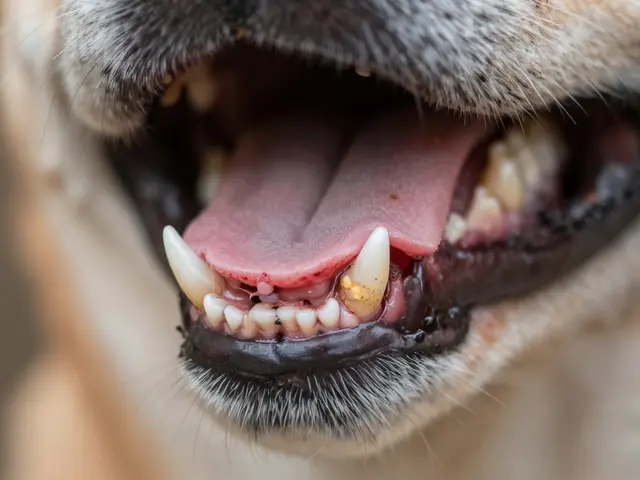
You might wonder if a quick wipe-down or a conscious scaling session could work. For most dogs, the answer is no. A true dental prophylaxis requires access to the subgingival areas-the pockets below the gumline where tartar hides and bacteria thrive. Without deep sedation or general anesthesia, a dog will move, swallow instruments, or simply refuse to open wide enough for the vet to see the back molars properly.
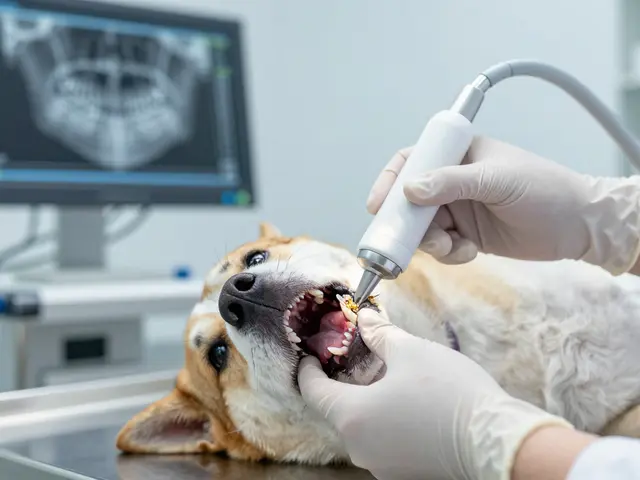
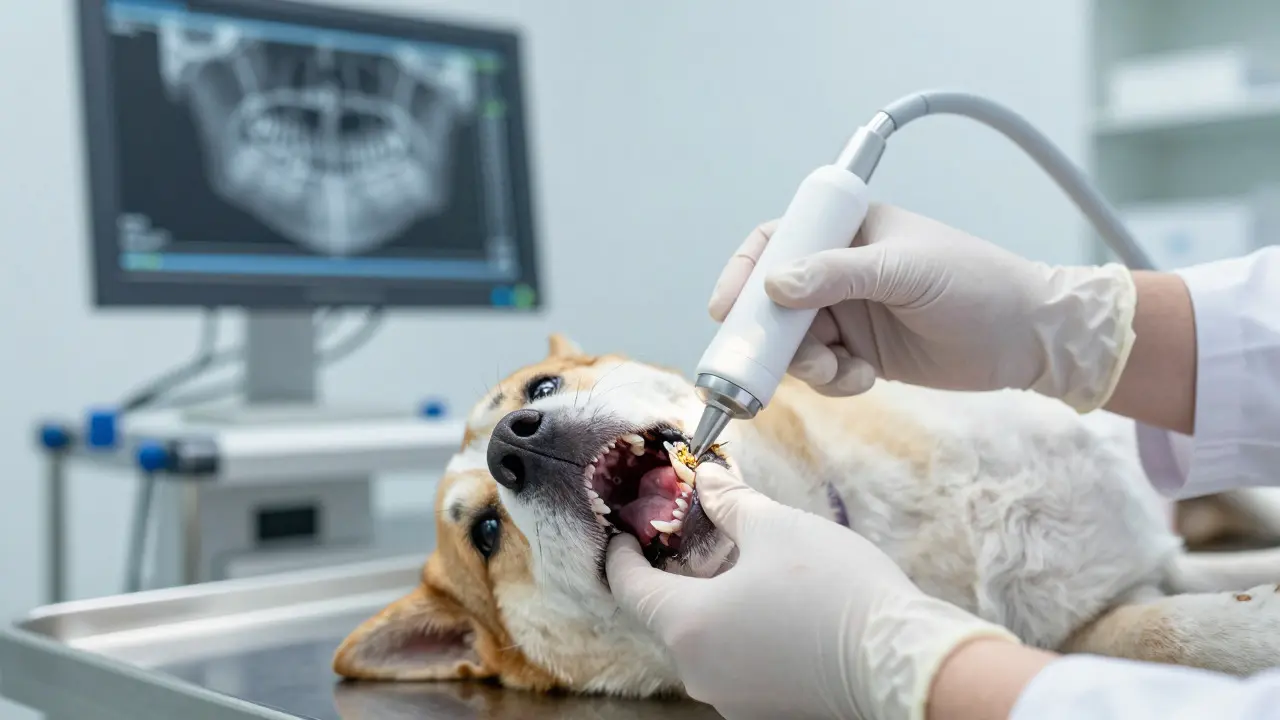
General Anesthesia is a state of controlled unconsciousness achieved through inhalant gases and injectable medications that suppresses pain, movement, and reflexes. In veterinary dentistry, this allows the clinician to perform ultrasonic scaling, hand instrumentation, and full-mouth digital radiography without the stress of a struggling patient. The goal isn’t just to clean the visible surfaces; it’s to treat the disease process before it leads to tooth extraction or systemic infection.
Consider the anatomy of a dog’s mouth. They have 42 adult teeth, and the premolars and molars are particularly prone to periodontal pockets. If a dog is merely sedated but awake, their gag reflex remains active. This makes it dangerous to use power scalers near the throat. Anesthesia turns off these protective reflexes safely, allowing the veterinary team to work with precision.
The Step-by-Step Process of a Dental Procedure
Knowing what happens behind the closed door can reduce anxiety for both you and your dog. The process follows a strict protocol designed to minimize risk and maximize hygiene.
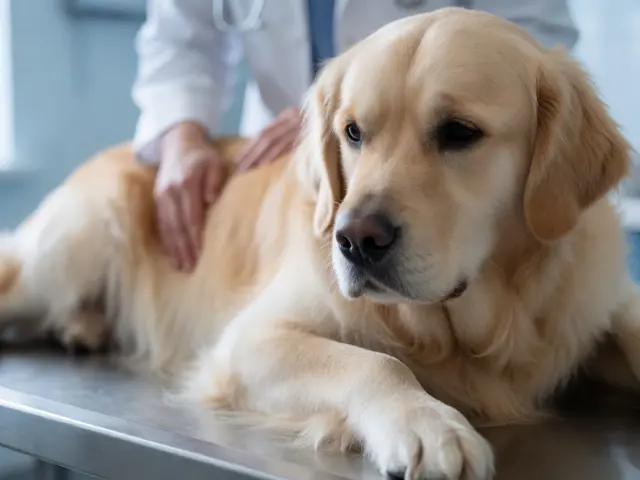
- Pre-Anesthetic Evaluation: Before any drugs are administered, your dog undergoes a physical exam. Bloodwork is usually required to check kidney and liver function, ensuring the organs can process the anesthetic agents safely.
- Placement of IV Catheter: A small tube is inserted into a vein, typically in the front leg or neck, to administer fluids and emergency medications quickly if needed.
- Induction and Intubation: Injectable drugs induce sleep, followed by the placement of an endotracheal tube (breathing tube) into the trachea. This protects the airway from saliva or vomit and allows delivery of inhalant anesthetics like Isoflurane, which is a volatile liquid gas used for maintaining anesthesia due to its rapid onset and offset.
- Full-Mouth Radiographs: Digital X-rays are taken of every quadrant. This step is crucial because up to 70% of dental problems occur below the gumline, invisible to the naked eye.
- Scaling and Polishing: Ultrasonic devices remove tartar above and below the gums. Hand curettes then smooth the root surfaces to prevent bacterial reattachment.
- Extractions or Treatments: If broken teeth or severe periodontal pockets are found, extractions are performed immediately while the dog is still anesthetized, avoiding a second surgery later.
- Recovery: The breathing tube is removed, and the dog is monitored until they wake up fully. Most dogs go home within two to four hours.
Anesthesia Risks vs. Benefits: The Data Perspective
Fear of anesthesia is common, especially for senior dogs or those with heart conditions. However, the risk profile has improved dramatically over the last two decades. Modern veterinary medicine uses multi-modal analgesia, meaning pain is managed with multiple drug classes rather than relying solely on opioids.
According to data from the American Veterinary Medical Association (AVMA), the risk of death during routine dental anesthesia in healthy dogs is less than 0.1%. When compared to the risks of untreated periodontal disease-which includes bacterial sepsis, kidney damage, and heart valve issues-the benefit of the procedure far outweighs the minimal risk.
For older dogs, the conversation shifts slightly. Pre-anesthetic bloodwork becomes even more critical. If a dog has chronic kidney disease, the vet may adjust fluid therapy rates and choose anesthetic protocols that are gentler on renal function. This personalized approach ensures that a 12-year-old lab can receive the same level of dental care as a 3-year-old beagle, provided their organ function is monitored closely.
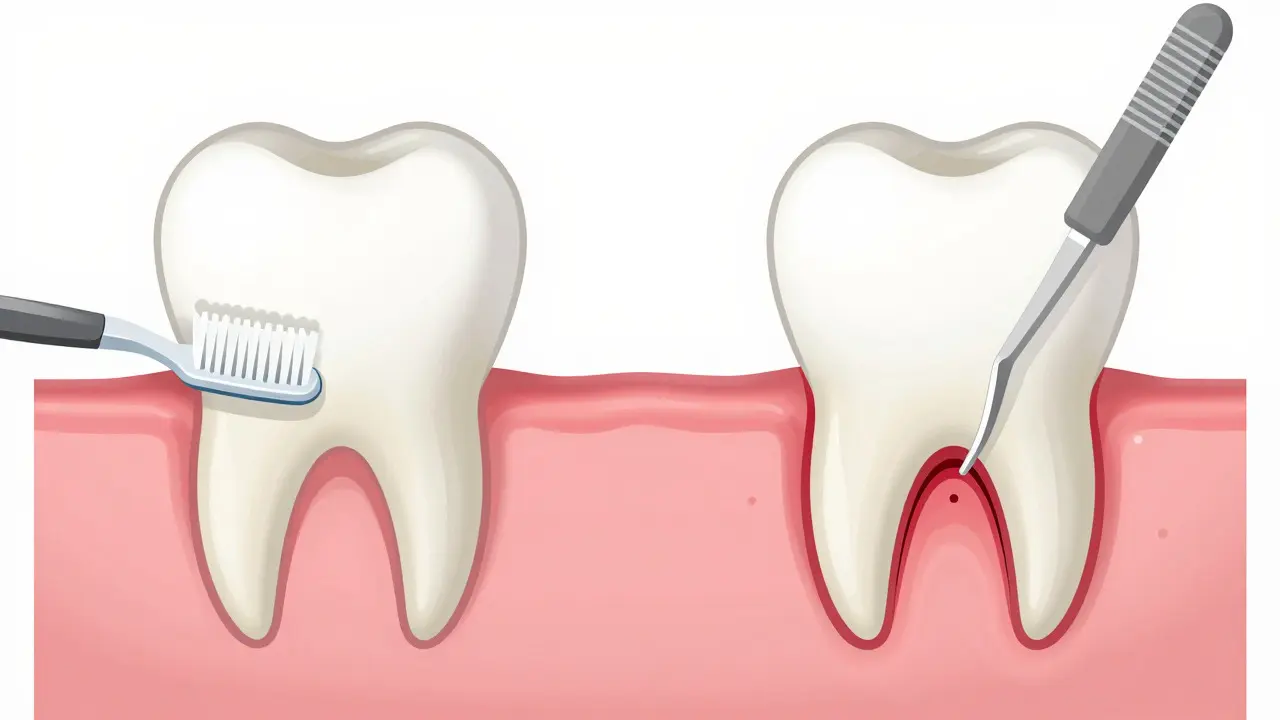
Comparing Home Care to Professional Intervention
Home brushing is the foundation of oral health, but it is not a replacement for professional cleaning. Here is how the two compare in terms of scope and effectiveness:
| Feature | Home Brushing & Chews | Professional Anesthetic Cleaning |
|---|---|---|
| Access Area | Crown only (above gumline) | Subgingival (below gumline) and roots |
| Detection Method | Visual inspection | Full-mouth digital radiography |
| Pain Management | None | Multi-modal analgesia |
| Frequency | Daily | Every 6-12 months (depending on risk factors) |
| Treatment Scope | Plaque prevention | Tartar removal, extraction, periodontal therapy |
Notice that home care prevents plaque from hardening into tartar, while professional care removes existing tartar and treats active disease. They are complementary, not interchangeable. A dog with perfect home hygiene still needs periodic professional checks to catch early-stage bone loss before it becomes irreversible.
Preparing Your Dog for the Day of Surgery
Proper preparation minimizes complications and speeds up recovery. Here is what you need to do:
- Fasting Instructions: Withhold food after midnight the night before the procedure. Water is usually allowed until morning unless specified otherwise. Fasting prevents regurgitation and aspiration pneumonia, which can be life-threatening.
- Medication Review: Inform your vet about any supplements, especially fish oil or NSAIDs (non-steroidal anti-inflammatory drugs). Some vets prefer to hold NSAIDs for 24-48 hours prior to surgery to reduce bleeding risk.
- Comfort Items: Bring a familiar blanket or toy. Familiar scents can help reduce stress during the recovery phase when the dog wakes up disoriented.
- Post-Op Plan: Arrange for someone to stay with your dog for the first evening. They may feel groggy or nauseous. Keep them quiet and restrict vigorous play for 24 hours.
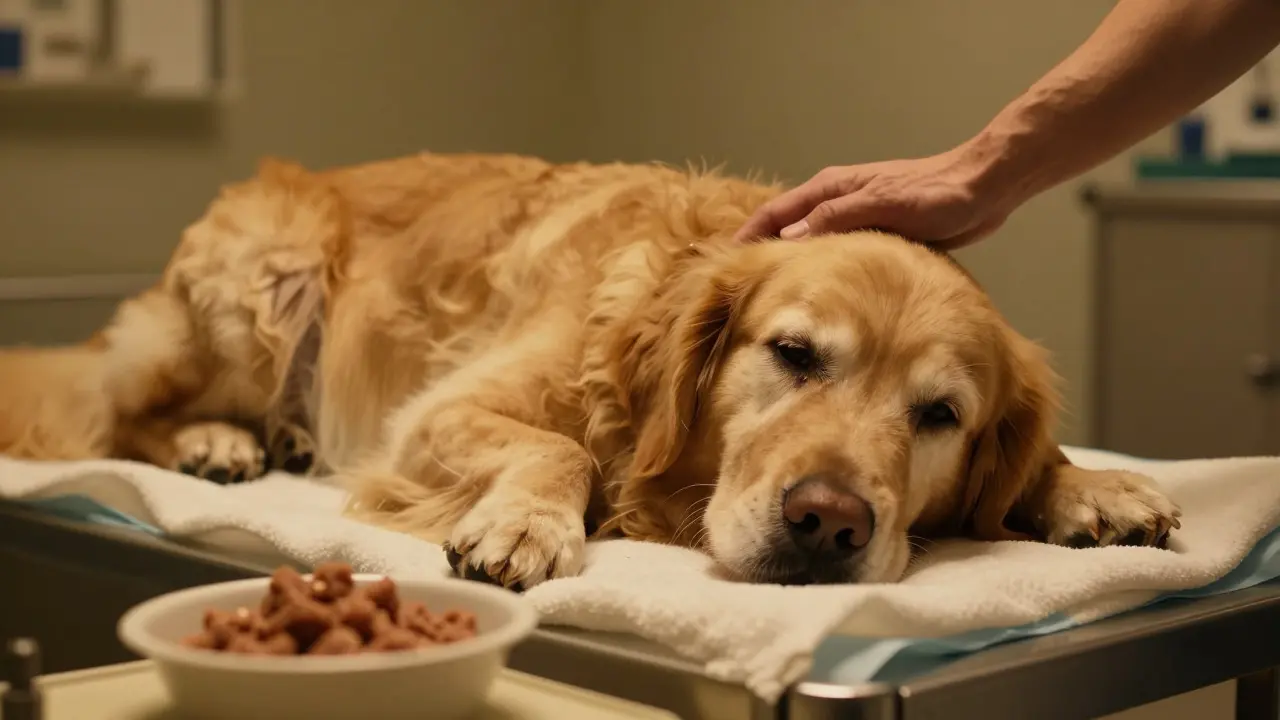
Common Myths About Canine Dental Anesthesia
Misinformation spreads quickly in pet owner communities. Let’s clear up a few persistent myths.
Myth 1: "If my dog is young and healthy, they don't need bloodwork."
While true that healthy young dogs have lower risks, baseline bloodwork is still recommended to establish normal values. If a complication arises, having pre-existing data helps the vet distinguish between new issues and pre-existing conditions.
Myth 2: "Anesthesia causes cognitive decline in seniors."
Recent studies suggest that short-term anesthesia does not cause long-term dementia in dogs. The confusion seen upon waking is temporary and related to the metabolization of drugs, not brain damage. In fact, untreated pain from dental disease can contribute to behavioral changes that mimic cognitive decline.
Myth 3: "The cleaning is just cosmetic."
Dental cleaning is medical. Tartar harbors bacteria like Porphyromonas gingivalis, which has been linked to cardiovascular and renal issues in humans and animals. Removing this biofilm is a preventive health measure, not just a cosmetic one.
What to Do After the Procedure
Recovery starts the moment your dog leaves the clinic. Follow these guidelines to ensure a smooth transition:
- Monitor Eating and Drinking: Appetite may return within a few hours. If your dog hasn’t eaten by the next morning, contact your vet.
- Check Incision Sites: If extractions were performed, look for excessive swelling or bleeding. Mild oozing is normal for the first 24 hours.
- Administer Pain Medication: Take the prescribed painkillers exactly as directed. Do not give human ibuprofen or aspirin, as these can be toxic to dogs.
- Soft Diet: Feed soft food or wet food for 3-5 days to avoid irritating healing gums. Avoid hard kibble or chew toys during this period.
- Follow-Up Appointment: Schedule a recheck in 7-10 days if extractions were done. This allows the vet to assess healing and suture removal if necessary.
Long-term maintenance is key. Ask your vet for a specific brushing schedule based on your dog’s breed size and gum health. Small breeds like Chihuahuas and Pugs are predisposed to crowding and tartar buildup, requiring more frequent professional cleanings than larger breeds like German Shepherds.
How long does a dog stay under anesthesia for a dental cleaning?
The actual time under inhalant anesthesia usually ranges from 45 minutes to two hours, depending on the number of teeth being treated and whether extractions are needed. Total hospital time, including pre-op prep and post-op recovery, is typically three to five hours.
Is dental cleaning under anesthesia safe for senior dogs?
Yes, provided they undergo proper pre-anesthetic bloodwork and physical examination. Senior dogs require careful monitoring of vital signs and adjusted fluid therapy, but the risk of untreated dental disease is significantly higher than the risk of modern anesthesia protocols.
Can I skip the X-rays to save money?
It is not recommended. Skipping X-rays means missing subgingival abscesses, fractured roots, or bone loss. Treating these issues later often costs more than the initial X-ray fee and may result in a second anesthetic event if the problem worsens.
How often should my dog have a professional dental cleaning?
Frequency depends on individual risk factors. Most dogs need a cleaning every 12 months. Breeds prone to periodontal disease or dogs with poor home care routines may need cleanings every 6 months. Your veterinarian will recommend a schedule based on your dog’s specific oral health status.
What foods should I avoid after a dental cleaning?
Avoid hard kibble, raw bones, and hard rubber toys for at least 3-5 days post-procedure. Stick to soft canned food or cooked rice and chicken to allow the gums to heal without mechanical irritation. Return to normal diet gradually once your dog shows no signs of pain or swelling.