Most dog owners assume that if their pup isn't dropping food or bleeding from the gums, everything is fine. But by the time you see visible signs of canine oral health issues, about 80% of dogs over three years old already have some form of periodontal disease. The real question isn't whether your dog needs dental care-it's how often. Should you stick to the standard annual exam, or do you need to jump on a semiannual schedule? The answer depends on breed, age, and what’s actually happening in those teeth.
Why Frequency Matters More Than Just 'Going to the Vet'
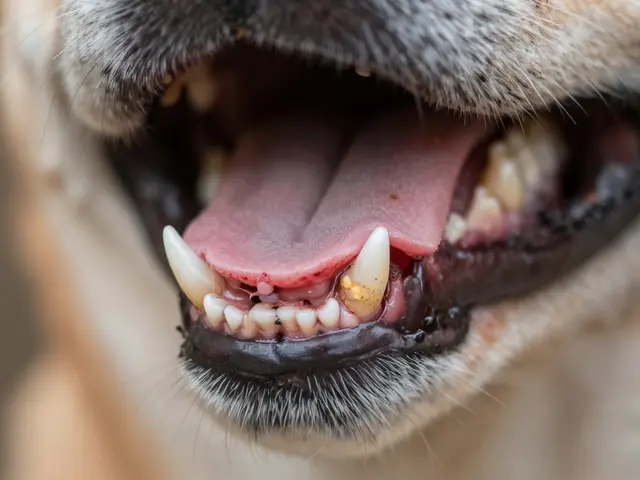
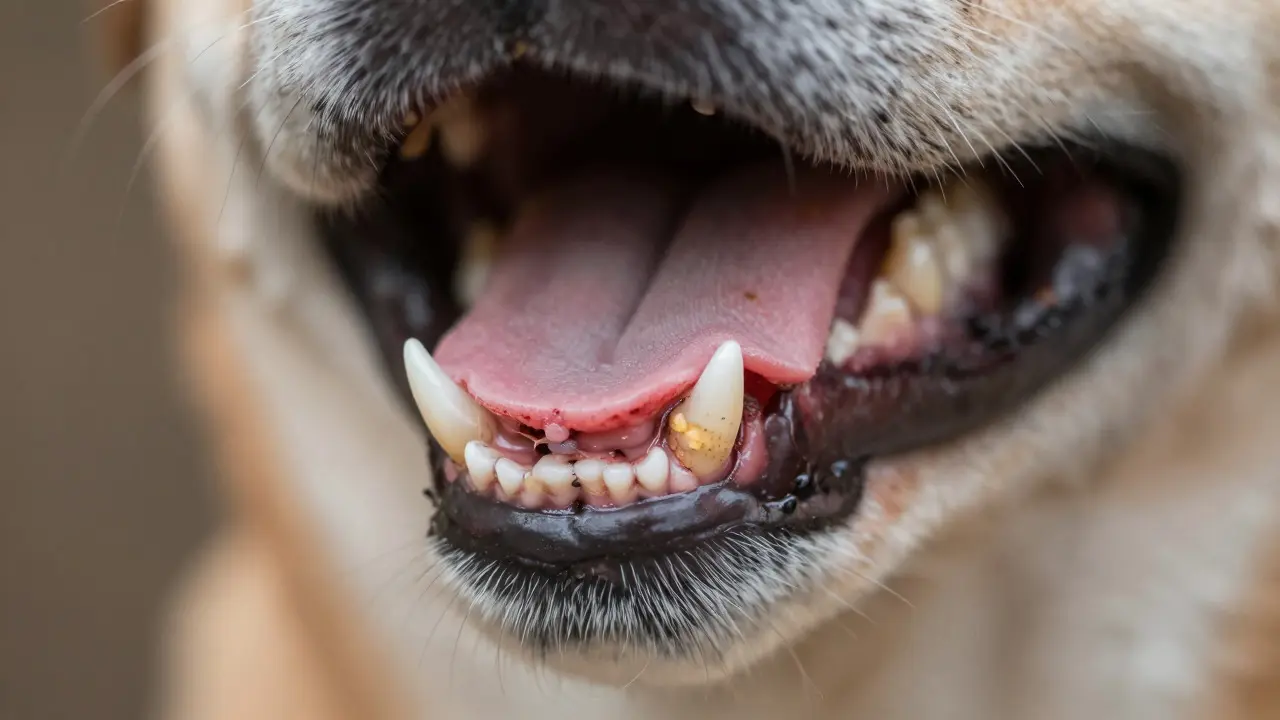
Dental disease in dogs doesn't happen overnight. It starts with plaque buildup, which hardens into tartar within 48 hours. Once tartar forms, it creates pockets where bacteria thrive, leading to gingivitis (gum inflammation) and eventually periodontitis (bone loss around the teeth). The American Veterinary Medical Association (AVMA) recommends at least one comprehensive oral exam per year for all adult dogs. However, this baseline assumes a healthy start. For high-risk dogs, waiting 12 months can mean the difference between a simple cleaning and expensive extractions.
The core issue is that home brushing only removes soft plaque. It cannot remove hardened tartar below the gumline. That requires professional scaling and polishing under anesthesia. So, when we talk about scheduling, we are really talking about how often your dog needs that deep clean versus just a visual checkup.
Identifying Your Dog's Risk Profile
Not every dog needs the same schedule. Before you book an appointment, assess these four factors. This will tell you if 'annual' is enough or if 'semiannual' is necessary.
- Breed Size: Small breeds (under 20 lbs) like Chihuahuas, Toy Poodles, and Shih Tzus are genetically predisposed to crowding and early tooth loss. They almost always require semiannual visits.
- Age: Puppies get their first checkup around 6-8 months. Adult dogs (1-7 years) usually start with annual visits. Senior dogs (7+ years) should move to semiannual because immune function drops and existing damage progresses faster.
- History: Has your dog had previous extractions or severe tartar buildup? If yes, they are a candidate for more frequent monitoring.
- Diet & Hygiene: Dogs on dry kibble alone without daily brushing accumulate tartar faster than those with dental chews or raw diets. Lack of home care increases the need for professional intervention.
Annual vs. Semiannual: What Actually Happens?
Let's break down the two main schedules so you know exactly what you're signing up for.
| Feature | Annual Schedule | Semiannual Schedule |
|---|---|---|
| Frequency | Once every 12 months | Every 6 months |
| Best For | Large breeds, young adults, consistent home brushers | Small breeds, seniors, history of disease, no home brushing |
| Typical Cost (Cleaning) | $300 - $650 per visit | $300 - $650 per visit (Total annual cost doubles) |
| Risk of Missed Issues | Moderate; small abscesses may develop between visits | Low; issues caught earlier, less invasive treatment |
| Anesthesia Exposure | One full general anesthesia per year | Two general anesthetics per year |
The biggest misconception is that semiannual means twice the risk of anesthesia. While it is true that your dog goes under twice as often, modern veterinary anesthesia has become incredibly safe. For a senior dog with heart issues, the risk of *not* treating advanced periodontal disease (which releases bacteria into the bloodstream) often outweighs the risk of a second short procedure. Always discuss specific health risks with your vet before deciding.
The Role of Home Care in Extending the Gap
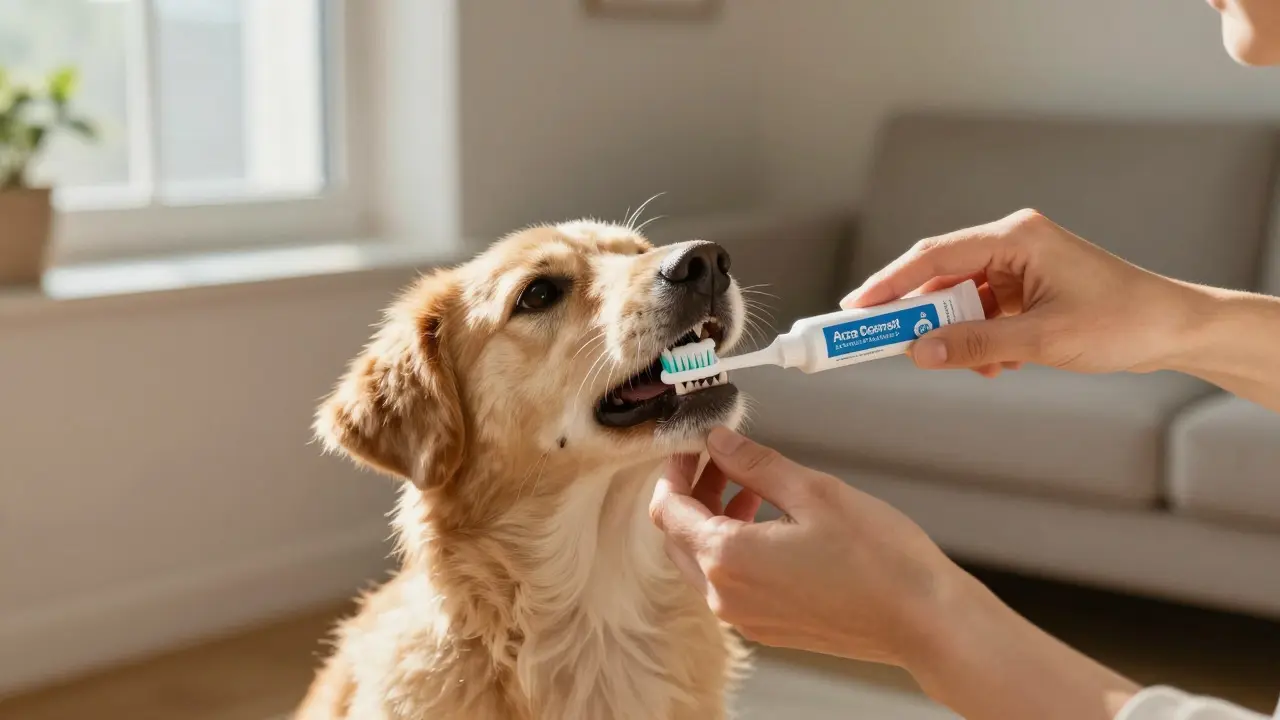
You don't have to choose between 'never brushing' and 'brushing every day.' Consistency matters more than perfection. If you can commit to brushing your dog's teeth three times a week, you might safely stay on an annual schedule even if they are a smaller breed. Use enzymatic toothpaste designed for pets-human toothpaste contains fluoride and xylitol, which can be toxic in large amounts.
If you aren't brushing, consider adding dental chews approved by the Veterinary Oral Health Council (VOHC). These help mechanically scrape plaque off the chewing surfaces. However, remember: chews are not a replacement for professional cleaning. They just buy you a few extra weeks before tartar sets in.
What to Expect During the Exam
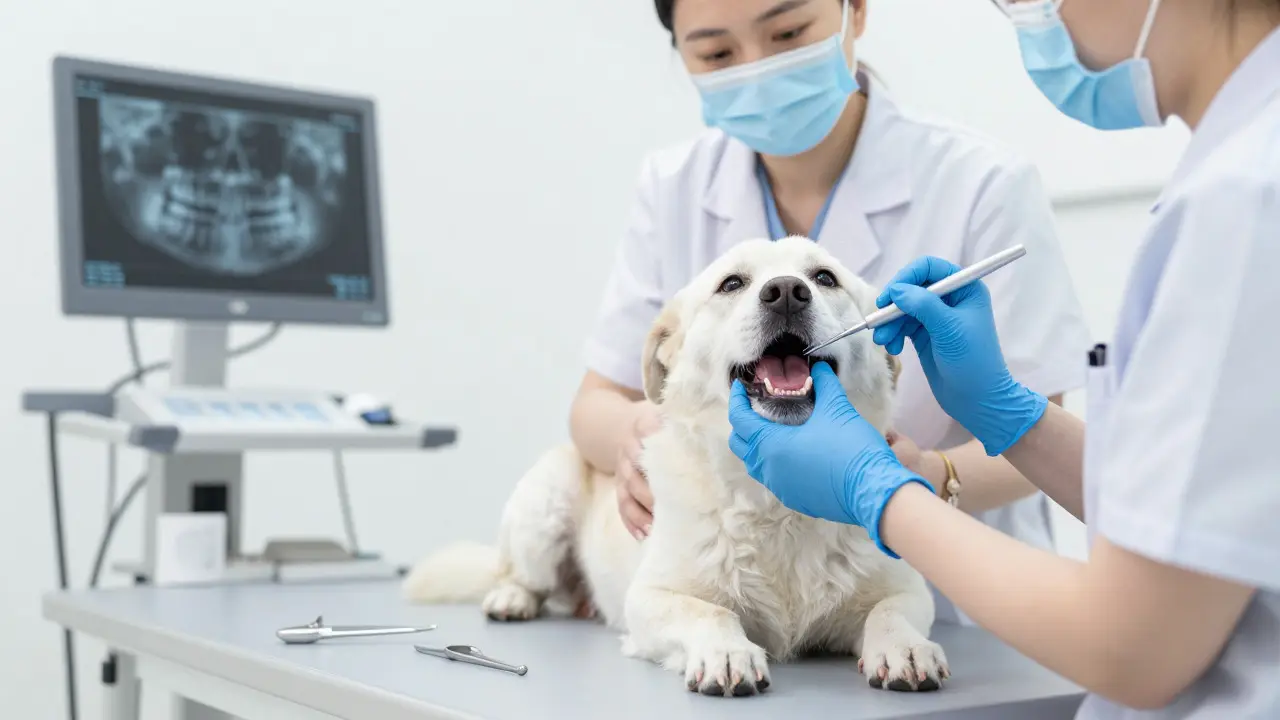
A proper dental exam isn't just looking at the teeth. It involves a full oral assessment. Here is the standard workflow:
- Visual Inspection: Checking for broken teeth, loose teeth, and gum color.
- Tartar Assessment: Determining how much calculus has built up above and below the gumline.
- Periodontal Probing: Using a probe to measure pocket depth. A pocket deeper than 3mm indicates active disease.
- Digital X-Rays: This is non-negotiable. Up to 25% of a dog's tooth structure is below the gumline. You cannot see root fractures or bone loss without X-rays.
- Cleaning: Ultrasonic scaling above the gumline and hand scaling below it, followed by polishing.
Signs You Need to Move Up in Frequency
Even if you are on an annual plan, watch for these red flags that suggest you should book the next appointment sooner:
- Persistent bad breath that doesn't go away after eating.
- Redness or swelling along the gumline.
- Dropping food while chewing (often due to pain).
- Chewing on one side only.
- Visible yellow/brown crust on the back molars.
Managing Costs Without Cutting Corners
Veterinary dental care is expensive because it requires specialized equipment, trained staff, and anesthesia monitoring. To manage costs:- Preventive Packages: Some clinics offer bundled annual wellness plans that include one dental cleaning and routine shots for a discounted rate.
- Payment Plans: Ask about CareCredit or in-house financing. Dental bills can easily hit $1,500-$3,000 if extractions are needed.
- Insurance: Pet insurance rarely covers preventive cleanings, but many cover extractions and treatments resulting from accidents or disease. Check your policy specifically for 'oral surgery' coverage.
Frequently Asked Questions
How often should a puppy get dental checks?
Puppies typically need their first oral exam around 6 to 8 months of age to check for retained baby teeth and proper alignment. After that, annual exams are sufficient until they reach adulthood, unless there are specific developmental issues.
Is dental cleaning under anesthesia dangerous for older dogs?
While any anesthetic carries risk, modern protocols make it very safe. Vets perform pre-anesthetic blood work to check organ function. For senior dogs, the risk of untreated dental infection spreading to the heart or kidneys is often higher than the risk of a short-duration anesthetic procedure.
Can I use human toothpaste on my dog?
No. Human toothpaste contains fluoride and xylitol, which can be toxic to dogs in large quantities. Always use pet-specific enzymatic toothpaste. The flavor is usually meat-based to encourage cooperation.
What is the difference between a dental exam and a dental cleaning?
A dental exam is the diagnostic part: looking at the teeth, probing gums, and taking X-rays. A dental cleaning is the therapeutic part: removing tartar and polishing the teeth. You should always have an exam before a cleaning to determine if the dog needs extractions or other treatments.
Do dental chews replace professional cleanings?
No. Dental chews help reduce plaque buildup on the chewing surfaces of the teeth, but they do not clean below the gumline where periodontal disease starts. Professional ultrasonic scaling is required to remove subgingival tartar.