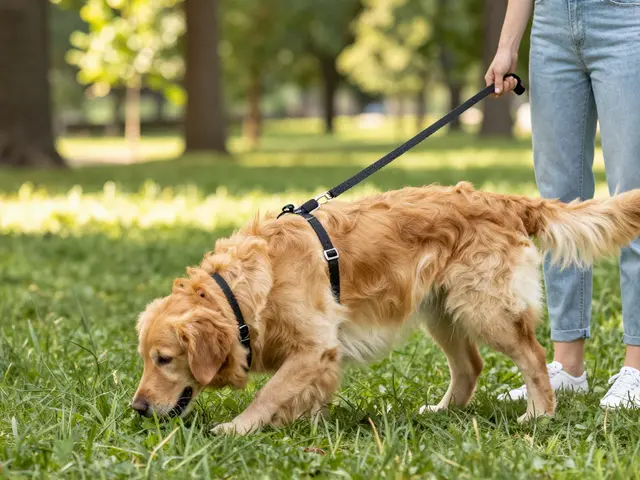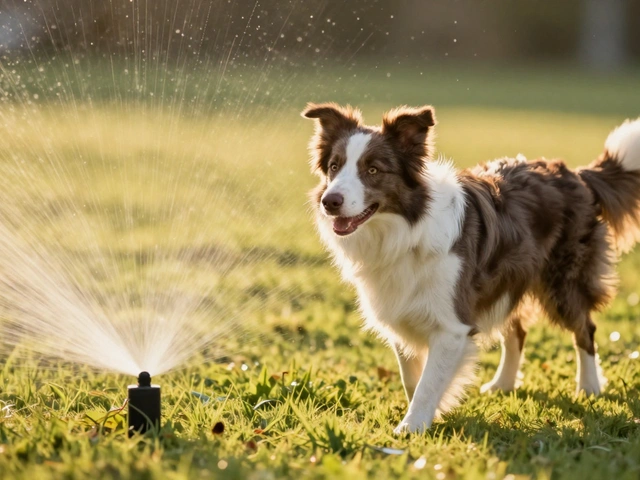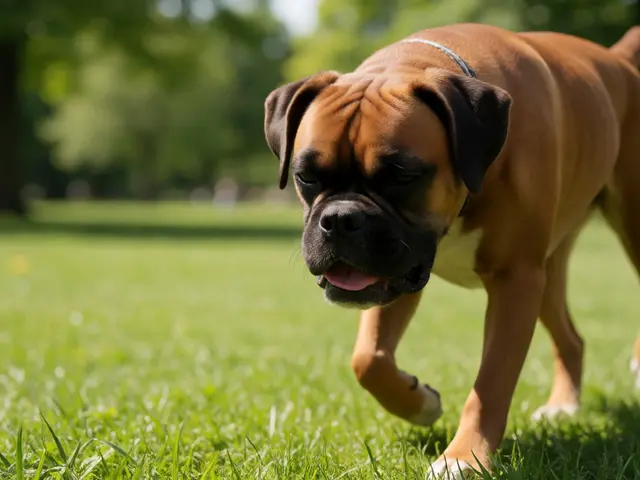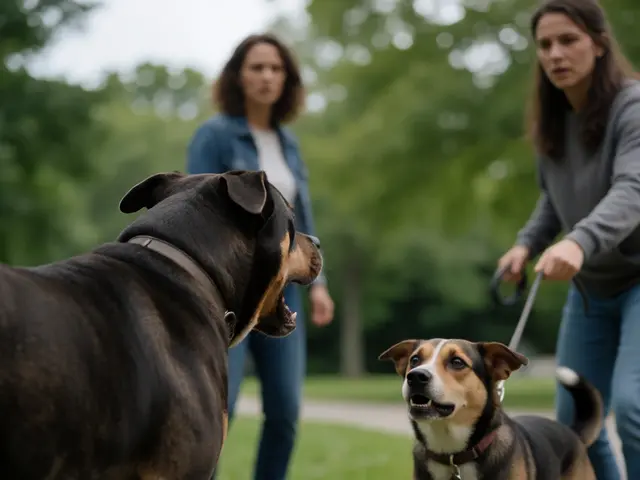
Imagine your dog spots a squirrel. Their tail wags, their ears perk up, and in a split second, they are gone. If you were relying on a standard six-foot leash, you’d be left holding the other end, hoping the recall command worked. But if you had a long line is a heavy-duty training tool ranging from 15 to 30 feet that allows dogs freedom of movement while maintaining owner control. This simple piece of gear changes everything. It turns a high-stress chase into a manageable training opportunity.
Many owners think "off-leash" means no leash at all. In reality, safe exploration often requires a tether that gives room to roam but prevents disaster. Whether you are working on basic obedience or just want to let your pup sniff freely at a park, the right setup makes the difference between a happy walk and a frantic rescue mission.
Why Standard Leashes Fall Short
A typical retractable or fixed leash limits your dog’s range to about 6 feet. That’s barely enough space for them to turn around without tangling with your legs. When a dog smells something interesting three yards away, a short leash creates tension immediately. The dog pulls, you pull back, and the moment becomes negative for both of you.
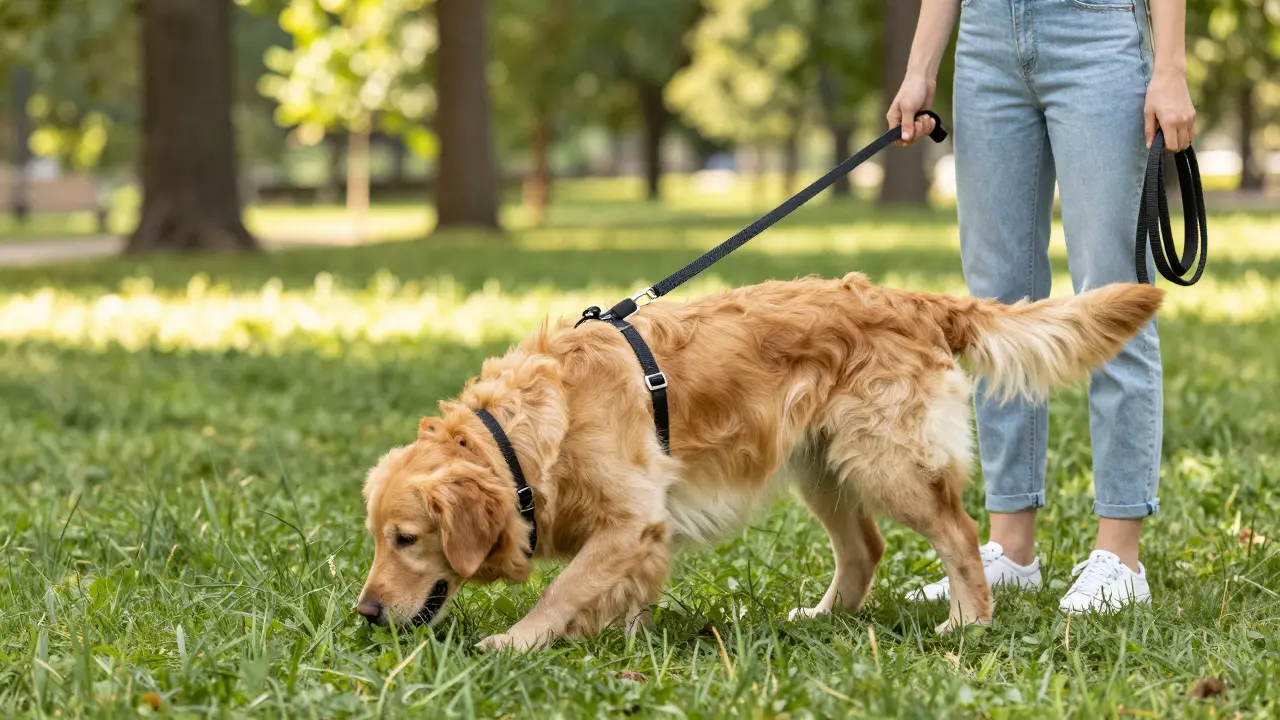
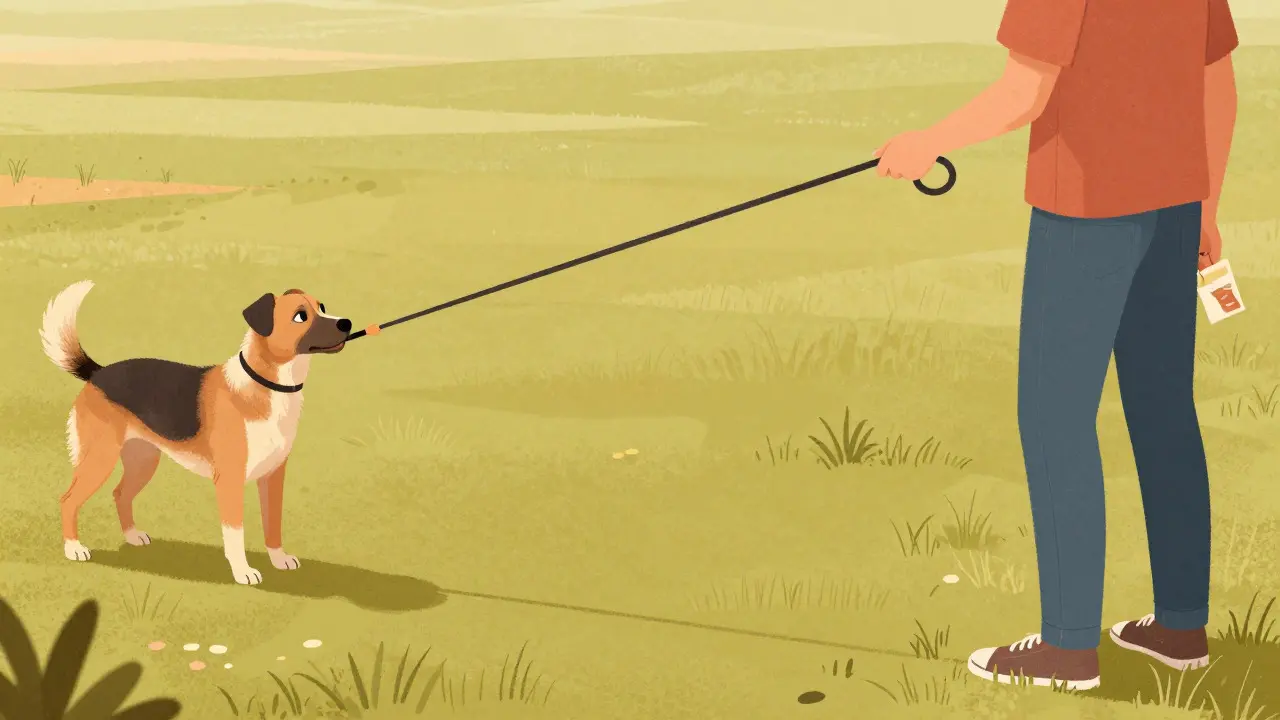
With a long line, you give your dog the autonomy to investigate. They can stretch out, explore scents, and even run a little bit if they get excited. You remain connected, but the connection is loose enough to feel natural. This reduces the "leash reactivity" many dogs develop because they aren’t constantly fighting against a tight constraint.
Choosing the Right Equipment
Not all ropes work as long lines. You need specific materials and hardware to ensure safety. A cheap garden hose might snap under pressure, and a thin nylon cord can burn through your hands if your dog bolts.
- Material: Look for flat webbing or braided nylon. Flat webbing is easier to coil and less likely to tangle than round rope. Braided nylon is durable but check the thickness; it should be at least 1/4 inch for medium to large dogs.
- Length: Start with 15 feet. If your dog is calm, extend to 20 or 30 feet. Avoid going longer than 30 feet unless you have a very reliable recall, as handling gets difficult.
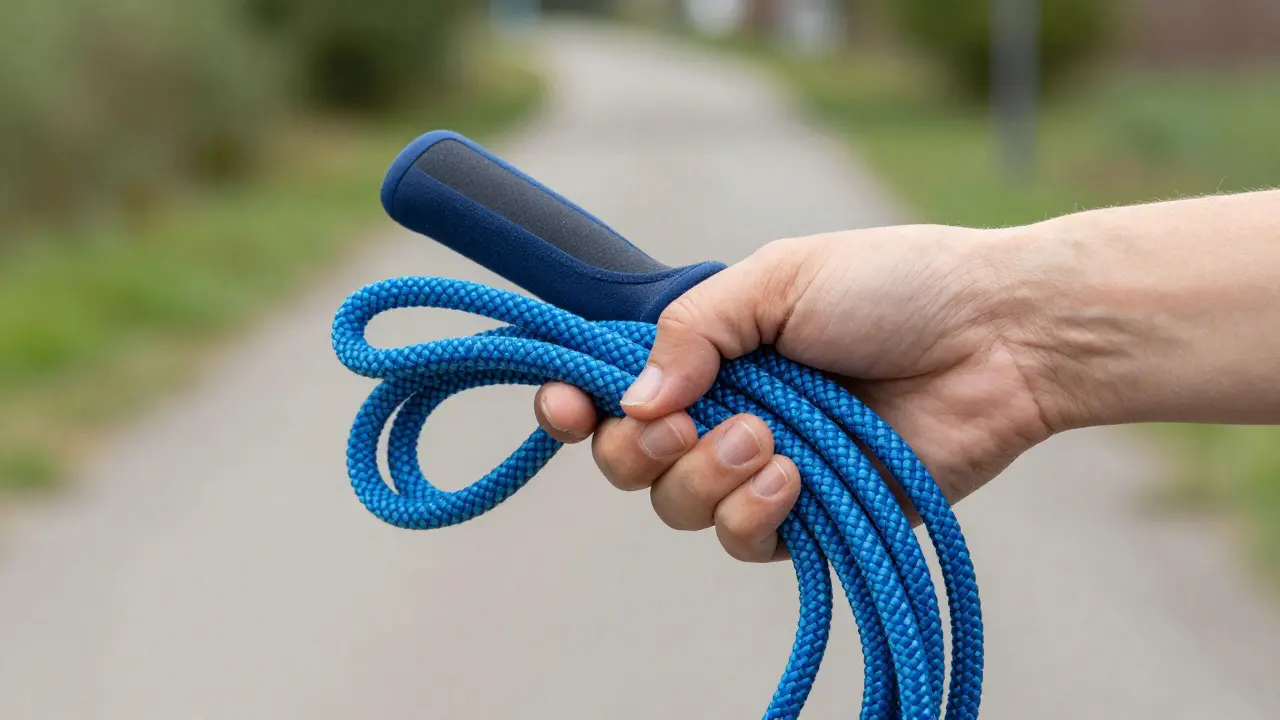
- Handle: Get a padded handle or a loop made of soft material. Holding a bare rope for an hour will chafe your hand. A padded grip absorbs shock when your dog pulls.
- Clip: Use a sturdy metal carabiner or a clip with a locking mechanism. Plastic clips can break if your dog jumps on the line.
Attach the line to a front-clip harness rather than a collar if possible. Front-clip harnesses reduce pulling force on the neck and give you better steering control. If your dog has a sensitive neck or respiratory issues, this is non-negotiable.
Mastering the Coil Technique
The biggest challenge with a long line isn’t the dog; it’s the extra length of rope. If you just drag it behind you, you’ll trip over it. If you hold it all in one hand, your arm will ache. The solution is the coil technique.
- Start small: Hold the handle in your dominant hand. With your other hand, make a small loop near the handle.
- Add loops: As you walk, use your free hand to catch the slack and add another loop to the pile in your hand. Keep the loops loose so they don’t tighten unexpectedly.
- Switch hands: If you’re walking on a path, keep the coiled hand on the inside of the path (closest to the curb or fence) to avoid tripping pedestrians or getting caught on obstacles.
- Release smoothly: When you need to let go of the line quickly, simply open your fingers. The loops should uncoil rapidly without snapping back violently.
Practice this motion while walking around your living room before taking your dog outside. It feels awkward at first, like juggling, but after two or three walks, it becomes muscle memory.
Training Recall with Freedom
This is where the long line shines for dog recall training. Most dogs fail recall because the consequence of ignoring the command is zero. On a long line, the consequence is gentle but immediate.
Here is a practical exercise:
- Stand still in an open area. Let your dog move away from you on the line until they are 10-15 feet out.
- Wait for eye contact. Do not call them yet. Watch their body language. Are they focused on you? Or are they distracted by a bush?
- When they look at you, say their name once. Use a bright, happy tone.
- If they come to you, reward them instantly with high-value treats (like chicken or cheese).
- If they ignore you, wait a few seconds. Then, gently tug the line toward you. Don’t yank. Just create enough tension to guide them back.
- As soon as they reach you, reward again.
The key here is consistency. Every time they come, they win. Every time they ignore you, they get guided back and still rewarded for arriving. Over time, the line becomes unnecessary because the dog learns that coming to you is always the best option.
Safety Tips for Outdoor Exploration
Even with a long line, accidents happen. Here is how to minimize risks during outdoor exploration.
- Check for hazards: Before releasing the line, scan the ground for glass, thorns, or wet paint. Dogs chew anything they find.
- Watch for traffic: Never use a long line near busy roads without a helper. If your dog dashes toward a car, 30 feet of line won’t stop them fast enough. Cross streets on a short leash.
- Beware of trees and fences: A running dog can wrap the line around a tree trunk. This can cause severe injury if they keep running. Always monitor the line’s path.
- Use a whistle: A high-pitched dog whistle cuts through wind and distance better than your voice. Pair it with the recall command for long-distance calls.
- Keep treats accessible: Have a treat pouch clipped to your waist or belt. Reaching into a bag takes too long and breaks the timing of the reward.
Common Mistakes to Avoid
Even experienced trainers make errors with long lines. Avoid these pitfalls to keep sessions productive.
- Letting the line drag: Dragging the line on the ground causes wear and tear. It also poses a tripping hazard for you and others. Always coil or hold it.
- Yanking the line: Jerking the line punishes the dog and teaches them to fear the leash. Use gentle, steady pressure instead.
- Over-relying on the line: The goal is to wean your dog off the line eventually. If you always correct them with a tug, they may learn to rely on the physical cue rather than listening to your voice. Fade the line corrections gradually.
- Ignoring body language: If your dog is stiff, growling, or frozen, they are stressed. Stop the session. Pushing a stressed dog further will worsen anxiety.
Comparison: Long Line vs. Retractable Leash
Many people wonder why not just use a retractable leash? While convenient, they lack the control needed for serious training. Here is a quick comparison:
| Feature | Long Line | Retractable Leash |
|---|---|---|
| Control Level | High (manual tension) | Low (automatic release) |
| Durability | Very High (heavy duty) | Moderate (prone to breaking) |
| Training Utility | Excellent for recall | Poor for active training |
| Hand Comfort | Good (padded handle) | Fair (plastic button) |
| Cost | $15 - $40 | $20 - $80 |
Retractable leashes are great for casual strolls in empty fields, but for structured training or urban environments, the long line offers superior safety and responsiveness.
Next Steps for Your Training Journey
Start small. Buy a 15-foot flat webbing line with a padded handle. Practice the coil technique in your backyard for three days. Then, take your dog to a quiet park for 10-minute sessions. Focus on one thing: making eye contact and rewarding it. Once that is solid, introduce the recall command.
Remember, the long line is a bridge. It connects the safety of a short leash to the freedom of off-leash play. Used correctly, it builds trust, improves communication, and keeps your dog safe while they explore the world around them.
What is the best length for a dog long line?
For most dogs, 15 to 20 feet is ideal for starting out. This length provides enough room for movement without being unwieldy. Larger or more energetic dogs may benefit from 30 feet, but only if the handler is experienced in managing the extra slack.
Can I use a long line for puppies?
Yes, but start with a shorter length, such as 10 feet. Puppies have shorter attention spans and smaller bodies, so a huge amount of line can overwhelm them. Gradually increase the length as their confidence and stamina grow.
Is a long line better than a retractable leash for recall training?
Generally, yes. Long lines allow for manual control and immediate correction, which is crucial for shaping behavior. Retractable leashes release automatically, making it hard to apply consistent pressure or guide the dog back effectively during a training session.
How do I prevent my dog from chewing the long line?
Store the line properly when not in use. Hang it on a hook or roll it up tightly. During walks, keep the coiled portion in your hand, not on the ground. If your dog is a chronic chewer, consider using a bitter spray on the ends of the line, though this is rarely necessary if managed correctly.
What type of harness works best with a long line?
A front-clip harness is recommended. It distributes pressure across the chest and shoulders, reducing strain on the neck. This design also helps steer the dog if they start to pull, giving you more control without needing to yank the line.