Bringing a new puppy home is exciting, but there’s a hidden battle happening inside their tiny body. Most puppies arrive at your door with some form of internal parasitesworms that live in the digestive tract and can cause malnutrition, stunted growth, and severe health issues if left untreated. The good news? You can beat them with a consistent, age-based deworming routine. This isn’t just about giving a pill once; it’s a strategic timeline that protects your pup during their most vulnerable weeks.
Many owners assume that because a puppy looks healthy, they are worm-free. That’s a dangerous myth. Roundworms and hookworms are often invisible until the infestation becomes heavy. By following a strict schedule aligned with veterinary guidelines, you ensure your puppy grows up strong, absorbs nutrients properly, and avoids the costly treatments needed for advanced cases. Let’s break down exactly when to treat, what to watch for, and how to keep those pesky critters out for good.
Why Timing Is Everything in Puppy Deworming
The lifecycle of common dog worms is short and fast. RoundwormsToxocara canis, one of the most common parasites in puppies, which can be transmitted through the mother’s milk or from the environment can complete a cycle in as little as three weeks. If you wait too long between treatments, the eggs hatch into larvae before the medication has a chance to kill them off. This is why a single dose rarely works. Instead, you need a series of doses spaced out to catch the worms at different stages of their development.
Think of it like whack-a-mole. You’re not just hitting the visible moles (the adult worms); you’re trying to prevent the next generation from popping up. A structured puppy deworming schedule ensures you stay ahead of the curve. Most veterinarians recommend starting treatment early, even if the puppy hasn’t shown symptoms yet. Prevention is far cheaper and less stressful than treating a sick, dehydrated puppy later on.
The Standard Age-Based Deworming Timeline
While every vet may have slight variations based on your local climate and the puppy’s history, the general consensus follows a predictable pattern. Here is the standard roadmap you should expect:
- Weeks 2 to 3: The first dose. This is critical because many puppies are born with roundworms transferred from their mother. Early intervention stops the load from growing.
- Weeks 4 to 6: The second dose. At this stage, any remaining larvae are maturing into adults that the medication can effectively target.
- Weeks 8 to 10: The third dose. This covers any reinfection that might have occurred during the puppy’s initial socialization period or exposure to the outdoors.
- Monthly thereafter: Once the puppy reaches three months old, transition to a monthly preventive. This keeps protection active as they explore more environments.
This timeline isn’t arbitrary. It aligns with the biological maturity of the worms. Treating too early might miss larvae that haven’t developed yet; treating too late allows them to damage the intestinal lining. Sticking to these windows gives you the best shot at clearing the system completely.
Common Worms and How They Spread
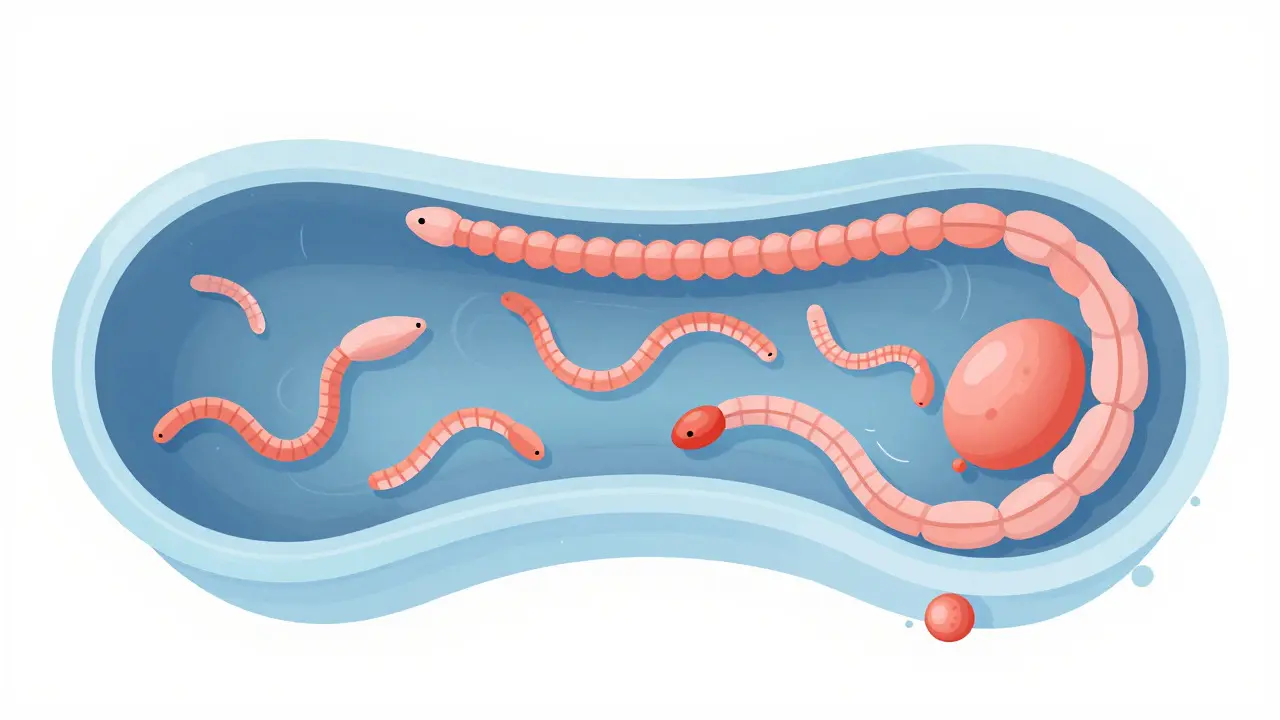
Not all worms are created equal. Knowing what you’re fighting helps you understand where the risks lie. The big four in puppies are roundworms, hookworms, whipworms, and tapeworms. Each has a different entry point into the body.
| Parasite Type | Primary Transmission Method | Key Symptoms | Treatment Difficulty |
|---|---|---|---|
| Roundworms | Mother’s milk, soil ingestion | Bloated belly, dull coat, vomiting | Low (Highly responsive to meds) |
| Hookworms | Skin penetration, ingestion | Diarrhea, anemia, pale gums | Medium (Can cause blood loss) |
| Whipworms | Ingestion of eggs from soil | Blood/mucus in stool, weight loss | High (Requires repeated dosing) |
| Tapeworms | Fleas, eating infected prey | Rice-like segments in stool, itching | Low (Easy to spot and treat) |
Notice that roundworms and hookworms are the most prevalent in young dogs. Roundworms are notorious for causing that classic “pot-bellied” look in underweight puppies. Hookworms, on the other hand, feed on blood, which can lead to anemia if the infestation is severe. Tapeworms are often linked to flea infestations, so keeping fleas away is part of the parasite control strategy. Whipworms are trickier because they don’t respond as well to single-dose treatments and often require a longer course of medication.
Choosing the Right Dewormer
You’ll see two main types of dewormers at the pet store or from your vet: broad-spectrum pills and topical treatments. Broad-spectrum oral medications, such as pyrantel pamoate or fenbendazole, are the gold standard for puppies. They cover multiple types of worms in one go. Topical treatments are great for heartworm and external parasites like fleas and ticks, but they don’t always cover all internal worms. Always check the label or ask your vet if a specific product covers roundworms, hookworms, and whipworms.
One pro tip: don’t mix and match products without checking for compatibility. Some ingredients can interact negatively if given too close together. Stick to one trusted brand or protocol recommended by your veterinarian. Consistency is key here. If a specific brand worked well for the first two doses, stick with it unless your vet suggests otherwise. Changing products mid-treatment can sometimes lead to gaps in coverage.
Preventing Reinfection After Treatment
Killing the worms in your puppy is only half the job. The other half is stopping them from coming back. Puppies are curious creatures who put everything in their mouths. Soil, grass, and even feces from other dogs are potential sources of reinfection. Here’s how to tighten the ship:
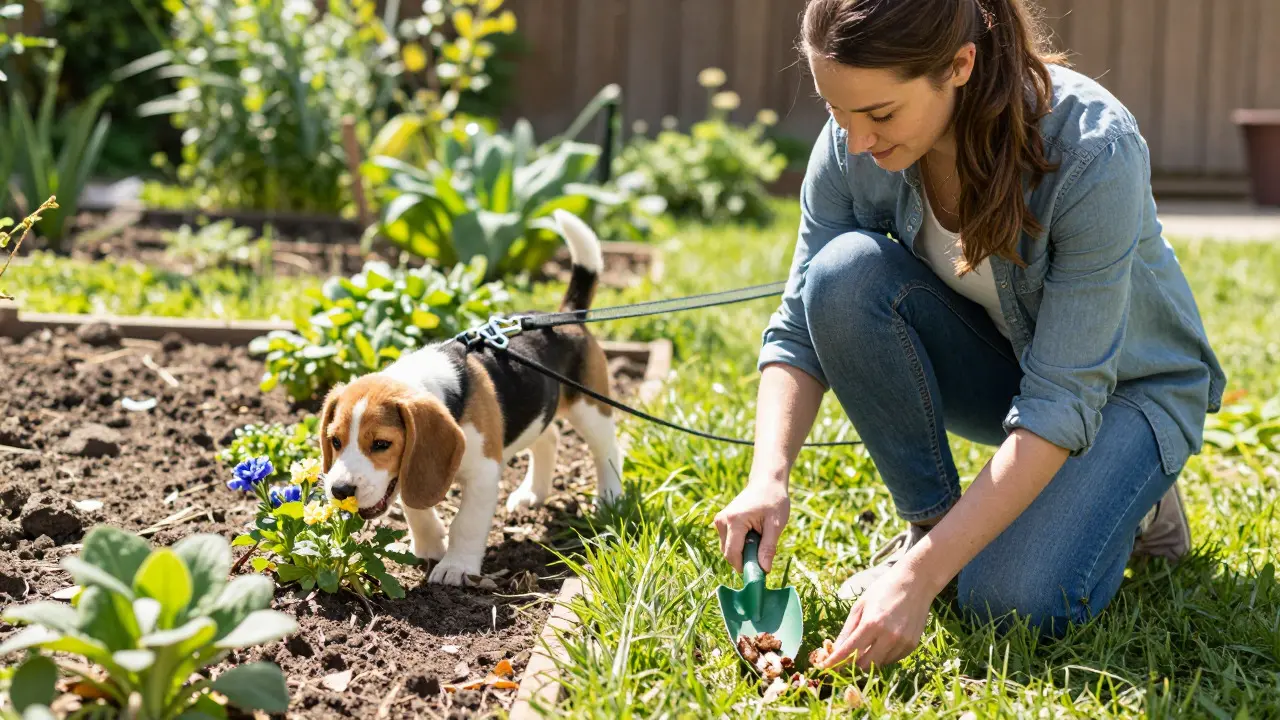
- Clean Up Immediately: Pick up poop in the yard within 10 minutes. Eggs take time to become infectious, so quick removal breaks the cycle.
- Wash Toys and Bowls: Parasites can hitch a ride on dirty toys. Wash them weekly with hot water and soap.
- Control Fleas: Since fleas carry tapeworms, maintain a strict flea prevention regimen. This is non-negotiable for full-body protection.
- Limit Roaming: Keep your puppy on a leash in public parks until they are fully vaccinated and dewormed. This reduces contact with unknown wildlife or stray feces.
Your home environment matters too. If you have a yard, consider rotating areas where the puppy plays. Grass hosts can harbor dormant eggs for months. Giving the lawn a rest while the puppy plays in another section can reduce the environmental load significantly.
When to See the Vet Beyond the Schedule
Even with a perfect schedule, signs of trouble can appear. Don’t wait for the next scheduled dose if you notice red flags. Persistent diarrhea, especially if it contains blood or mucus, is a sign of heavy hookworm or whipworm load. Vomiting undigested food or seeing white, rice-like segments in the stool indicates tapeworms. If your puppy’s gums look pale instead of pink, suspect anemia from hookworms.
In these cases, bring a fresh stool sample to your vet. A simple fecal float test can identify the type and number of worms present. This data allows the vet to tailor the treatment, perhaps adding extra doses or switching to a stronger medication. Ignoring these signs can lead to dehydration and malnutrition, which are much harder to reverse than a simple worm infestation.
FAQs About Puppy Deworming
How do I know if my puppy still has worms after treatment?
The best way is a follow-up fecal exam. Visual inspection isn't enough because some worms, like hookworms, are microscopic. Your vet can confirm if the population is gone or if additional rounds are needed.
Can humans get worms from puppies?
Yes. Roundworms and hookworms are zoonotic, meaning they can jump from animals to humans. Children are at higher risk due to playing in dirt. Practice good hygiene, wash hands after handling pets, and keep the yard clean to minimize risk.
Do I need to deworm my puppy if they were bought from a breeder?
Always. Even reputable breeders may not have caught every larva. Additionally, the stress of moving to a new home can weaken the immune system, allowing surviving parasites to multiply. Assume every new puppy needs a full deworming cycle.
What happens if I miss a dose in the schedule?
Don't panic. Give the missed dose as soon as you remember, then resume the regular schedule. However, if you missed more than a week, consult your vet to adjust the timing. Gaps in treatment allow larvae to mature and resist the medication.
Is natural deworming effective for puppies?
Natural remedies like pumpkin seeds or carrots may help with mild cases or maintenance, but they are not reliable for clearing heavy infestations in young puppies. For a guaranteed result, use FDA-approved pharmaceutical dewormers recommended by your veterinarian.