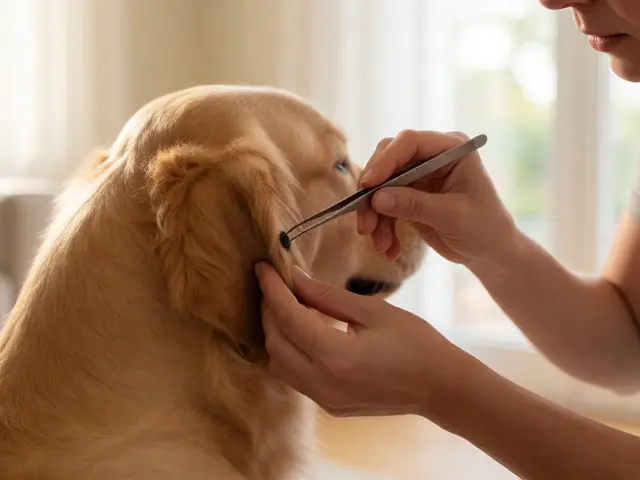
Most dog owners think their pet’s teeth are fine as long as they aren’t visibly black or crumbling. But by the time you see obvious tartar, the damage is often already done. Plaque builds up in a thin film within hours of eating, and if it isn’t disrupted, it hardens into calculus that irritates gums and leads to periodontal disease. The good news? You don’t need an X-ray to track this progress. You can perform a simple, visual plaque score at home using just your fingers, a light, and a bit of consistency.
Why Visual Scoring Works Better Than Guessing
Canine periodontal disease is a chronic condition affecting over 80% of dogs by age three. It starts with bacterial biofilm-plaque-that attaches to the tooth surface. If left alone, minerals from saliva calcify this film into tartar. Tartar is rough, trapping more bacteria deeper under the gumline. This cycle causes inflammation, pocket formation, and eventually tooth loss.
Home scoring helps you catch the transition from soft plaque to hard tartar early. Instead of waiting for the annual vet visit, you create a baseline. You learn what “normal” looks like for your specific dog. Is their enamel slightly yellow? Do they have natural pigmentation on the gums? Knowing these details prevents false alarms and ensures you only intervene when necessary.
The 4-Point Home Plaque Scale
To make tracking consistent, use a standardized scale. This isn’t about medical diagnosis; it’s about monitoring change. Use the following criteria during your monthly checks:
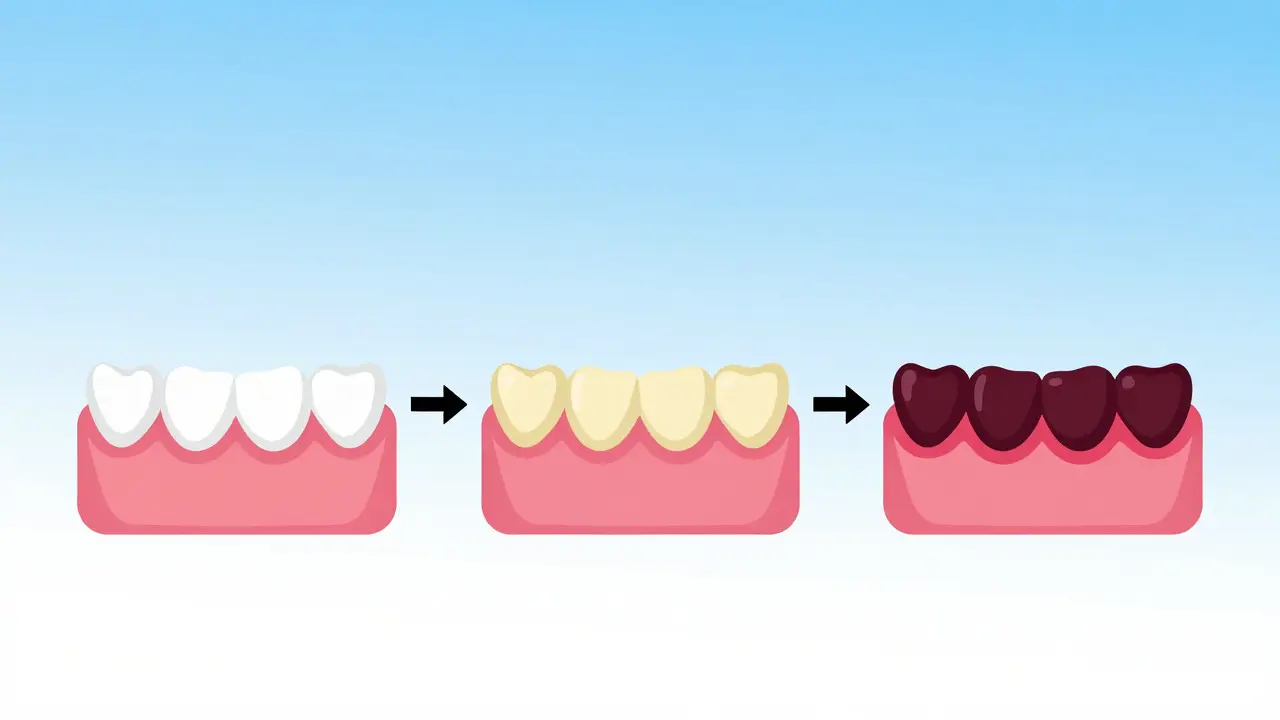
- Score 0 (Clean): Teeth appear white or cream-colored. No visible buildup on the gumline. Gums are pink and firm.
- Score 1 (Early Plaque): Thin, soft, whitish-yellow film visible on the outer surfaces of the front teeth. Can be wiped off easily with a finger or wipe.
- Score 2 (Moderate Tartar): Hard, rough, yellow-to-brown deposits along the gumline, particularly on the back molars. Cannot be wiped off. Gums may show slight redness.
- Score 3 (Severe Disease): Thick, dark brown/black crust covering significant portions of the tooth. Bad breath is noticeable. Gums are swollen, bleeding, or receding.
| Score | Visual Appearance | Texture | Recommended Action |
|---|---|---|---|
| 0 | Cream/White | Smooth | Maintain current routine |
| 1 | Thin Yellow Film | Soft/Wipeable | Increase brushing frequency |
| 2 | Hard Brown Crust | Rough/Hard | Schedule professional cleaning |
| 3 | Thick Black/Dark Mass | Very Rough | Immediate veterinary visit |
How to Perform the Check Safely
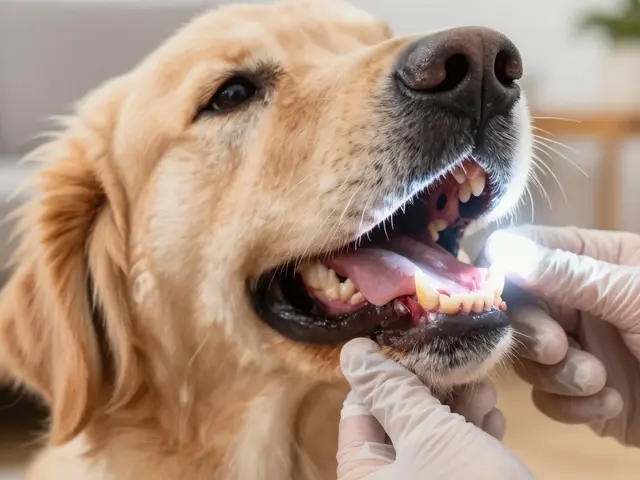
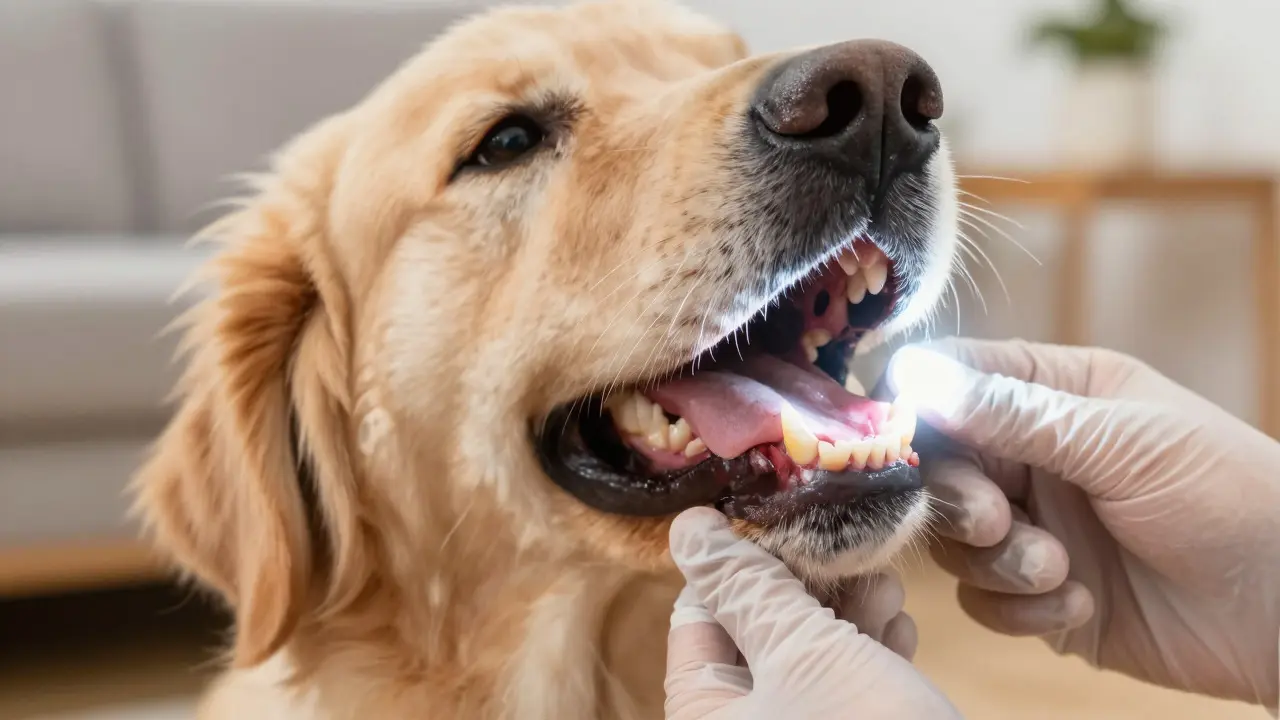
Timing matters. Do this check after your dog has eaten but before they’ve had water, as saliva can dilute the appearance of the plaque. Ensure your dog is calm. If they struggle, wrap them in a towel to prevent bites. Use a bright flashlight or your phone’s torch to illuminate the mouth.
- Lift the upper lip gently to expose the incisors and canines. Look at the gumline where the tooth meets the gum.
- Move to the premolars and molars. These are the high-risk areas because most dogs chew food primarily on one side, leading to uneven wear and buildup.
- Check the lower jaw similarly. Be careful here, as the lower canines are sharp.
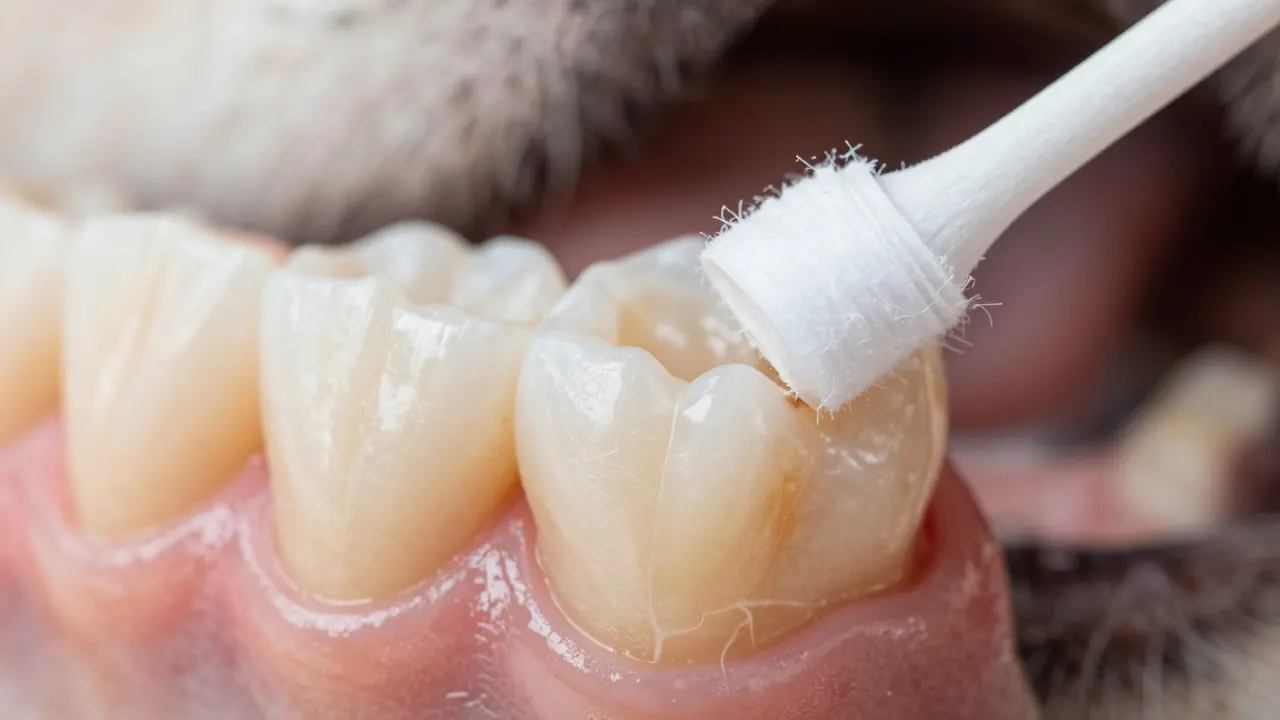
- Use a gloved finger or a damp cotton swab to touch the surface. If it feels smooth, it’s likely clean. If it feels gritty or sticky, there is active plaque or early tartar.
Record your findings. Take a photo with your phone’s macro mode if possible. Compare today’s photo to last month’s. Visual comparison is far more accurate than memory.
Tools That Actually Help
You don’t need expensive equipment, but a few tools make the process easier and more effective. Enzymatic dental chews are treats containing enzymes that help break down plaque biofilm mechanically and chemically. They work best for Score 0 and 1. For Score 2, mechanical abrasion is needed, which is why professional scaling is required.
Consider adding a blue-light toothbrush designed for pets. The blue light doesn’t kill bacteria directly, but it makes the plaque fluoresce, making it easier for you to see exactly where you’re missing spots during brushing. This is particularly helpful for dogs with dark pigmented gums where yellow plaque is hard to spot against the background.
When to Stop Brushing and See the Vet
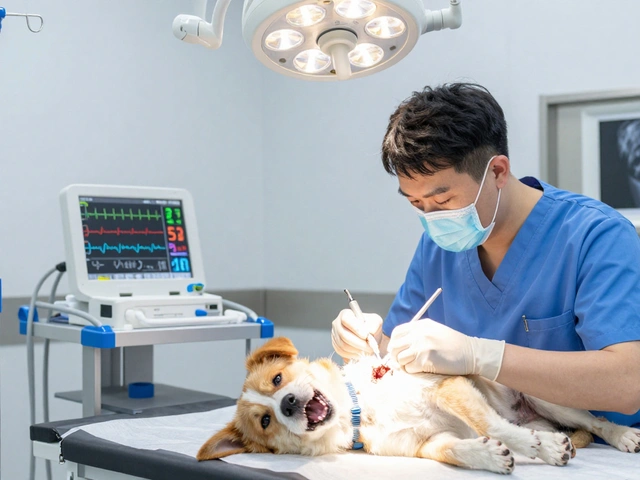
Home care is preventive, not curative. If your dog reaches a Score 2, brushing alone won’t remove the hardened tartar. Trying to scrape it off at home risks breaking the tooth or injuring the pulp chamber. At this stage, a professional dental prophylaxis is a procedure involving ultrasonic scaling and polishing under anesthesia to remove subgingival tartar is necessary.
Signs that home care has failed include persistent bad breath despite daily brushing, difficulty chewing kibble, dropping food while eating, or pawing at the mouth. These indicate pain or infection that requires intervention. Don’t wait for the tooth to fall out; extraction is more invasive and costly than prevention.
Building a Consistent Routine
Consistency beats intensity. Brushing once a week thoroughly is less effective than brushing five times a week for two minutes. Start small. Let your dog lick peanut butter off your finger while you gently rub their teeth. Gradually introduce a finger brush, then a soft-bristled toothbrush made for dogs. Human toothpaste contains fluoride and xylitol, which can be toxic or harmful to dogs in large quantities, so always use enzymatic dog-specific paste.
Track your scores in a simple spreadsheet or journal. Note the date, the score for each quadrant (upper right, upper left, lower right, lower left), and any observations like bleeding or swelling. Over six months, you’ll see trends. If the score stays at 1 despite diligent brushing, it might be time to switch to a different type of dental chew or adjust the diet to include more raw or textured foods that promote natural abrasion.
Frequently Asked Questions
Is it safe to check my dog's teeth every day?
Yes, daily checks are safe and recommended for establishing a habit. Just ensure you handle the mouth gently to avoid causing stress. If your dog becomes anxious, reduce frequency to weekly but maintain strict consistency.
What should I do if I find a Score 2 but can't afford a vet visit immediately?
Focus on slowing progression. Switch to a high-quality enzymatic chew, increase brushing frequency, and consider a dental water additive. However, schedule the appointment as soon as possible, as Score 2 indicates established tartar that will not resolve on its own.
Do small breeds really need more frequent checks?
Yes. Small breed dogs like Chihuahuas and Toy Poodles have crowded teeth and narrower gum pockets, making them prone to rapid tartar accumulation. Monthly checks are ideal for these breeds compared to quarterly checks for larger dogs.
Can I use baking soda to scrub my dog's teeth?
Use sparingly. Baking soda is abrasive and can wear down enamel if used too aggressively or frequently. It’s better to use a commercial dog toothpaste or a dedicated pet dental powder formulated to be gentle on enamel.
What does it mean if my dog's gums are dark blue or purple?
Dark gums can indicate poor circulation or oxygenation issues, which is a medical emergency. If gums are naturally dark due to pigment, they should still turn pale when pressed and return to color quickly. If they stay dark or change color unexpectedly, consult a vet immediately.